Learn Tarot for Beginners : How to Read and Get Started
 61
61

Learn Tarot for Beginners : How to Read and Get Started



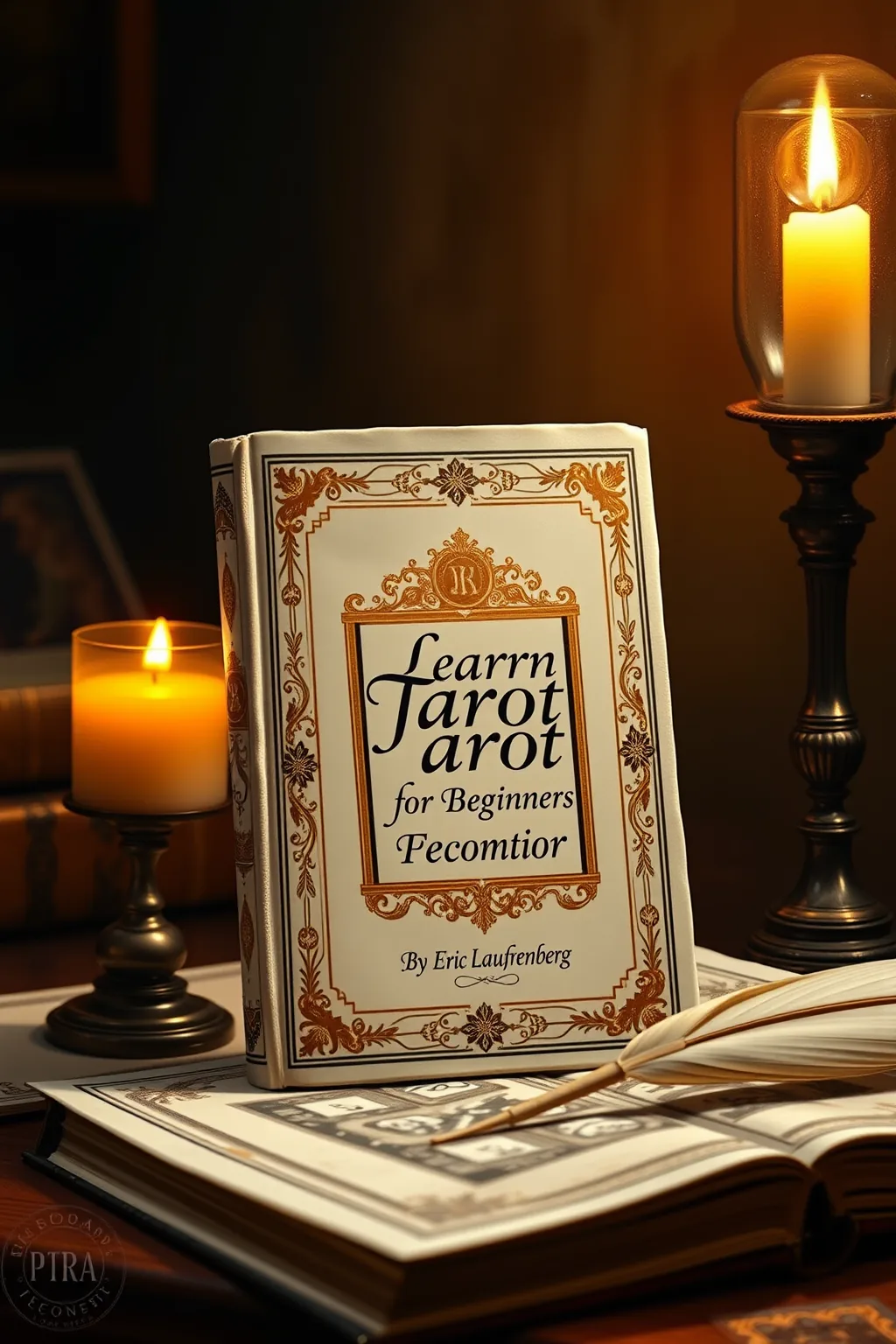
Eric Laufenberg's 'Learn Tarot for Beginners' is a gem for anyone seeking an accessible yet profound entry into the esoteric art of Tarot reading. Laufenberg's approach is refreshingly grounded, guiding neophytes through the intricate symbolism and archetypes with clarity and grace. He emphasizes the Tarot not as a deterministic tool, but as a potent instrument for self-reflection and spiritual growth. This work skillfully bridges the gap between the historical mystique of the cards and their practical application in modern life. Ideal for the nascent practitioner or the curious scholar of divination, this book offers genuine esoteric insights without overwhelming the beginner. A highly recommended primer for unlocking personal wisdom.
📝 Description
61
Eric Laufenberg's 'Learn Tarot for Beginners' (2017) translates Tarot symbolism into practical self-understanding.
Eric Laufenberg's guide, 'Learn Tarot for Beginners,' aims to make the Tarot accessible to newcomers. The book breaks down the meanings of the Major and Minor Arcana, using specific examples like the Fool and the Empress. Laufenberg focuses on the Tarot as a tool for introspection and self-discovery rather than a method for predicting the future. He discusses how the visual language of the cards can reflect inner states and offer insights into personal challenges.
The author intends for the book to help readers develop their intuition and awareness. It covers the basic structure of a Tarot deck and suggests approaches for interpreting spreads. The goal is to equip beginners with the knowledge to start reading cards for themselves and others, fostering a connection with the symbolic system.
This book enters the esoteric tradition of Tarot interpretation, which views the cards not merely as a game but as a symbolic language linked to psychological states and universal patterns. Esoteric Tarot often draws from Jungian psychology, Kabbalah, and Hermeticism, seeing the deck as a map of consciousness. Laufenberg's approach, while beginner-focused, situates itself within this lineage by emphasizing the Tarot's capacity to reveal hidden aspects of the psyche and guide personal growth.
💡 Why Read This Book?
For those drawn to the whispers of the unseen and the profound language of symbols, this book offers a clear pathway. It empowers beginners to move beyond rote memorization, fostering genuine intuitive understanding of the Tarot's archetypal narratives. Discover how to use the cards as a compass for self-discovery, decision-making, and deepening your connection to your inner wisdom. It's an essential primer for seekers and practitioners alike.
⭐ Reader Reviews
Honest opinions from readers who have explored this book.
❓ Frequently Asked Questions
What is the primary goal of learning Tarot?
The primary goal is to develop intuition and gain self-awareness, using the Tarot as a symbolic language to understand life's patterns and challenges. It's a tool for personal growth and guidance, not just prediction.
Do I need any prior mystical knowledge to start?
No prior mystical knowledge is required. This book is specifically designed for beginners, providing a comprehensive yet easy-to-understand introduction to Tarot symbolism and interpretation.
How long does it typically take to learn basic Tarot reading?
With consistent practice and dedication, many beginners can learn to perform basic readings within a few weeks to a couple of months. Deeper understanding develops over a lifetime of study.
Can Tarot be used for everyday decision-making?
Absolutely. The Tarot can offer unique perspectives and insights into dilemmas, helping you weigh options and align decisions with your inner truth and higher guidance.
What is the difference between Major and Minor Arcana?
The Major Arcana represent significant life lessons and spiritual themes, while the Minor Arcana reflect the daily events and practical aspects of life, often categorized into four suits.
🔮 Key Themes & Symbolism
The Language of Archetypes
This book studies the universal archetypes that form the bedrock of the Tarot. It explores how figures like The Magician, The High Priestess, and The Hermit represent fundamental human experiences and stages of consciousness. Understanding these archetypes allows readers to connect with the deeper, symbolic meaning behind each card, revealing profound truths about the self and the world. It's about recognizing these patterns within our own lives and the collective human journey, transforming the cards into a body of psychological and spiritual insight.
Intuitive Interpretation
Beyond memorizing meanings, Laufenberg champions the development of intuitive reading. The book guides readers to trust their gut feelings and inner perceptions when interpreting card spreads. It encourages a dialogue with the cards, fostering a personal connection that transcends rigid definitions. This emphasis on intuition is crucial for unlocking the Tarot's potential as a tool for self-discovery, allowing the reader to receive personalized guidance and uncover nuanced meanings relevant to their unique situation. It’s about becoming a conduit for the wisdom the cards offer.
The Tarot as a Mirror of the Soul
This guide positions the Tarot not as a predictive tool, but as a profound mirror reflecting the reader's inner state, subconscious desires, and potential pathways. It emphasizes how a Tarot reading can illuminate blind spots, clarify intentions, and offer a fresh perspective on challenges. By examining the cards, individuals can gain a deeper understanding of their motivations, fears, and aspirations, fostering personal growth and empowerment. The Tarot becomes a sacred space for introspection, facilitating a journey towards self-awareness and spiritual alignment.
💬 Memorable Quotes
Direct passages from the work, attributed to the author.
“Every card is a story waiting to be told.”
— This evokes the narrative richness of the Tarot, suggesting that each card holds a unique lesson or perspective. It encourages readers to engage with the cards as living narratives, unlocking their individual meanings.
“The symbols speak to the soul.”
— This emphasizes the profound, intuitive communication of the Tarot. It suggests that the imagery transcends the intellect, resonating directly with our deeper consciousness and subconscious wisdom.
“Your intuition is the key to unlocking the Tarot's secrets.”
— This underscores the book's focus on developing personal connection and inner guidance. It empowers the reader, positioning their own inner knowing as the most vital tool for interpretation.
💡 Key Ideas
Editorial paraphrase of the work's core concepts — not direct quotes.
The Tarot is not a crystal ball, but a compass.
This quote highlights the book's core philosophy: the Tarot guides rather than dictates, offering direction and insight rather than fixed prophecies. It emphasizes agency and self-determination in navigating life's journey.
Embrace the Fool's journey; it is the beginning of all wisdom.
This quote points to the significance of humility, open-mindedness, and embracing the unknown. It suggests that the willingness to start anew is fundamental to acquiring true understanding and insight.
🌙 Esoteric Significance
Tradition
This book draws heavily from the Western Esoteric Tradition, particularly its roots in Hermeticism, Kabbalah, and Jungian psychology. It aligns with the understanding of Tarot as a symbolic representation of the soul's journey and the archetypal forces that govern existence. The interpretation of cards often references concepts like the Tree of Life and the alchemical process, viewing the deck as a microcosm of the universe and a tool for spiritual alchemy.
Symbolism
The esoteric significance of Tarot lies in its rich, layered symbolism. Each card, from the numbered pips to the court cards and the Major Arcana, is imbued with archetypal meanings, astrological correspondences, and numerological values. These symbols serve as keys to unlocking subconscious patterns, understanding universal laws, and reading through the complexities of human experience. The book explores how these visual metaphors offer a profound dialogue with the inner self, useful paths to wisdom and transformation.
Modern Relevance
In an age often characterized by disconnection and rationalism, the Tarot offers a powerful avenue for re-enchantment and intuitive wisdom. 'Learn Tarot for Beginners' highlights its modern relevance as a tool for psychological insight, stress reduction, and mindful decision-making. It empowers individuals to connect with their inner guidance, fostering self-awareness and resilience in a rapidly changing world. The Tarot serves as a timeless oracle, providing a sacred space for introspection and personal growth.
👥 Who Should Read This Book
This book is an essential companion for the nascent seeker, the individual who feels a pull towards the mystical but finds traditional occult texts daunting. It is also useful for those starting their spiritual journey, offering a tangible and engaging method for self-exploration. Scholars of comparative religion and mythology will find its exploration of archetypal patterns insightful. Furthermore, aspiring practitioners of divination and those seeking a deeper understanding of symbolism will discover a solid foundation here, encouraging a lifelong exploration of the Tarot's profound depths.
📜 Historical Context
The practice of Tarot divination, while its precise origins are debated, gained significant traction in the esoteric circles of the 18th and 19th centuries. Influenced by Kabbalistic mysticism, ancient Egyptian symbolism, and Neoplatonic philosophies, figures like Antoine Court de Gébelin and Eliphas Lévi began to codify the Tarot's divinatory meanings and link them to esoteric traditions. The Rider-Waite-Smith deck, first published in 1909, revolutionized Tarot by introducing fully illustrated Minor Arcana, making the symbolism more accessible and intuitive. This era saw Tarot evolve from a simple card game to a sophisticated tool for psychological exploration and spiritual inquiry, influencing generations of occultists, mystics, and seekers who saw in its imagery a map of the human psyche and the cosmos.
📔 Journal Prompts
Reflect on the 'Fool's Journey' in your own life. Where are you currently on this path?
Choose a card that appeals to you today and write a short story or poem inspired by its imagery and symbolism.
How do the archetypes of the Major Arcana manifest in your daily interactions and personal challenges?
Consider a recent decision you made. How might a Tarot reading have offered a different perspective or illuminated hidden factors?
Meditate on the concept of 'intuition' as presented in the book. How can you strengthen your intuitive connection with the Tarot?
🗂️ Glossary
Archetype
Universal, archaic patterns and images that derive from the collective unconscious and are the psychic counterpart of instinct. In Tarot, these are represented by the figures and symbols on the cards.
Divination
The practice of seeking knowledge of the future or the unknown by supernatural means. In Tarot, this involves interpreting card spreads to gain insight into questions or situations.
Major Arcana
The 22 trump cards in a Tarot deck, representing significant life lessons, spiritual themes, and archetypal influences on the human journey.
Minor Arcana
The 56 cards in a Tarot deck, divided into four suits (Wands, Cups, Swords, Pentacles/Coins), which typically represent the everyday events, challenges, and circumstances of life.
Spread
A specific arrangement of Tarot cards laid out for interpretation. Different spreads are designed to address particular types of questions or explore specific aspects of a situation.
This book appears in 3 collections
🔮 Readers Also Liked
Browse all →
From the “Tarot” Collection
View all →
More Free Divination & Tarot Books
View all →