Jade Emperor : a Chinese Zodiac Myth

 61
61

Jade Emperor : a Chinese Zodiac Myth

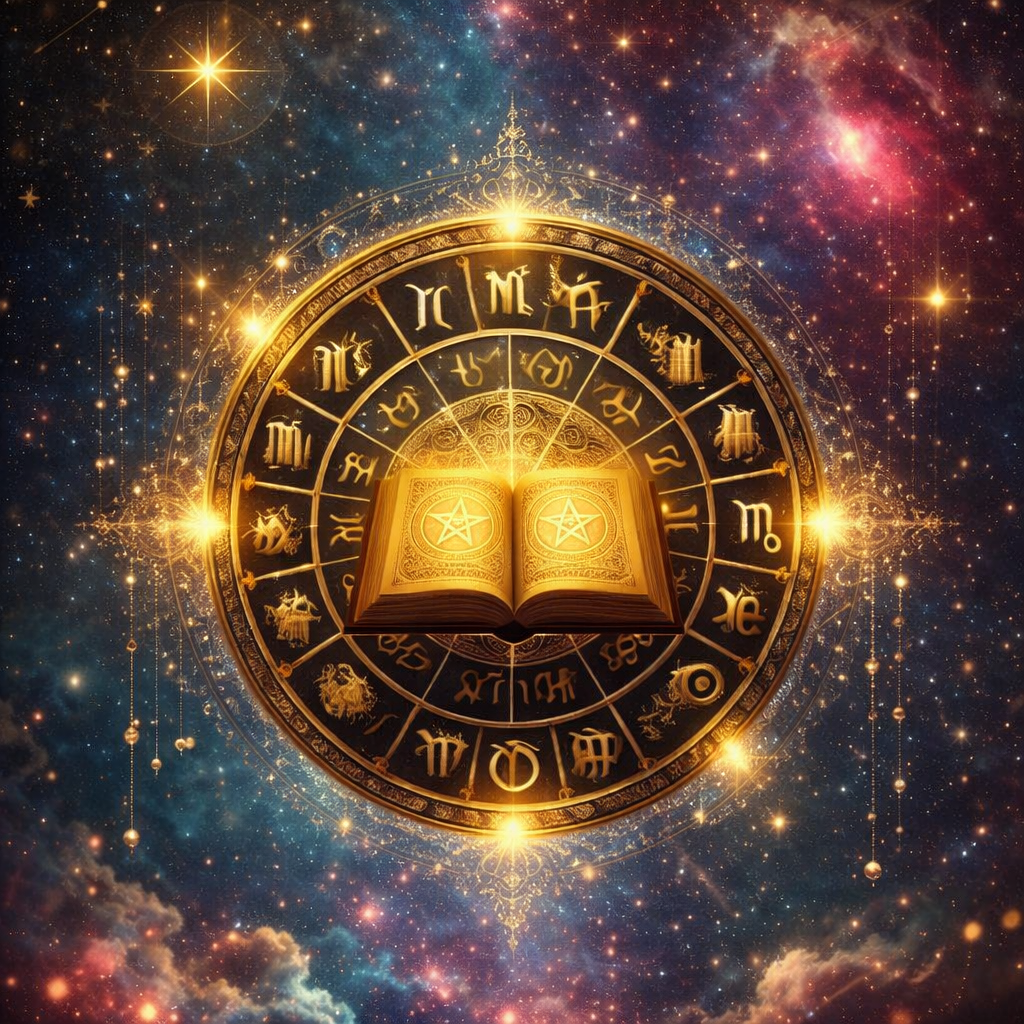

Sophia Crane (Associate Editor) — Anita Yasuda's 'Jade Emperor' is a luminous exposition of a foundational myth, illuminating the esoteric threads that bind the Chinese Zodiac to its celestial origins. Yasuda's prose is both accessible and reverent, drawing readers into the mystical narrative of the Jade Emperor's cosmic decree. The book serves as an excellent primer for those seeking to understand the deeper astrological and philosophical currents of this ancient tradition. Its strength lies in its clear presentation of complex concepts, making the profound wisdom of the Zodiac available to a wider audience, particularly young scholars and spiritual seekers.
📝 Description
61
Anita Yasuda's 2011 book explains the Jade Emperor's role in Chinese zodiac mythology.
Anita Yasuda's 'Jade Emperor: A Chinese Zodiac Myth' examines the central figure in Chinese cosmology and his connection to the zodiac. The book details the Jade Emperor's position as the supreme deity who governs the celestial realms and maintains cosmic order. It then focuses on the twelve zodiac animals, explaining their symbolic meaning as archetypes of cosmic energies and human fate. Yasuda draws upon extensive lore to present the hidden knowledge within this myth. The work discusses the philosophical ideas that have influenced Chinese culture over centuries. It offers readers a perspective on a worldview that connects the heavens and human experience. The book invites an understanding of time's cycles, life's governing forces, and the ancient pursuit of balance between people and the divine.
This work sits within the tradition of Chinese folk religion and Daoism, traditions that often connect celestial bodies and their perceived influences with human life. The Jade Emperor is a significant figure in the pantheon of Chinese deities, and his association with the zodiac animals forms a cornerstone of popular belief and astrological practices. The book examines how these beliefs have shaped a worldview where the macrocosm (the heavens) and the microcosm (human life) are seen as interconnected, a common theme in esoteric traditions seeking to understand universal order and individual place within it.
💡 Why Read This Book?
Uncover the mystical origins of the Chinese Zodiac and the supreme power of the Jade Emperor. This book offers profound insights into ancient Chinese cosmology, astrological archetypes, and the cyclical nature of existence. Ideal for spiritual seekers, mythology enthusiasts, and anyone curious about the hidden wisdom woven into the fabric of Eastern traditions.
⭐ Reader Reviews
Honest opinions from readers who have explored this book.
❓ Frequently Asked Questions
Who is the Jade Emperor in Chinese mythology?
The Jade Emperor is the supreme deity in Chinese folk religion and Taoism, ruling over the heavens and all celestial beings. He is often depicted as a benevolent but powerful sovereign who governs the universe.
What is the significance of the Chinese Zodiac?
The Chinese Zodiac is a cyclical system based on twelve animals, each representing a year and embodying distinct personality traits and destinies. It is a fundamental aspect of Chinese astrology and cultural identity.
How does this book explain the Jade Emperor's role?
The book explores the Jade Emperor's pivotal role in establishing the order of the heavens and instituting the twelve-year cycle of the zodiac, revealing his power over cosmic time and earthly affairs.
Is this book suitable for young readers?
Yes, the book is written in an engaging and accessible style, making the rich mythology and symbolism of the Chinese Zodiac understandable and enjoyable for juvenile readers interested in legends and astrology.
What esoteric knowledge can be gained from this book?
Readers can gain esoteric knowledge about the symbolic meanings of each zodiac animal, the philosophical concepts of cosmic harmony, and the ancient beliefs connecting celestial events to human lives.
🔮 Key Themes & Symbolism
The Celestial Sovereign: Power and Order
This theme looks at the profound authority and cosmic governance of the Jade Emperor, the supreme ruler of the celestial pantheon. It explores his role in establishing and maintaining universal order, from the grand cycles of time to the intricate relationships between humans and the divine. The narrative illuminates how his decrees shape destiny and influence the very fabric of existence, offering a glimpse into a hierarchical and harmonious cosmic structure that has captivated minds for centuries. This section provides insight into the philosophical underpinnings of divine right and celestial law.
Archetypes of the Zodiac: Cosmic Energies Embodied
This theme unravels the potent symbolism of the twelve zodiac animals, presenting them not merely as creatures but as profound archetypes embodying distinct cosmic energies and human characteristics. Each animal is explored as a unique manifestation of celestial forces, influencing personality, fortune, and the flow of time. The narrative invites readers to understand how these ancient symbols serve as keys to unlocking deeper insights into human nature, interpersonal dynamics, and the cyclical journey of life, offering a collection of symbolic meaning.
The Interconnectedness of Heaven and Earth
This theme explores the profound philosophical concept of 'Tian Ren He Yi' – the unity of heaven and humanity – as it is woven into the Jade Emperor myth. It highlights how the actions and emanations from the celestial realm, personified by the Jade Emperor and the Zodiac, directly influence and reflect the human experience on Earth. The narrative emphasizes the ancient Chinese belief in a universe where cosmic patterns and earthly events are in constant dialogue, fostering a sense of interconnectedness and the pursuit of harmony between the macrocosm and the microcosm.
💬 Memorable Quotes
Direct passages from the work, attributed to the author.
“Each creature bore a celestial mark, a whisper of destiny etched in the starlight.”
— This emphasizes the inherent connection between the zodiac animals and their predetermined fate, linking them to the divine.
“In the Emperor's gaze, the range of fate was meticulously woven, thread by celestial thread.”
— This highlights the intricate and divinely orchestrated nature of destiny as overseen by the Jade Emperor.
“The wheel of the year turned, carrying the wisdom of ages in its silent rotation.”
— This metaphor speaks to the cyclical nature of time and the accumulated knowledge embedded within the turning zodiac.
“From the Emperor's court, the currents of fortune flowed, touching every corner of the earthly realm.”
— This illustrates the far-reaching influence of the heavenly administration on the lives and destinies of mortals.
💡 Key Ideas
Editorial paraphrase of the work's core concepts — not direct quotes.
The celestial decree echoed through the heavens, shaping the very rhythm of time.
This quote signifies the absolute power and foundational influence of the Jade Emperor's pronouncements on the cosmic order.
🌙 Esoteric Significance
Tradition
This book looks at the esoteric traditions of Taoism and Chinese folk religion, where the Jade Emperor is revered as the supreme ruler of the celestial bureaucracy. The myth serves as a foundational text for understanding the principles of cosmic order, the flow of Qi (vital energy), and the interconnectedness of all things within the universe. It offers insights into ancient Chinese astrological practices and the belief in a divinely ordained system that governs both celestial phenomena and human affairs.
Symbolism
The Jade Emperor himself symbolizes ultimate authority, cosmic law, and the supreme consciousness that orchestrates existence. The twelve zodiac animals are potent symbols representing distinct energetic qualities, archetypal personalities, and phases of the cosmic cycle. Their arrangement and interaction within the myth reveal intricate patterns of influence, compatibility, and conflict, serving as a symbolic language for understanding the dynamics of the universe and human nature.
Modern Relevance
In a world often seeking meaning and order, the Jade Emperor myth offers enduring wisdom on leadership, cosmic cycles, and the interconnectedness of life. Understanding the zodiac archetypes provides a lens for self-discovery and enhanced interpersonal relationships. The myth's emphasis on harmony between humanity and the cosmos speaks to contemporary desires for balance and spiritual grounding, offering ancient insights applicable to modern challenges of finding one's place in the grand scheme of existence.
👥 Who Should Read This Book
This enchanting book is a treasure for a diverse range of readers. **Beginners** in Eastern mythology and astrology will find it an accessible and captivating introduction to the foundational myth of the Chinese Zodiac. **Scholars** of comparative mythology and religious studies will appreciate its distillation of rich cultural lore. **Spiritual seekers** and those interested in astrology will discover clear insights into archetypal energies and cosmic cycles. **Practitioners** of Eastern philosophies and divination arts can use it as a foundational text to deepen their understanding of the celestial influences that shape our world.
📜 Historical Context
The myth of the Jade Emperor and the Chinese Zodiac is deeply rooted in ancient Chinese cosmology and philosophy, likely evolving over centuries and drawing from various cultural influences, including Taoism and folk beliefs. Its origins can be traced back to the Han Dynasty (206 BCE – 220 CE) and earlier, a period characterized by a burgeoning interest in astronomy, astrology, and the organization of the cosmos. The establishment of the twelve-year zodiac cycle, purportedly decreed by the Jade Emperor, served to structure time, guide agricultural practices, and offer a framework for understanding human destiny and personality. This period saw the integration of celestial observations with spiritual beliefs, creating a complex system that permeated daily life, governance, and the arts, reflecting a profound desire to align earthly existence with the perceived order of the heavens.
📔 Journal Prompts
Reflect on the animal that represents your birth year. What core traits does it embody, and how do they manifest in your life?
Consider the concept of cosmic order presented in the myth. How does the idea of a celestial ruler influence your perception of the universe?
What does the cyclical nature of the zodiac represent to you personally, and how do you experience cycles in your own life?
If you could ask the Jade Emperor one question about your destiny, what would it be and why?
Explore the symbolic meaning of one of the less familiar zodiac animals. What hidden wisdom might it offer?
🗂️ Glossary
Jade Emperor
The supreme deity in Chinese mythology, ruler of the heavens and orchestrator of the cosmic order, including the Chinese Zodiac.
Chinese Zodiac
A cyclical astrological system based on twelve animals, each representing a year and embodying specific characteristics and influences.
Cosmology
The study of the origin, evolution, and structure of the universe, often incorporating philosophical and spiritual beliefs.
Archetype
A fundamental, universal pattern of behavior or symbolic representation that recurs across cultures and time, often embodying core human experiences.
Qi
In Chinese philosophy, the vital life force or energy that flows through all things, influencing health, vitality, and the natural world.
This book appears in 2 collections
🔮 Readers Also Liked
Browse all →







More by Anita Yasuda
All books →
From the “Astrology” Collection
View all →









More Free Astrology & Cosmology Books
View all →