Understanding Chinese Astrology
Chinese astrology is a complex system based on a 12-year cycle, with each year represented by an animal sign. These signs are further influenced by the five elements (Wood, Fire, Earth, Metal, Water) and Yin/Yang principles, creating a detailed framework for analyzing personality, relationships, and future events. Unlike Western astrology, which is based on constellations, Chinese astrology relies on the lunar calendar and planetary movements, offering a unique perspective on cosmic influence.
Best Books for Complete Beginners
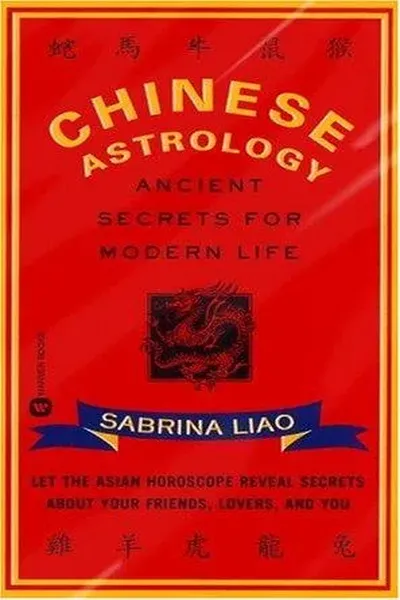
For those new to the subject, 'Simple Chinese astrology' by Damian Sharp offers a clear entry point. 'Little Chinese Astrology Book' by George R. Siciliano breaks down core concepts accessibly. 'Chinese Astrology (Gemstar)' by Sabrina Liao provides a straightforward introduction to the animal signs and their characteristics. 'In Focus Chinese Astrology' by Sasha Fenton is another excellent starting point, clarifying the basics. Finally, 'Chinese Astrology' by Paula Delsol presents a solid overview for newcomers.
Intermediate Reading
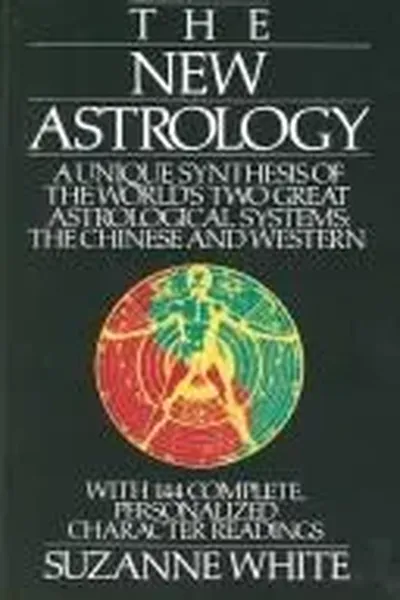
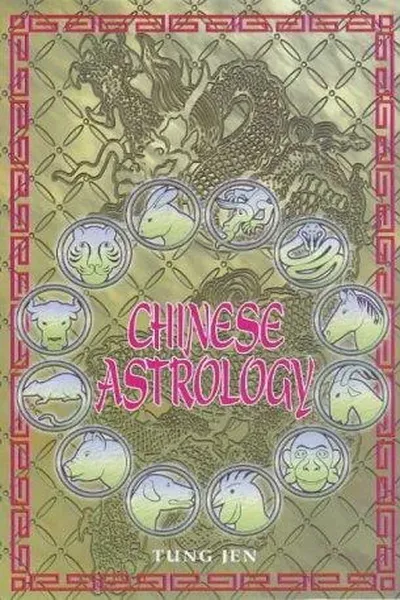
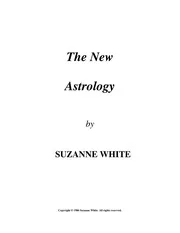
Students ready to delve deeper will find value in 'The New Chinese Astrology' by Suzanne White, which expands on foundational knowledge. 'Tung Jen's Chinese astrology' by Dong Ren offers traditional perspectives. 'The marvellous Chinese astrology' by Yu-Fucius provides a rich exploration of the subject. 'Secrets of Chinese astrology' by Kwan, Lau. explores more nuanced interpretations and applications. 'Chinese Astrology Bible' by Derek Walters serves as a comprehensive reference for intermediate students.
Classical / Advanced Texts
Serious students can engage with primary source material and advanced interpretations. 'The Chinese astrology workbook' by Derek Walters offers practical exercises for mastery. 'Ming shu' by Derek Walters explores specific techniques and calculations. 'Hexagram-Allocated Table of Shao Yong’s 129,600-Year Supreme World-Ordering Principles' by Pāramitā Publishing Studio (2020) presents a highly detailed, systematic approach to cosmic cycles. 'Complete Handbook of Chinese Astrology' by Stan Ginsberg is an exhaustive resource for advanced study.
Reading Order — Step by Step
Begin with 'Simple Chinese astrology' by Damian Sharp or 'Little Chinese Astrology Book' by George R. Siciliano in Week 1-2 to grasp the 12 animal signs and basic elements. Move to 'The New Chinese Astrology' by Suzanne White or 'Chinese Astrology Bible' by Derek Walters in Month 2 for a broader understanding of interactions and interpretations. By Month 3, tackle 'The Chinese astrology workbook' by Derek Walters or 'Complete Handbook of Chinese Astrology' by Stan Ginsberg to practice calculations and advanced concepts. Continue with specialized texts like 'Chinese Astrology and Astronomy' by Xiaoyuan Jiang for historical and scientific context.
Frequently Asked Questions
Which Chinese astrology book should I read first?
For a complete beginner, 'Simple Chinese astrology' by Damian Sharp or 'Little Chinese Astrology Book' by George R. Siciliano are excellent starting points due to their clear and accessible explanations of the core concepts.
What is the difference between Chinese and Western astrology?
Chinese astrology is based on a 12-year cycle of animal signs and the lunar calendar, focusing on elemental interactions. Western astrology uses a 12-month cycle based on constellations and the solar calendar, focusing on planetary positions.
How do the Five Elements work in Chinese astrology?
The Five Elements (Wood, Fire, Earth, Metal, Water) interact in productive and destructive cycles, influencing the characteristics of the animal signs and creating complex dynamics in a person's chart.
Is Chinese astrology deterministic?
While Chinese astrology offers insights into potential tendencies and influences, it is generally viewed as a system of understanding potentials rather than a fixed destiny. Personal choices and actions play a significant role.
How can I find my Chinese animal sign?
Your Chinese animal sign is determined by your birth year according to the Chinese lunar calendar. You can find charts online or in introductory books like 'Simple Chinese astrology' by Damian Sharp.
What is BaZi (Eight Characters)?
BaZi, or Eight Characters, is a detailed Chinese astrological system that uses four pairs of characters representing the year, month, day, and hour of birth to create a personal chart for in-depth analysis.
Are there books that explain the historical origins?
'Chinese Astrology and Astronomy' by Xiaoyuan Jiang could offer historical context, connecting astrological practices with astronomical observations throughout Chinese history.
Where can I find advanced calculation methods?
For advanced calculations, 'The Chinese astrology workbook' by Derek Walters and 'Complete Handbook of Chinese Astrology' by Stan Ginsberg provide detailed instructions and exercises for mastering complex chart analysis.