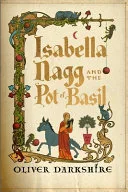
Isabella Nagg and the Pot of Basil: A Delightfully Witty Cosy Fantasy
 84
84

Isabella Nagg and the Pot of Basil: A Delightfully Witty Cosy Fantasy
Oliver Darkshire's "Isabella Nagg and the Pot of Basil" offers a refreshing draught of whimsy, proving that the most potent magic often resides in the quiet corners of existence. The narrative's strength lies in its impeccably dry wit, particularly in the internal monologues and understated observations of its protagonist, Isabella Nagg. Darkshire has a knack for imbuing ordinary objects with a peculiar sentience, a skill most evident in the titular pot of basil, which becomes far more than mere flora. A minor quibble might be the pacing in the middle act; while deliberate, it occasionally borders on languid, momentarily dimming the spark of the narrative's otherwise lively charm. The passage detailing Isabella's attempts to communicate with the basil plant, treating it with the solemnity of a diplomatic envoy, perfectly encapsulates the book's unique blend of the absurd and the earnest. Ultimately, this novel is a delightful confection, best savored slowly.
📝 Description
84
Oliver Darkshire's 2025 novel, Isabella Nagg and the Pot of Basil, offers a cosy fantasy with an unusual flavour.
This book follows Isabella Nagg, a character whose life takes an unexpected turn with the introduction of a magical pot of basil. The narrative focuses on the small, strange occurrences that disrupt an otherwise ordinary existence. It is a story built on atmosphere and the quiet magic found in everyday settings, rather than grand adventures or high stakes. The author uses gentle humour and relatable character development to draw readers into Isabella's world. It is a deliberate departure from epic fantasy, aiming instead for an intimate and resonant experience.
The novel taps into a contemporary interest in narratives that blend the uncanny with the familiar, a trend that echoes earlier folklore and fairy tale traditions. It reinterprets these older forms for a modern audience that appreciates subtler forms of magic. The book's focus on 'found magic' and 'domestic enchantment' suggests a belief in the inherent magic within ordinary objects and routines, aligning with certain folk magic practices that find power in the everyday.
💡 Why Read This Book?
• You will learn to perceive the subtle enchantments woven into domesticity, understanding how everyday objects and routines can harbor hidden significance, as explored through Isabella's interactions with her sentient pot of basil. • You will gain an appreciation for narrative pacing that prioritizes atmosphere and character introspection, moving beyond conventional plot-driven fantasy, exemplified by the book's deliberate unfolding of its gentle mysteries. • You will experience a unique brand of humour that arises from the juxtaposition of the mundane and the magical, finding amusement in Isabella's earnest approach to the peculiar, a style reminiscent of early 21st-century cosy fantasy authors.
⭐ Reader Reviews
Honest opinions from readers who have explored this book.
❓ Frequently Asked Questions
What is the primary magical concept in "Isabella Nagg and the Pot of Basil"?
The book centers on "found magic" and "sympathetic resonance." It explores how ordinary objects, like the pot of basil, can develop a form of sentience or connection to their caretakers, revealing magic within the mundane.
Who is Oliver Darkshire and when was this book published?
Oliver Darkshire is the author of "Isabella Nagg and the Pot of Basil." The book was first published on June 19, 2025, placing it within contemporary cosy fantasy literature.
Does this book feature complex magical systems or intricate world-building?
No, the focus is on "domestic enchantment." The magic is subtle, character-driven, and integrated into the everyday, rather than relying on complex spell systems or expansive world-building.
What kind of tone should I expect from this novel?
Expect a delightfully witty and gently peculiar tone. The humour is often dry and arises from the earnestness with which characters approach the subtly magical elements of their lives.
Is "Isabella Nagg and the Pot of Basil" part of a series?
As of its 2025 publication, "Isabella Nagg and the Pot of Basil" is presented as a standalone novel. Its focus is on a contained narrative and character study.
What makes this book 'cosy fantasy'?
It embodies cosy fantasy through its emphasis on comfort, low stakes, relatable characters, and a gentle, often whimsical, magical element integrated into everyday life, rather than grand conflicts.
🔮 Key Themes & Symbolism
The Magic in the Mundane
This theme examines how "found magic" permeates everyday existence. Isabella Nagg's interactions with her pot of basil highlight this, suggesting that enchantment isn't confined to grand spells but can be discovered in the quiet routines of home and habit. The book posits that attentiveness and a certain disposition can reveal the extraordinary within the ordinary, transforming familiar settings into places of subtle wonder.
Sympathetic Resonance
The narrative explores "sympathetic resonance" as a core magical principle. It posits that objects can hold a connection to individuals, influenced by intention and care. The pot of basil serves as a focal point for this concept, demonstrating how a perceived relationship between a person and an object can foster a tangible, albeit unconventional, form of interaction and understanding.
Domestic Enchantment
This theme focuses on "domestic enchantment," portraying magic as an intrinsic quality of the home environment. Rather than overt displays of power, the magic is subtle, woven into the fabric of daily life, personal spaces, and established routines. It celebrates the quiet magic that can be cultivated through care, habit, and a receptive attitude towards the world within one's own dwelling.
The Art of Observation
Central to the book is the importance of "the art of observation." Isabella's unique perspective allows her to notice the subtle shifts and peculiar occurrences that others might overlook. This theme underscores how heightened awareness and a willingness to engage with the unusual, even in small ways, can unlock deeper connections and richer experiences with the surrounding world.
💬 Memorable Quotes
Direct passages from the work, attributed to the author.
“One must approach a sentient herb with the utmost decorum.”
— This statement playfully underscores the theme of "domestic enchantment." It suggests that even the most peculiar forms of magic require a certain respect and thoughtful engagement, treating the extraordinary within the mundane with a seriousness that borders on the absurd.
“A quiet Tuesday afternoon held more potential for the peculiar than any thunderclap.”
— This interpretation of "found magic" emphasizes that the extraordinary often reveals itself not in dramatic events but in the overlooked moments of everyday life. It champions a gentle, observant approach to discovering wonder.
“The pot seemed to sigh, a faint rustle of leaves.”
— This sensory detail illustrates "sympathetic resonance" in action. It gives the inanimate object a subtle, organic response, suggesting a deep, almost unconscious, connection and communication between Isabella and her basil plant.
“Routine, when properly considered, is a form of quiet ritual.”
— This reflects the concept of "domestic enchantment," elevating everyday practices to a level of subtle magical significance. It suggests that consistent, mindful action can imbue ordinary life with a deeper, more meaningful quality.
💡 Key Ideas
Editorial paraphrase of the work's core concepts — not direct quotes.
The basil plant, I suspect, has opinions.
This line expresses the book's core conceit: the attribution of sentience and personality to ordinary objects. It humorously highlights Isabella's unique perspective and the subtle, almost personified, nature of the magical elements she encounters.
🌙 Esoteric Significance
Tradition
While not explicitly tied to a single esoteric lineage, "Isabella Nagg and the Pot of Basil" appeals to traditions that emphasize immanent magic and the sacredness of the everyday. It echoes aspects of animism and folk magic, where natural objects and domestic spaces are understood to possess inherent spiritual qualities. The work departs from more formal ceremonial magic, focusing instead on intuitive connection and the magic found through mindful living and personal disposition.
Symbolism
The titular pot of basil serves as a primary symbol, representing "found magic" and the potential for sentience and connection in the natural world. It embodies the concept of "sympathetic resonance," acting as a conduit for the protagonist's intentions and emotional state. The domestic setting itself symbolizes a space where "domestic enchantment" can flourish, suggesting that the home can be a locus of subtle, personal magic when approached with awareness.
Modern Relevance
Contemporary practitioners of mindfulness and slow living find resonance in Darkshire's work, particularly its emphasis on attentive observation and finding wonder in the mundane. The book's gentle approach to the peculiar aligns with a modern desire for "gentle fantasy" and narratives that offer comfort and escapism without resorting to high-stakes conflict. Thinkers exploring eco-spirituality and the interconnectedness of all things may also find thematic parallels in its portrayal of a living, responsive world.
👥 Who Should Read This Book
• Readers seeking gentle fantasy that prioritizes character and atmosphere over grand conflict, offering a comforting and witty escape into a subtly magical world. • Aspiring practitioners of "found magic" and "domestic enchantment," who are interested in exploring how everyday objects and routines can be imbued with personal significance and subtle wonder. • Fans of authors like T. Kingfisher or Alix E. Harrow, who appreciate narratives that blend whimsy, dry humour, and a touch of the uncanny within relatable, grounded settings.
📜 Historical Context
Oliver Darkshire's "Isabella Nagg and the Pot of Basil," published in 2025, emerges within a literary climate that has seen a significant resurgence in cosy fantasy and a broader appreciation for quietly magical narratives. This trend can be seen as a counterpoint to the often high-stakes, conflict-driven genres that dominated earlier decades. While not directly engaging with a specific historical movement like the Victorian occult revival or the mid-20th century rise of Gnosticism in literature, Darkshire's work taps into an enduring fascination with the uncanny that often lurks beneath the surface of the ordinary. Its gentle, character-focused approach finds kinship with authors like E.F. Benson or Arthur Machen in their quieter, more atmospheric explorations of the strange, though Darkshire's tone is distinctly more whimsical and less overtly unsettling. The book's reception has been noted for its appreciation of its combination of understated humour and subtle enchantment, differentiating it from more overtly fantastical works.
📔 Journal Prompts
The pot of basil's perceived opinions: What might your own potted plants or household objects "think" if they could?
Isabella's approach to the peculiar: How can a "quiet Tuesday afternoon" be cultivated for discovering the unusual?
Domestic enchantment: Identify one routine in your home that could be viewed as a "quiet ritual."
Sympathetic resonance: Reflect on an object you feel a particular connection to; what qualities does it possess?
The art of observation: What subtle details in your immediate surroundings might you be overlooking?
🗂️ Glossary
Found Magic
A concept suggesting that magical or extraordinary phenomena are not necessarily rare or hidden, but can be discovered within the ordinary occurrences and objects of everyday life through attentiveness.
Sympathetic Resonance
The idea that objects or beings can share a connection or influence each other based on similarity, intention, or proximity, allowing for subtle forms of communication or interaction.
Domestic Enchantment
The practice or perception of magic within the home environment, focusing on the inherent enchantment of familiar spaces, routines, and objects rather than external or ceremonial magic.
Cosy Fantasy
A subgenre of fantasy characterized by low stakes, comforting settings, relatable characters, and a focus on atmosphere and gentle magic rather than high-stakes conflict or epic quests.
The Art of Observation
A deliberate practice of heightened awareness and careful attention to one's surroundings, enabling the perception of subtle details, hidden meanings, or unusual phenomena.
Peculiar
In the context of the book, 'peculiar' refers to the subtly strange, the uncanny, or the mildly magical that manifests within the ordinary, often requiring a unique perspective to notice.
Sentient Herb
A descriptive term used humorously within the narrative to refer to the pot of basil, implying it possesses a form of awareness, personality, or agency beyond that of a typical plant.