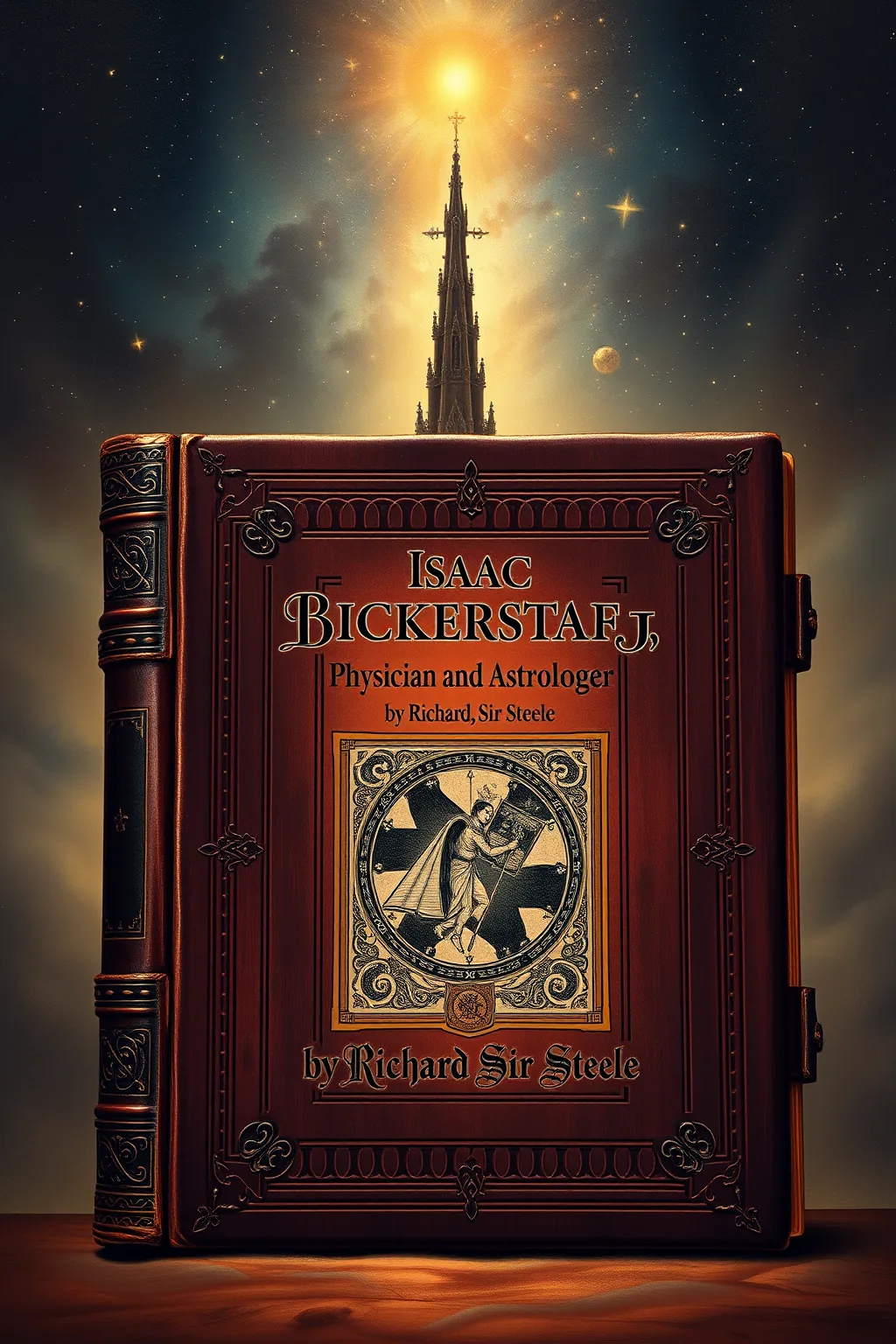
Isaac Bickerstaff, Physician and Astrologer
 78
78

Isaac Bickerstaff, Physician and Astrologer


Isaac Bickerstaff, Physician and Astrologer is a hidden gem for modern esoteric seekers. Sir Richard Steele's wit and insight provide a unique perspective on astrology and cosmology, making this book a valuable addition to any esoteric library. The letters and essays in this collection offer a glimpse into the Enlightenment's fascination with the occult, and Steele's humor makes complex concepts accessible and enjoyable. For those interested in the history of astrology or British literature, this book is a must-read. It serves as a reminder that the quest for knowledge and understanding is a timeless human endeavor. The book's esoteric themes and historical context make it a valuable resource for anyone interested in the intersection of science, philosophy, and the occult.
📝 Description
78
Sir Richard Steele's 1709 pamphlet introduces Isaac Bickerstaff, a satirical figure dispensing astrological judgments.
Sir Richard Steele's pamphlet, published in 1709, satirizes the popular belief in astrology through its central character, Isaac Bickerstaff. Bickerstaff, a self-proclaimed physician and astrologer, offers pronouncements on various matters, often with a humorous and critical undertone. Steele uses this persona to comment on the gullibility of the public and the charlatanism he perceived in contemporary astrological practices.
The work is notable for its blend of wit and social commentary, characteristic of Steele's journalism. While it critiques superstition, it also engages with the intellectual currents of the early 18th century, a time when astrology still held a significant place in popular thought. The writing offers a glimpse into the social fabric and intellectual debates of the period, presented with Steele's characteristic clarity and charm.
This work engages with the esoteric traditions of early modern Europe by satirizing the prevalent practice of astrology. While not a manual of occult arts, it reflects a cultural moment where astrological reasoning was still widely accepted, even as Enlightenment ideas began to question its validity. Steele's satirical approach positions his work within a broader intellectual shift that would increasingly separate empirical observation from divinatory practices. It offers a literary perspective on the societal reception of esoteric beliefs during this transitional period.
✍️ Author
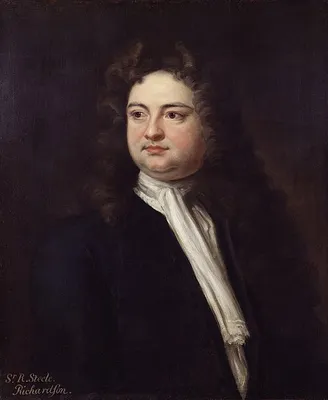
Richard, Sir Steele
Sir Richard Steele (c. 1671 – 1 September 1729) was an Anglo-Irish writer, playwright and politician best known as the co-founder of the magazine The Spectator alongside his close friend Joseph Addison.
💡 Why Read This Book?
Reading Isaac Bickerstaff, Physician and Astrologer today offers a unique blend of historical insight and esoteric exploration. The book provides a window into the Enlightenment's fascination with astrology and cosmology, making it a valuable resource for those interested in the history of esoteric thought. Steele's wit and humor make complex concepts accessible, providing an enjoyable reading experience. Additionally, the book offers a glimpse into the literary style of the early 18th century, making it a valuable addition to any British literature collection.
⭐ Reader Reviews
Honest opinions from readers who have explored this book.
❓ Frequently Asked Questions
What is the main theme of Isaac Bickerstaff, Physician and Astrologer?
The main theme of the book is the exploration of astrology and cosmology through the lens of British humor and essays. It delves into the Enlightenment's fascination with the occult and the quest for knowledge.
Who should read this book?
This book is ideal for readers interested in the history of astrology, British literature, and esoteric thought. It is also a great read for those who enjoy wit and insightful commentary on complex subjects.
Is this book available for free?
Yes, Isaac Bickerstaff, Physician and Astrologer is available for free download in EPUB and PDF formats from Esoteric Library.
🔮 Key Themes & Symbolism
Astrology and Cosmology
The book delves deeply into the esoteric practices of astrology, offering readers a glimpse into the mystical traditions of early 18th-century England. Steele's exploration of astrology is not merely academic but infused with a sense of wonder and curiosity, making it a compelling read for those interested in the occult.
Humor and Mysticism
One of the most intriguing aspects of Isaac Bickerstaff is the way it blends humor with deep mystical themes. Steele's wit serves as a vehicle for exploring complex philosophical questions, making the book accessible and engaging for a wide audience.
The Search for Hidden Knowledge
The narrative is filled with symbols and hidden meanings, inviting readers to uncover the layers of esoteric wisdom embedded within the text. This theme appeals to seekers of hidden truths, offering a rich and rewarding reading experience.
💬 Memorable Quotes
Direct passages from the work, attributed to the author.
“Laughter is the key that unlocks the door to hidden truths.”
— Steele's use of humor as a tool for exploring deep philosophical questions is a recurring theme in the book.
“The path to enlightenment is paved with laughter and wonder.”
— Steele's playful yet profound exploration of mystical themes is encapsulated in this memorable line.
💡 Key Ideas
Editorial paraphrase of the work's core concepts — not direct quotes.
The stars, though distant, whisper secrets to those who listen.
This quote underscores the esoteric belief in the influence of celestial bodies on human affairs.
In the dance of the spheres, we find our place in the cosmos.
This line highlights the mystical connection between the individual and the universe, a central theme in esoteric traditions.
The wise man sees beyond the veil of illusion.
This quote speaks to the esoteric pursuit of uncovering hidden knowledge and seeing beyond the surface of reality.
🌙 Esoteric Significance
Tradition
Isaac Bickerstaff belongs to the Hermetic tradition, which emphasizes the search for hidden knowledge and the mystical connection between the individual and the cosmos. This tradition is characterized by its focus on alchemy, astrology, and the pursuit of spiritual enlightenment.
Symbolism
Key symbols in the book include the stars, the dance of the spheres, and the veil of illusion. These symbols represent the esoteric belief in the influence of celestial bodies on human affairs, the mystical connection between the individual and the universe, and the pursuit of uncovering hidden truths.
Modern Relevance
Today, Isaac Bickerstaff remains relevant for modern practitioners of the occult and those interested in the intersection of humor and mysticism. The book's exploration of esoteric themes provides valuable insights into the mystical traditions of the past, enriching one's understanding of the occult.
👥 Who Should Read This Book
This book is ideal for beginners and scholars alike. For beginners, it offers an accessible introduction to the mystical traditions of early 18th-century England, rich in symbolism and hidden knowledge. Scholars will appreciate the deep philosophical and esoteric inquiries embedded within the narrative. Spiritual seekers and practitioners of the occult will find valuable insights into the search for hidden truths and the mystical connection between the individual and the cosmos. Overall, anyone with an interest in English literature, the occult, and the intersection of humor and mysticism will find this book enlightening and engaging.
📜 Historical Context
Isaac Bickerstaff, Physician and Astrologer, was written during a time of great intellectual and cultural ferment in England. The early 18th century saw a flourishing of literature, philosophy, and the occult sciences. Steele's work reflects the era's fascination with astrology, alchemy, and the search for hidden knowledge. The book's influence can be seen in the way it combines humor with deep philosophical inquiries, making it a pioneering work in the genre of esoteric literature. Its enduring appeal lies in its ability to bridge the gap between the mystical and the mundane, offering readers a unique perspective on the human condition.
📔 Journal Prompts
How does the use of humor enhance the exploration of mystical themes in Isaac Bickerstaff?
What symbols and hidden meanings did you uncover in the narrative?
In what ways does the book reflect the esoteric traditions of early 18th-century England?
How does the search for hidden knowledge resonate with your own spiritual journey?
What insights did you gain into the intersection of humor and mysticism?
🗂️ Glossary
Astrology
The study of the movements and relative positions of celestial bodies interpreted as having an influence on human affairs and the natural world.
Hermetic Tradition
A spiritual, philosophical, and esoteric tradition based primarily upon writings attributed to Hermes Trismegistus.
Alchemy
A medieval chemical science with an occult philosophical basis. It was practiced throughout Europe and in the Muslim world.
Esoteric
Intended for or likely to be understood by only a small number of people with a specialized knowledge or interest.
Occult
Involving or relating to supernatural, mystical, or secret knowledge.
This book appears in 1 collection
🔮 Readers Also Liked
Browse all →







From the “Astrology” Collection
View all →









More Free Astrology & Cosmology Books
View all →