In the Company of Wolves (SWAT
 71
71

In the Company of Wolves (SWAT
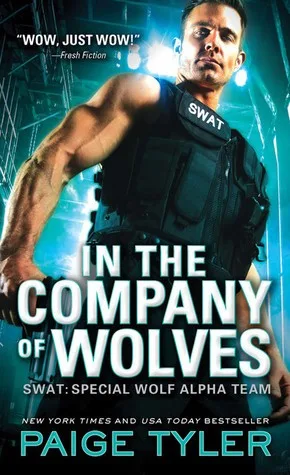
Paige Tyler's "In the Company of Wolves" plunges readers into the world of werewolves with a narrative that prioritizes romance and pack dynamics. The strength of the novel lies in its ability to create a palpable sense of tension between the protagonists, fueled by both external threats and their own internal struggles with their shifter natures. The depiction of the werewolf pack as a complex social unit, bound by loyalty and hierarchy, offers an engaging backdrop to the central romance. However, the plot can sometimes feel derivative of established paranormal romance tropes, with predictable turns in the narrative arc. A particularly memorable element is the internal conflict of the male protagonist, torn between his protective instincts as an alpha and his burgeoning feelings for the human protagonist, a conflict that is central to the book's emotional core. Ultimately, the novel delivers a solid, if conventional, entry into the werewolf romance subgenre.
📝 Description
71
Paige Tyler's 2015 novel 'In the Company of Wolves' centers on an FBI agent entangled with a werewolf pack.
Published in 2015, Paige Tyler's novel "In the Company of Wolves" falls within the paranormal romance genre, focusing on shapeshifters. The story follows an FBI agent who becomes involved with a werewolf pack. While not a traditional esoteric text, the book touches on themes of primal instincts, pack dynamics, and the transformation of its characters, which can resonate with certain ideas about animism and the human connection to the wild.
The narrative appeals to readers of paranormal romance, urban fantasy, and stories that blend romance with action and supernatural elements. It is particularly suited for those who enjoy character-driven plots that emphasize the relationships between humans and non-human beings, especially werewolves. The novel offers escapist fiction with suspense and emotional depth.
While "In the Company of Wolves" is primarily a work of paranormal romance, its focus on werewolf pack dynamics and the primal nature of its characters touches upon themes that echo aspects of animism. The concept of the 'alpha' and the inherent hierarchy within the pack can be seen as a fictionalized exploration of leadership and social structures found in nature. The struggle between civilized behavior and the beastly urges within the characters also resonates with broader discussions on the human psyche's relationship with its wilder, more instinctual self, a common thread in various esoteric traditions that examine the animalistic aspects of human existence.
💡 Why Read This Book?
• You will experience the intricate social structure and alpha hierarchy of a werewolf pack, a core element in Tyler's 2015 novel, offering a specific look at pack law. • You will feel the tension of primal instincts clashing with civilized behavior as characters navigate their dual natures, a key theme explored throughout the narrative. • You will understand the unique challenges of human-supernatural relationships within a world where loyalty and chosen family are paramount, as depicted in the novel's central conflicts.
⭐ Reader Reviews
Honest opinions from readers who have explored this book.
❓ Frequently Asked Questions
What year was "In the Company of Wolves" by Paige Tyler first published?
"In the Company of Wolves" by Paige Tyler was first published in 2015. This places it within the contemporary era of paranormal romance literature.
Are there explicit esoteric or occult themes in "In the Company of Wolves"?
While the book explores themes of transformation, primal instinct, and pack dynamics, it is primarily a paranormal romance, not an esoteric text in the traditional sense. Its focus is on supernatural beings within a fictional context.
What is the primary genre of Paige Tyler's "In the Company of Wolves"?
The primary genre of "In the Company of Wolves" is paranormal romance, often categorized within urban fantasy, featuring werewolves as central characters.
Does the book feature a specific type of shapeshifter?
Yes, the book prominently features werewolves. The narrative explores their pack structure, hierarchy, and inherent supernatural abilities.
Who are the main characters in "In the Company of Wolves"?
The main characters typically include a human protagonist, often an FBI agent, and a dominant werewolf figure who serves as the alpha of his pack. Their relationship forms the core of the story.
What are some common themes found in Paige Tyler's werewolf novels?
Common themes include the struggle between human and beast, strong alpha male characters, pack loyalty, forbidden romance, and the integration of supernatural elements into human society, as seen in works published around 2015.
🔮 Key Themes & Symbolism
Primal Instinct vs. Civilization
The narrative frequently contrasts the raw, instinctual nature of werewolves with the constraints of human society. Characters grapple with urges they cannot fully control, exploring the inherent duality of their existence. This tension is central to their personal journeys and relationships, highlighting how elements of the wild persist even within a structured pack or human interaction. The year 2015 saw continued reader interest in this exploration of the beast within.
Pack Hierarchy and Loyalty
A significant aspect of the book is the detailed depiction of the werewolf pack as a cohesive, yet hierarchical, social unit. The concept of the alpha, beta, and other roles dictates power dynamics and responsibilities. Loyalty to the pack often supersedes individual desires, creating dramatic conflict and underscoring the importance of community, even a supernatural one. This focus on belonging is a recurring element in werewolf lore.
Transformation and Identity
The physical and psychological transformation into a wolf is a defining element for the characters. This process is not merely a biological shift but a profound alteration of identity, challenging the characters' sense of self. They must reconcile their human consciousness with the animalistic instincts that emerge, questioning who they truly are beyond their species designation. This internal struggle is a central to the narrative.
Supernatural Romance Tropes
The novel engages with established tropes of the paranormal romance genre, particularly those involving werewolves. This includes the 'fated mates' concept, the protective alpha male, and the forbidden love between a human and a supernatural being. The interplay of danger, desire, and the eventual commitment forms the romantic arc, appealing to readers familiar with and fond of these conventions prevalent in works from the mid-2010s.
💬 Memorable Quotes
Direct passages from the work, attributed to the author.
“The pack is everything. It's blood, it's family, it's survival.”
— This statement captures the core value system of the werewolf community within the novel. It emphasizes that their social structure transcends mere kinship, representing a fundamental source of identity, support, and existential necessity.
“He was a predator, and she was the prey, but something in her eyes made him hesitate.”
— This highlights the central romantic conflict: the inherent danger posed by the werewolf protagonist towards the human heroine, yet tempered by an unexpected emotional connection that disrupts his natural predatory instincts.
“My human side wants to run, but my wolf wants to stay and protect her.”
— This expresses the internal conflict of a werewolf character torn between fear and caution (human side) and fierce loyalty and possessiveness (wolf side), a common theme in werewolf literature.
“They lived by rules older than man, rules of tooth and claw.”
— This phrase suggests an ancient, primal code governing the werewolves' lives, emphasizing their connection to a wilder, more instinctual existence that predates human civilization and law.
“She saw the wolf in him, not just the man, and somehow, that made her feel safer.”
— This interpretation of a character's perception suggests that recognizing the supernatural, potentially dangerous, nature of the protagonist paradoxically leads to a sense of security, perhaps due to perceived honesty or protective instinct.
🌙 Esoteric Significance
Tradition
While "In the Company of Wolves" is primarily a work of paranormal romance and not a direct esoteric text, its exploration of primal instincts and the human-animal dynamic touches upon themes found in animistic traditions and Jungian psychology. The concept of the 'shadow self,' the untamed, instinctual aspect of the psyche, is implicitly explored through the characters' struggle to integrate their wolf nature. It departs from traditional esoteric lineages by focusing on romantic narrative rather than spiritual development or magical practice.
Symbolism
The wolf itself serves as a potent symbol, representing primal instinct, fierce loyalty, and the wild. The transformation motif symbolizes the shedding of societal constraints and the embracing of one's true, often darker, nature. The pack structure symbolizes community, hierarchy, and the necessity of belonging, reflecting ancient social models that emphasize collective survival over individual isolation.
Modern Relevance
Contemporary urban fantasy and paranormal romance authors continue to draw upon the archetypes and narrative structures popularized by books like Tyler's. The exploration of hybrid identities and the reconciliation of instinct with intellect remains a compelling theme in modern speculative fiction. While not directly cited in academic esoteric circles, the genre's enduring popularity reflects a persistent cultural fascination with the supernatural and the darker, more instinctual aspects of the human psyche.
👥 Who Should Read This Book
• Fans of paranormal romance seeking intense romantic relationships intertwined with supernatural action, particularly those who enjoy werewolf lore. • Readers interested in character-driven stories that explore themes of identity, instinct, and the duality of human and animal nature. • Enthusiasts of urban fantasy who appreciate narratives set in contemporary worlds but featuring supernatural beings and their complex societal structures.
📜 Historical Context
Paige Tyler's "In the Company of Wolves" (2015) arrived during a flourishing period for paranormal romance, a subgenre that had gained substantial traction throughout the 2000s. Authors like J.R. Ward, with her Black Dagger Brotherhood series (begun 2005), had already cemented the appeal of vampire and werewolf romances featuring alpha males and complex supernatural societies. The mid-2010s saw continued reader appetite for these narratives, often blending intense romantic relationships with action and supernatural conflict. While not a direct engagement with esoteric traditions, the genre itself offered a form of modern mythology, reinterpreting ancient archetypes of the beast and the hero for contemporary audiences. The publication year of 2015 placed it alongside numerous other werewolf-themed novels, contributing to a robust market that had been significantly shaped by earlier successes and embraced by a dedicated readership seeking escapist fantasy.
📔 Journal Prompts
The wolf's instinct for pack loyalty: how does this mirror human social bonds?
Reflect on the internal conflict between one's civilized self and primal urges.
Analyze the concept of the 'alpha' and its presence in both fictional packs and human society.
Consider the challenges of maintaining personal identity during significant life transformations.
Explore the symbolic meaning of the wolf in different cultural and literary contexts.
🗂️ Glossary
Werewolf
A mythical or folkloric human with the ability to shapeshift into a wolf or a therianthropic hybrid wolf-like creature, either purposely or after being placed under a curse or affliction (often via bite or scratch).
Alpha
In the context of werewolf packs, the alpha is typically the dominant leader, holding the highest rank and possessing significant authority and responsibility within the group.
Pack
A social group of werewolves, characterized by a hierarchical structure, loyalty, and a collective identity that often supersedes individual desires.
Primal Instinct
Basic, innate urges and behaviors related to survival, reproduction, and dominance, often associated with animalistic nature and untamed emotional responses.
Shapeshifter
A being in mythology, folklore, or fiction that has the ability to alter its physical form into another creature or object.
Urban Fantasy
A genre of fantasy fiction set in a fictionalized version of contemporary urban society. It often incorporates elements of magic, supernatural creatures, and mystery.
Paranormal Romance
A subgenre of both romance and fantasy fiction that involves supernatural elements, such as vampires, werewolves, witches, or ghosts, alongside a central romantic plot.
🔮 Readers Also Liked
Browse all →








More by Paige Tyler
All books →




More Free Occult Philosophy Books
View all →