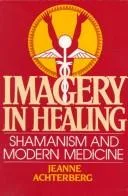
Imagery in Healing
 81
81

Imagery in Healing
Achterberg's "Imagery in Healing" attempts to codify a deeply intuitive process, presenting mental imagery not as a mystical afterthought but as a core therapeutic mechanism. The strength lies in its integration of scientific literature with historical healing practices, lending empirical weight to subjective experiences. For instance, the discussion on how specific imagery can influence immune responses, referencing cellular activity, moves beyond mere suggestion. However, the sheer volume of research cited, while comprehensive, can sometimes dilute the practical application for the lay reader, feeling more like a literature review than a direct instructional manual at points. The concept of the "healing fantasy" is particularly compelling, suggesting that our unconscious narratives about illness and recovery are potent forces. Despite occasional academic density, the book offers a robust argument for the efficacy of focused mental visualization in health.
📝 Description
81
Jeanne Achterberg's 2002 book examines how mental visualization impacts physical health.
Published in 2002, Jeanne Achterberg's "Imagery in Healing" investigates the connection between mental visualization and physical well-being. The book aims to bridge anecdotal healing stories with scientific research, arguing that deliberately crafted mental images are more than a placebo. Achterberg proposes this is a fundamental human ability with real therapeutic effects.
The work offers a structured method for using this innate capacity to help manage illness and reduce pain. It is written for healthcare practitioners, therapists, nurses, and individuals dealing with chronic conditions or looking for pain relief without medication. Readers interested in the history of healing practices and their scientific basis will find substantial content here, particularly those examining the relationship between consciousness, biology, and healing outcomes.
Achterberg places mental imagery within a long tradition of healing practices that predate modern medicine. She draws connections between ancient shamanic techniques and current medical science, referencing early thinkers on the mind-body link. The book's 2002 release coincided with a rise in interest in complementary and alternative medicine, bringing modalities like guided imagery and meditation into wider academic and clinical discussion.
💡 Why Read This Book?
• You will learn the scientific basis for how specific mental images can influence physiological processes, as explored in Achterberg's analysis of immune system responses to visualization. • You will understand the historical lineage of imagery as a healing tool, connecting ancient practices to the "mind-body dialogue" concept detailed in the book. • You will discover techniques for creating effective healing visualizations, moving beyond generic suggestions to the principles outlined for "guided imagery" as discussed in the 2002 publication.
⭐ Reader Reviews
Honest opinions from readers who have explored this book.
❓ Frequently Asked Questions
What is the primary claim of Jeanne Achterberg's "Imagery in Healing"?
The book's primary claim is that the systematic use of mental imagery is a powerful, ancient healing resource with demonstrable positive effects on disease progression and pain management, supported by scientific research.
When was "Imagery in Healing" first published?
Jeanne Achterberg's "Imagery in Healing" was first published on January 15, 2002.
How does the book connect modern science with ancient healing?
It bridges modern scientific research, particularly in psychoneuroimmunology, with the practices of early healers, demonstrating continuity and validation across different eras of therapeutic understanding.
What kind of research does "Imagery in Healing" cite?
The book cites research from fields such as psychology, medicine, and biology, examining how mental states and specific visualizations can impact physical health outcomes and pain perception.
Who is the author, Jeanne Achterberg?
Jeanne Achterberg was a researcher and author known for her work on imagery and healing, often exploring the intersection of consciousness, the body, and therapeutic intervention.
Is "Imagery in Healing" considered a classic in alternative medicine?
Yes, "Imagery in Healing" is widely regarded as a classic in the field of alternative and complementary medicine due to its comprehensive approach and scientific grounding of mind-body healing techniques.
🔮 Key Themes & Symbolism
The Mind-Body Dialogue
Achterberg posits that the mind and body engage in a continuous dialogue, where mental imagery acts as a crucial language. This concept suggests that specific, directed thoughts and visualizations can directly influence physiological processes, affecting everything from immune function to pain signaling. The book argues that by learning to consciously direct this internal communication, individuals can actively participate in their healing, moving beyond passive reception of illness. This dialogue is presented as a fundamental aspect of human physiology, accessible through focused mental effort.
Scientific Validation of Ancient Practices
A significant theme is the rigorous effort to validate ancient healing traditions through modern scientific lenses. Achterberg meticulously gathers evidence from psychology, medicine, and biology to support the efficacy of techniques like visualization, which have been used for millennia. This approach seeks to bridge the perceived divide between esoteric wisdom and empirical understanding, demonstrating that practices once relegated to the mystical realm have tangible, measurable effects on physical health. The book aims to re-establish imagery as a respected therapeutic modality.
Systematic Approach to Visualization
The work moves beyond general notions of positive thinking to offer a structured methodology for using mental imagery therapeutically. Achterberg outlines principles for constructing effective visualizations, emphasizing detail, emotional resonance, and consistent practice. This includes exploring how to create mental scenarios that can influence specific bodily systems or alleviate particular symptoms. The focus is on a deliberate, informed application of imagery as a tool for health management and recovery, rather than an undirected wish.
Imagery as a Healing Resource
Achterberg frames mental imagery as one of the oldest and most potent healing resources available to humanity. The book explores how this innate capacity, often underutilized or dismissed, can be systematically cultivated to influence the course of disease and enhance coping mechanisms for pain. It presents imagery not as a fringe therapy but as a fundamental aspect of human experience that can be harnessed for therapeutic benefit, drawing from both historical accounts and contemporary research findings.
💬 Memorable Quotes
Direct passages from the work, attributed to the author.
“Imagery is the world's oldest and most powerful healing resource.”
— This statement expresses the book's core thesis, positioning mental visualization as a fundamental, primal force in human health that predates and complements modern medical interventions.
“The systematic use of mental imagery can have a positive influence on the course of disease.”
— This highlights the book's focus on deliberate, structured application of visualization techniques, suggesting that it's not random thought but focused mental effort that yields therapeutic results in managing illness.
“Patients can be helped to cope with pain through the use of mental imagery.”
— This points to the practical application of imagery as a tool for pain management, emphasizing its role in enhancing a patient's ability to deal with discomfort and suffering.
“The book brings together modern scientific research and the practices of the earliest healers.”
— This describes the book's methodology, aiming to synthesize empirical findings from contemporary science with the wisdom and techniques of historical healing traditions.
“Imagery is the world's oldest and most powerful healing resource.”
— This assertion underscores the book's argument that mental visualization, a practice found across cultures and throughout history, possesses a profound capacity for promoting health and recovery.
🌙 Esoteric Significance
Tradition
While not strictly adhering to a single esoteric lineage, Achterberg's work draws from universal principles found in Hermeticism, shamanism, and various contemplative traditions that emphasize the power of the mind to influence reality. It appeals to the Hermetic axiom "As above, so below," suggesting a correspondence between internal mental states and external physical conditions. The book bridges these ancient understandings with contemporary scientific paradigms, reinterpreting esoteric concepts through a modern, research-informed lens.
Symbolism
The core symbolism revolves around the "healing fantasy" – the internal narrative or imagery a person constructs about their illness and recovery. This fantasy is seen as a potent symbolic language of the unconscious. Achterberg also implicitly discusses the symbolism inherent in specific visualizations, where an image of a strong, resilient tree might symbolize the body's capacity for regeneration, or a flowing river might represent the unimpeded flow of energy and healing within the system.
Modern Relevance
Achterberg's work remains highly relevant today, influencing contemporary fields such as health psychology, mindfulness-based stress reduction (MBSR), and integrative medicine. Modern practitioners of guided imagery, biofeedback, and even certain forms of energy healing often cite her foundational research. Her emphasis on the scientific validation of mind-body techniques continues to inform therapeutic approaches that seek to empower patients and integrate psychological well-being with physical health outcomes.
👥 Who Should Read This Book
['• Healthcare professionals seeking to integrate mind-body techniques into their practice, such as nurses, therapists, and physicians interested in evidence-based visualization strategies.', '• Individuals managing chronic illnesses or pain who are exploring non-pharmacological methods for symptom relief and improved quality of life.', '• Researchers and students of psychology, medicine, and consciousness studies interested in the scientific underpinnings of healing and the historical context of therapeutic practices.']
📜 Historical Context
Published in 2002, "Imagery in Healing" emerged during a period of burgeoning interest in the mind-body connection within both academic and popular spheres. The rise of psychoneuroimmunology (PNI) in the late 20th century provided a scientific framework for understanding how psychological states could influence physiological processes, a concept explored extensively by Achterberg. This era saw a growing acceptance of complementary and alternative medicine (CAM), challenging the dominance of purely biomedical models. While figures like Herbert Benson had already popularized the "relaxation response" in the 1970s, Achterberg's work offered a more detailed exploration of specific visualization techniques, grounding them in a broader historical context of healing practices. The book's reception was largely positive within CAM circles, though some in the mainstream medical community remained skeptical of non-pharmacological interventions lacking extensive clinical trial data.
📔 Journal Prompts
The specific mental image you construct for healing, and its physiological implications.
Connecting the concept of the "mind-body dialogue" to your personal experiences with illness or wellness.
Analyzing the historical parallels between ancient healing rituals and modern guided imagery techniques.
Exploring the "healing fantasy" that underlies your current health narrative.
Identifying specific physiological changes you aim to influence through directed visualization, as discussed in the 2002 publication.
🗂️ Glossary
Mental Imagery
The process of forming a mental representation or picture of something, whether real or imagined. In healing, it involves deliberately creating sensory-rich visualizations to influence physical and emotional states.
Guided Imagery
A therapeutic technique where a practitioner leads a person through a series of mental images and suggestions, designed to promote relaxation, reduce stress, and facilitate healing.
Mind-Body Dialogue
The concept that the mind (thoughts, emotions, beliefs) and the body (physiology, immune system, physical health) communicate and influence each other continuously.
Healing Fantasy
The unconscious or conscious narrative and imagery an individual holds regarding their illness, recovery process, and potential for healing.
Psychoneuroimmunology (PNI)
The scientific study of the interactions between psychological processes (mind), the nervous system (neuro), and the immune system (immunology).
Visualization
A broader term for creating mental images; in healing contexts, it often implies a purposeful and structured use of these images for therapeutic benefit.
Placebo Effect
A beneficial effect produced by a placebo drug or treatment, which cannot be attributed to the properties of the placebo itself, and must therefore be due to the patient's belief in that treatment.