Hush, hush
 73
73

Hush, hush
Fitzpatrick's Hush, Hush, arriving in 2009, capitalizes on the burgeoning YA paranormal romance trend with a focus on intense, almost obsessive, romantic tension. The novel excels in its atmospheric portrayal of suspense; the constant threat and Nora's growing unease create a palpable sense of danger that propels the narrative forward. Patch, the brooding and secretive love interest, is a classic archetype, embodying both allure and peril, which is a significant draw for the target audience. However, the plot occasionally strains credulity, particularly in the rapid escalation of Nora's involvement with Patch's supernatural world. The reliance on dramatic reveals, while effective for pacing, sometimes feels formulaic. The work explores the idea of predestined relationships, a concept that, while central, can feel restrictive to character agency. Ultimately, Hush, Hush offers a potent blend of romance and danger, though its narrative mechanics occasionally falter under the weight of its own high-stakes premise.
📝 Description
73
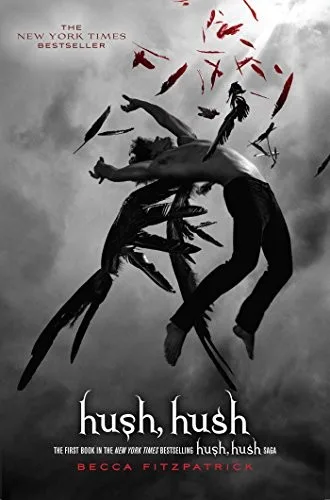
Becca Fitzpatrick's 2009 novel, Hush, Hush, reimagined fallen angels for a new generation of readers.
Nora Grey's ordinary high school life shifts dramatically when Patch, a darkly enigmatic new student, enters her world. Their relationship quickly becomes the focal point of the narrative, a complicated dance set against a backdrop of secrets and danger. The story follows Nora as she uncovers the supernatural realities surrounding Patch and her own destiny.
Fitzpatrick's novel taps into the intense romantic dynamics that captivated young adult audiences. It balances the thrill of mystery with the allure of forbidden connections, presenting a fast-paced plot that keeps readers engaged. The book's appeal lies in its exploration of dark, romantic themes and its central, compelling relationship.
Published in 2009, Hush, Hush appeared during a peak in young adult paranormal romance. This wave of fiction often drew from established occult tropes, reinterpreting them through the lens of romantic fantasy. The portrayal of fallen angels, with their celestial origins and complex natures, resonated with a cultural fascination for the supernatural. These stories frequently explored themes of otherworldly romance and the attraction to enigmatic figures, building on earlier explorations of the occult in popular culture.
💡 Why Read This Book?
• Gain insight into the dynamics of forbidden romance, exemplified by Nora and Patch's evolving relationship against a backdrop of supernatural conflict. • Experience a high-stakes narrative driven by mystery and danger, particularly concerning the introduction of fallen angels and their impact on human lives in 2009. • Explore themes of fate and choice through the characters' struggles to defy their destinies and forge their own paths, a central conflict within the book.
⭐ Reader Reviews
Honest opinions from readers who have explored this book.
❓ Frequently Asked Questions
What year was Becca Fitzpatrick's Hush, Hush first published?
Hush, Hush by Becca Fitzpatrick was first published in 2009, positioning it within the peak of the young adult paranormal romance boom.
Who are the main supernatural beings featured in Hush, Hush?
The primary supernatural beings in Hush, Hush are fallen angels, who possess unique abilities and a complex celestial hierarchy that drives much of the plot's conflict.
What is the central romantic conflict in Hush, Hush?
The central romantic conflict revolves around Nora Grey and the mysterious Patch, whose dangerous secrets and supernatural nature create intense attraction and significant peril.
Does Hush, Hush have any sequels?
Yes, Hush, Hush is the first book in a series. It is followed by Crescendo, Silence, and Finale, continuing Nora and Patch's story.
What genre does Hush, Hush belong to?
Hush, Hush is categorized as young adult paranormal romance, featuring elements of fantasy, suspense, and supernatural intrigue.
What is the significance of the year 2009 for Hush, Hush?
The year 2009 is significant as it marks the publication of Hush, Hush, a period when paranormal romance novels were highly popular, influencing its reception and themes.
🔮 Key Themes & Symbolism
Fallen Angels and Celestial Hierarchy
The novel centers on fallen angels, beings cast out of heaven, and explores their complex existence, powers, and the intricate hierarchy that governs them. Fitzpatrick presents these entities not as simple demons but as figures with a rich, albeit dark, history and inherent conflicts. This exploration taps into ancient mythologies and theological concepts, reinterpreting them for a modern YA audience, and examining the consequences of rebellion and exile within a celestial framework.
Destiny vs. Free Will
A core theme is the tension between predetermined fate and the capacity for individual choice. Characters like Nora and Patch find themselves bound by prophecies and ancient rules, yet they constantly strive to forge their own paths. The narrative questions whether their destinies are immutable or if their actions can alter the course of their lives, particularly in matters of love and survival within the supernatural realm.
The Nature of Good and Evil
Hush, Hush deliberately blurs the lines between good and evil through its characters. Patch, the enigmatic love interest, embodies this ambiguity, appearing both dangerous and protective. The book challenges readers to question simplistic moral binaries, suggesting that actions and intentions are complex, and that even beings from a supposedly 'fallen' celestial order can exhibit profound loyalty and love.
Forbidden Love and Sacrifice
The romance between Nora and Patch is inherently forbidden due to their disparate natures and the dangerous circumstances surrounding their connection. This theme explores the intensity and sacrifices often associated with such relationships. The narrative highlights how love can transcend boundaries, even those as profound as mortal and immortal, and the lengths characters will go to protect one another.
💬 Memorable Quotes
Direct passages from the work, attributed to the author.
“Some guys bring you down. He lifts you up.”
— This statement reflects Nora's initial perception of Patch's positive influence on her life, contrasting him with others who might be detrimental. It underscores the magnetic pull and perceived safety she finds in him, despite his mysterious nature.
“I’d never have any of my own. -- Nora, reflecting on her potential future.”
— This is an interpretation of Nora's feelings of isolation and the potential limitations placed upon her by her circumstances and the unfolding supernatural events. It speaks to a sense of loss or a perceived inability to experience a normal life or have a family.
“I’m not going to be one of those people who’s afraid of life.”
— This represents a declaration of defiance and a commitment to facing challenges head-on. It signifies Nora's burgeoning strength and her refusal to be paralyzed by fear, even when confronted with the extraordinary dangers presented by Patch's world.
“He was the darkness, and I was the light. But we were drawn to each other.”
— This metaphorical statement captures the core romantic dynamic of the book: the powerful attraction between two opposing forces. It acknowledges their inherent differences, suggesting a cosmic or fated pull that defies logic and conventional morality.
💡 Key Ideas
Editorial paraphrase of the work's core concepts — not direct quotes.
I could feel his eyes on me, and it was like a physical thing, a brand, a brand that was burning itself onto my skin.
This quote captures the intense, almost palpable connection Nora feels towards Patch. It highlights the immediate and overwhelming physical and emotional impact he has on her, suggesting a fated or deeply significant encounter.
🌙 Esoteric Significance
Tradition
While not explicitly rooted in a single esoteric lineage, Hush, Hush draws heavily on Judeo-Christian angelology, a common wellspring for Western esoteric traditions. The concept of fallen angels, their hierarchy, and their expulsion from heaven aligns with themes found in Gnostic texts and later interpretations within Kabbalistic and Hermetic thought, albeit simplified for a YA audience. It reinterprets these ancient ideas through a modern romantic lens, focusing on the personal drama and forbidden connections rather than complex theological or magical systems.
Symbolism
The primary symbol is the fallen angel itself, representing beings of immense power and beauty who have been cast out, embodying themes of rebellion, exile, and tragic allure. Another motif is the 'scar' or mark, which often signifies a connection to the supernatural or a past trauma, serving as a physical manifestation of the characters' hidden natures and their entanglement. The recurring theme of darkness versus light, embodied by Patch and Nora respectively, symbolizes the eternal struggle between opposing forces and the potential for their union.
Modern Relevance
Contemporary paranormal romance and urban fantasy continue to draw inspiration from the archetypes popularized by books like Hush, Hush. The figure of the brooding, morally ambiguous supernatural love interest remains a staple. Modern interpretations often explore similar themes of destiny, forbidden love, and the intersection of human and otherworldly realms, adapting the foundational elements for new generations of readers and writers exploring these mythic territories.
👥 Who Should Read This Book
• Readers interested in exploring modern interpretations of angelology and fallen celestial beings within a romantic context, particularly those who enjoyed the genre's surge in popularity around 2009. • Young adult readers seeking fast-paced narratives with high emotional stakes, focusing on intense romantic relationships shadowed by supernatural danger and mystery. • Fans of stories that examine themes of destiny, free will, and the blurred lines between good and evil, presented through relatable, albeit extraordinary, character dynamics.
📜 Historical Context
When Hush, Hush was released in 2009, the young adult literary landscape was dominated by paranormal romance, a trend significantly amplified by Stephenie Meyer's Twilight saga. Becca Fitzpatrick's novel tapped directly into this cultural moment, offering a dark, brooding romantic lead and a high-stakes supernatural plot. This era saw a surge in stories featuring vampires, werewolves, and angels, often with a romantic focus, capturing the imaginations of a generation eager for tales of forbidden love and otherworldly danger. Competing narratives included works by authors like Cassandra Clare, whose Mortal Instruments series also explored urban fantasy with romantic elements. The reception was largely driven by its target audience, quickly establishing it as a popular entry in the genre, though critical reviews often noted its adherence to established tropes of the time.
📔 Journal Prompts
Nora's initial fear versus growing attraction to Patch, reflecting on moments of perceived danger and allure.
The concept of a fallen angel's curse and its potential impact on relationships.
Character motivations for defying destiny, as seen in Nora and Patch's choices.
The symbolism of scars or marks as indicators of hidden natures or past events.
Analyzing the portrayal of good and evil in Patch's actions versus his intentions.
🗂️ Glossary
Fallen Angel
A celestial being, typically an angel, who has been cast out of heaven due to disobedience or rebellion. In Hush, Hush, they possess unique powers and a complex, often tragic, history.
Nephilim
In some interpretations of angelology, the offspring of angels and humans. This concept often plays a role in supernatural narratives involving both realms.
Angel Powers
Abilities attributed to angels, which can vary but often include enhanced strength, speed, flight, and sometimes psychic or elemental control, as depicted in the novel.
Celestial Hierarchy
The ordered structure or ranks of angels and other divine beings within a religious or mythological system. The book alludes to such a structure governing the fallen angels.
Destiny/Fate
The predetermined course of events, often seen as inescapable. In the book, characters grapple with whether their lives are controlled by fate or if they possess true free will.
Paranormal Romance
A subgenre of romance fiction that incorporates supernatural or fantastical elements, such as vampires, werewolves, witches, or angels, alongside a central love story.
Exile
The state of being banished or cast out from one's homeland or community. For fallen angels, exile from heaven is a defining characteristic.
🔮 Readers Also Liked
Browse all →








More by Becca Fitzpatrick
All books →




More Free Occult Philosophy Books
View all →