Love in the Palm of Your Hand
 84
84

Love in the Palm of Your Hand
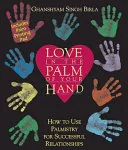
Ghanshyam Singh Birla’s "Love in the Palm of Your Hand" offers a refreshingly direct approach to relationship analysis via palmistry. Unlike many esoteric texts that can become mired in obscure theory, Birla grounds his work in practical application, supported by an impressive collection of over 200 photographic examples. The sheer volume of illustrations is a significant strength, allowing readers to readily compare abstract concepts to tangible examples. However, the book’s singular focus on palmistry as the primary determinant of relational success might feel limiting to those who believe in a more multifaceted approach to human connection. The section detailing the "M" line, for instance, while specific, presents a rather deterministic view of one's romantic future. Despite this limitation, for anyone seeking to understand themselves and their companions through the ancient art of chiromancy, this guide provides a comprehensive and accessible toolkit. It serves as a solid primer on applying hand analysis to matters of the heart.
📝 Description
84
Ghanshyam Singh Birla published "Love in the Palm of Your Hand" in December 1998.
This illustrated manual focuses on understanding relationships through palmistry. Ghanshyam Singh Birla provides a direct method for analyzing personality types and relational dynamics by examining the lines and mounts of the hand. The book includes over 200 illustrations to aid comparison and self-assessment.
It is for individuals seeking a self-guided way to understand human connection and personal character. The guide appeals to those interested in palmistry who want to apply its insights to their social and romantic lives. Readers looking for a practical approach to understanding themselves and others will find value here.
Published in 1998, this book taps into the long tradition of chiromancy, a practice found across cultures for centuries. It emerged during a time of increased interest in esoteric studies and self-help literature. While not directly tied to specific movements, it aligns with a broader openness to alternative methods for personal development in the late 20th century.
💡 Why Read This Book?
• Gain practical skills in interpreting relationship dynamics through palmistry, utilizing over 200 specific palm illustrations provided in the book to compare against your own and others' hands. • Understand the esoteric significance of distinct hand features, such as the Heart Line and the Mount of Venus, to identify personality traits relevant to love and connection. • Explore how changes in character over time are reflected in the hand's lines, offering a unique perspective on personal growth within relationships, as detailed in the book's approach to evolving palmistry.
⭐ Reader Reviews
Honest opinions from readers who have explored this book.
❓ Frequently Asked Questions
Can palmistry accurately predict relationship success?
While "Love in the Palm of Your Hand" by Ghanshyam Singh Birla suggests palmistry offers insights into compatibility and relational tendencies, it emphasizes understanding personality types rather than deterministic prediction. The book presents palmistry as a tool for self-awareness and relational analysis.
How many illustrations are in 'Love in the Palm of Your Hand'?
The book features over 200 illustrations of actual palms. This extensive visual library allows readers to directly compare the palm features discussed with real-life examples.
What specific lines does the book focus on for relationships?
The guide primarily analyzes key lines such as the Heart Line (emotional capacity), Head Line (intellectual approach), and Life Line (vitality and resilience) in relation to romantic and social connections.
Is Ghanshyam Singh Birla a recognized palmist?
Ghanshyam Singh Birla is known for his practical approach to palmistry, with "Love in the Palm of Your Hand" (first published in 1998) being a notable work in the field of applied chiromancy.
Does the book discuss changes in hand lines over time?
Yes, a central premise of the book is that changes in character and life circumstances are reflected in the evolving lines of the hand, offering a dynamic view of personal development.
What age range is this book most suitable for?
The book is suitable for adults interested in self-discovery and understanding relationships, regardless of age. Its practical, illustrated format makes it accessible to beginners and those with some prior knowledge of palmistry.
🔮 Key Themes & Symbolism
Interpreting Relationship Dynamics
The core of Birla's work lies in translating the physical map of the palm into insights about interpersonal connections. By examining the Heart Line for emotional depth, the Head Line for communication styles, and the Life Line for vitality, readers can gain a framework for understanding compatibility and potential challenges in relationships. The book provides concrete visual comparisons, allowing for direct application of these interpretive principles.
The Hand as a Personal Chronicle
This book posits that the hand is not static but a living document of an individual's journey. It explores how the lines and mounts can shift, reflecting changes in personality, experiences, and character development over time. This perspective offers a unique angle on personal growth, suggesting that one's evolving hand can be a guide to understanding their own transformation and its impact on relationships.
Practical Application of Chiromancy
Unlike purely theoretical texts, 'Love in the Palm of Your Hand' emphasizes direct, practical application. The abundance of illustrated examples serves as a crucial tool, enabling readers to actively engage with the material by comparing their own hands and those of people they know. This hands-on approach democratizes the study of palmistry, making it accessible for everyday relational analysis.
Personality Archetypes in the Palm
Birla categorizes personality types based on palm features, linking specific line formations, mount prominences, and finger shapes to distinct behavioral patterns and emotional tendencies. The book aims to help readers identify these archetypes within themselves and others, fostering a greater understanding of diverse human natures and how they interact in the context of love and friendship.
💬 Memorable Quotes
Direct passages from the work, attributed to the author.
“The lines of the hand offer a map to understanding personality and relationship potential.”
— This concept highlights the book's central thesis: that the intricate patterns on our palms are not random but provide a structured system for deciphering our inner selves and our capacity for connection.
“Over 200 illustrations allow for direct comparison of palm features.”
— This emphasizes the practical, visual nature of the guide, underscoring its utility as a reference tool for readers actively engaged in analyzing hands.
“Changes in character are reflected in the evolving lines of the hand.”
— This suggests a dynamic interpretation of palmistry, viewing the hand not as a fixed destiny but as a living record of personal growth and transformation.
“The Heart Line reveals emotional capacity and how one loves.”
— This focuses on a specific, crucial element of palmistry discussed in the book, linking a tangible hand feature directly to the area of emotional expression and romantic attachment.
“Identifying personality types through palmistry aids in navigating relationships.”
— This captures the book's ultimate goal: to provide readers with tools derived from palmistry that enhance their understanding of themselves and others, thereby improving their relational experiences.
🌙 Esoteric Significance
Tradition
The work draws heavily from the tradition of Indian palmistry (Hasta Samudrika Shastra), which views the hand as a microcosm reflecting the individual's karma and destiny. While rooted in ancient Indian esotericism, Birla adapts these principles for a contemporary audience interested in psychological and relational insights, moving beyond purely predictive interpretations towards character analysis.
Symbolism
Key symbols include the Heart Line, representing emotional expression and capacity for love; the Head Line, symbolizing intellect and communication style; and the Life Line, indicating vitality and resilience. The mounts (e.g., Mount of Venus for love and passion) are also significant, acting as indicators of specific drives and potentials within the individual's psyche.
Modern Relevance
Contemporary practitioners of self-help, relationship counseling, and even some forms of psychological astrology often incorporate elements of character analysis that echo the principles found in Birla's work. The emphasis on visual learning and practical application makes it a touchstone for modern audiences seeking accessible esoteric tools for personal growth and relational understanding.
👥 Who Should Read This Book
• Individuals curious about the intersection of esoteric practices and personal relationships, seeking a practical guide to understanding compatibility and connection through palmistry. • Self-improvement enthusiasts looking for tangible methods to analyze personality traits and emotional patterns, utilizing the book's extensive visual aids and clear interpretations. • Students of comparative esoteric traditions interested in the application of ancient chiromancy principles to modern relational dynamics and character psychology.
📜 Historical Context
Published in December 1998, Ghanshyam Singh Birla's "Love in the Palm of Your Hand" arrived during a late 20th-century resurgence of interest in esoteric and self-help disciplines. The era saw a broad public engagement with practices like astrology, tarot, and palmistry, often presented in accessible, illustrated formats. While distinct from the foundational movements of Theosophy or early Spiritualism, Birla's work taps into the enduring appeal of chiromancy, a practice with roots stretching back to ancient India and Greece. Unlike more academic or strictly traditional interpretations, Birla's approach prioritizes practical application for modern relationships. The late 1990s were characterized by a growing market for books promising personal insight and self-improvement through alternative means, and this guide fit squarely within that trend, offering a concrete, visual method for understanding interpersonal dynamics.
📔 Journal Prompts
Analyze the configuration of your Heart Line and its implications for your capacity for love.
Compare the illustrations of the Head Line in the book to your own hand and reflect on your communication style.
Consider the significance of the Mount of Venus on your palm and how it manifests in your relationships.
Document any perceived changes in your hand lines over time and correlate them with significant life events.
Reflect on the 'M' line as presented in the text and its potential meaning for your romantic path.
🗂️ Glossary
Heart Line
The horizontal line near the top of the palm, below the fingers, which is interpreted as indicating emotional capacity, romantic tendencies, and how one expresses love.
Head Line
The line running across the palm below the Heart Line, generally interpreted as representing intellect, mental processes, and communication style.
Life Line
The curved line originating near the thumb and extending around the base of the palm, traditionally associated with vitality, physical health, and major life experiences.
Mounts
The fleshy, raised areas on the palm, particularly at the base of the fingers and thumb, each named after a planet (e.g., Mount of Venus, Mount of Jupiter) and believed to indicate specific personality traits.
Chiromancy
The practice of reading palms, also known as palmistry, involving the interpretation of hand lines, mounts, finger shapes, and other features to understand personality and predict future events.
The 'M' Line
A specific configuration mentioned in the book, often formed by the Life, Head, and Heart lines, interpreted as having significance for one's romantic destiny or relational patterns.
Personality Types
Distinct categories of human character and behavior identified through palmistry, based on the analysis of hand features, which the book uses to explain relational dynamics.
This book appears in 1 collection
🔮 Readers Also Liked
Browse all →









From the “Palmistry” Collection
View all →







More Free Occult Philosophy Books
View all →