How to read the tarot
 61
61

How to read the tarot



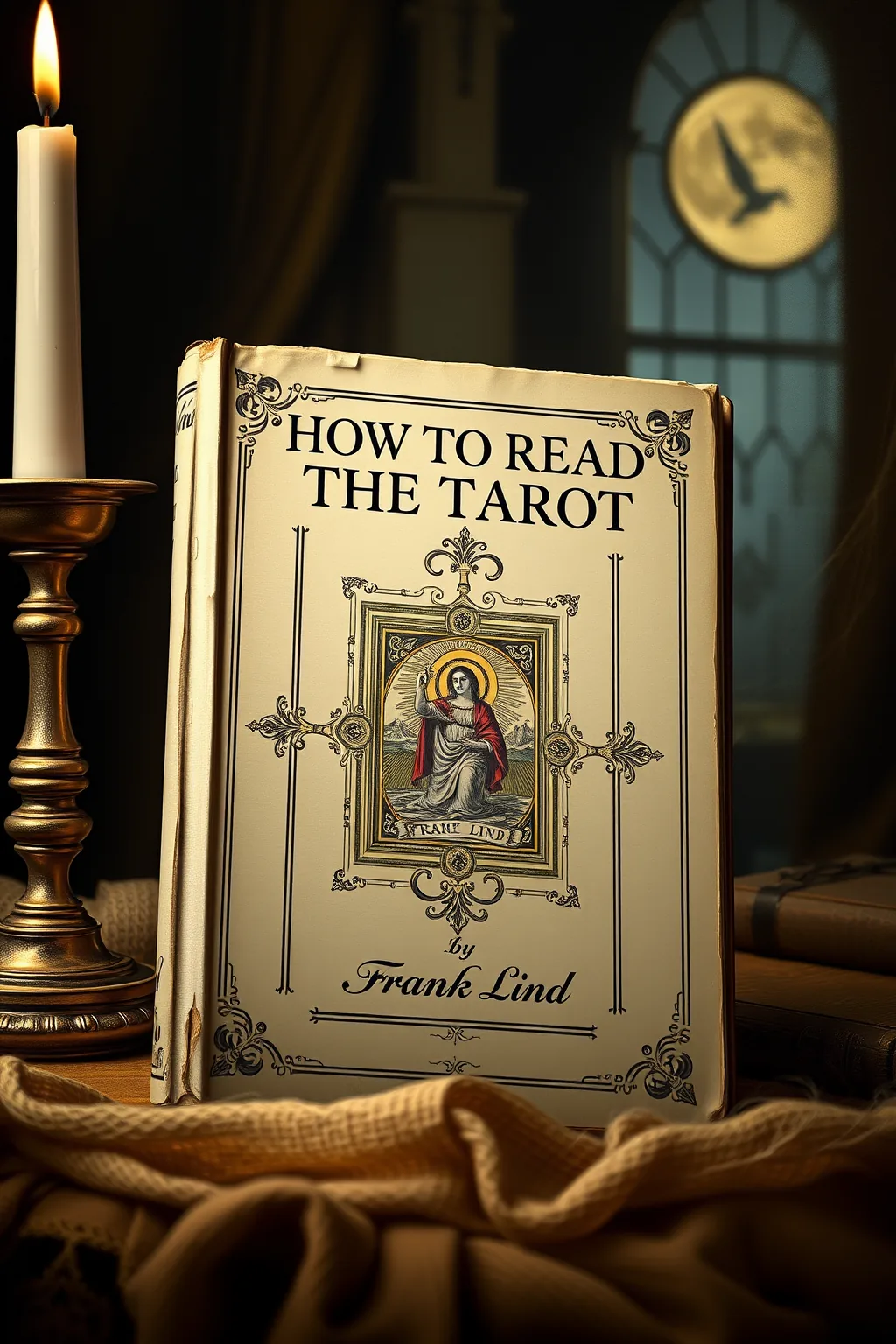
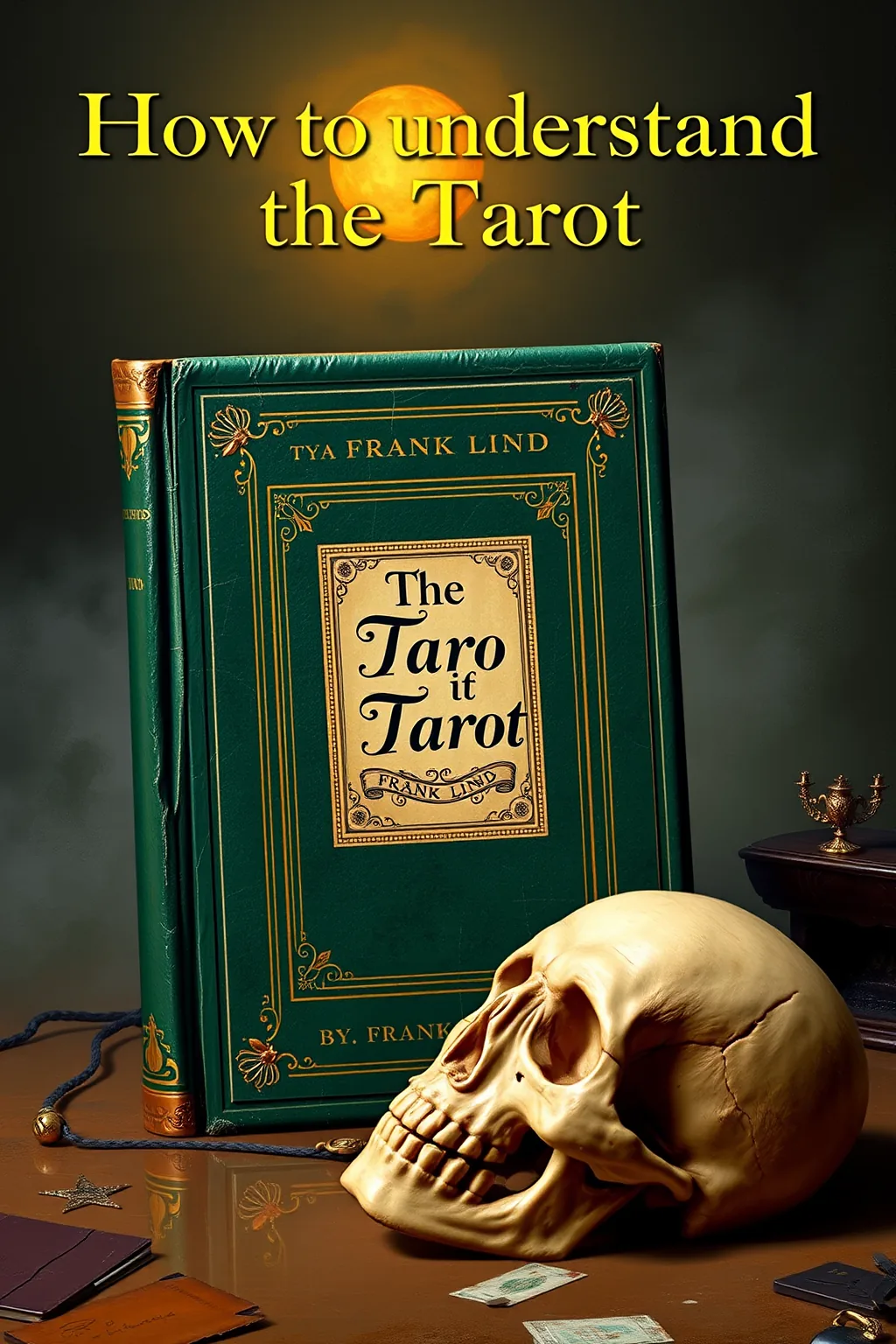
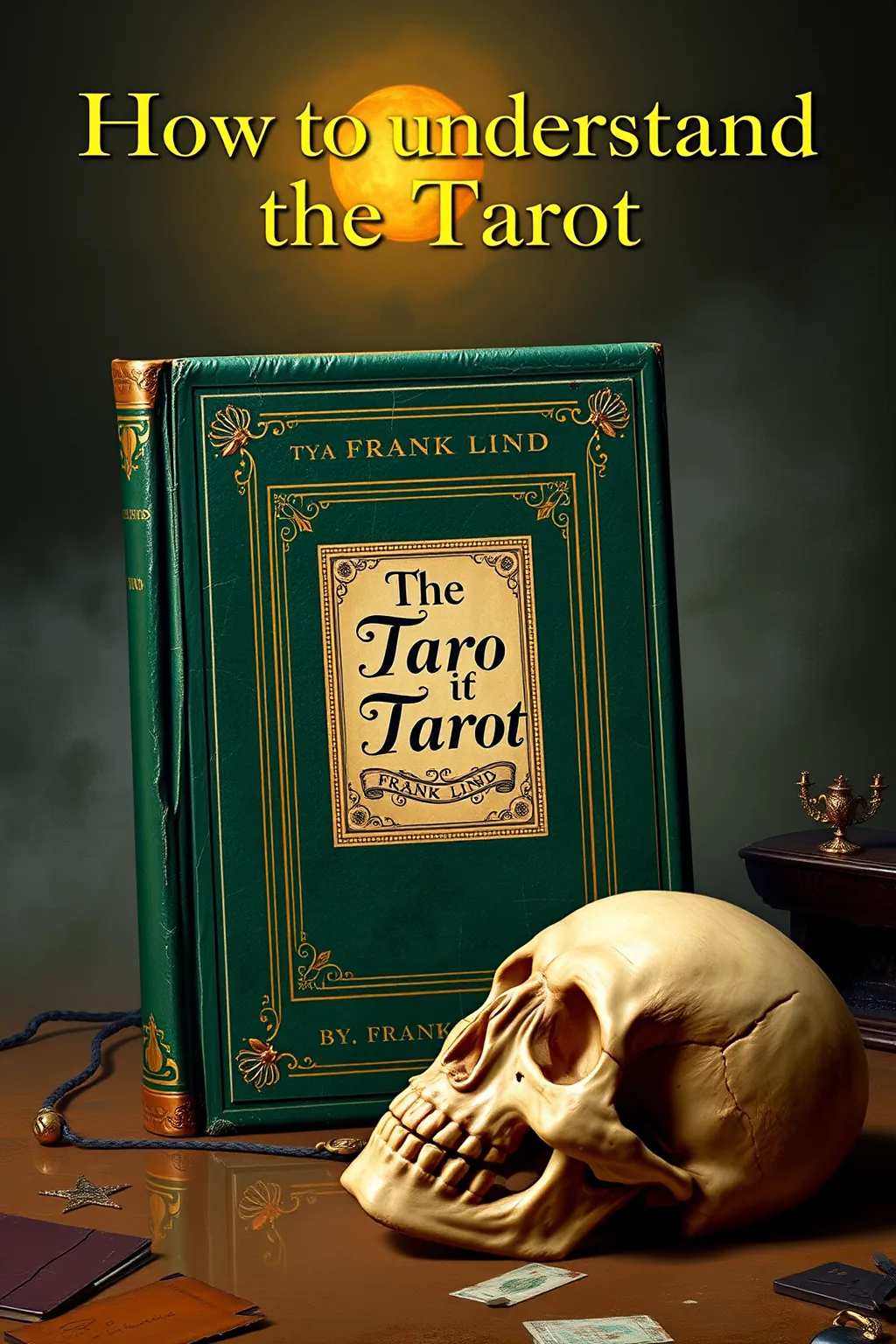
Frank Lind’s 'How to Read the Tarot' is a masterclass in esoteric interpretation, a treasure for any serious student of the occult. Lind doesn't just teach card meanings; he unveils the deep symbolic language that connects the Tarot to ancient wisdom traditions. His approach is both scholarly and deeply intuitive, guiding readers beyond surface-level divination to a profound understanding of the archetypes at play. This work is particularly potent for those seeking to integrate Tarot into their spiritual practice or alchemical journey. Lind's clarity and depth make this an indispensable addition to the library of any serious practitioner.
📝 Description
61
Frank Lind's 1985 book 'How to Read the Tarot' frames the cards as a mirror to the psyche.
Published in 1985, Frank Lind's 'How to Read the Tarot' goes beyond simple divination. Lind presents the Tarot as a symbolic system for understanding the human mind and broader existence. He views each card as a significant image that can reveal deeper truths about one's path, inner conflicts, and potential for growth. The book examines the philosophical connections between Tarot symbolism, Carl Jung's theories of archetypes, and Hermetic philosophy.
Lind's approach focuses on using the Tarot for self understanding and spiritual development. He suggests that by studying the cards, individuals can gain insights into their own inner workings and life's direction. The work aims to provide a structured method for those interested in a more introspective use of the Tarot, moving away from purely predictive applications. It encourages a thoughtful engagement with the imagery and meanings of the deck.
This book is situated within the Western esoteric tradition that views Tarot not merely as a game or divination tool, but as a symbolic map of consciousness and the cosmos. It draws upon the historical association of Tarot with Hermeticism and Kabbalah, as well as later interpretations influenced by psychology. Lind's work aligns with a lineage of authors who sought to integrate Tarot study with personal growth and philosophical inquiry, seeing the cards as a language for exploring the human condition and spiritual matters.
💡 Why Read This Book?
Delve into the profound symbolism and archetypal language of the Tarot, moving beyond simple prediction to deep self-understanding. This book is ideal for spiritual seekers, practicing occultists, and scholars of divination who wish to uncover the philosophical and mystical underpinnings of the cards. Learn to use the Tarot as a tool for introspection, spiritual growth, and deciphering life's intricate patterns.
⭐ Reader Reviews
Honest opinions from readers who have explored this book.
❓ Frequently Asked Questions
What is the primary purpose of reading the Tarot according to this book?
This book emphasizes the Tarot as a tool for introspection, self-discovery, and understanding the deeper currents of life, rather than solely for predictive fortune-telling. It's a mirror to the soul and a map of consciousness.
Is this book suitable for absolute beginners?
Yes, while rich in esoteric depth, Lind's clear explanations make it accessible to beginners eager to learn the foundational principles and symbolic language of the Tarot.
Does the book cover different Tarot spreads?
The book focuses on understanding the core symbolism and archetypes of the cards, providing a solid foundation for interpreting various spreads and layouts encountered in practice.
What philosophical traditions influence this book?
The book draws upon Hermeticism, Jungian psychology, and various ancient mystical traditions, offering a rich philosophical framework for Tarot interpretation.
Can this book help with personal spiritual growth?
Absolutely. By understanding the Tarot's symbolic dialogue, readers can gain profound insights into their inner world, challenges, and potential for transformation, fostering personal and spiritual evolution.
🔮 Key Themes & Symbolism
The Archetypal Language of the Tarot
This theme explores the Tarot as a system of universal archetypes, mirroring the collective unconscious and the fundamental forces of nature and human experience. Lind examines the symbolic language embedded within each card, from the Fool's journey of initiation to the World's completion, revealing how these ancient images serve as keys to understanding psychological landscapes and spiritual pathways. It's a deep dive into the semiotics of the sacred, where symbols are not mere pictures but living conduits of wisdom.
Tarot as a Mirror of Consciousness
Beyond mere divination, this book positions the Tarot as a profound tool for self-reflection and understanding the intricate workings of human consciousness. Lind illustrates how the cards can illuminate our hidden motivations, shadow aspects, and inner potentials, acting as a sacred mirror. Through attentive interpretation, readers can chart the field of their own minds, identify karmic patterns, and begin of inner alchemy, transforming awareness and fostering psychological integration.
Esoteric Connections and Hermetic Principles
Frank Lind masterfully combines connections between Tarot symbolism and foundational esoteric traditions, particularly Hermeticism and alchemy. The book reveals how principles like 'As Above, So Below' and the Great Work are subtly encoded within the Tarot's structure and imagery. This theme explores the Tarot as a microcosm of universal laws, offering insights into spiritual evolution, the interplay of opposing forces, and the quest for higher knowledge and divine union.
💬 Memorable Quotes
Direct passages from the work, attributed to the author.
“Each card is a whispered secret of the soul.”
— This evocative phrase underscores the deeply personal and introspective nature of Tarot reading as presented in the book, suggesting profound inner revelations await discovery.
“The archetypes dance in silent dialogue.”
— This poetic description points to the dynamic and symbolic communication between the Tarot's core figures, representing universal human experiences and cosmic forces.
“The Fool's journey is our own.”
— This profound statement connects the reader directly to the archetypal journey of the Fool, implying that the Tarot's lessons are universally applicable to the human experience of growth and initiation.
💡 Key Ideas
Editorial paraphrase of the work's core concepts — not direct quotes.
The Tarot is not a crystal ball, but a compass.
This quote highlights the book's emphasis on the Tarot as a tool for guidance and self-awareness, rather than passive fortune-telling. It's about navigating one's path with insight.
Wisdom is found not in knowing the future, but in understanding the present.
This quote reinforces the book's philosophical stance, valuing present moment awareness and the wisdom gained from self-understanding over mere prediction of future events.
🌙 Esoteric Significance
Tradition
This book is deeply rooted in the Western Esoteric Tradition, particularly drawing from Hermeticism, Kabbalah, and Jungian psychology. It views the Tarot as a symbolic language that encodes universal principles of creation, consciousness, and spiritual evolution. Lind bridges the gap between ancient mystical teachings and modern psychological understanding, positioning the Tarot as a sacred text for inner alchemy and self-realization.
Symbolism
Lind meticulously unpacks the detailed symbolism of the Tarot, interpreting each card as a nexus of archetypal energies and philosophical concepts. The Major Arcana are presented as stages of spiritual development, while the Minor Arcana depict the unfolding of these energies in the material and psychological realms. Key symbols like the elements, numbers, and planetary associations are explored to reveal the interconnectedness of the Tarot with cosmic order and the human microcosm.
Modern Relevance
In an age often characterized by information overload and a sense of disconnection, Lind's approach to the Tarot offers a potent antidote. Its emphasis on introspection, archetypal understanding, and the dialogue between the inner and outer worlds provides a timeless framework for navigating modern challenges. The book empowers individuals to cultivate intuition, foster self-awareness, and find meaning and purpose by engaging with a symbolic system that speaks to the deepest aspects of the human psyche.
👥 Who Should Read This Book
This useful guide is essential for the nascent seeker beginning their first steps into the mystical arts, offering clear pathways into the Tarot's profound depths. Experienced practitioners and occult scholars will find Lind's insightful interpretations and esoteric connections important for deepening their existing knowledge and practice. Those drawn to Jungian psychology or Hermetic philosophy will appreciate the book's sophisticated exploration of archetypes and universal principles. Ultimately, anyone yearning for self-discovery, spiritual insight, and a more profound understanding of life's intricate range will find this book a transformative companion.
📜 Historical Context
Written during a period of burgeoning interest in occultism and esoteric philosophy in the mid-20th century, Frank Lind's 'How to Read the Tarot' emerged as a significant contribution to the discourse on divination and spiritual psychology. This era saw a revival of interest in ancient wisdom traditions, influenced by figures like Carl Jung and his theories on archetypes, as well as a growing fascination with Hermeticism and Western esotericism. Lind's work reflects this intellectual climate, moving beyond simplistic fortune-telling to integrate the Tarot into a deeper framework of self-exploration and understanding. It stands as a evidence of the enduring appeal of the Tarot as a symbolic language that transcends time, offering guidance and insight in an increasingly complex world.
📔 Journal Prompts
Reflect on the Fool's journey – where are you on your own path of initiation right now?
How does the symbolism of The High Priestess speak to your intuition and hidden knowledge?
Consider the Emperor and Empress archetypes: how do they manifest in your life as structures of power and nurturing?
Explore the concept of balance as represented by The Lovers and Justice cards in your current relationships or decisions.
Meditate on the transformative power of Death and The Devil – what endings or attachments are you being called to release?
🗂️ Glossary
Archetype
Universal, archaic patterns and images that derive from the collective unconscious and are the psychic counterpart of the instincts. In Tarot, these are the fundamental figures and concepts represented by the cards.
Esotericism
The study of hidden or secret knowledge, often concerning spiritual or mystical matters, typically accessible only to those initiated into a particular tradition or school of thought.
Hermeticism
A philosophical and religious tradition based on the purported teachings of Hermes Trismegistus, emphasizing divine wisdom, spiritual enlightenment, and the interconnectedness of the cosmos.
Kabbalah
A system of Jewish mysticism that explores the divine nature and the creation of the universe through a symbolic tree of life and emanations.
Cartomancy
The practice of divining the future or gaining insight through the use of cards, most commonly a deck of Tarot cards or a standard deck of playing cards.
This book appears in 3 collections
🔮 Readers Also Liked
Browse all →
More by Frank Lind
All books →
From the “Tarot” Collection
View all →
More Free Divination & Tarot Books
View all →