Ancient Egyptian divination and magic
 64
64

Ancient Egyptian divination and magic



Celeste Moreau (Divination & Symbolism Reviewer) — Eleanor L. Harris masterfully unveils the sophisticated systems of divination and magic practiced by the ancient Egyptians. This work transcends mere historical documentation, offering deep dives into the esoteric underpinnings of their worldview. Harris skillfully deciphers the complex symbolism of their rituals, celestial alignments, and the profound connection between divine will and human action. The book is an indispensable resource for anyone seeking authentic, ancient magical knowledge. Its strength lies in its clarity and the meticulous research that brings these forgotten arts to vibrant life, making it essential for both seasoned occultists and curious scholars yearning to connect with the wisdom of the Nile.
📝 Description
64
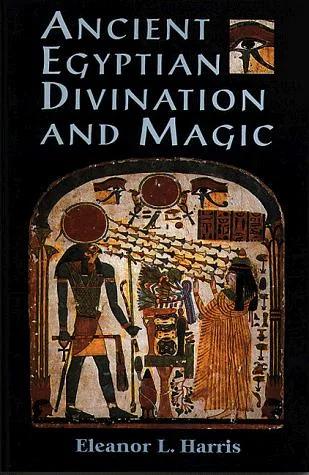
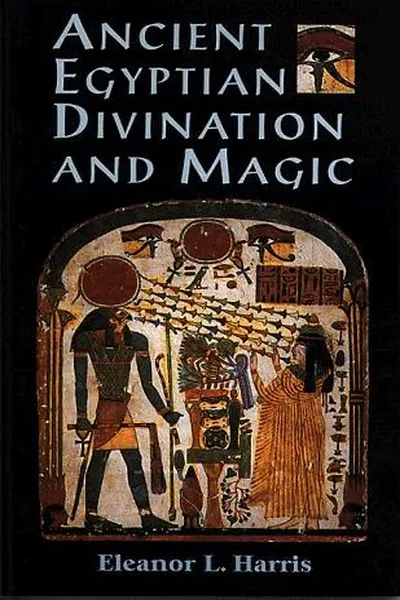
Eleanor L. Harris's 2021 book examines ancient Egyptian divination and magic.
This book examines the practices of divination and magic in ancient Egypt, focusing on how these systems intertwined with the civilization's understanding of the cosmos and divine order. Harris details the rituals, symbols, and astronomical observations that underpinned these practices. The work investigates the relationship between the pharaoh, the gods, and the perceived structure of reality, as interpreted through the lens of Egyptian divination. It looks at how Egyptians attempted to communicate with deities, affect outcomes, and understand their place within the universe.
The study covers the symbolism found in hieroglyphs, amulets, and astral projection techniques. It aims to provide insight into the Egyptian worldview, where magic was not separate from religious belief but an integral part of it. The book addresses how these beliefs and practices shaped daily life, statecraft, and personal spiritual pursuits. It offers a view on how ancient Egyptians sought knowledge and influence over the forces they believed governed existence.
This work situates ancient Egyptian magical and divinatory practices within a broader context of esoteric traditions. It acknowledges that for the Egyptians, these were not fringe activities but integral components of their religious and political systems. The book treats these beliefs seriously, examining them as a sophisticated worldview rather than mere superstition. It connects these practices to the ancient Egyptian desire to understand and interact with unseen forces, a common thread in many esoteric systems across different cultures and historical periods.
💡 Why Read This Book?
Uncover the sacred knowledge of a civilization deeply attuned to cosmic energies. "Ancient Egyptian Divination and Magic" offers practical insights into ancient divinatory methods and magical practices, revealing the profound symbolism behind their rituals and beliefs. Ideal for seekers of esoteric wisdom, students of occult history, and practitioners looking to enrich their understanding of ancient magical traditions. Gain a unique perspective on fate, divine communication, and the hidden forces shaping existence.
⭐ Reader Reviews
Honest opinions from readers who have explored this book.
❓ Frequently Asked Questions
What types of divination are covered in the book?
The book explores a variety of ancient Egyptian divinatory techniques, including interpreting dreams, scrying with water or oil, astrological observations, and interpreting omens derived from animal behavior and natural phenomena. Harris details the methodologies and philosophical underpinnings of these practices.
Is this book suitable for beginners in magic or divination?
Yes, while it delves into complex topics, the author provides clear explanations and context, making it accessible to beginners. However, a genuine interest in esoteric subjects and a willingness to engage with symbolic language are beneficial.
What is the role of gods and goddesses in Egyptian magic?
The book emphasizes the integral role of deities in Egyptian magic. Rituals and divinatory practices were often performed to appease, commune with, or seek guidance from specific gods and goddesses, who were seen as active participants in the world and its destiny.
Does the book discuss specific spells or incantations?
While the focus is on the principles and practices of divination and the broader framework of magic, Harris does touch upon the nature of incantations and the power attributed to spoken words and divine names within Egyptian magical traditions.
Can the knowledge from this book be applied practically today?
The book's primary value is in understanding the historical and philosophical context of ancient Egyptian magic. While direct application of all ancient rituals may not be feasible, the underlying principles of intention, symbolism, and connection to natural forces can offer profound insights for modern practitioners.
🔮 Key Themes & Symbolism
The Cosmic Order and Divine Will
This theme explores the ancient Egyptian belief in a divinely ordained cosmic order, Ma'at, and how divination and magic were employed to understand and align with this universal law. It explores the perception of the heavens as a blueprint for earthly events and the meticulous observation of celestial bodies as a means to decipher divine intentions and predict future occurrences. The interconnectedness of the earthly realm and the celestial spheres is central, highlighting how magic served as a bridge to influence or harmonize with the will of the gods.
Symbolism and Sacred Language
The profound significance of symbols and the power of sacred language are paramount in Egyptian magic. This theme examines how hieroglyphs, amulets, and iconography were not merely decorative but imbued with potent magical energy and specific meanings. It explores the belief that the correct utterance of divine names or the precise rendering of symbolic imagery could invoke supernatural forces and manifest desired outcomes. Understanding this rich symbolic vocabulary is presented as key to unlocking the deeper layers of Egyptian magical practice and thought.
Ritual, Alchemy, and Transformation
The book illuminates the role of ritual as the practical application of magical theory in ancient Egypt. This theme dissects the structure and purpose of various rituals, from daily observances to elaborate ceremonies, emphasizing their transformative potential. It discusses how these practices were designed to purify, protect, achieve specific goals, and facilitate spiritual evolution. The exploration of ritual provides insight into the Egyptian understanding of alchemy, not just as material transmutation, but as a profound process of inner and spiritual change guided by magical principles.
💬 Memorable Quotes
Direct passages from the work, attributed to the author.
“Through sacred word and potent symbol, the veil between worlds thins.”
— Emphasizes the belief in the power of spoken spells and symbolic representation to bridge the gap between the physical and spiritual realms, a central to Egyptian magic.
“To understand fate is to begin to master it, not through force, but through alignment.”
— Suggests that true mastery in Egyptian thought came not from direct control, but from discerning and harmonizing with the inevitable currents of destiny.
“The Nile flows with the wisdom of the gods; its floods, a prophecy.”
— Connects the vital natural cycles of Egypt, particularly the Nile, to divine communication and prophetic insight, underscoring the sacredness of the natural world.
“Every amulet a whispered prayer, every ritual a step closer to Ma'at.”
— Illustrates the fusion of practical magical tools (amulets) and structured practices (rituals) with the overarching ethical and cosmic principle of Ma'at, the embodiment of truth, order, and justice.
💡 Key Ideas
Editorial paraphrase of the work's core concepts — not direct quotes.
The stars are the divine script, and the wise scribe reads their silent pronouncements.
This quote highlights the ancient Egyptian reverence for astrology and celestial observation as a primary means of divination, viewing the cosmos as a readable text revealing divine will.
🌙 Esoteric Significance
Tradition
The esoteric tradition explored is that of ancient Egyptian magic and divination, often referred to as 'heka.' This practice is foundational to many Western esoteric systems, influencing Hermeticism, Gnosticism, and later occult traditions. It emphasizes a holistic worldview where the divine, natural, and human realms are interconnected and responsive to specific spiritual technologies. The Egyptian approach is characterized by its emphasis on cosmic law, divine names, symbolic resonance, and the power of ritual to manifest transformation.
Symbolism
Central to Egyptian esoteric thought is a collection of symbolism. Key symbols include the Eye of Horus (protection, healing, royal power), the Ankh (life, immortality), the Scarab beetle (rebirth, creation), and the Djed pillar (stability, Osiris). Celestial bodies, the Nile, and animals like the cobra and falcon all carried profound mystical meanings, representing deities, cosmic forces, and aspects of the human condition. Understanding these symbols is crucial for deciphering the language of Egyptian magic and its divinatory practices.
Modern Relevance
The ancient Egyptian approach to magic and divination offers clear insights for contemporary seekers. Its emphasis on aligning with natural cycles, understanding cosmic patterns, and the power of focused intention resonates deeply with modern spiritual practices. The sophisticated use of symbolism and ritual provides a framework for personal transformation and self-discovery. Studying these ancient methods can foster a deeper connection to the Earth, a greater appreciation for the interconnectedness of all things, and practical tools for navigating life's challenges with wisdom and intention.
👥 Who Should Read This Book
This book is a treasure for a diverse audience. **Beginners** with a nascent interest in ancient cultures or the mystical will find an accessible yet profound introduction to Egyptian magic. **Scholars** of ancient history, religion, and comparative mythology will appreciate the meticulous research and detailed analysis. **Seekers** of esoteric knowledge and spiritual wisdom will discover a rich source of ancient practices and philosophical depth. **Practitioners** of modern magic or divination can draw inspiration from these ancient techniques, integrating their timeless principles into their personal work and understanding the historical roots of many occult disciplines.
📜 Historical Context
Ancient Egyptian civilization flourished for over three millennia, leaving an indelible mark on human history. This period, particularly the New Kingdom (c. 1550–1070 BCE), saw a peak in the development of complex religious, magical, and divinatory systems. The Egyptians possessed a sophisticated understanding of astronomy, medicine, and engineering, all intertwined with their deeply spiritual worldview. Their societal structure, led by divine pharaohs, was permeated by a belief in the active presence of gods and spirits in daily life. Magic, or 'heka,' was not separate from religion but an integral force used to maintain cosmic order (Ma'at), ward off chaos, and influence events. Divination served as a crucial tool to interpret divine will and read through the uncertainties of life and the afterlife, shaping their art, architecture, and funerary practices.
📔 Journal Prompts
Reflect on a personal experience where you felt guided by unseen forces. How might this relate to ancient Egyptian concepts of divine will?
Choose one Egyptian symbol discussed in the book and meditate on its meaning. How does its essence resonate with your current life path?
Imagine you are an ancient Egyptian priest or priestess. What questions would you pose to the gods through divination, and why?
Consider the concept of Ma'at. How can you embody principles of truth, balance, and cosmic order in your daily life?
Explore the idea of sacred language. What words or phrases hold particular power or significance for you, and what might be their underlying energetic quality?
🗂️ Glossary
Heka
The ancient Egyptian word for magic, often translated as 'divine power' or 'the power of creation.' It encompassed all forms of magical practice, ritual, and incantation used to influence the cosmos and human affairs.
Ma'at
The ancient Egyptian concept of cosmic order, truth, justice, and balance. It was personified as a goddess and was the guiding principle for both divine and human conduct, essential for maintaining the harmony of the universe.
Scrying
A form of divination involving gazing into a reflective surface, such as water, oil, or a polished stone, to receive visions or messages from the divine or subconscious mind.
Omen
An event or phenomenon believed to portend a future occurrence. In ancient Egypt, omens could be derived from celestial events, animal behavior, or unusual occurrences, all interpreted as signs from the gods.
Hieroglyphs
The formal writing system used in ancient Egypt, combining logographic, syllabic, and alphabetic elements. They were considered sacred symbols imbued with power and meaning, crucial for religious and magical texts.
This book appears in 3 collections
🔮 Readers Also Liked
Browse all →






More by Eleanor L. Harris
All books →
From the “Tarot” Collection
View all →








More Free Divination & Tarot Books
View all →