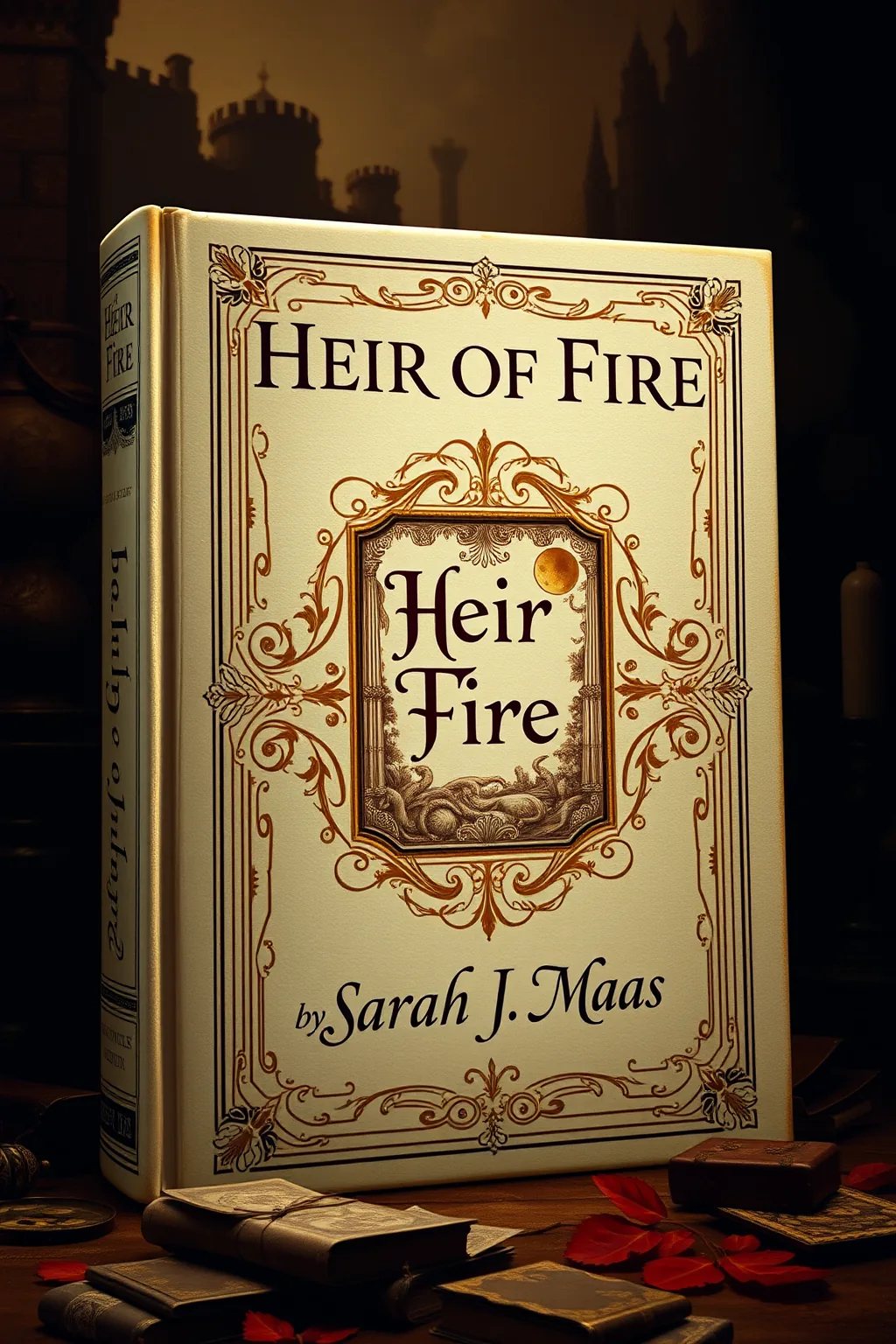
Heir of Fire
 79
79

Heir of Fire
Sarah J. Maas’s Heir of Fire marks a significant shift in the Throne of Glass series, moving beyond straightforward adventure into more introspective territory. The novel’s strength lies in its unflinching portrayal of Celaena’s psychological torment; her journey through grief and self-loathing is rendered with a rawness that is uncommon in the genre. The introduction of new characters and settings, while initially disorienting, ultimately enriches the world and complicates the central conflict. However, the pacing occasionally falters, particularly in the middle sections, as the narrative juggles multiple character perspectives and plot threads. A specific passage where Celaena confronts the ghosts of her past in Wendlyn, wrestling with her identity as Aelin Galathynius, exemplifies the book’s thematic depth but also contributes to the uneven momentum. Despite its structural challenges, Heir of Fire delivers a compelling character study that elevates the series. It is a complex, often brutal, but ultimately rewarding read.
📝 Description
79
Sarah J. Maas published Heir of Fire in 2016, the third book in her Throne of Glass series.
Heir of Fire shifts the focus of the Throne of Glass series, delving deeper into the internal struggles of its protagonist, Celaena Sardothien. After a period of intense loss and hardship, Celaena finds herself in a new land, wrestling with her past and the burgeoning magical powers she possesses. The narrative expands the world significantly, introducing new continents and cultures that shape the unfolding conflict. This installment is marked by a greater emphasis on character development, with complex emotional arcs for Celaena and several new characters who join her story.
The story is set against a backdrop of political machinations and the reawakening of ancient magic. Celaena must confront not only external enemies but also her own demons, deciding whether to embrace her destiny or succumb to despair. The book contrasts the harsh realities of her past with the potential for a different future, forcing her to make difficult choices that will impact the fate of many. Maas builds upon the established world, adding layers of history and magical lore that enrich the overall saga.
Published in 2016, Heir of Fire arrives during a time when young adult fantasy was pushing the boundaries of emotional depth and complex characterization. The novel aligns with a trend of protagonists grappling with significant personal hardship and societal expectations, mirroring broader cultural discussions on empowerment and resilience. Maas’s work, while drawing on classic fantasy elements, contributes to this evolving genre by portraying a female lead who must overcome immense internal and external obstacles to discover her true strength and identity.
💡 Why Read This Book?
• Understand the profound impact of trauma on identity, as explored through Celaena Sardothien’s struggle with her past actions and losses, offering a unique perspective on resilience. • Witness the intricate development of political alliances and ancient magic in the continent of Erilea, providing specific examples of world-building that go beyond typical fantasy settings. • Experience the emotional weight of accepting one's true heritage and power, exemplified by Celaena’s internal conflict and her eventual embrace of her Fae lineage, a distinct character arc.
⭐ Reader Reviews
Honest opinions from readers who have explored this book.
❓ Frequently Asked Questions
When was Sarah J. Maas's Heir of Fire originally published?
Heir of Fire, the third book in the Throne of Glass series by Sarah J. Maas, was first published in 2016. This installment significantly deepened the series' lore and character development.
What is the primary focus of Heir of Fire?
The primary focus is on Celaena Sardothien's internal struggles with her past trauma, her identity, and the emerging magical elements of her world, particularly during her time in Wendlyn.
How does Heir of Fire differ from the previous books in the Throne of Glass series?
Heir of Fire shifts towards a more character-driven narrative with a darker, more introspective tone, exploring Celaena's psychological state and introducing significant plot elements related to Fae magic and ancient conflicts.
What are some key locations featured in Heir of Fire?
Key locations include the city of Adarlan, the remote and magical land of Wendlyn, and the shadowy continent of Erilea, each serving distinct narrative purposes in Celaena's journey.
Who are some significant new characters introduced in Heir of Fire?
Significant new characters include Rowan Whitethorn, a Fae warrior who becomes Celaena's mentor, and Gavriel, another powerful Fae figure, both crucial to understanding Celaena's heritage.
Does Heir of Fire contain elements of magic and fantasy?
Yes, Heir of Fire prominently features magic, particularly Fae abilities and ancient enchantments, which are central to the plot and Celaena's unfolding destiny.
🔮 Key Themes & Symbolism
Confronting Trauma
The novel intensely explores the psychological aftermath of trauma, with Celaena Sardothien battling self-hatred and the memories of her past atrocities. Her journey through grief and despair, particularly in Wendlyn under the tutelage of Rowan, is central. This theme examines how past wounds shape present identity and the arduous process of healing and self-acceptance, moving beyond mere survival to confront the darkness within.
Identity and Heritage
Heir of Fire examines the protagonist's struggle with her true identity as Aelin Galathynius, the lost Queen of Terrasen, and her Fae heritage. The narrative questions whether one is defined by their lineage or their choices. The reawakening of her latent magical abilities forces her to reconcile her assassin persona with her royal destiny, exploring the conflict between who she was forced to be and who she is meant to become.
Destiny vs. Free Will
The book grapples with the concept of predestination versus personal agency. Characters are often presented with prophecies and ancient powers that seem to dictate their path, yet their choices carry immense weight. Celaena's defiance of expectations and her active pursuit of control over her fate highlight this tension. The narrative suggests that while destiny may set the stage, individual decisions ultimately shape the outcome.
The Nature of Power
Power, both political and magical, is examined through various lenses. The corrupting influence of unchecked authority is shown in Adarlan, while the raw, untamed power of the Fae is explored through characters like Rowan. The novel questions the responsibility that comes with power and the potential for both destruction and salvation inherent in its use. Celaena's own burgeoning magical abilities represent a significant exploration of this theme.
💬 Memorable Quotes
Direct passages from the work, attributed to the author.
“She was chaos and destruction and a fire that was slowly consuming her.”
— This interpretation highlights the internal conflict of the protagonist, Celaena. It signifies her awareness of the destructive potential within her, stemming from past actions and burgeoning Fae magic, and her fear of being overwhelmed by it.
“There was no pity in his eyes, only a hard, clear understanding.”
— This phrase suggests a central moment in Celaena's training or interaction with Rowan. It implies a recognition of her struggle without condescension, fostering a connection based on shared understanding of hardship and combat.
“She would not be a pawn. She would be the hand that moved the pieces.”
— This reflects a declaration of agency and defiance. It underscores the protagonist's refusal to be controlled by external forces or manipulated by others, asserting her determination to take control of her own destiny and the political landscape.
“The world had been broken for so long, and she was part of the breaking.”
— This statement captures the protagonist's deep-seated guilt and her perception of herself as intrinsically linked to the world's suffering. It speaks to her internal struggle with her past as an assassin and her role in the ongoing conflicts.
“Magic was a dangerous, beautiful thing, and she was drowning in it.”
— This highlights the dual nature of magic as depicted in the novel: both alluring and perilous. It conveys the protagonist's overwhelming experience as her dormant Fae abilities begin to surface, suggesting a sense of being consumed by forces beyond her immediate control.
🌙 Esoteric Significance
Tradition
While Heir of Fire does not explicitly align with a single esoteric tradition, its themes of latent magical abilities, ancient bloodlines (Fae), and the struggle against a tyrannical empire echo Gnostic and Hermetic concepts of hidden knowledge and overcoming oppressive forces. The awakening of inner power and the protagonist's journey toward self-mastery can be viewed through a lens of personal gnosis, seeking truth and liberation from ignorance or external control.
Symbolism
The recurring motif of fire symbolizes both destruction and purification, reflecting Celaena's dual nature as an assassin and a queen, and her potential for both devastation and renewal. The Fae lineage represents a connection to primal, ancient magic, distinct from human sorcery, symbolizing inherent power and a link to a forgotten, more potent past. Wendlyn, as a land steeped in ancient magic and tradition, serves as a symbolic crucible for Celaena's transformation, a place where her true self can emerge.
Modern Relevance
Contemporary fantasy authors continue to draw inspiration from Maas's approach to character development and intricate world-building. The novel's nuanced portrayal of trauma and its impact on identity remains relevant in discussions of mental health within speculative fiction. Furthermore, the themes of reclaiming heritage and embracing one's full power, even when fraught with danger, resonate with modern narratives of self-discovery and empowerment across various genres.
👥 Who Should Read This Book
• Readers interested in complex character arcs and psychological depth in fantasy, particularly those who appreciate protagonists grappling with significant trauma and self-discovery. • Fans of epic fantasy seeking intricate world-building, political intrigue, and the gradual unveiling of magical systems and lore within a sprawling narrative. • Young adults and adult readers exploring themes of identity, destiny, and the struggle to reconcile one's past with one's future, finding relatable challenges within a fantastical context.
📜 Historical Context
Heir of Fire, released in 2016, arrived during a flourishing period for young adult fantasy, marked by increasing complexity and darker themes. Authors like Leigh Bardugo and Cassandra Clare were also pushing boundaries with intricate world-building and morally gray characters. Maas's work contributed to this trend by focusing on the psychological depths of her protagonist, Celaena Sardothien, moving beyond typical adventure narratives. The novel's exploration of trauma and identity resonated with a generation of readers seeking more substantive, character-focused stories. While not overtly political or tied to a specific intellectual movement, its popularity reflected a broader cultural interest in female empowerment and resilience. The reception was largely positive, with critics noting the series' maturation and Maas's developing skill in handling complex emotional arcs, cementing her status among contemporaries like Holly Black and Victoria Schwab.
📔 Journal Prompts
Celaena's internal battle with her Valg-tainted past.
The symbolism of fire and its connection to Aelin's heritage.
Rowan's role as a mentor in confronting self-destructive tendencies.
The political range of Adarlan versus the magic of Wendlyn.
The concept of reclaiming one's true name and identity.
🗂️ Glossary
Fae
An ancient, powerful race possessing inherent magical abilities, often depicted with distinct physical characteristics and a deep connection to nature and older forms of magic. They are central to the magical heritage of the protagonist.
Wendlyn
A kingdom and continent featured in Heir of Fire, known for its deep connection to magic, ancient forests, and warrior traditions. It serves as a crucial location for the protagonist's personal growth and training.
Adarlan
The primary kingdom in the series, characterized by its oppressive regime that outlawed magic. Its dark political climate and history of conquest form a significant backdrop to the characters' struggles.
Valg
A malevolent, ancient race or entity associated with darkness and corruption, capable of possessing individuals and influencing minds. Their presence represents a significant threat and a source of past trauma.
Terrasen
The ancestral homeland of the protagonist, Aelin Galathynius. It is a kingdom with a long history, currently under occupation, and represents what the protagonist is destined to reclaim.
Aelin Galathynius
The true name and royal identity of the protagonist, Celaena Sardothien. Discovering and accepting this identity is a core element of her character arc in Heir of Fire.
Rowan Whitethorn
A powerful Fae prince and warrior who becomes Celaena's mentor in Wendlyn. He is instrumental in her training and her journey towards understanding and controlling her Fae abilities.
🔮 Readers Also Liked
Browse all →







More by Sarah J. Maas
All books →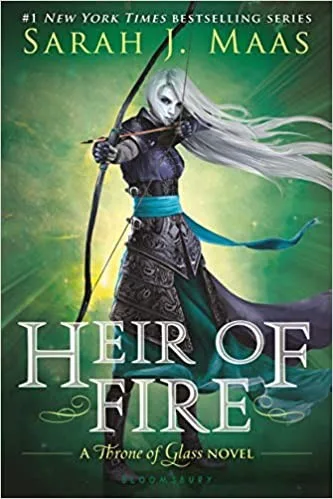



More Free Magic & Ritual Books
View all →