Hedge Witch
 78
78

Hedge Witch
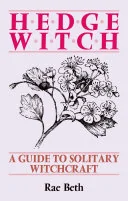
Rae Beth’s *Hedge Witch* offers a robust framework for solitary practitioners, a welcome counterpoint to the coven-centric narratives that have often dominated witchcraft literature. The epistolary format lends an intimate and accessible tone, making complex ideas feel like direct guidance. The author’s clear articulation of the Goddess and the Horned God as potent, independent sources of power is a significant strength, particularly for those who may not find community in traditional groups. However, the book occasionally leans into generalizations about ecological crises that, while heartfelt, could benefit from more specific grounding or nuanced discussion. The passage detailing the importance of personal responsibility in healing practices, contrasting it with external dependency, stands out as particularly insightful. Ultimately, *Hedge Witch* provides a solid, well-reasoned argument for the efficacy and fulfillment found in solo witchcraft.
📝 Description
78
Rae Beth's 2018 book, Hedge Witch, argues for solitary witchcraft as a complete spiritual path.
Hedge Witch, published in 2018, presents solitary witchcraft as a self-sufficient spiritual path, distinct from coven-based traditions. The book is structured as correspondence between an experienced practitioner and her two apprentices, imparting practical advice and philosophical concepts. It is aimed at individuals who are already practicing witchcraft alone or are considering this path. The author speaks to those seeking a personal connection with nature and the divine, outside of organized groups. Readers interested in the worship of the Goddess and the Horned God, as well as those concerned with ecological balance and ethical living, will find this work relevant.
The text centers on the worship of the Goddess and the Horned God, identifying them as primary sources of spiritual energy. It contrasts feminine attributes like healing and renewal with negative forces such as greed. The book also advocates for ecological awareness, linking the planet's well-being to spiritual and moral conduct. It addresses the development of practical magical skills and personal spiritual growth for the solo practitioner.
Hedge Witch was published in 2018, a time when modern Pagan and witchcraft movements were diversifying. This period saw a growing interest in solitary practice, moving away from the earlier coven-centric models prominent in some Wiccan revival texts. Rae Beth's book contributes to this shift by outlining a comprehensive system for individuals who practice witchcraft alone. It acknowledges the validity and depth of a personal connection to the divine, independent of group affiliations.
💡 Why Read This Book?
• Learn how to establish a personal spiritual practice centered on the Goddess and Horned God, as detailed in the letters of *Hedge Witch*, offering a complete lifestyle rather than just ritual. • Understand the importance of feminine principles like healing and regeneration, as advocated by Rae Beth in her critique of self-interest, fostering a deeper connection to planetary well-being. • Discover the specific advantages of solitary witchcraft, as presented in the book's 2018 publication, providing a fulfilling spiritual path independent of coven structures.
⭐ Reader Reviews
Honest opinions from readers who have explored this book.
❓ Frequently Asked Questions
What is solitary witchcraft according to Rae Beth's Hedge Witch?
Solitary witchcraft, as presented in Rae Beth's *Hedge Witch*, is a complete and fulfilling spiritual lifestyle. It emphasizes a direct connection with the Goddess and the Horned God, focusing on personal practice and understanding rather than requiring group rituals.
What are the main deities discussed in Hedge Witch?
The primary deities discussed are the Goddess and her consort, the Horned God. Rae Beth presents them as fundamental sources of spiritual strength and worthy of worship for solitary practitioners.
What is the recommended format for reading Hedge Witch?
The book is written in the form of letters from an experienced witch to her two apprentices. This epistolary style makes the content accessible and personal, guiding the reader through the concepts as if receiving direct instruction.
Does Hedge Witch advocate for environmentalism?
Yes, Rae Beth strongly advocates for ecological responsibility within *Hedge Witch*. The book criticizes destructive forces like greed and self-interest, highlighting how these jeopardize the planet's future and are antithetical to witchcraft principles.
When was Hedge Witch first published?
Hedge Witch by Rae Beth was first published on January 31, 2018. This places it within the contemporary landscape of witchcraft literature exploring diverse paths.
Is Hedge Witch suitable for beginners?
Yes, the book's structure as letters to apprentices and its focus on core principles like the Goddess and Horned God make it accessible for beginners interested in solitary practice.
🔮 Key Themes & Symbolism
Solitary Practice as Fulfilment
Hedge Witch positions solitary practice not as a lesser alternative to coven work, but as a complete and deeply fulfilling spiritual lifestyle. Rae Beth, through her letters, demonstrates how individuals can cultivate a profound connection to the divine and the natural world independently. This approach empowers practitioners to build their own spiritual framework, drawing strength from within and from their direct relationship with the forces of nature and the cosmos.
The Goddess and The Horned God
Central to Rae Beth's teachings is the worship of the Goddess and her consort, the Horned God. These deities are presented not merely as symbolic figures but as potent sources of spiritual strength and guidance. The book explores their dualistic yet complementary nature, representing the cycles of life, death, and rebirth, and the inherent power within both feminine and masculine principles.
Feminine Principles and Ecology
The work extols the virtues of feminine principles, particularly healing and regeneration, as essential forces for spiritual and planetary well-being. Rae Beth contrasts these life-affirming energies with the destructive impact of greed and self-interest. This theme underscores a deep concern for the environment, linking personal ethical conduct and spiritual practice to the health and future of the planet.
Ethical Living and Self-Interest
Hedge Witch critiques the pervasive influence of greed and self-interest in modern society, identifying them as significant threats to both individual spiritual development and the global ecosystem. The book advocates for a path that prioritizes interconnectedness, respect for life, and a conscious effort to counteract destructive tendencies, promoting a more harmonious existence.
💬 Memorable Quotes
Direct passages from the work, attributed to the author.
“Solitary witchcraft is offered, not as a substitute for coven worship, but as a fulfilling lifestyle in its own right.”
— This statement directly addresses a common perception, elevating solo practice to a complete and valid spiritual path, distinct from but equal to group endeavors.
“The importance of the Goddess and her consort, the Horned God, as sources of spiritual strength and worship.”
— This highlights the central theological framework of the book, emphasizing the dual deities as fundamental pillars for personal spiritual connection and practice.
“The author extols the feminine principles of healing and regeneration.”
— This points to a core value system within the book, valuing nurturing, restorative energies and aligning them with a broader sense of well-being for individuals and the planet.
“Attacking greed and self-interest which jeopardize the planet's very future.”
— This reveals the book's ethical and ecological stance, critiquing societal ills and connecting them directly to the degradation of the environment, advocating for a more responsible way of living.
“Written in the form of letters from an experienced witch to her two apprentices.”
— This describes the unique narrative structure, suggesting an intimate, instructional, and personal approach to conveying the principles of witchcraft.
🌙 Esoteric Significance
Tradition
Rae Beth's work aligns broadly with contemporary Neo-Pagan witchcraft traditions, specifically those that emphasize the worship of the Goddess and the Horned God. While drawing from the lineage of Wicca, it distinctly reframes the practice for solitary adherents. It departs from traditions that mandate coven structure, instead focusing on an immanent, nature-based spirituality accessible through personal connection and intuition, reminiscent of older folk magic practices.
Symbolism
The duality of the Goddess and the Horned God is central, representing cosmic balance, the cycles of nature, and the interplay of creative and destructive forces. The concept of the 'Hedge Witch' itself symbolizes a practitioner who operates on the liminal spaces—between worlds, between the mundane and the sacred, between the wild and the cultivated—drawing power from these thresholds.
Modern Relevance
The emphasis on solitary practice and ecological awareness in *Hedge Witch* resonates strongly with contemporary spiritual seekers. Many modern practitioners, particularly those navigating busy lives or seeking personalized paths, find value in its accessible approach. Its critique of consumerism and self-interest aligns with current concerns about sustainability and ethical living, making its teachings relevant to a growing number of individuals interested in witchcraft as a holistic way of life.
👥 Who Should Read This Book
• Individuals exploring witchcraft independently: Those drawn to witchcraft but unable to join or unwilling to participate in a coven will find a comprehensive guide to building a fulfilling solitary practice. • Eco-conscious spiritual seekers: Readers concerned with planetary health and seeking to integrate environmental ethics into their spiritual lives will appreciate the book's focus on regeneration and critique of destructive forces. • Students of comparative spirituality: Those interested in understanding the evolution of modern witchcraft and the diverse forms it takes will find value in its perspective on solitary paths versus group traditions.
📜 Historical Context
Published in 2018, Rae Beth's *Hedge Witch* arrived during a period of significant diversification within contemporary Paganism and witchcraft. The preceding decades had seen a strong focus on coven structures, particularly within Wicca, influenced by figures like Gerald Gardner and Doreen Valiente. However, by the late 20th and early 21st centuries, there was a notable increase in interest and literature supporting solitary practice. This shift was partly a reaction against perceived rigidities in some established traditions and partly a reflection of individuals seeking more personalized spiritual paths. Competitors or parallel movements included the growing popularity of Chaos Magick, which often emphasized individual innovation, and various neo-shamanic practices accessible outside of formal groups. *Hedge Witch* carved out a space by offering a comprehensive, coherent system for solo practitioners, grounding their path in the archetypal energies of the Goddess and the Horned God, and connecting it to ecological consciousness.
📔 Journal Prompts
Reflect on the Goddess and Horned God as personal sources of spiritual strength.
Consider the feminine principles of healing and regeneration in your own life.
How does the concept of the 'Hedge Witch' relate to your personal boundaries?
Analyze the impact of greed and self-interest on your local environment.
Explore the meaning of solitary witchcraft as a fulfilling lifestyle choice.
🗂️ Glossary
Solitary Witchcraft
A form of witchcraft practiced individually, without reliance on a coven or formal group structure. Emphasizes personal connection to the divine and nature.
The Goddess
A principal deity in many Neo-Pagan traditions, often representing the divine feminine, the moon, fertility, and the cycles of life, death, and rebirth.
The Horned God
A principal deity, often depicted as the consort of the Goddess, associated with the wild, nature, fertility, masculinity, and the hunt. Embodies aspects of the wild man or nature spirit.
Hedge Witch
Traditionally, a folk practitioner operating on the fringes, often skilled in herbalism and healing, working independently and bridging the mundane and magical realms.
Feminine Principles
Refers to qualities often associated with the divine feminine, such as nurturing, intuition, healing, creation, receptivity, and regeneration.
Ecological Responsibility
The ethical principle of acting in ways that protect and preserve the natural environment, recognizing the interconnectedness of all living things.
Epistolary Format
A literary style where a work takes the form of a series of letters, allowing for a personal and direct mode of communication between characters or author and reader.
This book appears in 1 collection
🔮 Readers Also Liked
Browse all →









From the “Spellcraft” Collection
View all →



More Free Occult Philosophy Books
View all →