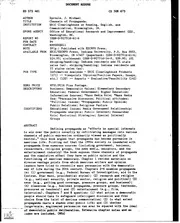
Harry Potter (series) 1-7
 84
84

Harry Potter (series) 1-7
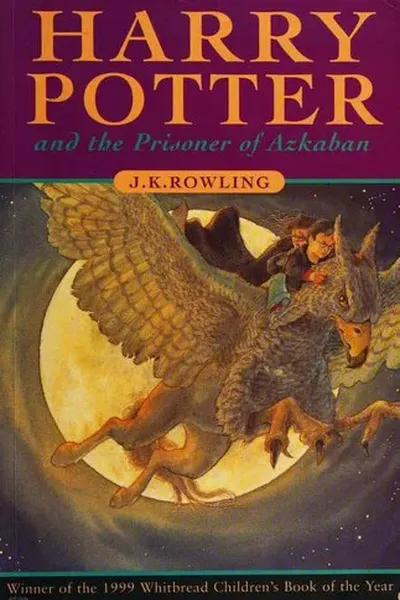
J.K. Rowling's seven-book saga of Harry Potter is more than just children's fantasy; it's a meticulously crafted exploration of courage, prejudice, and the enduring power of love. The series' strength lies in its consistent world-building and character arcs, particularly the slow, inevitable confrontation between Harry and Lord Voldemort. One might point to the depiction of the Dementors in *Prisoner of Azkaban* as a particularly effective, if harrowing, manifestation of despair. However, the narrative occasionally falters under the weight of its own mythos, with plot resolutions sometimes feeling overly convenient. Despite this, the series remains a monumental achievement in popular fiction, offering a potent allegory for confronting darkness. It is a significant work for understanding contemporary literary culture.
📝 Description
84
Published between 1997 and 2007, the seven Harry Potter books follow an orphaned boy discovering he is a wizard.
The Harry Potter series follows Harry Potter from his eleventh birthday, when he learns he is a wizard, through his education at Hogwarts School of Witchcraft and Wizardry. The seven volumes, released from 1997 to 2007, document Harry's conflict with the dark wizard Lord Voldemort, who killed his parents and aims to control both the magical and non-magical worlds.
This series appeals to a broad audience, especially those interested in fantasy, coming-of-age stories, and the conflict between good and evil. It suits young readers new to literature as well as adults who appreciate detailed world-building, character arcs, and allegorical undertones. Readers looking for an imaginative escape filled with mystery, adventure, and magic will find it rewarding.
While not overtly occult, the series engages with themes that resonate within esoteric traditions. The concept of magic as a structured force with ethical implications mirrors discussions found in various magical philosophies. Harry's journey involves understanding hidden worlds and forces, a common motif in esoteric narratives. The underlying emphasis on love, friendship, and personal choice in the face of dark forces also aligns with certain spiritual and magical ethical frameworks. The series' exploration of how belief and intention shape reality touches upon principles found in many esoteric belief systems.
💡 Why Read This Book?
• You will learn how narrative structure can build complex magical systems, as seen in the detailed spellcasting and potion-making that underpins Hogwarts' curriculum. • You will feel the impact of thematic consistency, observing how Rowling returns to core ideas like the sacrifice of Lily Potter to defeat Voldemort, reinforcing the series' central message. • You will understand the cultural impact of modern fantasy, recognizing how the global reception and adaptation of the books, starting in 1997, shaped literary trends and discourse.
⭐ Reader Reviews
Honest opinions from readers who have explored this book.
❓ Frequently Asked Questions
What year was the first Harry Potter book published?
The first book, *Harry Potter and the Philosopher's Stone*, was published in the United Kingdom in 1997. This marked the beginning of the seven-book series that would later become a global phenomenon.
Who is the primary antagonist in the Harry Potter series?
The primary antagonist is Lord Voldemort, a powerful dark wizard responsible for the murder of Harry Potter's parents and the architect of a tyrannical regime in the wizarding world.
What is the name of the magical school Harry Potter attends?
Harry Potter attends Hogwarts School of Witchcraft and Wizardry, a boarding school for young witches and wizards located in Scotland.
What are some of the main themes explored in the Harry Potter books?
Key themes include love, death, sacrifice, friendship, courage, prejudice, and the struggle between good and evil, all explored through Harry's journey from childhood to young adulthood.
How many books are in the Harry Potter series?
There are seven main books in the Harry Potter series, detailing Harry's seven years of magical education and his ultimate confrontation with Lord Voldemort.
What is a 'Muggle' in the context of Harry Potter?
A 'Muggle' is a term used in the Harry Potter universe to describe a person who has no magical abilities and is not descended from witches or wizards.
🔮 Key Themes & Symbolism
The Nature of Magic
The series presents magic not as arbitrary power, but as an inherent force governed by laws, ethics, and emotional states. Spells require intent and precision, potions demand specific ingredients, and magical ability is hereditary or bestowed. This structured approach allows for exploration of magic as a discipline, akin to a hidden science or art, with its own schools, practitioners, and dangers. The distinction between 'light' and 'dark' magic, and the moral choices associated with their use, forms a core element of the narrative's philosophical underpinnings.
Love and Sacrifice
Love is consistently portrayed as the most potent form of magic within the Harry Potter universe, capable of protection and ultimate victory against malevolent forces. Lily Potter's sacrifice is the foundational act that shields baby Harry, and this theme recurs throughout the series. It is love for friends, family, and even enemies that motivates acts of bravery and defines character. This contrasts sharply with Voldemort's inability to comprehend or wield love, highlighting it as a spiritual and protective force.
Prejudice and Purity
The series draws a strong parallel between the wizarding world's hierarchy and real-world discrimination. The concept of 'blood purity,' where wizards of pure-blood lineage look down upon Muggle-borns and those with mixed heritage (half-bloods), mirrors historical and contemporary forms of racism and xenophobia. Voldemort's ideology is rooted in this prejudice, seeking to subjugate or eliminate those deemed 'impure,' making the fight against him a struggle for equality and acceptance.
Destiny and Free Will
Harry's life is shaped by prophecy, suggesting a predetermined path towards confronting Voldemort. However, the series actively questions the extent to which destiny dictates actions. Characters constantly make choices that diverge from apparent fate, demonstrating that while circumstances may be set, the response to them is a matter of individual agency. The narrative suggests that true strength lies not in fulfilling prophecy, but in choosing one's own path, particularly when it involves love and sacrifice.
💬 Memorable Quotes
Direct passages from the work, attributed to the author.
“It is our choices, Harry, that show what we truly are, far more than our abilities.”
— This statement by Albus Dumbledore emphasizes the ethical dimension of character development. It posits that actions and decisions, rather than innate talents or predetermined fates, are the true indicators of an individual's moral compass and identity.
“The truth is a beautiful and terrible thing, and must therefore be treated with great caution.”
— Albus Dumbledore's observation points to the complex nature of truth. It suggests that while truth is valuable, its revelation can have profound and sometimes dangerous consequences, requiring careful consideration of timing and impact.
“It takes a great deal of bravery to stand up to our enemies, but just as much to stand up to our friends.”
— This sentiment from Albus Dumbledore underscores the difficulty of maintaining integrity in relationships. It suggests that challenging friends, when necessary for moral reasons, requires a distinct form of courage often overlooked in favor of confronting external adversaries.
💡 Key Ideas
Editorial paraphrase of the work's core concepts — not direct quotes.
Fear of a name only increases fear of the thing itself.
This quote from Hermione Granger highlights the psychological power of naming and acknowledging threats. By refusing to name Voldemort, the wizarding community amplifies their own fear, illustrating how avoidance can strengthen the very thing one dreads.
It matters not what someone is born, but what they grow to be.
This quote, also attributed to Dumbledore, directly confronts the theme of prejudice. It asserts that one's lineage or origin is less important than their actions, character, and personal growth, advocating for judgment based on merit rather than birthright.
🌙 Esoteric Significance
Tradition
While not explicitly aligned with a single esoteric tradition, the Harry Potter series draws heavily on Western occultism, particularly elements of Hermeticism and ritual magic. The structured system of spells, wands as focal points, the concept of innate magical ability, and the separation of magical and mundane worlds echo themes found in ceremonial magic traditions. The emphasis on intent, will, and specific incantations for magical effect aligns with principles found in various grimoires and magical texts, presenting a popularized, albeit fictionalized, view of magical practice.
Symbolism
The **Elder Wand**, one of the Deathly Hallows, symbolizes ultimate power and mastery over death, a recurring motif in alchemical and mystical lore. The **Mirror of Erised** represents the deceptive allure of unfulfilled desires and the dangers of dwelling on what cannot be, a concept resonant with Buddhist teachings on attachment. The **Sorting Hat** at Hogwarts symbolizes the inner self and destiny, assigning students to houses based on their core qualities, reflecting ancient notions of spiritual or elemental affinity.
Modern Relevance
Contemporary thinkers and practitioners in fields like literary criticism and even some New Age spirituality often reference the Harry Potter series. Its allegorical depth regarding power structures, prejudice, and the nature of good and evil continues to be analyzed. For some, the series serves as a modern entry point for exploring concepts of magic, destiny, and the power of belief, acting as a cultural touchstone that introduces esoteric ideas to a wider audience, albeit through a fictional lens.
👥 Who Should Read This Book
• Aspiring authors and storytellers seeking models for intricate world-building and character development within a fantasy framework. • Readers interested in comparative mythology and folklore, as the series incorporates elements and archetypes found across various cultural narratives. • Young adults and adults exploring themes of courage, morality, and the impact of societal prejudice, seeking relatable narratives that tackle complex issues.
📜 Historical Context
The publication of *Harry Potter and the Philosopher's Stone* in 1997 by Bloomsbury marked a significant moment for children's literature. While fantasy for young readers was not new, the sheer scale and detailed magic system of Rowling's work captured a global imagination that had been somewhat dormant. The series rapidly transcended its genre, becoming a cultural touchstone by the early 2000s. Its success was met with both widespread acclaim and, at times, controversy; some conservative religious groups in the United States, for instance, raised concerns about perceived occult or pagan themes. This reception, alongside its massive commercial success and critical analysis from scholars, positioned the Harry Potter books as a major literary and cultural event of the late 20th and early 21st centuries, rivaling the impact of earlier children's fantasy series.
📔 Journal Prompts
The concept of horcruxes and their relation to the soul's integrity.
Harry Potter's recurring encounters with the Dementors and their symbolic meaning.
The function and symbolism of the Mirror of Erised in personal reflection.
The contrast between Voldemort's pursuit of power and Harry's embrace of love.
The societal structures within the wizarding world and their parallels to Muggle society.
🗂️ Glossary
Muggle
A person who lacks magical ability and is born to non-magical parents. The term signifies the ordinary, non-magical population within the story's universe.
Horcrux
An object in which a dark wizard or witch has hidden a fragment of their soul to achieve immortality. Creating a Horcrux requires committing murder.
Dementor
A dark creature that feeds on human happiness, inducing despair and draining joy. They serve as guards at Azkaban prison.
Prophecy
A prediction concerning the future, often of great importance to the plot. The prophecy concerning Harry Potter and Lord Voldemort shapes much of the narrative.
Blood Purity
A discriminatory ideology within the wizarding world that deems individuals with non-magical ancestry (Muggle-borns) or mixed heritage as inferior.
Patronus Charm
A defensive charm that conjures a magical guardian, typically in the form of an animal, to repel Dementors and Lethifolds.
Deathly Hallows
Three legendary magical objects – the Elder Wand, the Resurrection Stone, and the Cloak of Invisibility – said to grant mastery over death.
🔮 Readers Also Liked
Browse all →






More by J. K. Rowling
All books →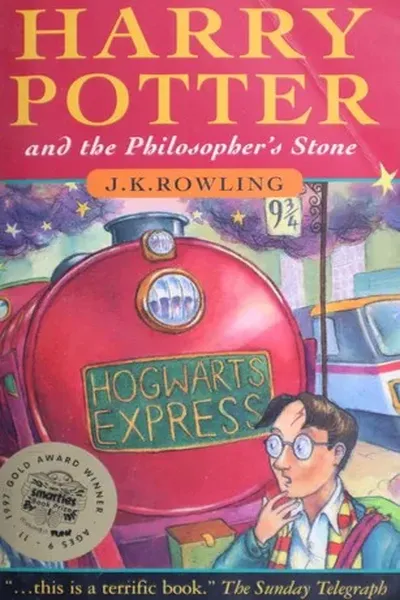


More Free Witchcraft & Paganism Books
View all →