Ḥerut ʻal ha-luḥot
 61
61

Ḥerut ʻal ha-luḥot

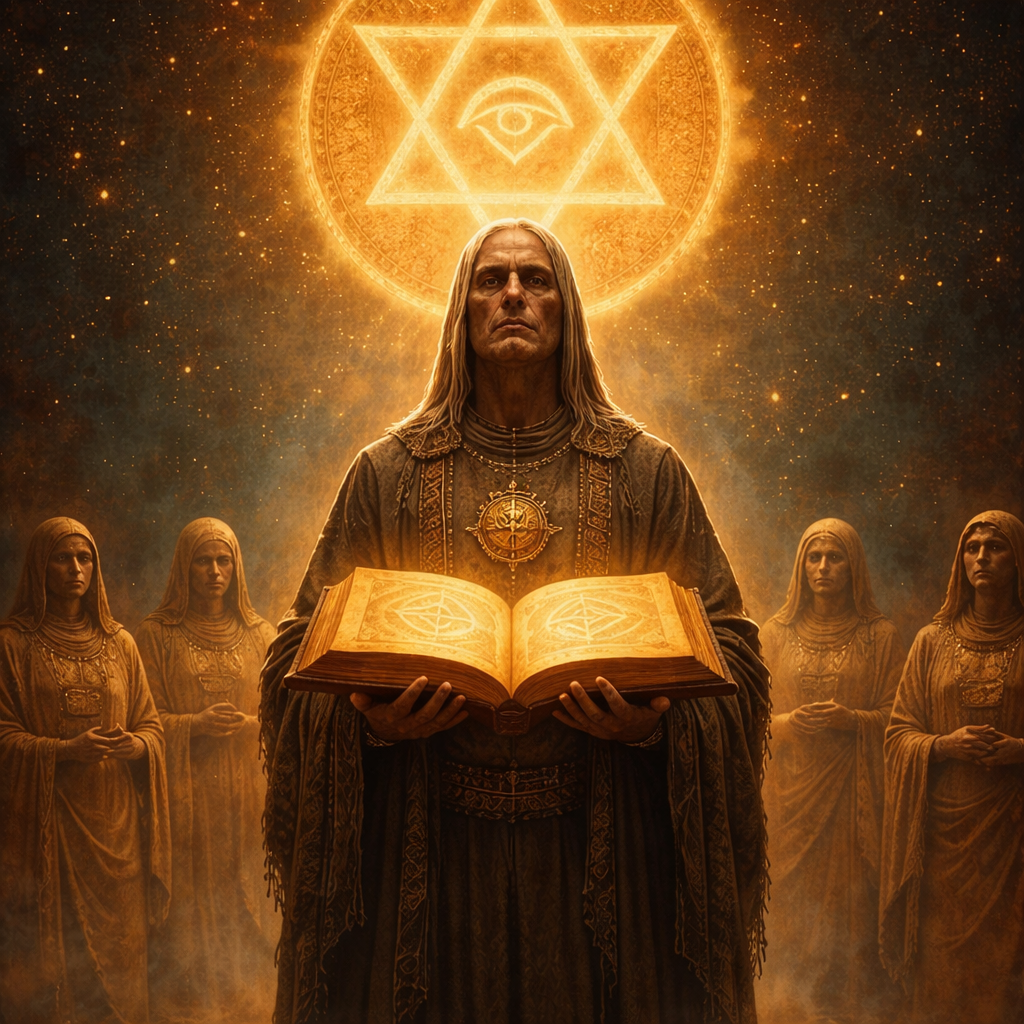

By Isolde Whitaker (Sacred Texts Editor) — 'Herut al ha-Luhot' is a seminal work that offers unparalleled access to the esoteric currents within Jewish mysticism. Rachel Elior, a luminary in the field, guides readers through the complex tapestries of Kabbalah and Hasidism with exceptional clarity and scholarly rigor. Her analysis of the symbolic language and philosophical underpinnings reveals profound spiritual insights, particularly concerning freedom and divine revelation. This book is not for the casual reader; it is a deep dive for those committed to understanding the mystical traditions of Judaism. Its strength lies in its comprehensive scope and Elior's authoritative voice, making it an essential acquisition for scholars, advanced practitioners, and serious spiritual seekers.
📝 Description
61
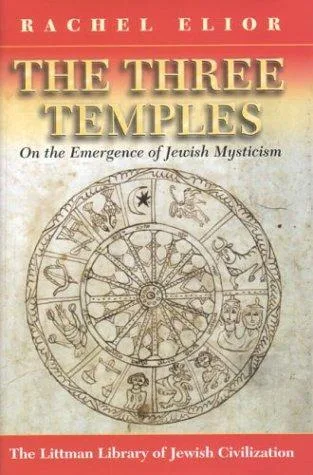
Rachel Elior's 'Herut al ha-Luhot' (1996) examines the Kabbalistic concept of divine freedom.
Rachel Elior's 'Herut al ha-Luhot' ('Freedom on the Tablets') investigates the theological underpinnings of Jewish mysticism. The book scrutinizes the development of Kabbalistic thought, particularly concerning the nature of divine freedom as understood within traditions like Hasidism. Elior analyzes the philosophical structures that informed Jewish contemplative practices over centuries.
The work traces connections from early Gnostic ideas to the emergence of the Hasidic movement. It presents the texts as keys to understanding mystical aspects of creation, divine immanence, and the path toward spiritual liberation for the individual. Elior's analysis engages with concepts that aim to explain the structure of existence and the human spirit's desire for ultimate reality.
This study is situated within the academic study of Jewish esoteric traditions. It specifically addresses the theological and philosophical currents that shaped Kabbalah and later movements like Hasidism. Elior's work connects these traditions to earlier mystical and philosophical concepts, charting a lineage of thought concerning God's relationship with creation and the human quest for spiritual attainment.
💡 Why Read This Book?
Uncover the ancient esoteric wisdom of Kabbalah and Hasidism. 'Herut al ha-Luhot' offers a rare and profound journey into the symbolic language and philosophical depths of Jewish mysticism. Ideal for scholars seeking authoritative analysis, practitioners yearning for deeper spiritual connection, and seekers of hidden knowledge, this book illuminates the path to inner freedom and divine understanding.
⭐ Reader Reviews
Honest opinions from readers who have explored this book.
❓ Frequently Asked Questions
What is the primary focus of 'Herut al ha-Luhot'?
The book primarily focuses on the esoteric dimensions of Kabbalah and Hasidism, exploring their philosophical frameworks, symbolic language, and spiritual teachings, with an emphasis on themes of freedom and divine revelation.
Who is Rachel Elior and what is her expertise?
Rachel Elior is a renowned scholar of Jewish mysticism, particularly known for her groundbreaking research on Kabbalah, Hasidism, and Gnosticism. Her work is characterized by its depth, originality, and profound understanding of these traditions.
Is 'Herut al ha-Luhot' suitable for beginners in mysticism?
While comprehensive, the book delves into complex theological and philosophical concepts. It is best suited for those with some foundational knowledge of religious studies or mysticism, though dedicated beginners may find it a challenging yet rewarding read.
What kind of spiritual insights can one expect from this book?
Readers can expect insights into the nature of the Divine, the structure of the cosmos, the path to spiritual liberation, and the mystical experience of God's presence, all viewed through the lens of Jewish esoteric traditions.
Does the book discuss practical Kabbalistic practices?
The book focuses more on the theoretical and philosophical aspects of Kabbalah and Hasidism, exploring their theological underpinnings and historical development rather than providing step-by-step practical guides for rituals or meditation.
🔮 Key Themes & Symbolism
The Kabbalistic Tree of Life: A Cosmic Blueprint
This theme examines the profound symbolism of the Kabbalistic Tree of Life (Etz Chaim), exploring its representation of the divine emanations (Sefirot) and the structure of the cosmos. It examines how this intricate diagram serves as a map for understanding the interplay between the Infinite (Ein Sof) and the created world, and how it guides the mystic's ascent towards divine consciousness. The discussion highlights the interconnectedness of all existence and the hidden pathways that lead to spiritual illumination and unity with the Divine Source.
Hasidism: The Ecstatic Heart of Jewish Mysticism
This section illuminates the vibrant spiritual range of Hasidism, a movement that infused Jewish life with ecstatic devotion and profound mystical experience. It explores the teachings of the Baal Shem Tov and his successors, emphasizing their focus on immanent divinity, the sanctity of everyday life, and the power of joy and fervent prayer. The theme examines the concept of 'devekut' (cleaving to God) and how Hasidic masters fostered a direct, personal relationship with the Divine, transforming ordinary existence into a sacred journey of spiritual awakening and divine service.
Freedom as Divine Revelation and Inner Liberation
Central to the book is the theme of 'Herut' (freedom), understood not merely as political or social liberation, but as a profound spiritual state achieved through understanding divine revelation and inner transformation. This theme explores how Kabbalistic and Hasidic thought posits that true freedom is found in aligning oneself with the divine will, shedding the ego's limitations, and experiencing the direct presence of God. It examines the Tablets of the Covenant as symbols of this divine law and the path to spiritual emancipation, where obedience leads to ultimate liberty and spiritual sovereignty.
💬 Memorable Quotes
Direct passages from the work, attributed to the author.
“To truly see is to perceive the hidden light within the mundane.”
— This highlights the esoteric practice of looking beyond the surface of reality to recognize the divine presence and spiritual significance inherent in everyday life.
“The journey inward is the ultimate path to the Infinite.”
— This emphasizes the introspective nature of mystical pursuit, suggesting that the exploration of one's own consciousness is the most direct route to connecting with the Divine.
“Freedom is not the absence of constraint, but the presence of the Divine.”
— This redefines freedom in a spiritual context, positing that true liberation comes from alignment with God's will and divine consciousness, rather than external circumstances.
“The letters of the Torah are keys to unlocking the gates of heaven.”
— This refers to the Kabbalistic belief in the sacred power of the Hebrew letters and their ability to unlock spiritual understanding and facilitate divine connection.
💡 Key Ideas
Editorial paraphrase of the work's core concepts — not direct quotes.
The divine spark resides in the lowest depths, waiting to be ignited.
This quote speaks to the immanence of God and the potential for spiritual awakening in all beings and situations, no matter how seemingly mundane or fallen.
🌙 Esoteric Significance
Tradition
This book is deeply rooted in the esoteric traditions of Kabbalah and Hasidism, two of the most significant streams of Jewish mysticism. It explores the intricate symbolic language, contemplative practices, and philosophical frameworks that have been passed down through generations. Elior's work examines the 'hidden' aspects of these traditions, focusing on their metaphysical doctrines, their understanding of creation, and the pathways to spiritual union with the Divine, offering a useful insights into the soul of Jewish esoteric wisdom.
Symbolism
The text meticulously unpacks the strong symbolism inherent in Kabbalistic and Hasidic thought. Key symbols such as the Sefirot (divine emanations), the letters of the Hebrew alphabet, the concept of 'Tzimtzum' (divine contraction), and the metaphor of the 'Shekhinah' (divine presence) are analyzed for their esoteric meanings. Elior reveals how these symbols function not merely as abstract concepts but as dynamic energies and gateways to higher consciousness, providing a framework for understanding the divine architecture of the cosmos and the human soul's journey towards redemption.
Modern Relevance
In an era often characterized by existential searching and a yearning for meaning, 'Herut al ha-Luhot' offers profound relevance. The book's exploration of spiritual freedom, divine immanence, and the pursuit of inner liberation resonates deeply with contemporary seekers. Elior's scholarly yet accessible approach makes complex mystical ideas understandable, providing tools for personal spiritual growth and a deeper appreciation for the enduring wisdom of ancient traditions in working through the challenges of modern life.
👥 Who Should Read This Book
This comprehensive work is essential for seasoned scholars of Jewish mysticism and religious studies seeking authoritative analysis and historical context. Advanced practitioners of Kabbalah and Hasidism will find it important for deepening their understanding of core principles and esoteric nuances. Spiritual seekers interested in exploring the profound philosophical and mystical dimensions of Judaism will be richly rewarded. Even dedicated beginners with a strong desire to engage with complex metaphysical concepts will find 'Herut al ha-Luhot' a challenging yet profoundly enlightening guide to the heart of Jewish esoteric traditions.
📜 Historical Context
Rachel Elior's 'Herut al ha-Luhot' emerges from a rich intellectual tradition deeply rooted in the history of Jewish esoteric thought. The book situates itself within the post-medieval period, a time when Kabbalistic ideas, initially circulating in select circles, began to permeate broader Jewish society, notably through the Lurianic Kabbalah and subsequently the Hasidic movement. The emergence of Hasidism in the 18th century, as a spiritual revival characterized by ecstatic devotion and emphasis on direct experience of God, represents a key moment in this lineage, often seen as a democratization of mystical practice. Elior's work engages with the philosophical and historical debates surrounding these movements, drawing connections to earlier Gnostic traditions and tracing the evolution of mystical concepts of freedom, revelation, and divine immanence. Understanding this historical trajectory is crucial for appreciating the book's contribution to scholarship and its relevance to contemporary spiritual inquiry.
📔 Journal Prompts
Reflect on the concept of 'freedom' as presented in the book. How does this differ from conventional understandings of freedom, and how can one cultivate this spiritual freedom in daily life?
Explore the symbolism of a key Kabbalistic or Hasidic concept discussed in the book (e.g., Sefirot, Shekhinah, Tzimtzum). How does this symbol illuminate your understanding of the Divine or your own spiritual journey?
Consider the Hasidic emphasis on immanence and finding God in the mundane. What are practical ways to bring this awareness into your own everyday experiences?
The book discusses the idea of 'hidden light.' Where in your own life or the world around you do you perceive or seek to uncover this hidden divine spark?
How does the concept of 'devekut' (cleaving to God) as described in the book offer a new perspective on your relationship with the Divine?
🗂️ Glossary
Kabbalah
A system of Jewish mysticism that seeks to understand the nature of God, creation, and the relationship between the human and the divine through esoteric interpretation of scripture and symbolic frameworks.
Hasidism
A Jewish religious movement that emerged in 18th-century Eastern Europe, emphasizing spiritual devotion, joy, and direct personal experience of God, often expressed through ecstatic prayer and communal living.
Sefirot
In Kabbalah, the ten divine emanations or attributes through which Ein Sof (the Infinite) manifests itself and interacts with the created universe. They form the structure of the Kabbalistic Tree of Life.
Ein Sof
The Kabbalistic term for God in God's absolute essence, beyond all comprehension and description; the Infinite or Limitless One.
Devekut
A Hebrew term meaning 'cleaving' or 'attachment' to God, referring to a state of intense spiritual communion and deep contemplative union with the Divine sought in Jewish mysticism.
This book appears in 1 collection
🔮 Readers Also Liked
Browse all →








More by Rachel Elior
All books →




From the “Kabbalah” Collection
View all →





More Free Kabbalah & Jewish Mysticism Books
View all →