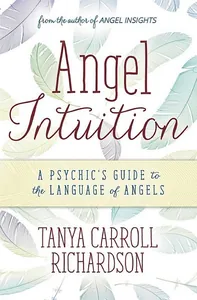
Ghostly Encounters
 73
73

Ghostly Encounters
Dennis Waskul’s *Ghostly Encounters* offers a grounded, ethnographic perspective on the supernatural, steering clear of sensationalism to focus on the texture of lived experience. The strength of the book lies in its detailed examination of how ordinary people in the American Midwest construct meaning around alleged hauntings. Waskul’s fieldwork, involving 71 interviews, provides a rich dataset for understanding the interpretative processes involved. A limitation, however, is the book's occasional academic dryness; while rigorous, it sometimes sacrifices narrative flow for theoretical exposition. The discussion of the "will to believe" is particularly compelling, demonstrating how personal conviction interacts with social context. Waskul presents a sober, scholarly exploration of a perennially fascinating subject.
📝 Description
73
Dennis Waskul's 2016 book details firsthand accounts of supernatural experiences from the American Midwest.
Dennis Waskul's *Ghostly Encounters* is a reflexive ethnography presenting firsthand accounts of supernatural experiences. The book is rooted in two years of fieldwork and interviews with 71 individuals in the American Midwest. Waskul examines how people transform uncanny happenings into ghost stories and hauntings. He also looks at the psychological and social reasons behind a 'will to believe' and how individuals deal with or push back against such beliefs when faced with unexplainable events.
This work will interest scholars of folklore, the sociology of religion, and paranormal studies. It is also for general readers curious about how subjective experiences of the uncanny become part of everyday belief systems and personal stories. The book comes from a modern academic interest in lived religion and the sociology of belief, especially how people interpret anomalous experiences outside of formal religious structures. It adds to studies that value personal testimony as important data.
This book fits within contemporary studies of lived religion and the sociology of belief. It examines how individuals make sense of anomalous experiences, treating personal testimony as significant data. Waskul's work connects to traditions that focus on subjective experience and the construction of meaning around the uncanny, particularly as it relates to folklore and the formation of personal narratives about the supernatural.
💡 Why Read This Book?
• Gain insight into the interpretive frameworks used by individuals in the American Midwest to understand "uncanny happenings," as detailed in Waskul’s fieldwork, allowing for a deeper comprehension of belief formation outside of traditional religious structures. • Understand the concept of the "will to believe" as explored through the 71 interviews conducted by Waskul, revealing the complex interplay between personal conviction and the social construction of supernatural experiences. • Analyze the ethnographic methodology employed by Waskul, providing a scholarly approach to collecting and interpreting firsthand accounts of ghosts and hauntings, distinct from sensationalized or purely anecdotal accounts.
⭐ Reader Reviews
Honest opinions from readers who have explored this book.
❓ Frequently Asked Questions
What is the primary methodology used in Dennis Waskul's Ghostly Encounters?
The book employs a reflexive ethnographic approach, drawing on two years of fieldwork and interviews with 71 individuals in the American Midwest to understand their experiences with the supernatural.
When was Ghostly Encounters first published?
Ghostly Encounters by Dennis Waskul was first published on June 10, 2016.
What geographical region does the research for Ghostly Encounters focus on?
The research and interviews for Ghostly Encounters were conducted primarily in the American Midwest.
What is the core academic discipline addressed by Ghostly Encounters?
The book sits at the intersection of sociology of religion, folklore studies, and the anthropology of belief, examining how people interpret and narrate supernatural experiences.
Does Ghostly Encounters present evidence for the existence of ghosts?
No, the book focuses on how people *experience* and interpret alleged hauntings and supernatural events, rather than attempting to prove or disprove their objective reality.
Who is the author of Ghostly Encounters?
The author of Ghostly Encounters is Dennis Waskul.
🔮 Key Themes & Symbolism
The Will to Believe
Waskul meticulously examines the psychological and social drivers behind the 'will to believe' in the supernatural. This isn't about blind faith, but rather the complex motivations—personal, cultural, and experiential—that lead individuals to embrace or grapple with interpretations of uncanny events as ghostly phenomena. The book suggests this drive is deeply intertwined with how people make sense of their world and their place within it, often in the absence of conventional explanations.
Narrative Construction of Hauntings
A central theme is how ordinary, "uncanny happenings" are transformed into coherent narratives of ghosts and hauntings. Waskul illustrates how personal experiences, often fragmented or ambiguous, are shaped through social interaction and personal reflection into stories that fit within existing cultural frameworks of the supernatural. This process highlights the active role individuals play in creating and maintaining their understanding of the paranormal.
Ethnography of Lived Experience
The book stands as a significant example of ethnographic research focused on subjective paranormal experiences. By grounding the study in the testimonies of 71 Midwestern Americans, Waskul provides a detailed look at how these beliefs manifest in everyday life. This approach prioritizes the perspectives of those experiencing the phenomena, offering a unique lens distinct from theoretical or historical accounts of ghosts.
Interpreting the Anomalous
Waskul explores the diverse ways individuals interpret anomalous events that defy mundane explanation. Whether these interpretations lean towards the supernatural or are actively resisted, the book charts the cognitive and emotional range of encountering the unexplained. It maps the spectrum of responses, from immediate acceptance to prolonged skepticism, within the context of lived experience.
💬 Memorable Quotes
Direct passages from the work, attributed to the author.
“The book examines how uncanny happenings become ghosts.”
— This statement captures the core ethnographic project: understanding the process by which inexplicable events are categorized and understood within a culture as evidence of ghostly presence, moving from raw experience to cultural narrative.
“People struggle with or against a will to believe.”
— This highlights the internal and external conflict individuals face when confronted with experiences that challenge their worldview, indicating that belief in the supernatural is often an active negotiation rather than passive reception.
“Based on two years of fieldwork and interviews with 71 midwestern Americans.”
— This factual anchor underscores the empirical foundation of Waskul's work, emphasizing its basis in direct human testimony and a specific regional focus, lending credibility to its ethnographic claims.
“The Waskuls book is a reflexive ethnography.”
— This points to the methodological stance, acknowledging the researcher's own role and perspective in shaping the interpretation of the data, a key element in contemporary qualitative research.
“The authors explore how people experience ghosts and hauntings in everyday life.”
— This phrase defines the scope of the inquiry, focusing on the integration of paranormal beliefs into the mundane fabric of daily existence, rather than isolated or extraordinary claims.
🌙 Esoteric Significance
Tradition
While not explicitly tied to a singular esoteric lineage like Hermeticism or Kabbalah, *Ghostly Encounters* operates within the broader metaphysical and paranormal studies sphere, which often intersects with occult traditions. Its focus on subjective experience and the interpretation of unseen phenomena aligns with practices found in spiritualism and modern occultism that emphasize personal revelation and the validation of inner experience over dogma.
Symbolism
The primary "symbol" explored is the ghost itself, not as a fixed icon, but as a fluid concept representing the unknown, the unresolved, and the boundary between life and death. Hauntings, as narratives, symbolize unresolved issues, psychological states, or lingering energies. The "uncanny happenings" serve as motifs, representing moments where the ordinary fabric of reality appears to fray, inviting supernatural interpretation.
Modern Relevance
This work remains relevant for contemporary paranormal investigators, mediumship practitioners, and anyone interested in the psychology of belief in the afterlife. Its ethnographic rigor provides a valuable model for documenting and understanding subjective paranormal experiences, informing modern discussions within spiritualist communities and among researchers exploring consciousness and altered states.
👥 Who Should Read This Book
• Students of Folklore and Mythology: Those studying how cultural narratives about the supernatural are formed, transmitted, and internalized within specific communities. • Sociologists of Religion and Belief: Researchers interested in how individuals interpret anomalous experiences and construct belief systems outside of formal religious structures. • Paranormal Enthusiasts and Investigators: Individuals seeking a scholarly, grounded perspective on firsthand accounts of ghosts and hauntings, moving beyond sensationalism to understand the human element.
📜 Historical Context
Published in 2016, Dennis Waskul's *Ghostly Encounters* arrived during a period of sustained academic interest in the sociology of belief and lived religion. This intellectual climate encouraged scholars to examine how individuals construct meaning around anomalous experiences outside of established religious institutions. Waskul's work engages with this trend by treating firsthand accounts of the supernatural not as mere folklore, but as significant data points in understanding human interpretation and belief formation. The book’s ethnographic approach, focusing on 71 Midwestern Americans, offers a grounded counterpoint to more abstract theoretical discussions of belief. While not directly engaging with a specific named contemporary scholar in its blurbs, its methodology aligns with scholars like David Morgan and Meredith McGuire, who have explored similar themes in the study of religious experience and belief. The work implicitly participates in a broader academic conversation about how subjective experiences are narrated and validated.
📔 Journal Prompts
The transformation of "uncanny happenings" into ghost stories.
Personal interpretations of anomalous events.
The role of the "will to believe" in shaping experiences.
Everyday integration of supernatural beliefs.
The researcher's perspective in ethnographic studies.
🗂️ Glossary
Reflexive Ethnography
An anthropological research approach where the researcher critically examines their own role, biases, and influence on the research process and findings, acknowledging subjectivity.
Uncanny Happenings
Events or occurrences that are strange, mysterious, or unsettling, often defying conventional explanation and potentially interpreted as supernatural.
Will to Believe
The psychological and social inclination or motivation that leads individuals to accept, seek, or maintain belief in something, particularly when confronted with ambiguity or lack of definitive proof.
Fieldwork
The collection of data through direct observation and interaction with subjects in their natural environment, as opposed to a laboratory setting.
Midwestern Americans
Refers to individuals residing in the geographic region of the Midwestern United States, serving as the specific cultural and geographical focus of Waskul's interviews.
Ghost Stories
Narratives that recount encounters with ghosts or spirits, often serving to explain the inexplicable or explore themes of death, memory, and the afterlife.
Hauntings
Situations or locations believed to be inhabited by spirits or ghosts, characterized by unexplained phenomena attributed to these presences.
This book appears in 1 collection
🔮 Readers Also Liked
Browse all →








From the “Ghosts” Collection
View all →






More Free Occult Philosophy Books
View all →