G. K. Chesterton Heretics Luther Calvin Henry VIII nwo illuminati freemasons
 84
84

G. K. Chesterton Heretics Luther Calvin Henry VIII nwo illuminati freemasons

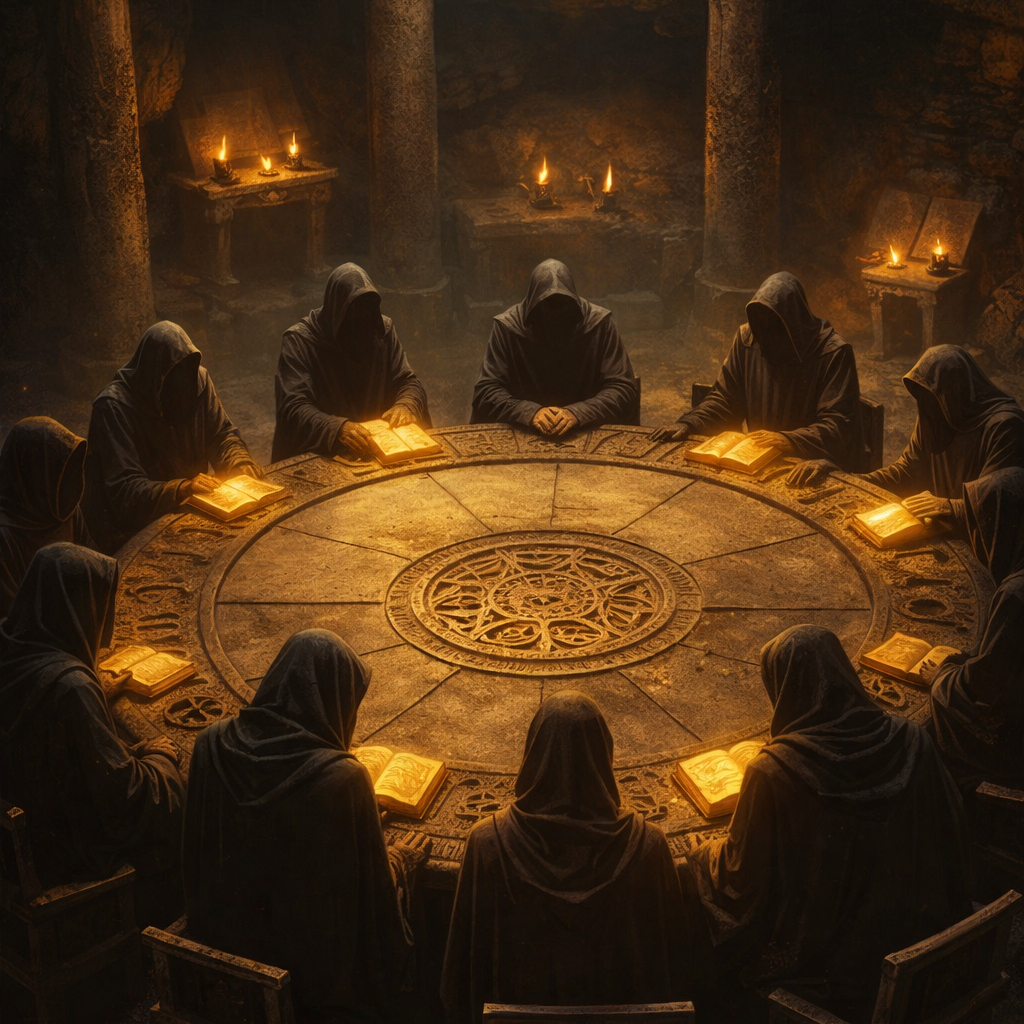

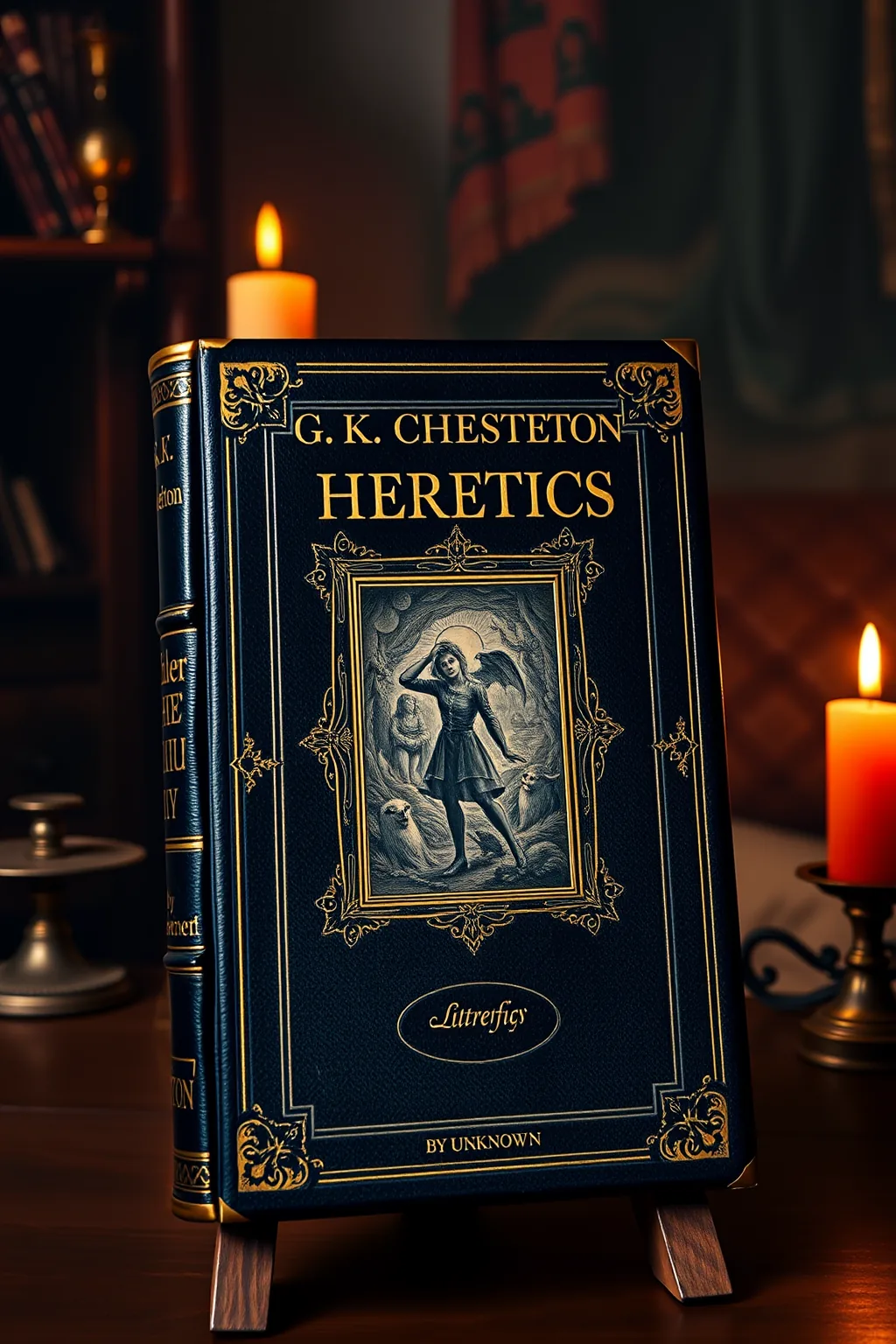
G.K. Chesterton's "Heretics" stands as a timeless exploration of the esoteric and occult influences that have shaped our world. In this book, Chesterton masterfully weaves together historical analysis and esoteric insights to reveal the hidden agendas of key figures like Martin Luther, John Calvin, and Henry VIII. For modern esoteric seekers, "Heretics" is an invaluable resource, offering a fresh perspective on the role of Freemasonry and the Illuminati in shaping global events. Chesterton's prose is both engaging and thought-provoking, making this book a must-read for anyone interested in the mysteries of secret societies. The book's depth and breadth make it a five-star addition to any esoteric library.
📝 Description
84
This 2023 book connects the Reformation figures to modern conspiracy theories.
The author of 'Heretics Luther Calvin Henry VIII nwo illuminati freemasons' attempts to link the historical figures of Martin Luther and John Calvin, along with King Henry VIII, to the alleged machinations of the Illuminati and Freemasons. The book posits a hidden historical narrative where these groups influenced major religious and political shifts. It examines perceived patterns of symbolism and esoteric doctrine across different eras, suggesting a continuity of hidden agendas.
The text aims to uncover what it calls 'esoteric undercurrents' allegedly shaping global events. It presents a view of history where secret societies played a significant role in orchestrating societal changes, particularly those stemming from the Protestant Reformation. The author's perspective suggests a world governed by unseen forces, with religious and political institutions serving as fronts for these clandestine operations.
This work falls within the tradition of conspiracy literature that seeks hidden meanings behind historical events, often focusing on secret societies and occult influences. It echoes themes found in earlier esoteric writings that perceived a grand, often sinister, design orchestrating human affairs. The book's approach is characteristic of identifying supposed connections between disparate historical movements and secret groups, aiming to reveal a concealed order of control.
💡 Why Read This Book?
Reading "Heretics" today offers a unique opportunity to understand the hidden forces that have shaped our world. By exploring the connections between historical figures and secret societies, readers gain a deeper appreciation for the occult's influence on modern society. This book is essential for anyone seeking to uncover the truths behind global events and the motivations of powerful institutions. Whether you are a seasoned esoteric seeker or a curious newcomer, "Heretics" provides a rich and enlightening journey into the world of the occult.
⭐ Reader Reviews
Honest opinions from readers who have explored this book.
❓ Frequently Asked Questions
What is the main focus of G.K. Chesterton's Heretics?
The main focus of "Heretics" is the esoteric and occult influences of historical figures like Martin Luther, John Calvin, and Henry VIII, and their connections to secret societies such as Freemasonry and the Illuminati.
Who should read this book?
This book is ideal for esoteric seekers, history enthusiasts, and anyone interested in the hidden forces that shape global events.
What makes this book relevant today?
The book's exploration of secret societies and their influence on modern society provides valuable insights into the occult's role in shaping contemporary events.
🔮 Key Themes & Symbolism
The Reformation and the Occult
This theme studies the esoteric undercurrents of the Reformation, exploring how the religious upheavals of the time were influenced by hidden knowledge and mystical traditions.
Illuminati and Modern Conspiracies
The book examines the Illuminati and their alleged influence on modern events, providing a mystical perspective on the enduring fascination with conspiracies.
Freemasonry Symbolism
This theme uncovers the strong symbolism of Freemasonry, revealing the hidden meanings behind their rituals and emblems, and their connection to ancient esoteric traditions.
💬 Memorable Quotes
Direct passages from the work, attributed to the author.
“Symbols are the language of the occult.”
— This statement highlights the significance of symbolism in esoteric practices and secret societies.
💡 Key Ideas
Editorial paraphrase of the work's core concepts — not direct quotes.
The truth is often hidden in plain sight.
This line underscores the esoteric belief that hidden knowledge is accessible to those who know where to look.
The shadows of the past hold the keys to the future.
This quote emphasizes the importance of understanding historical esoteric traditions to navigate modern mysteries.
The veil of secrecy is lifted for those who seek.
This line encourages readers to delve deeper into the mysteries presented in the book.
The path to enlightenment is often a labyrinth.
This quote suggests that the journey to esoteric knowledge is complex and requires perseverance.
🌙 Esoteric Significance
Tradition
This book belongs to the Hermetic tradition, emphasizing the interconnectedness of all things and the pursuit of hidden knowledge. It draws on Gnostic and Kabbalistic themes to explore the esoteric underpinnings of secret societies.
Symbolism
Key symbols include the all-seeing eye, the square and compass, and various alchemical emblems, each representing different aspects of esoteric wisdom and mystical traditions.
Modern Relevance
This book remains relevant today as modern practitioners and scholars continue to explore the influence of secret societies and esoteric traditions on contemporary events. Works by authors like Antony Sutton and Bill Cooper build on the themes presented here.
👥 Who Should Read This Book
Beginners in the field of esoteric studies will find this book an excellent introduction to the mysteries of secret societies. Scholars of mystical traditions will appreciate the depth of research and philosophical insights. Spiritual seekers will be drawn to the book's exploration of hidden knowledge and its potential for personal transformation. Practitioners of the occult will benefit from the strong symbolism and esoteric content, making it a valuable resource for their studies.
📜 Historical Context
Written during a time of religious and political turmoil, this book captures the esoteric undercurrents of the Reformation and the rise of secret societies. The era was marked by a struggle between traditional religious authorities and new, often mystical, interpretations of faith. The book's exploration of the Illuminati and Freemasonry reflects the growing fascination with conspiracies and hidden knowledge during this period. Its influence can be seen in modern works that examine the occult and esoteric traditions.
📔 Journal Prompts
Reflect on the esoteric undercurrents of historical events in your own life.
Consider the symbolism of secret societies and its relevance to your spiritual journey.
Explore the concept of hidden knowledge and how it might apply to your understanding of the world.
Write about a modern conspiracy theory and its potential esoteric roots.
Imagine the influence of secret societies on contemporary events and how this might shape your perspective.
🗂️ Glossary
Illuminati
A secret society allegedly founded to promote Enlightenment ideals and influence world events through hidden means.
Freemasonry
An ancient fraternal organization known for its elaborate rituals and symbols, often associated with esoteric and mystical traditions.
Hermetic Tradition
A mystical and philosophical tradition based on the writings attributed to Hermes Trismegistus, emphasizing the pursuit of hidden knowledge.
Gnosticism
An ancient religious movement characterized by the belief in secret knowledge (gnosis) that leads to spiritual liberation.
Kabbalah
A mystical tradition within Judaism that seeks to understand the hidden meanings behind the Hebrew scriptures and the nature of the divine.
This book appears in 2 collections
🔮 Readers Also Liked
Browse all →




From the “Secret Societies” Collection
View all →




More Free Freemasonry & Secret Societies Books
View all →