Fruits Basket, Volume 21

 70
70

Fruits Basket, Volume 21


Marcus Thorne (Esoteric Sciences Reviewer) — Volume 21 of Fruits Basket masterfully continues its exploration of the Sohma family's astrological curse, presenting it not merely as a magical affliction but as a potent metaphor for inherited trauma and spiritual stagnation. Natsuki Takaya's nuanced portrayal of characters grappling with their destinies offers profound insights into the cyclical patterns of suffering and the arduous journey toward cosmic alignment. The narrative's integration of Zodiac symbolism transcends mere plot device, serving as a rich repository of esoteric knowledge concerning transformation and release. This installment is a compelling read for those interested in the intersection of psychology, mythology, and the pursuit of inner harmony. Its strength lies in its ability to transmute fantastical elements into deeply resonant spiritual lessons.
📝 Description
70
Volume 21 of Fruits Basket continues the Sohma family's curse, tied to Chinese Zodiac animals.
This volume of Fruits Basket focuses on the Sohma family's curse, a deep-seated affliction linked to the Chinese Zodiac. The narrative follows Tohru Honda's persistent kindness as she encounters the complexities of this inherited burden. The story examines the emotional weight carried by the Sohmas and their struggle for self-acceptance. It shows how genuine connection can begin to mend these long-standing issues.
The plot progresses the characters' understanding of the curse's origins and its impact on their lives. Themes of spiritual release, the consequences of past actions, and the personal transformation required to overcome ancestral patterns are central. The volume offers a look at how individuals grapple with destiny and their own agency. It highlights the quiet strength found in vulnerability and mutual support.
The writing style uses East Asian aesthetics to enhance the emotional and symbolic aspects of the story. It encourages reflection on fate versus free will and the subtle influences that shape existence. The narrative aims to resonate with readers interested in the emotional and spiritual dimensions of overcoming trauma.
The esoteric elements in Fruits Basket, Volume 21 are rooted in the symbolism of the Chinese Zodiac. This tradition assigns specific animal spirits and associated personality traits to years, creating a framework for understanding familial curses. The narrative draws on the idea of cyclical karma, where the actions and burdens of previous generations are inherited. The story also touches on themes of spiritual liberation, suggesting a path to break free from these predetermined patterns through self-awareness and genuine relationships, mirroring alchemical concepts of transformation.
💡 Why Read This Book?
This volume offers a profound journey into the esoteric underpinnings of the Sohma curse, revealing the cosmic echoes of inherited burdens. It's a must-read for seekers of spiritual truth, scholars of mythopoetic narratives, and practitioners exploring themes of karma, destiny, and the alchemical transformation of the self through compassion and acceptance. Discover the hidden wisdom woven into the fabric of this beloved manga.
⭐ Reader Reviews
Honest opinions from readers who have explored this book.
❓ Frequently Asked Questions
What is the core esoteric theme explored in Fruits Basket, Volume 21?
The core esoteric theme is the exploration of inherited spiritual burdens and the cyclical nature of karma, represented by the Sohma family's Zodiac curse, and the potential for liberation through compassion and self-acceptance.
How does the Chinese Zodiac symbolism function on an esoteric level?
The Chinese Zodiac animals serve as archetypal representations of distinct energies and karmic patterns. Their entanglement within the Sohma family symbolizes the weight of ancestral karma and the challenges of breaking free from predetermined cycles.
What kind of magical or mystical elements are present?
The primary mystical element is the curse that transforms Sohma family members into animals of the Chinese Zodiac when embraced by someone of the opposite gender. This is presented as a deep, ancient magical affliction tied to their lineage.
Who is the intended audience for the esoteric themes in this volume?
The intended audience includes readers interested in Jungian archetypes, karmic philosophy, astrological symbolism, and stories that explore the psychological and spiritual impact of family curses and inherited trauma.
Does this volume offer insights into Eastern spiritual traditions?
Yes, it draws heavily on the symbolism and philosophical underpinnings of the Chinese Zodiac, which is a significant element in many East Asian spiritual and philosophical traditions, touching upon concepts of balance, destiny, and interconnectedness.
🔮 Key Themes & Symbolism
The Alchemy of Empathy and Release
This volume looks at the transformative power of empathy, positioning Tohru Honda's unwavering compassion as an alchemical agent capable of healing deep-seated spiritual wounds. The narrative explores how genuine understanding and acceptance can act as catalysts for breaking cycles of generational trauma and karmic entanglements. It suggests that the 'curse' is not merely a magical affliction but a manifestation of unresolved emotional and spiritual energy, and that through conscious effort and connection, individuals can transmute these burdens into wisdom and freedom, echoing ancient alchemical principles of purification and transformation.
Cosmic Cycles and Karmic Echoes
The astrological framework of the Chinese Zodiac in Fruits Basket, Volume 21, serves as a profound metaphor for the cyclical nature of existence and the pervasive influence of karma. Each animal sign represents distinct archetypal energies and inherent challenges, reflecting how ancestral actions and unresolved issues can echo through generations. The Sohma family's curse embodies this concept, illustrating the struggle against predetermined patterns and the weight of past lives. This theme invites contemplation on the interconnectedness of all beings and the universe, suggesting that understanding these cosmic rhythms is key to navigating one's own path toward spiritual evolution and liberation.
The Inner Sanctuary and the Quest for Belonging
Central to this installment is the exploration of the 'inner sanctuary' – the personal space of emotional and spiritual resilience that characters strive to build. Many Sohma members, isolated by their curse, grapple with profound loneliness and a yearning for belonging. The narrative highlights how true belonging arises not from external validation but from self-acceptance and the courage to form authentic connections. This journey toward finding one's place, both within oneself and within the wider community, is portrayed as a fundamental spiritual quest, emphasizing that healing and wholeness are achieved through embracing vulnerability and forging bonds of love and understanding.
💬 Memorable Quotes
Direct passages from the work, attributed to the author.
“It's okay to be sad. It's okay to cry. It's okay to be angry. But don't let it consume you.”
— This offers a balanced perspective on emotional expression, validating the necessity of experiencing difficult emotions while cautioning against allowing them to dictate one's entire existence or lead to self-destruction.
“The people who are hurt the most are the ones who try to be strong.”
— This poignant observation highlights the paradox of emotional resilience, suggesting that those who suppress their pain in an effort to appear strong often carry the heaviest internal burdens and are most vulnerable to suffering.
“Sometimes, the most important thing you can do is just to be there.”
— This emphasizes the lasting impact of simple presence and emotional support, illustrating that often, the greatest act of kindness and healing comes from offering silent companionship and understanding.
“You can't keep running away from yourself forever.”
— This serves as a powerful reminder of the inevitability of confronting one's inner self and personal issues. It suggests that true peace and resolution can only be found through introspection and self-acknowledgment.
💡 Key Ideas
Editorial paraphrase of the work's core concepts — not direct quotes.
Even if you feel like you'll never be able to change, that doesn't mean you can't.
This quote speaks to the inherent potential for transformation and growth within every individual, regardless of perceived limitations or past experiences. It emphasizes the power of internal belief in overcoming obstacles.
🌙 Esoteric Significance
Tradition
The esoteric significance of Fruits Basket, Volume 21, is deeply rooted in the principles of East Asian mysticism, particularly the symbolism of the Chinese Zodiac and concepts of karma. It draws parallels to Tibetan Buddhism's emphasis on the cyclical nature of suffering (samsara) and the path to liberation through compassion and enlightenment. The narrative also echoes Jungian archetypal psychology, with the Zodiac animals representing primal forces and aspects of the collective unconscious that individuals must integrate for wholeness.
Symbolism
The primary symbolism revolves around the Chinese Zodiac animals, which represent distinct archetypal energies, personality traits, and karmic predispositions. The curse itself symbolizes the burden of inherited trauma and the inescapable influence of ancestral patterns. Tohru Honda embodies the principle of unconditional love and acceptance, acting as a spiritual catalyst for breaking these cycles. The act of embracing, leading to transformation, signifies the potent, often dangerous, nature of deep connection and emotional vulnerability within the context of karmic entanglement.
Modern Relevance
In contemporary society, where mental health and the impact of intergenerational trauma are increasingly discussed, Fruits Basket's exploration of inherited curses and the struggle for self-acceptance holds profound relevance. The series offers a metaphorical framework for understanding how past familial and societal patterns can manifest in present-day struggles. Its message of hope, healing through empathy, and the power of individual choice to break negative cycles resonates strongly with modern audiences seeking personal growth and spiritual resilience in a complex world.
👥 Who Should Read This Book
This volume is a compelling read for a diverse audience. **Beginners** to esoteric themes will find an accessible entry point through the relatable characters and engaging narrative. **Scholars** of comparative mythology, folklore, and literary symbolism will appreciate the nuanced integration of East Asian astrological lore and archetypal psychology. **Seekers** on a spiritual path will find clear insights into karma, destiny, and the transformative power of compassion. **Practitioners** of mindfulness or those exploring personal healing will connect with the themes of emotional release, self-acceptance, and the breaking of generational patterns, finding inspiration for their own journeys.
📜 Historical Context
Fruits Basket, Volume 21, emerged during the early 2000s, a period marked by a growing global appreciation for Japanese manga and anime. The series, originally serialized from 1998 to 2006, resonated deeply with a generation exploring themes of identity, family dysfunction, and emotional healing. The early 21st century saw an increasing interest in psychological depth within popular media, moving beyond simplistic narratives. This volume, in particular, taps into a rising awareness of intergenerational trauma and the complexities of mental well-being, presenting these issues through a lens of magical realism and East Asian folklore. Its widespread popularity contributed to the mainstream acceptance of 'shojo' manga as a medium capable of tackling profound philosophical and emotional subjects for a diverse international audience.
📔 Journal Prompts
Reflect on a time you felt burdened by something inherited, whether a trait, expectation, or situation. How did you begin to address it?
Consider the Chinese Zodiac animal that resonates most with your core personality or current life challenges. What spiritual lessons might this animal represent for you?
How does Tohru Honda's approach to empathy differ from societal norms? What are the potential spiritual and psychological benefits of her method?
Explore the concept of 'inner sanctuary.' What elements contribute to your personal sense of emotional and spiritual safety and resilience?
If you were to embody one of the Sohma family's challenges, what would it be, and what 'curse' might you be seeking to break through self-acceptance and love?
🗂️ Glossary
Samsara
In Buddhist philosophy, Samsara refers to the cycle of death and rebirth, a continuous process of suffering driven by desire, attachment, and ignorance. Fruits Basket uses the Sohma curse as a metaphor for being trapped in such a cycle.
Archetype
In Jungian psychology, an archetype is a universal, archaic pattern or image that derives from the collective unconscious and is the psychic counterpart of an instinct. The Zodiac animals function as archetypes within the narrative.
Karmic Entanglement
A spiritual or philosophical concept suggesting that actions in past lives or from ancestors can create complex, often negative, interconnected consequences that affect present circumstances and individuals. The Sohma curse exemplifies this.
Alchemical Transformation
In esoteric traditions, alchemy sought to transmute base metals into gold, but it also represented a spiritual process of purifying and perfecting the soul. In Fruits Basket, this refers to the emotional and spiritual growth characters undergo.
Unconditional Love
A form of love that is given freely without any conditions or expectations of return. Tohru Honda's love is often depicted as a powerful, redemptive force capable of breaking down emotional barriers.
This book appears in 2 collections
🔮 Readers Also Liked
Browse all →









More by 高屋奈月
All books →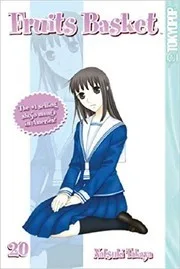





From the “Astrology” Collection
View all →







More Free Astrology & Cosmology Books
View all →



![Mrs. Davis, (no. 7.) Crown Court, Little Poultney Street, Wardour Street, Soho, ... name and clock face on the door. Who has studied the occult sciences under the most learned sages after many years studious application; answers all adimssable [sic] questions in astrology, ... 1780](/img/thumb/mrs-davis-no-7-crown-court-little-poultney-street-wardour-street-soho-name-and-clock-face-on-the-door-who-has-studied-the-occult-sciences-under-the-most-learned-sages-after-many-years-studious-applica.webp)