Finding Paradise After the Storm
 71
71

Finding Paradise After the Storm
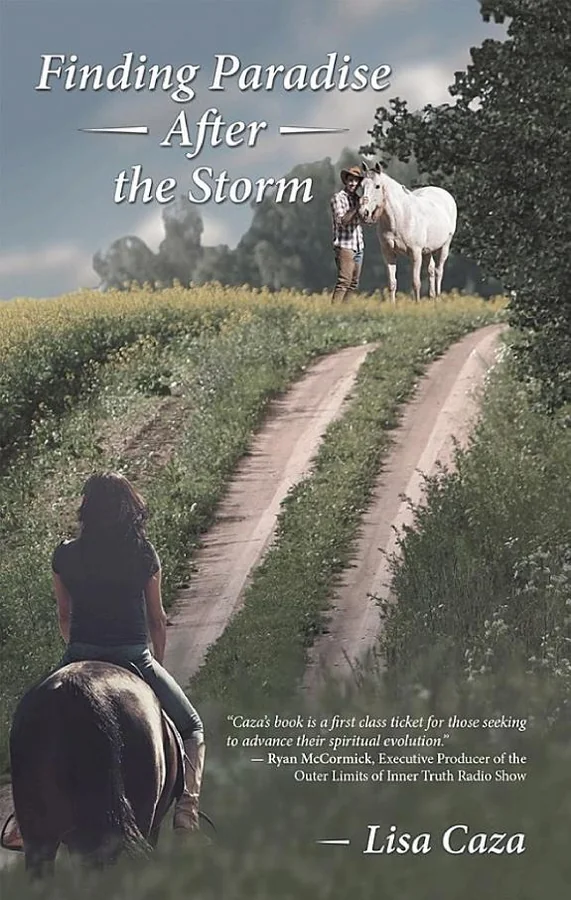
Lisa Caza’s *Finding Paradise After the Storm* offers a candid look at rebuilding a life shattered by domestic violence. The strength of the book lies in its unvarnished honesty, particularly when describing the process of spiritual reconnection after trauma. Caza’s direct recounting of her spirit guides’ intervention, especially concerning her search for a "divinely intended life partner," provides a unique perspective often absent in secular self-help. However, the narrative occasionally leans towards a devotional tone that might alienate readers less steeped in psychic phenomena. A particularly compelling passage details how Caza learned to discern her guides' subtle nudges during moments of profound doubt, illustrating the practical application of esoteric belief. While the spiritual framework is central, the emotional arc of recovery is what truly anchors the work. Caza’s memoir is a compelling testament to finding love and wholeness through unwavering faith in the unseen.
📝 Description
71
Lisa Caza's 2015 book chronicles her path from domestic violence to a guided, loving partnership.
Published in 2015, *Finding Paradise After the Storm* details Lisa Caza's personal recovery from domestic violence. It is not an abstract discussion but a direct account of her resilience, spiritual awakening, and how she used psychic guidance to overcome deep personal trauma. Caza explains the methodical process of rebuilding her life, highlighting the assistance she received from spirit guides and a divine power.
This book is for individuals who have faced significant hardship, especially survivors of abuse, and seek a way toward healing and self understanding. It will interest those curious about how psychic abilities, spiritual direction, and romantic fulfillment connect. Caza's story is especially relevant for readers engaged with metaphysical ideas and those who believe in spirit guides.
Emerging in 2015, *Finding Paradise After the Storm* fits within the tradition of spiritual autobiography. It combines personal testimony with esoteric principles, similar to early 20th-century Theosophical writings. Caza adapts these older themes for a modern audience dealing with trauma and spiritual connection, showing how metaphysical concepts can be applied to contemporary personal challenges.
💡 Why Read This Book?
• Gain practical strategies for spiritual reconstruction post-trauma, directly from Caza's experience of rebuilding herself after domestic violence, offering a unique path to inner strength. • Understand the active role of spirit guides in navigating personal crises and romantic pursuits, as detailed through Caza’s specific interactions with her guides in 2015. • Discover how to align with your "divinely intended life partner" by following Caza's detailed personal journey and the specific lessons she learned about spiritual connection.
⭐ Reader Reviews
Honest opinions from readers who have explored this book.
❓ Frequently Asked Questions
What is the primary focus of Lisa Caza's 'Finding Paradise After the Storm'?
The book focuses on Lisa Caza's personal journey as a survivor of domestic violence, detailing how she used spiritual guidance from her spirit guides and the Divine to heal, rebuild her life, and find her divinely intended partner.
When was 'Finding Paradise After the Storm' first published?
The book was first published on October 20, 2015, marking its place in contemporary spiritual literature.
Who are Lisa Caza's spirit guides, and what role do they play in the book?
Lisa Caza's spirit guides are presented as benevolent entities offering divine insight, comfort, and direction. They play a crucial role throughout her journey, assisting her in overcoming trauma and finding her life partner.
Is this book suitable for those who have not experienced domestic violence?
Yes, while the book addresses domestic violence, its themes of healing, spiritual growth, and finding fulfilling relationships are universal and can offer guidance to anyone seeking personal transformation.
What makes this memoir different from other spiritual or self-help books?
Its uniqueness lies in the detailed, first-person account of a recognized clairvoyant psychic integrating her abilities with spiritual principles to navigate severe personal adversity and achieve profound love.
Does the book offer advice on finding a soulmate?
Absolutely. Caza shares her specific experiences and the guidance she received from her spirit guides to connect with her "divinely intended life partner," offering a spiritual approach to finding lasting love.
🔮 Key Themes & Symbolism
Spiritual Reconstruction
The core of Caza's narrative revolves around the active process of rebuilding one's life and sense of self after severe trauma, specifically domestic violence. She details how this reconstruction is not merely psychological but deeply spiritual, guided by divine intervention and personal psychic awareness. This theme emphasizes resilience and the capacity for profound transformation through faith in unseen forces and one's inner guidance system.
The Role of Spirit Guides
Caza posits her spirit guides as constant companions and sources of wisdom, offering direct counsel and comfort throughout her ordeal and subsequent healing. This theme explores the tangible impact of spiritual support, presenting guides not as abstract concepts but as active participants in daily life, instrumental in her journey toward finding a "divinely intended life partner."
Finding Divine Love
This theme focuses on the belief in and pursuit of a "divinely intended life partner." Caza shares her journey of aligning herself spiritually to attract and recognize this specific soul connection. It highlights the idea that profound, destined love is attainable through spiritual growth, inner healing, and trust in divine timing and orchestration.
Clairvoyance and Intuition
As an internationally-known clairvoyant psychic, Caza integrates her innate abilities into her narrative of survival and recovery. The book underscores how developing and trusting one's intuition and psychic perceptions are vital tools for navigating life's challenges, making decisions, and ultimately connecting with one's true path and purpose.
💬 Memorable Quotes
Direct passages from the work, attributed to the author.
“My spirit guides were my constant companions, clear the path forward when darkness threatened to consume me.”
— This statement expresses Caza's reliance on her spiritual support system. It highlights the active, guiding presence of her guides, framing them as essential beacons during her most challenging times.
“Rebuilding myself was a sacred act, a divine blueprint unfolding with each step of healing.”
— This interpretation emphasizes the spiritual dimension of personal recovery. It suggests that the process of healing and self-restoration is not random but part of a sacred, divinely ordained plan.
“I learned to discern the whispers of Divine love amidst the traces of past pain.”
— This highlights Caza's journey of emotional and spiritual discernment. It speaks to the process of distinguishing positive, loving spiritual guidance from the lingering effects of trauma.
“Finding my divinely intended life partner required me to first become whole within myself.”
— This points to the principle of self-completion as a prerequisite for attracting a destined relationship, underscoring the importance of inner work and self-love in spiritual partnership.
“My clairvoyant gifts became the compass guiding me toward my true north.”
— This positions Caza's psychic abilities as an essential navigational tool. It suggests that her inherent spiritual gifts were crucial for finding her authentic path and purpose.
🌙 Esoteric Significance
Tradition
Caza's work aligns broadly with contemporary New Age spirituality, which often synthesizes elements from various esoteric traditions, including Hermeticism (emphasis on divine principles and personal transformation), Gnosticism (the idea of inner divine spark and spiritual liberation), and channeling traditions. It departs from stricter, historical lineages by prioritizing direct, personal divine communication and psychic experience over established dogma or ritualistic practice.
Symbolism
The "storm" serves as a potent symbol for trauma, chaos, and periods of intense suffering, from which "paradise"—a state of peace, wholeness, and divine connection—can emerge. The "divinely intended life partner" symbolizes ultimate union and completion, a spiritual goal achieved through inner alignment and trust in a higher power's orchestration.
Modern Relevance
Caza's approach to healing trauma and finding love through psychic guidance and divine connection speaks to modern therapeutic and spiritual practices. Thinkers and practitioners in fields like energy healing, intuitive coaching, and conscious relationship dynamics often draw upon similar principles of spiritual alignment and inner guidance, making her narrative relevant today.
👥 Who Should Read This Book
• Survivors of domestic violence or significant personal trauma seeking inspirational accounts of healing and spiritual recovery. • Individuals interested in the practical application of clairvoyance and spirit guide communication for personal growth and relationship fulfillment. • Readers exploring contemporary spiritual narratives that bridge personal testimony with metaphysical concepts of divine destiny and soul connection.
📜 Historical Context
Published in 2015, *Finding Paradise After the Storm* arrived during a period marked by a burgeoning interest in memoir, spiritual autobiography, and the practical application of psychic abilities in everyday life. The digital age had democratized spiritual discourse, allowing figures like Lisa Caza, an "internationally-known clairvoyant psychic and media personality," to reach wider audiences than might have been possible in earlier eras. This era saw a confluence of New Age spirituality, trauma-informed psychology, and self-help narratives. Caza’s work engages with themes explored by contemporaries who also blended personal testimony with spiritual insights, though often within different frameworks. Unlike the more academic explorations of consciousness prevalent in Theosophical circles of the early 20th century, Caza’s approach is intensely personal and focused on relational and emotional well-being. While no major critical reception events are widely documented, the book's publication coincided with a growing public acceptance, and indeed hunger, for narratives of personal triumph over adversity through unconventional means.
📔 Journal Prompts
Your personal "storm" and the "paradise" you envision beyond it.
Moments when your "spirit guides" offered subtle or clear direction.
The qualities of your "divinely intended life partner" and how you cultivate readiness.
Reflecting on the "sacred act" of rebuilding yourself post-adversity.
How your own intuition acts as a "compass" in life decisions.
🗂️ Glossary
Spirit Guides
Benevolent spiritual entities believed to offer guidance, comfort, and wisdom to individuals throughout their lives, particularly during challenging times.
Divine
Refers to a supreme being, higher power, or universal consciousness that orchestrates existence and offers spiritual guidance and love.
Clairvoyant Psychic
An individual with the innate ability to perceive information beyond the normal senses, often through visions or inner knowing, regarding people, events, or the future.
Divinely Intended Life Partner
The concept of a soulmate or destined partner believed to be divinely chosen or orchestrated for an individual, found through spiritual alignment and growth.
Spiritual Reconstruction
The process of healing and rebuilding one's life and sense of self on a spiritual level after experiencing significant trauma or hardship.
The Storm
A metaphor used by Caza to represent periods of intense personal suffering, trauma, or chaos.
Paradise
Metaphorically represents a state of inner peace, wholeness, fulfillment, and divine connection achieved after overcoming adversity.
This book appears in 1 collection
🔮 Readers Also Liked
Browse all →









From the “Clairsentience” Collection
View all →




More Free Occult Philosophy Books
View all →