Feng shui fundamentals
 82
82

Feng shui fundamentals
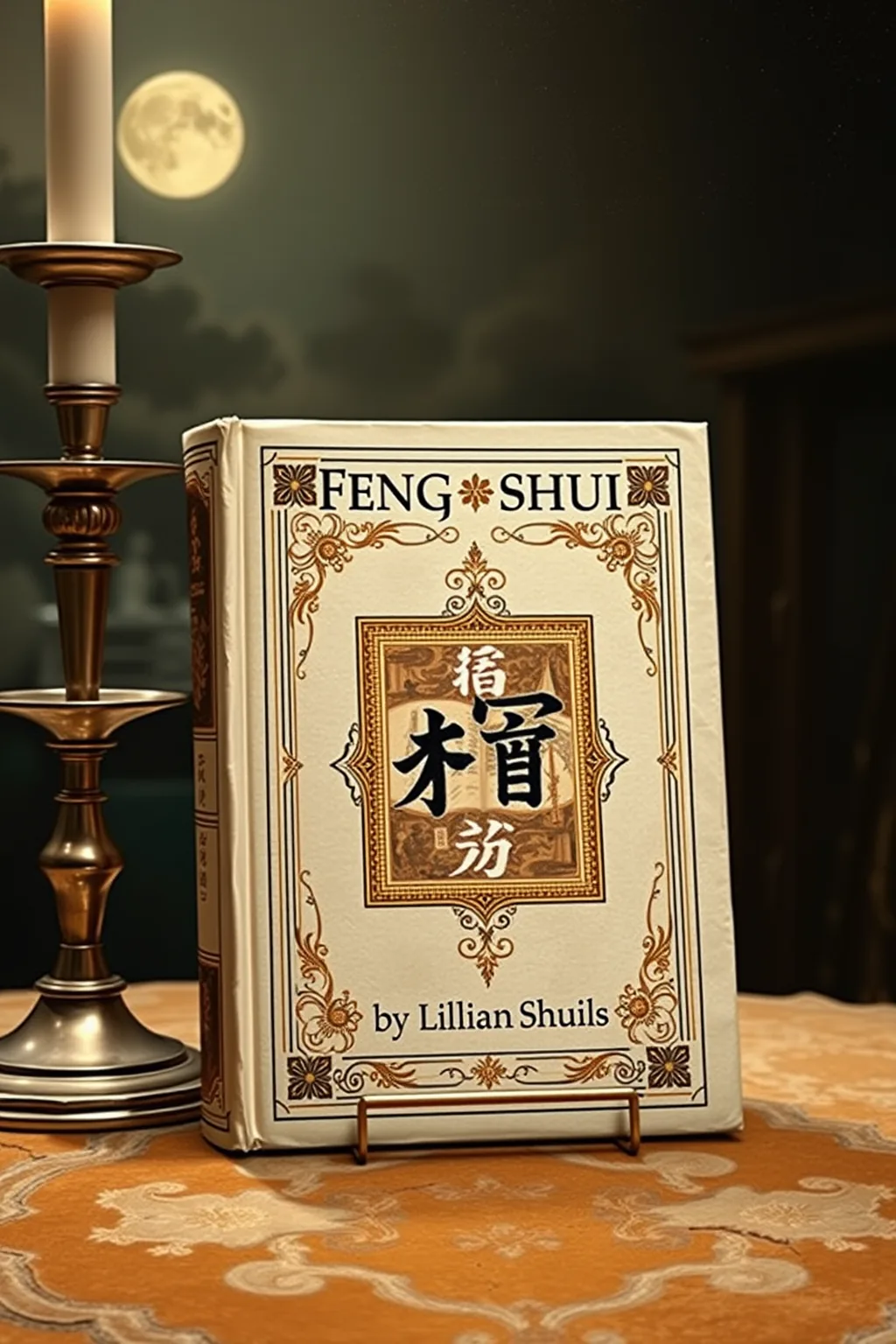
Lillian Too’s "Feng Shui Fundamentals" presents a straightforward, if somewhat dated, manual for applying ancient Chinese spatial principles. Its strength lies in its clarity, breaking down the often-intimidating Bagua map and the Five Elements into digestible components for Western readers. The original 1997 publication date is evident; some advice feels rooted in that era's aesthetic and technological landscape. However, the core principles remain robust. I found the section on mitigating negative Qi through specific remedies, like the use of mirrors and wind chimes, particularly concrete and illustrative of the book's practical bent. While it may lack the philosophical depth of more scholarly works, "Feng Shui Fundamentals" succeeds as a functional primer for those seeking immediate environmental improvements.
📝 Description
82
Lillian Too's 1997 book distills Feng Shui principles into actionable advice.
Lillian Too's "Feng Shui Fundamentals," first published in 1997, offers a practical entry point into the Chinese art of environmental harmony. The book breaks down complex ideas about the flow of energy, known as Qi, and its impact on personal well-being, finances, and relationships. Too aims to make these ancient concepts accessible for modern living, guiding readers on how to apply them to their homes and workplaces.
This guide is suitable for beginners curious about traditional Chinese metaphysics, interior design with a spiritual element, or simply improving their surroundings. It addresses practical applications like decluttering, furniture arrangement, and finding auspicious locations within a space. Too's focus is on actionable steps, making it a useful resource for those wanting to integrate Eastern philosophies into Western lifestyles.
The work appears within a broader interest in Eastern practices that grew in the late 20th century. It offers a straightforward approach, distinguishing itself from more academic or deeply philosophical texts. The book emphasizes practicality, providing clear instructions for readers to implement Feng Shui in their daily lives.
This book is situated within the late 20th century's growing interest in Eastern philosophies and practices. It emerged as Feng Shui, alongside disciplines like alternative medicine and mindfulness, moved into more mainstream awareness. Too's approach prioritizes practical application over purely academic or deeply spiritual interpretations, making the ancient art accessible to a wider audience interested in applying its principles to modern life.
💡 Why Read This Book?
• Learn practical methods for analyzing your home or office using the Bagua map, a core diagnostic tool in Feng Shui, to identify and enhance specific life areas like career and wealth. • Understand the Five Elements theory, detailing how Wood, Fire, Earth, Metal, and Water interact and can be balanced within your environment to foster harmony. • Discover actionable remedies for common spatial issues, such as using specific objects or placements to correct negative Qi as explained in chapters detailing elemental cures.
⭐ Reader Reviews
Honest opinions from readers who have explored this book.
❓ Frequently Asked Questions
When was Lillian Too's 'Feng Shui Fundamentals' first published?
Lillian Too's 'Feng Shui Fundamentals' was first published in 1997, making it a foundational text from a period of growing interest in Eastern philosophies in the West.
What is the Bagua in Feng Shui Fundamentals?
The Bagua is a central concept in 'Feng Shui Fundamentals,' presented as an octagonal or square grid used to map and analyze different life areas within a space, guiding placement and enhancement.
Does the book explain the Five Elements of Feng Shui?
Yes, 'Feng Shui Fundamentals' dedicates significant attention to explaining the Five Elements – Wood, Fire, Earth, Metal, and Water – and their productive and destructive cycles.
Is 'Feng Shui Fundamentals' suitable for beginners?
Absolutely. The book is designed as an accessible introduction, breaking down complex Feng Shui principles into practical, easy-to-understand advice for those new to the subject.
What kind of environmental improvements does the book suggest?
The book suggests improvements such as optimizing furniture placement, decluttering, balancing Yin and Yang energies, and employing specific cures to enhance Qi flow for better well-being and prosperity.
What is Qi in the context of this book?
Qi, also known as Chi, is the vital life force or energy discussed extensively in 'Feng Shui Fundamentals.' The book teaches how to manage its flow within spaces to promote harmony and positive outcomes.
🔮 Key Themes & Symbolism
Qi Flow and Environmental Harmony
The core of 'Feng Shui Fundamentals' revolves around the concept of Qi, or vital energy, and its circulation within our living spaces. Lillian Too explains how stagnant or disrupted Qi can negatively impact health, wealth, and relationships. The book offers practical strategies to encourage smooth Qi flow, emphasizing elements like clutter reduction, optimal furniture placement, and the strategic use of colors and materials to create an environment that supports well-being.
The Five Elements Framework
Central to understanding Feng Shui, the Five Elements – Wood, Fire, Earth, Metal, and Water – are thoroughly explored. 'Feng Shui Fundamentals' details their individual characteristics, their cycles of production and destruction, and how their balance or imbalance manifests in a space. Readers learn to identify the dominant elements in their environment and apply remedies, such as introducing specific colors, shapes, or materials, to restore equilibrium and positive energy.
The Bagua: Mapping Life Areas
This book introduces the Bagua, an essential Feng Shui tool, as a template for analyzing any given space. Whether applied to an entire home, a single room, or even a desk, the Bagua divides the area into nine life aspirations, including Wealth, Fame, Love, and Health. 'Feng Shui Fundamentals' guides readers on how to align these areas with corresponding sectors of their space, suggesting enhancements to boost specific aspects of their lives.
Practical Application and Cures
Beyond theory, 'Feng Shui Fundamentals' focuses on actionable advice and remedies. The book provides concrete solutions for common problems, such as the 'Sha Qi' (negative energy) created by sharp corners or long corridors. Readers are taught how to implement simple cures, like the placement of plants, mirrors, or wind chimes, to deflect or absorb negative influences and enhance beneficial energies, making Feng Shui accessible for daily life.
💬 Memorable Quotes
Direct passages from the work, attributed to the author.
“The Bagua is a map of your life aspirations.”
— This statement expresses the function of the Bagua in Feng Shui as presented by Too, highlighting its role as a diagnostic and enhancement tool for various life aspects within a given space.
“Qi should flow smoothly, not stagnate.”
— This interpretation highlights the fundamental concept of Qi circulation, where a gentle, continuous flow is considered beneficial, while stagnation or excessive speed can lead to negative environmental effects.
“Negative Sha Qi can be mitigated.”
— This interpretation refers to the book's guidance on addressing adverse energy (Sha Qi) through specific remedies, suggesting that such influences are not immutable but can be actively managed.
💡 Key Ideas
Editorial paraphrase of the work's core concepts — not direct quotes.
Balance the Five Elements for harmony.
This paraphrase emphasizes the core principle of elemental balance in Feng Shui, suggesting that achieving equilibrium among Wood, Fire, Earth, Metal, and Water is crucial for creating a harmonious environment.
Positioning is key to wealth and career.
This paraphrased concept points to the practical advice within the book regarding strategic placement of furniture and oneself within a space to positively influence financial and professional success.
🌙 Esoteric Significance
Tradition
The work draws heavily from the classical Chinese metaphysical tradition, specifically the schools of Form School and Compass School Feng Shui. While not strictly Hermetic or Gnostic, it shares with these traditions a focus on understanding unseen forces (Qi) that influence the material world and human destiny. Its lineage is distinctly Taoist in its emphasis on natural flow and balance, seeking alignment with the Tao rather than adherence to a codified spiritual doctrine.
Symbolism
Key symbols include the Bagua, representing the eight trigrams of the I Ching and correlating to specific life areas and cosmic principles. The Five Elements (Wood, Fire, Earth, Metal, Water) are also symbolic, representing fundamental forces and their interactions, used to analyze and balance energy. The Yin and Yang symbol, representing complementary opposites, underlies the entire philosophy, emphasizing the need for balance and harmony between opposing forces within any space.
Modern Relevance
Contemporary designers, wellness practitioners, and even some architects continue to draw on the principles outlined in "Feng Shui Fundamentals." Its accessible approach makes it a touchstone for those interested in biophilic design, sustainable living, and creating mindful spaces. The book's focus on practical application remains relevant for individuals seeking to enhance their personal environments for improved well-being, echoing modern trends in self-care and intentional living.
👥 Who Should Read This Book
['• Beginners curious about Feng Shui: Those with no prior knowledge seeking a clear, step-by-step introduction to core concepts like Qi, the Bagua, and the Five Elements.', '• Homeowners and renters: Individuals looking to actively improve the atmosphere and energy of their living or working spaces using practical, actionable advice.', '• Students of Chinese Metaphysics: Those beginning their study of Chinese philosophy and seeking a foundational text that bridges ancient principles with modern application.']
📜 Historical Context
Lillian Too's "Feng Shui Fundamentals," first published in 1997, arrived during a period of significant global interest in Eastern spiritual and practical philosophies, a trend amplified by figures like the Dalai Lama and the growing popularity of practices like yoga and acupuncture in the West. This era saw a surge in accessible guides aimed at Western audiences, making complex traditions digestible. Too's work contributed to this wave, offering a pragmatic approach distinct from the more academic or deeply esoteric texts that might have been available. While the field of Feng Shui itself has ancient roots, its popularization in the late 20th century was a distinct cultural phenomenon. Contemporaries like Thomas Feng and Raymond Lo were also prominent voices in popularizing Feng Shui during this time, often engaging with similar principles of Qi, the Bagua, and the Five Elements, though with varying stylistic and emphasis.
📔 Journal Prompts
The Bagua's Wealth corner in your current living space.
Your dominant Five Element and its expression.
Identifying areas of Qi stagnation.
The Commanding Position of your primary workspace.
Balancing Yin and Yang in your bedroom.
🗂️ Glossary
Qi (Chi)
The vital life force or energy that flows through all things. Feng Shui aims to harmonize its flow within environments to promote well-being and prosperity.
Bagua
An energy map, typically octagonal or square, used in Feng Shui to divide a space into nine areas corresponding to specific life aspects (e.g., wealth, health, relationships).
Five Elements
The fundamental forces in Chinese metaphysics: Wood, Fire, Earth, Metal, and Water. Their interactions and balance are key to Feng Shui analysis and remedies.
Yin and Yang
The Taoist concept of complementary, opposing forces (e.g., dark/light, passive/active). Achieving balance between Yin and Yang is central to Feng Shui.
Sha Qi
Negative or 'killing' energy, often associated with sharp angles, clutter, or disruptive environmental features. Feng Shui seeks to mitigate its influence.
Commanding Position
An auspicious placement for key furniture (like beds, desks) that provides a clear view of the door without being directly in line with it, promoting security and control.
Productive Cycle
The generative relationship between the Five Elements, where one element nourishes or creates the next (e.g., Wood fuels Fire). This cycle is used to enhance beneficial energies.
🔮 Readers Also Liked
Browse all →







More by Lillian Too
All books →




More Free Occult Philosophy Books
View all →