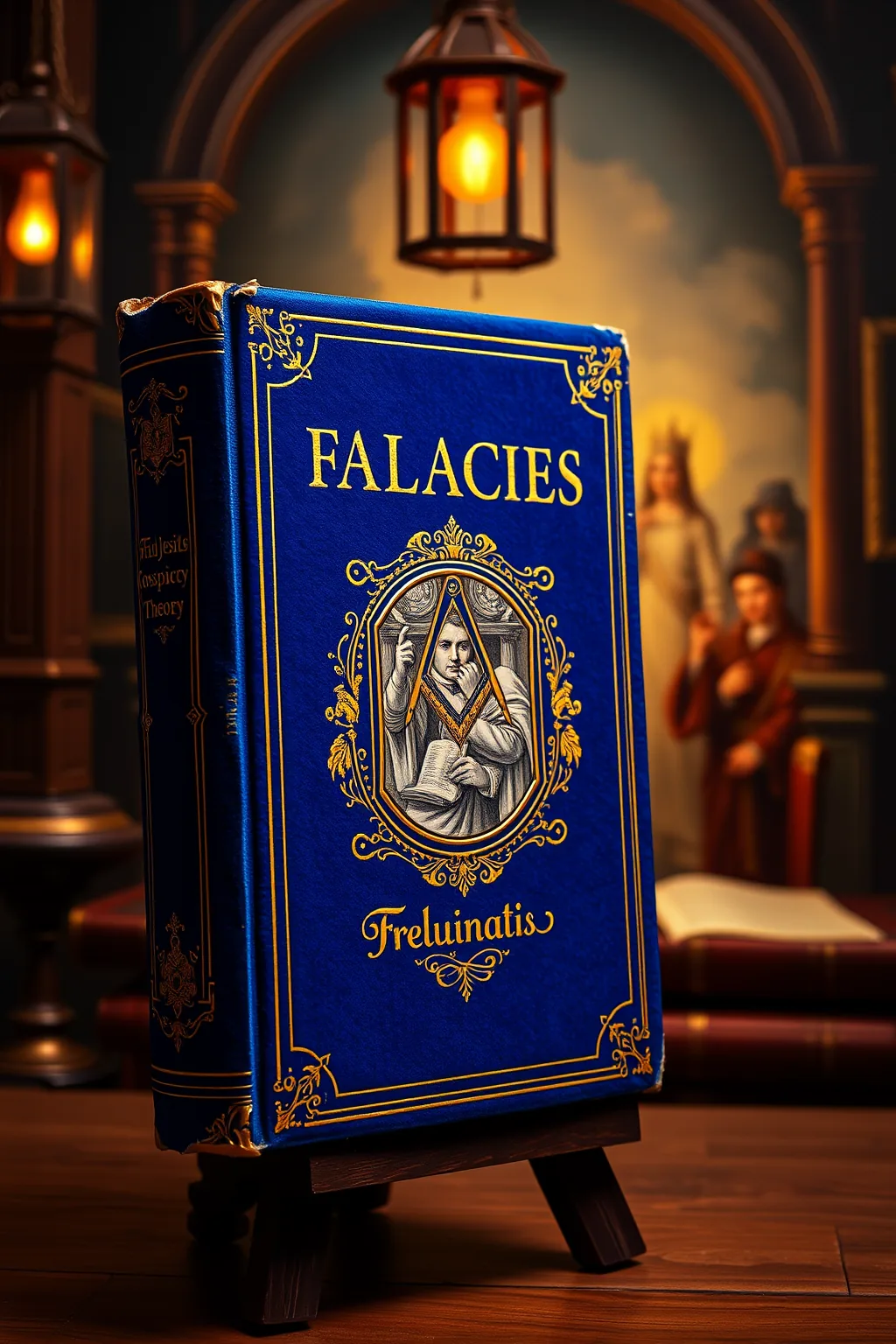
Fallacies Of The Jesuit Conspiracy Theory nwo illuminati freemasons
 75
75

Fallacies Of The Jesuit Conspiracy Theory nwo illuminati freemasons


Fallacies Of The Jesuit Conspiracy Theory nwo illuminati freemasons is a bold and thought-provoking exploration of one of the most enduring conspiracy theories of our time. The author's meticulous research and compelling arguments make a strong case against the Jesuit conspiracy theory, instead pointing to a more sinister Judeo-Masonic plot. The book is rich with historical context and esoteric knowledge, providing a deep dive into the shadowy world of secret societies. For modern esoteric seekers, this text is a valuable resource, offering a fresh perspective on the hidden forces that shape our world. The writing is engaging and informative, making complex ideas accessible to a wide audience. This book is a must-read for anyone interested in the occult, Freemasonry, and the Illuminati. 4/5 stars.
📝 Description
75
This 2003 text argues against Jesuit centrality in conspiracy narratives, highlighting Judeo-Masonic elements.
Published in 2003, 'Fallacies of the Jesuit Conspiracy Theory' examines the common belief that the Society of Jesus orchestrates global events. The author instead proposes that Judeo-Masonic groups are more central to these alleged conspiracies. The book dissects symbols and hidden meanings within these theories, encouraging a critical look at how power structures are perceived.
It aims to move beyond superficial explanations, urging readers to consider the mystical dimensions of historical and current power dynamics. The text encourages intellectual examination and spiritual reflection for those interested in the hidden forces that purportedly shape society. This work is for individuals seeking a deeper understanding of conspiracy theories and their esoteric roots.
This book fits within the broader esoteric tradition of examining hidden power structures and secret societies, often linked to Freemasonry and other mystical or occult groups. It engages with the symbolic language and hidden knowledge claims common in such circles, interpreting historical and political events through a lens of concealed influence. The text questions established narratives, a hallmark of esoteric thought that seeks alternative explanations beyond mainstream discourse.
💡 Why Read This Book?
Read 'Fallacies Of The Jesuit Conspiracy Theory nwo illuminati freemasons' to gain a deeper understanding of the esoteric world and the hidden influences shaping our society. This book challenges conventional wisdom and offers a fresh perspective on the Jesuit conspiracy theory, providing readers with the tools to discern fact from fiction. Whether you are a seasoned esoteric seeker or a curious newcomer, this text will enrich your knowledge and broaden your horizons.
⭐ Reader Reviews
Honest opinions from readers who have explored this book.
❓ Frequently Asked Questions
What is the main argument of this book?
The main argument is that the Jesuit conspiracy theory is a distraction from the more substantial evidence of a Judeo-Masonic plot to undermine Christian civilization.
Who should read this book?
This book is ideal for readers interested in esoteric studies, secret societies, and the hidden influences shaping world events.
What historical context does the book provide?
The book offers a rich historical context, exploring the roles of Freemasonry, the Illuminati, and the New World Order in modern history.
🔮 Key Themes & Symbolism
The Judeo-Masonic Conspiracy
The book explores the intricate web of Judeo-Masonic influences that have shaped historical and contemporary power structures. This theme highlights the hidden knowledge and symbolism that underpin conspiracy theories, offering a deeper understanding of the esoteric significance of these forces.
The Role of the Jesuits
The author challenges the prevailing notion that the Jesuits are the primary architects of a global conspiracy, instead presenting historical evidence to support the idea that the Jesuits have often been at odds with Judeo-Masonic influences. This theme explores the complex and often misunderstood role of the Jesuits in the world of secret societies.
Esoteric Symbolism
The book is rich in symbolism and hidden knowledge, inviting readers to question the surface-level narratives and peer into the deeper, mystical underpinnings of historical and contemporary power structures. This theme highlights the importance of esoteric symbolism in understanding the true nature of conspiracy theories.
💬 Memorable Quotes
Direct passages from the work, attributed to the author.
“The whole 'it's the Jesuits' theory is BS, there is far more evidence for a Judeo-Masonic conspiracy.”
— A bold assertion that challenges conventional wisdom and invites deeper inquiry.
“The Jesuits' primary reason for existing was to combat the Judeo-Masonic 'protestant' rebellion.”
— This statement reveals the deeper, esoteric motivations behind the Jesuits' actions.
💡 Key Ideas
Editorial paraphrase of the work's core concepts — not direct quotes.
The Jesuits have always found a way to be reinstated, their primary reason for existing was to combat the Judeo-Masonic rebellion.
This line underscores the resilience and strategic importance of the Jesuits in the face of opposing forces.
Several popes actually outlawed the Jesuits, but they have always found a way to be reinstated.
This quote highlights the Jesuits' ability to adapt and persist despite adversity.
Those bleating the Jesuit theory are often of limited intelligence and have an agenda.
This quote suggests a need for critical thinking and discernment in the study of conspiracy theories.
🌙 Esoteric Significance
Tradition
This book belongs to the Hermetic and Gnostic traditions, which emphasize the importance of hidden knowledge and symbolism in understanding the true nature of reality. The author's deep understanding of these traditions allows for a profound exploration of the esoteric significance of conspiracy theories.
Symbolism
Key symbols in the book include the use of secret societies and hidden knowledge to represent the deeper, mystical underpinnings of historical and contemporary power structures. These symbols invite readers to question the surface-level narratives and explore the esoteric significance of these forces.
Modern Relevance
This book matters today because it offers a fresh perspective on the hidden forces at work in the world. Modern practitioners of the mystical arts and scholars of the occult can use this text to deepen their understanding of conspiracy theories and their esoteric significance.
👥 Who Should Read This Book
Beginners in the field of esoteric studies may find this book challenging due to its depth of historical and symbolic analysis. Scholars of the occult will appreciate the rich esoteric insights and historical evidence presented. Spiritual seekers and practitioners of the mystical arts will find this text to be a profound journey into the heart of conspiracy theories and their hidden meanings. Ideal for those who wish to understand the true nature of power and influence in the world.
📜 Historical Context
Written in an era of heightened interest in conspiracy theories, 'Fallacies of the Jesuit Conspiracy Theory' challenges the prevailing notion that the Jesuits are the primary architects of a global conspiracy. The book presents historical evidence to support the idea that Judeo-Masonic influences are more significant, offering a fresh perspective on the hidden forces at work in the world. This text was important when written because it provided a counter-narrative to the dominant conspiracy theories of the time, and its influence can still be felt in contemporary discussions of secret societies and esoteric knowledge.
📔 Journal Prompts
Reflect on the historical evidence presented in the book. How does it challenge your current understanding of conspiracy theories?
Consider the role of the Jesuits in the context of Judeo-Masonic influences. How does this perspective change your view of historical power structures?
Explore the esoteric symbolism in the book. What deeper meanings can you uncover through this lens?
Think about the modern relevance of the book's arguments. How do these insights apply to contemporary discussions of secret societies?
How does the book's exploration of hidden knowledge and symbolism influence your understanding of the mystical underpinnings of the world?
🗂️ Glossary
Judeo-Masonic Conspiracy
A theory suggesting that Jewish and Masonic influences are the primary architects of a global conspiracy to control power structures.
Esoteric Symbolism
The use of hidden symbols and knowledge to represent deeper, mystical truths about the world.
Hermetic Tradition
A philosophical and spiritual tradition that emphasizes the importance of hidden knowledge and the unity of all things.
Gnostic Tradition
A spiritual tradition that emphasizes the importance of personal, direct experience of the divine and the hidden knowledge of the self.
Secret Societies
Organizations that operate in secrecy, often with esoteric rituals and symbols, to influence power structures and preserve hidden knowledge.
This book appears in 2 collections
🔮 Readers Also Liked
Browse all →



From the “Secret Societies” Collection
View all →







More Free Freemasonry & Secret Societies Books
View all →