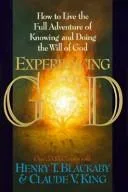
Experiencing God
 78
78

Experiencing God
Blackaby, Blackaby, and King present a compelling case for a faith lived in active partnership with God. The strength of Experiencing God lies in its relentless focus on God's initiative and the practical steps a believer can take to align with His purposes. The concept of discerning "where God is at work" and joining Him there is particularly potent, moving beyond passive prayer to active spiritual engagement. However, the work occasionally risks presenting a simplified dichotomy between spiritual insight and human effort, which might overlook the nuanced theological discussions surrounding divine sovereignty and human agency that have occupied thinkers for centuries. A notable passage often highlighted is the emphasis on God's speaking to believers, framing it as a continuous, discernible dialogue. The book ultimately offers a robust framework for a dynamic, responsive faith.
📝 Description
78
Published in 1990, Experiencing God calls for direct engagement with the divine, not just doctrine.
Experiencing God aims to guide readers into a more intimate and active relationship with the divine. The authors argue for understanding God's nature and will through direct experience, rather than relying solely on theological systems or inherited beliefs. They propose that God is actively involved in the world and invites individuals to recognize and join His work. This participation is fostered by spiritual practices that heighten awareness of God's presence and guidance.
This book is for people wanting a deeper, more hands-on connection with the divine, moving beyond mere intellectual agreement to a lived faith. It speaks to those who feel stuck in their spiritual lives or a sense of disconnect, encouraging a fundamental shift toward recognizing God's present actions. It is especially useful for church leaders, small groups, and individuals dedicated to spiritual growth who wish to see real spiritual change in themselves and their communities.
Within the broader tradition of Christian mysticism, Experiencing God emphasizes direct, personal encounter with the divine over purely intellectual or institutional approaches. It aligns with contemplative practices that seek an awareness of God's immanence and ongoing activity in the world. Like earlier mystics, it highlights the importance of spiritual disciplines in fostering this awareness and responsiveness to God's perceived presence and voice. The book encourages a lived faith that is less about adherence to dogma and more about a dynamic, relational connection with the sacred.
💡 Why Read This Book?
• Understand God's active involvement in everyday life, a concept central to the "seven realities" presented by Blackaby and King, moving beyond passive faith. • Learn to discern God's specific direction for your life by recognizing His activity, a practical skill emphasized in the early chapters of the 1990 publication. • Cultivate a deeper reliance on God's power and presence through spiritual disciplines, a core tenet of the book's approach to discipleship.
⭐ Reader Reviews
Honest opinions from readers who have explored this book.
❓ Frequently Asked Questions
What is the core message of Experiencing God by Henry T. Blackaby?
The central message is that God is actively at work in the world and invites believers to join Him. It focuses on understanding God's will and participating in His purposes through spiritual disciplines and attentive response.
When was Experiencing God first published?
Experiencing God was first published in 1990, marking a significant point in contemporary Christian literature focused on spiritual formation.
Who are the authors of Experiencing God?
The book was co-authored by Henry T. Blackaby, Richard Blackaby, and Claude V. King, who collaborated to articulate a vision for relational faith.
What are the 'seven realities' discussed in the book?
The seven realities are: God is in everything, God is sovereign, God is in all that happens, God is in control, God is holy, God is truth, and God is love. These form the bedrock of experiencing God.
Is Experiencing God suitable for new believers?
Yes, its practical approach and focus on direct experience make it accessible and beneficial for new believers seeking to understand God's presence in their lives.
Does the book offer practical exercises?
Yes, the book is structured around a Bible study format that includes questions and exercises designed to help readers apply its principles to their daily lives.
🔮 Key Themes & Symbolism
God's Initiative and Human Response
The work consistently emphasizes that God is the primary actor in the spiritual life. He initiates His work, speaks to individuals, and leads them. The believer's role is to discern where God is already at work and to obey Him. This dynamic shifts the focus from human striving to divine invitation, requiring a posture of attentiveness and willingness to follow, a concept deeply rooted in contemplative traditions that seek divine guidance.
The Seven Realities of God
These are presented not as abstract doctrines but as foundational truths for experiencing God. They include God's omnipresence, sovereignty, holiness, truthfulness, and love. Understanding and internalizing these realities are crucial for aligning one's perspective with divine reality, enabling a more accurate perception of God's presence and actions in the world, akin to the systematic theological explorations found in earlier mystical writings.
Spiritual Discernment and Obedience
A significant theme is the cultivation of spiritual discernment to recognize God's will and voice amidst daily life. This is not presented as a passive reception but an active process of listening, observing, and interpreting God's leading. Obedience is the natural outflow of this discernment, transforming faith from a set of beliefs into a lived, responsive relationship with the divine, echoing the discipline of obedience central to monastic traditions.
Partnership in God's Work
The book encourages a view of believers as active partners with God in His redemptive purposes. This involves moving beyond personal spiritual growth to engaging with God's mission in the world. It frames Christian living as a collaborative effort, where individuals are called to join God in His ongoing work of creation, redemption, and reconciliation, a concept that finds parallels in activist theological movements.
💬 Memorable Quotes
Direct passages from the work, attributed to the author.
“When God speaks and the individual obeys, the individual becomes a part of God's working.”
— This highlights the core interactive nature of faith presented in the book. It suggests that obedience is not merely compliance but active participation, enabling individuals to join God's divine enterprises and become instruments of His will.
“You are never more like God than when you are doing His will.”
— This statement underscores the transformative power of aligning one's life with divine purpose. It positions obedience as the highest form of spiritual imitation, suggesting that true divine likeness is achieved through active engagement with God's objectives.
“God is trying to get your attention to the fact that He is at work all around you.”
— This interpretation emphasizes God's persistent efforts to reveal His presence and activity. It encourages readers to cultivate an awareness of the divine in their immediate surroundings, shifting focus from abstract theological concepts to present, tangible divine action.
“God is not dependent on anyone. He is not dependent on me. He is not dependent on you.”
— This assertion underscores God's absolute sovereignty and self-sufficiency. It serves to humble human pride and to reorient the believer's focus toward God as the ultimate source of all activity, freeing the individual from the burden of being essential to God's plans.
“God is working in the lives of people who have never heard of Christ.”
— This challenges narrow theological perspectives by suggesting God's activity extends beyond conventional boundaries of evangelism. It implies a universal divine presence and purpose, inviting a broader understanding of God's redemptive work in the world.
🌙 Esoteric Significance
Tradition
While not strictly an 'esoteric' text in the Hermetic or Kabbalistic sense, Experiencing God draws from a long Christian tradition of mysticism and contemplative practice that seeks direct encounter with the divine. Its emphasis on discerning God's voice and will reflects the practices of desert fathers and mothers and later mystics like Julian of Norwich or Teresa of Ávila, who focused on interior experience and divine union. It departs from purely intellectual theology by prioritizing lived, experiential knowledge of God, aligning with the *via mystica* found in many spiritual lineages.
Symbolism
The book's primary 'symbolism' lies not in overt mystical imagery but in the conceptual framework of the 'seven realities.' These act as lenses through which to perceive divine action: God's omnipresence is a pervasive, encompassing 'space,' His sovereignty a guiding 'hand,' and His truth a foundational 'light.' The concept of God 'at work' functions as a dynamic symbol of divine presence and ongoing creation, inviting the reader to see the mundane as imbued with the sacred.
Modern Relevance
Contemporary ministries focused on spiritual formation, discipleship, and prayer often cite Experiencing God as a foundational text. Its principles are integrated into small group studies, leadership training, and personal spiritual development programs across various Christian denominations. Thinkers and practitioners interested in experiential faith, divine guidance, and understanding God's active role in the world continue to draw upon its accessible yet profound framework.
👥 Who Should Read This Book
• Individuals seeking to move beyond theoretical faith to a tangible, interactive relationship with God, benefiting from the book's focus on divine initiative. • Pastors and small group leaders looking for a robust framework to guide congregants in discerning and participating in God's work, as outlined in the practical application sections. • Those experiencing spiritual dryness or questioning their faith, who can find renewed purpose and direction through the book's emphasis on God's present activity and constant communication.
📜 Historical Context
Experiencing God, published in 1990, emerged within a significant evangelical movement of the late 20th century that emphasized spiritual renewal and direct experience of God. This period saw a divergence from more academic or socially-focused theological trends, with authors like J.I. Packer (though his work predates and differs in approach) and Dallas Willard also exploring themes of spiritual formation and the Christian life. The book's approach, particularly its emphasis on God's initiative and the 'seven realities,' resonated with a desire for a more dynamic and personal faith. It contrasted with the more intellectual or creedal approaches prevalent in some theological circles. The book's widespread adoption, particularly through associated Bible study materials, indicates its significant impact on popular Christian thought and practice, shaping how many approached their relationship with the divine in the decades following its release.
📔 Journal Prompts
The seven realities of God's nature and their implication for divine-human interaction.
Moments of perceived divine guidance and the subsequent actions taken.
Identifying God's current work in your immediate environment and community.
The personal cost and reward of obedience when God's will is discerned.
Reflecting on the distinction between human effort and God's initiative in spiritual growth.
🗂️ Glossary
Seven Realities
The core theological and experiential truths presented in the book that describe God's nature and His relationship to creation, including His omnipresence, sovereignty, holiness, truth, and love.
God's Will
The active purpose and plan of God for creation and individuals, which the book teaches can be discerned and followed through attentive spiritual engagement.
Spiritual Disciplines
Practices such as prayer, Bible study, and meditation, employed not as ends in themselves but as means to foster awareness of and responsiveness to God's presence and direction.
Obedience
The act of responding to God's discerned will, seen as the pathway to actively participating in His work and experiencing Him more fully.
Discernment
The spiritual capacity to recognize and understand God's voice, presence, and direction in the midst of everyday life and circumstances.
Divine Initiative
The concept that God is always the primary actor in the spiritual life, initiating interaction and action, with human beings responding to His lead.
Partnership with God
The idea that believers are called to actively join God in His ongoing work in the world, rather than merely following a set of religious rules.
🔮 Readers Also Liked
Browse all →








More by Henry T. Blackaby, Richard Blackaby, Claude V. King
All books →
More Free Spiritual Development Books
View all →