Elysium
 82
82

Elysium
Edward Simon’s *Elysium* offers a visually stunning and intellectually grounded survey of angelic representation, a welcome antidote to the saccharine images often dominating contemporary discourse. The sheer breadth of artistic and textual examples, spanning millennia and cultures, is impressive. A particular strength lies in the book’s detailed examination of how specific historical periods, such as the medieval focus on angelic hierarchies, influenced artistic depictions. However, the work occasionally feels overstuffed; while the visual aspect is crucial, some sections could benefit from deeper thematic analysis rather than a more encyclopedic listing of examples. The passage discussing the evolution of the Seraphim from fiery beings to cloaked figures is especially compelling. *Elysium* succeeds in presenting a scholarly yet accessible account of a universally recognized, yet often misunderstood, spiritual archetype.
📝 Description
82
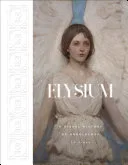
Edward Simon's 2023 book, Elysium, traces the visual history of angels.
Elysium: A Visual History of Angelology presents a survey of angelic figures across cultures and religions. Edward Simon gathers visual and textual information, charting angelology's path from ancient Near Eastern beliefs through Judaism, Christianity, and Islam, up to contemporary depictions. The book highlights how art, literature, and religious thought have shaped our perception and portrayal of these celestial beings.
This work appeals to readers interested in the connections between art, religion, and mythology. Students of religious studies, art history, and comparative literature will find it a valuable resource. Those curious about angel symbolism, their place in spiritual stories, or their presence in modern media will also benefit. It is for anyone wanting to grasp the persistent human interest in divine messengers and their historical representations.
Published in 2023, Elysium engages with centuries of theological discussion and artistic interpretation. It views angelic figures not just as religious doctrine but as enduring cultural symbols. The book grounds angelic representation in historical and scriptural contexts, drawing from traditions that developed angelology during periods such as the medieval era.
This book examines angelology, a field concerned with the nature and role of angels. It situates these beings within a spectrum of spiritual and mythological traditions, viewing them as intermediaries. The work traces their development from ancient Near Eastern cultures through major Abrahamic religions and into modern symbolism. It treats angels as persistent cultural motifs that reflect human concepts of the divine and the spiritual.
💡 Why Read This Book?
• Gain a nuanced understanding of angelic figures beyond popular sentimentality, by examining their specific depictions in medieval art and Renaissance theological texts, as detailed within the book’s historical sections. • Explore the cross-cultural presence of divine messengers, learning how concepts similar to angels appear in traditions predating Abrahamic faiths, as illustrated by the book's comparative approach. • Discover the symbolic language of angelic imagery, understanding how attributes like wings or specific colors conveyed theological meaning in historical artworks, as presented through the book's visual analysis.
⭐ Reader Reviews
Honest opinions from readers who have explored this book.
❓ Frequently Asked Questions
What is the primary focus of Edward Simon's 'Elysium'?
Elysium focuses on the visual history and cultural evolution of angels across art, religion, and literature, tracing their representations from ancient times through to modern interpretations.
Which religions are prominently featured in the book's discussion of angels?
The book prominently features angelology within Judaism, Christianity, and Islam, while also exploring broader religious traditions and their experiences of divine intermediaries.
What kind of visual material can readers expect in 'Elysium'?
Readers can expect a gloriously illustrated overview, featuring a wide array of art, manuscripts, and other visual artifacts that depict angels throughout history.
Is 'Elysium' a purely religious text or does it cover secular interpretations?
While grounded in religious origins, the book also examines how angels have permeated secular art, literature, and popular culture, offering a comprehensive perspective.
Who is the author, Edward Simon, and what is his background?
Edward Simon is a scholar and writer, known for his contributions to publications like The Millions, bringing an academic yet accessible approach to the subject.
When was 'Elysium' first published?
Elysium was first published on October 17, 2023.
🔮 Key Themes & Symbolism
Iconography of Divine Messengers
The book meticulously details the visual language used to represent angels across different eras and cultures. It moves beyond simple winged figures to explore the evolution of angelic iconography, from early Mesopotamian winged deities to the formalized hierarchies of medieval Christianity and the diverse portrayals in Islamic art. Simon highlights how specific artistic choices—the color of robes, the number of wings, the depiction of light—were used to convey complex theological ideas about divine proximity, power, and wisdom, offering a visual exegesis of celestial beings.
Angels in Abrahamic Traditions
Elysium offers a comparative study of angelology within Judaism, Christianity, and Islam, revealing both shared origins and distinct interpretations. It traces the development of angelic roles, from the messengers of God in the Hebrew Bible and the New Evidence of the divinely appointed beings in the Quran. The work emphasizes how these traditions established specific hierarchies, functions, and theological significance for angels, shaping their perception and veneration across vast cultural spheres.
The Angelic in Popular Culture
Beyond sacred texts and classical art, the book addresses the enduring presence of angels in modern secular contexts. Simon examines how the archetype of the angel has been adapted, simplified, and reinterpreted in contemporary literature, film, and popular media. This section contrasts the often sentimental or anthropomorphized angels of modern entertainment with their more complex historical and theological predecessors, prompting reflection on why these figures continue to capture the human imagination.
Mediators of the Ineffable
A central theme is the role of angels as intermediaries between the divine and the human realm. The work explores how these beings function as conduits for divine revelation, spiritual guidance, and cosmic order. Simon illustrates how, across various belief systems, angels serve to make the ineffable comprehensible, acting as visible or perceivable manifestations of divine will and presence, thus bridging the gap between mortal existence and transcendent reality.
💬 Memorable Quotes
Direct passages from the work, attributed to the author.
“Angels are the enduring creatures across Judaism, Christianity, and Islam.”
— This statement underscores the foundational role of angelic beings as common threads within the major Abrahamic religions, highlighting their shared theological and narrative importance.
“In popular culture, angels are often reduced to the most gauzy, sentimental, and saccharine of images.”
— This observation critiques the superficial and often overly sweet depictions of angels prevalent in modern media, suggesting a divergence from their richer historical and theological complexity.
“Ineffable, invisible, inscrutable—angels are enduring creatures.”
— This phrase expresses the mysterious and transcendent nature attributed to angels, highlighting their elusive qualities while asserting their persistent presence in human consciousness and religious thought.
“Elysium: A Visual History of Angelology presents a gloriously illustrated overview.”
— This description directly points to the book's strength in combining scholarly content with rich visual material, promising readers an aesthetically engaging exploration of the subject.
💡 Key Ideas
Editorial paraphrase of the work's core concepts — not direct quotes.
Human experiences of the divine as mediated by spiritual emissaries are an aspect of almost every religious tradition.
This paraphrased concept emphasizes the universal human impulse to seek connection with the divine through intermediaries, positioning angels as one manifestation of this widespread spiritual phenomenon.
🌙 Esoteric Significance
Tradition
While not strictly within a single esoteric lineage, *Elysium* engages deeply with traditions that inform Western esotericism, particularly Kabbalistic and Hermetic interpretations of angelic hierarchies and correspondences. It bridges the gap between mainstream religious angelology and the more specialized occult systems that utilize angelic names and functions for magical or spiritual development. The work can be seen as providing essential background for understanding the angelic realms as conceptualized in traditions like the Golden Dawn or various forms of ceremonial magic.
Symbolism
The book likely explores the symbolism of angelic wings, representing spiritual ascent and swiftness of divine message, and the varied depictions of light, signifying divine presence and enlightenment. Another key symbol is the angelic host or hierarchy, such as the nine orders described by Pseudo-Dionysius, which represents a structured cosmology and a ladder of spiritual attainment, reflecting a Gnostic-like ascent through divine emanations.
Modern Relevance
Contemporary practitioners of Kabbalah, ceremonial magic, and even some forms of modern angel therapy draw heavily on the historical understanding of angels presented in works like *Elysium*. Thinkers exploring archetypal psychology, like Carl Jung, also touched upon the significance of angelic imagery as manifestations of the collective unconscious. The book provides a critical resource for understanding the roots of these modern engagements with angelic beings and their enduring symbolic power.
👥 Who Should Read This Book
• Art historians and students of religious iconography, seeking a comprehensive visual and contextual analysis of how angels have been depicted across diverse cultures and time periods. • Scholars of comparative religion and mythology, interested in tracing the evolution and cross-pollination of ideas about divine intermediaries in Abrahamic and other traditions. • Enthusiasts of esoteric studies and occultism, looking for a foundational understanding of angelic hierarchies and symbolism that informs later magical and mystical systems.
📜 Historical Context
Edward Simon's *Elysium*, published in 2023, enters a scholarly landscape where the study of angels, or angelology, has seen resurgence, particularly within art history and religious studies. The book situates itself within a tradition that views angels not merely as theological constructs but as potent cultural symbols that have evolved significantly over centuries. It implicitly engages with scholarship that began to systematically analyze angelic figures, such as the works emerging from the Renaissance and later Enlightenment critiques. By focusing on visual representation, Simon highlights a key aspect of how these beings were understood and depicted, contrasting with purely textual analyses. The work acknowledges the foundational role of texts like Pseudo-Dionysius the Areopagite's *De Coelesti Hierarchia* (circa 5th-6th century), which heavily influenced medieval Christian angelology, a period the book likely explores in depth. Its comprehensive approach across Abrahamic faiths also reflects a modern trend towards comparative religious studies, moving beyond denominational boundaries.
📔 Journal Prompts
The evolution of angelic iconography across distinct historical periods.
The function of angels as mediators between the divine and human.
Personal resonance with specific angelic portrayals versus historical context.
The influence of Jewish, Christian, and Islamic angelology on each other.
Modern cultural adaptations of angelic archetypes.
🗂️ Glossary
Angelology
The study of angels and angelic beings, encompassing their nature, roles, hierarchies, and representations within religious, mythological, and artistic traditions.
Abrahamic Religions
Religions that trace their common origin to Abraham, primarily Judaism, Christianity, and Islam, all of which feature significant angelological components.
Iconography
The visual images and symbols used in the art of a culture or religion, and the study or interpretation of these images.
Seraphim
A class of angels, often depicted as beings of fire, typically ranked highest in Christian angelology, associated with divine love and praise.
Mediator
An intermediary, one who acts as a link or go-between, particularly in the context of facilitating communication or connection between divine and human realms.
Hierarchy
A system or organization in which people or groups are ranked one above the other according to status or authority, often applied to angelic orders in religious thought.
Gauzy
Characterized by a thin, translucent, or delicate quality, often used to describe sentimental or overly simplistic artistic representations.