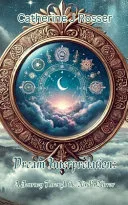
Dream Interpretation
 80
80

Dream Interpretation
Catherine J Rosser’s Dream Interpretation: Unlocking the Secrets of Your Subconscious offers a grounded, accessible entry into the esoteric art of dream analysis. Unlike many texts that descend into purely speculative territory, Rosser anchors her approach in psychological principles, referencing the foundational work of figures like Carl Jung and his exploration of archetypes. The book’s strength lies in its practical exercises, particularly the detailed method for journaling and analyzing dream symbols, which moves beyond mere cataloging of meanings. A notable limitation, however, is the occasional reliance on broad generalizations about universal symbols; a deeper dive into cultural specificity could have enriched this aspect. The section detailing the interpretation of the 'shadow self' as it manifests in dreams provides a compelling, concrete example of how to apply the book's methodologies. Ultimately, this is a solid, if not revolutionary, manual for the aspiring dream interpreter.
📝 Description
80
Catherine J. Rosser's Dream Interpretation, published in 2024, argues dreams carry meaningful messages from the subconscious.
This book presents a structured method for analyzing dreams, viewing them not as random occurrences but as significant communications from the subconscious mind. It proposes that understanding these messages can lead to personal insight and psychological integration. The author draws upon both established psychological theories and esoteric traditions to guide readers. The approach emphasizes that interpreting dreams is an active, personal endeavor.
Readers will find practical techniques for deciphering nocturnal visions and identifying recurring patterns. The book aims to help individuals seeking greater self-awareness and personal development, especially those interested in psychology, spirituality, and the occult. It suggests applying insights gained from dreams to one's waking life, highlighting the potential for tapping into inner resources.
The study of dreams has a long history, with ancient cultures like the Egyptians and Greeks viewing them as divine communications. Within the esoteric tradition, figures such as Carl Jung, whose work on the collective unconscious profoundly influenced dream analysis, have investigated the symbolic depth of dreams. Rosser's book engages with this heritage, incorporating Jungian concepts and other esoteric perspectives to offer a contemporary understanding of dream interpretation.
💡 Why Read This Book?
• Gain practical, step-by-step methods for recording and analyzing your dreams, directly applicable from Chapter 3's 'Dream Journaling Techniques' to unlock personal insights. • Understand the psychological underpinnings of dream symbolism, moving beyond simple dictionaries to grasp concepts like Jungian archetypes as presented in the text. • Learn to connect dream imagery to your waking emotional landscape, using the book's framework to identify and address subconscious patterns affecting your daily life.
⭐ Reader Reviews
Honest opinions from readers who have explored this book.
❓ Frequently Asked Questions
When was Dream Interpretation: Unlocking the Secrets of Your Subconscious first published?
The book was first published on October 25, 2024. This recent publication date ensures the content is fresh and relevant to contemporary understanding of dream analysis.
What is the main goal of Dream Interpretation by Catherine J Rosser?
The primary aim is to provide readers with the tools and knowledge to understand their dreams, unlock subconscious messages, and foster personal growth and emotional healing.
Does the book rely on specific psychological theories?
Yes, it draws upon established psychological frameworks, including concepts from analytical psychology, to provide a structured approach to dream interpretation.
Is Dream Interpretation suitable for beginners?
Absolutely. The book is designed as an essential guide, offering practical tools and in-depth knowledge for those new to dream analysis as well as more experienced practitioners.
What kind of insights can one expect from interpreting dreams using this book?
Readers can expect to gain insights into their fears, desires, unresolved emotions, and hidden potential, using dreams as a map to the subconscious mind.
What distinguishes this book from other dream interpretation guides?
It combines psychological perspectives with spiritual and cultural symbolism, offering a holistic approach and practical techniques for transformation.
🔮 Key Themes & Symbolism
The Subconscious as a Mirror
This work posits the subconscious mind as a profound reservoir of untapped information, revealed through the symbolic language of dreams. It argues that dreams act as a direct conduit, reflecting our deepest fears, unexpressed desires, and the unresolved conflicts that shape our waking reality. By learning to decode these nocturnal narratives, readers are encouraged to confront aspects of themselves they may have previously ignored, facilitating a more integrated and authentic self-awareness. The book frames dream interpretation not as fortune-telling, but as a vital tool for psychological exploration and self-understanding.
Symbolic Language of Dreams
Central to Rosser's approach is the understanding that dreams communicate through symbols, not literal events. The book explores how universal archetypes, personal associations, and cultural motifs converge to create a unique symbolic lexicon for each dreamer. It guides readers in distinguishing between common symbolic meanings and those specific to their individual experience, emphasizing that context is paramount. This section serves as a foundational lesson in appreciating the nuanced and often poetic way the subconscious mind conveys its messages, encouraging active engagement rather than passive reception.
Dreams for Personal Transformation
Beyond mere analysis, Dream Interpretation emphasizes the transformative power of understanding one's dreams. The book presents a framework for applying dream insights to foster healing, resolve internal conflicts, and unlock latent potential. It suggests that by acknowledging and integrating the messages from the subconscious, individuals can navigate life's challenges with greater clarity and purpose. This theme highlights the practical utility of dream work, positioning it as a dynamic practice that can lead to tangible improvements in emotional well-being and personal efficacy.
Integrating Psychology and Spirituality
This book bridges the gap between psychological inquiry and esoteric wisdom. It acknowledges the scientific study of dreams while embracing the spiritual and mystical dimensions often associated with them. By drawing from various traditions, it offers a holistic perspective that respects both empirical observation and intuitive understanding. The work suggests that a comprehensive approach to dream interpretation enriches our understanding of the human psyche, acknowledging the interconnectedness of mind, body, and spirit in the pursuit of self-knowledge.
💬 Memorable Quotes
Direct passages from the work, attributed to the author.
“Dreams are not random noise; they are intentional messages from your deepest self.”
— This statement expresses the book's core premise: that dreams possess inherent meaning and purpose, serving as vital communications from the subconscious rather than mere neurological epiphenomena.
“The symbols in your dreams are a personal language; learn to translate them for yourself.”
— This emphasizes the subjective nature of dream interpretation, cautioning against rigid adherence to universal symbol dictionaries and encouraging the reader to find personal meaning.
“Recurring nightmares often signal an unresolved issue demanding your attention in waking life.”
— This highlights the diagnostic potential of dreams, suggesting that persistent negative dream themes point to specific areas of psychological or emotional distress that require conscious engagement.
“By understanding your dreams, you unlock a powerful resource for personal healing and growth.”
— This frames dream interpretation as a practical, actionable tool for self-improvement, linking subconscious exploration directly to tangible benefits in one's conscious life.
“The shadow self, when acknowledged in dreams, loses its power to control you unconsciously.”
— This concept, derived from Jungian psychology, suggests that confronting and integrating the repressed or denied aspects of the personality, often symbolized in dreams, leads to greater psychological freedom.
🌙 Esoteric Significance
Tradition
This work aligns with the Hermetic and Neoplatonic traditions, which emphasize the correspondence between the macrocosm and microcosm, and the idea that the human mind is a reflection of divine consciousness. It draws heavily from analytical psychology, particularly the archetypal psychology pioneered by Carl Jung, which itself has deep roots in Gnosticism and Hermeticism. Rosser’s approach seeks to integrate these psychological insights with a spiritual understanding of the psyche, viewing dreams as messages from a higher self or the collective unconscious, rather than solely biological phenomena.
Symbolism
Key symbols explored include the 'shadow,' representing repressed aspects of the self, often appearing as menacing figures or dark places; 'water,' frequently symbolizing the unconscious, emotions, and the flow of psychic energy; and 'flying,' which can denote freedom, transcendence, or escape from limitations. These symbols are interpreted not just through personal association but also through their archetypal significance within broader mythic and spiritual narratives, connecting the individual dreamer to universal human experiences.
Modern Relevance
Contemporary thinkers and practitioners in fields such as transpersonal psychology, integral theory, and various forms of modern witchcraft and shamanism often reference Jungian concepts of dream interpretation. Rosser's book provides accessible tools for individuals engaging with these practices, offering a bridge between academic psychology and lived spiritual experience. Its emphasis on personal transformation through dream work also speaks to the burgeoning self-help and wellness industries, albeit with a distinctly esoteric and psychological foundation.
👥 Who Should Read This Book
• Aspiring psychologists and therapists interested in Jungian analytical psychology and its application to dream analysis. • Individuals exploring personal growth and self-discovery who seek to understand their inner world through symbolic interpretation. • Students of esoteric traditions and comparative religion interested in the historical and cross-cultural significance of dream symbolism.
📜 Historical Context
Catherine J Rosser's Dream Interpretation emerges in an era where interest in the subconscious and esoteric studies continues to flourish, building upon a rich lineage of dream scholarship. The early 20th century saw pioneers like Sigmund Freud and Carl Jung revolutionize the psychological understanding of dreams, with Jung's concept of archetypes and the collective unconscious particularly influencing esoteric thought. Rosser's work engages with this legacy, positioning itself within the broader tradition of analytical psychology and spiritual exploration. Unlike purely clinical texts, it incorporates symbolic and spiritual dimensions that resonate with movements like Theosophy and modern Jungian analysis. While Freud's focus was primarily on repressed desires, Jung expanded the scope to include spiritual and archetypal elements, a direction Rosser seems to follow. The book’s 2024 publication date places it contemporary to a resurgence of interest in mindfulness, self-help, and alternative spiritual practices.
📔 Journal Prompts
The recurring symbol of the 'shadow' in your dreams: what aspects of yourself does it represent?
Analyze the emotional tone of your most recent vivid dream and its connection to your waking feelings.
Reflect on a dream involving water: what does this symbolize about your current emotional state?
Consider the feeling of 'flying' in a dream: does it represent liberation or evasion?
Identify a dream character that evoked a strong reaction and explore its potential meaning.
🗂️ Glossary
Archetype
Universal, archaic patterns and images that derive from the collective unconscious and are the psychic counterpart of a biological instinct. In dreams, they manifest as recurring figures or motifs.
Collective Unconscious
A term coined by Carl Jung, referring to the part of the unconscious mind that is common to all humanity, containing inherited archetypes and instincts.
Shadow Self
In Jungian psychology, the shadow represents the unconscious, repressed, or disowned parts of the personality. It often appears in dreams as a darker, sometimes menacing figure.
Symbol
An image, word, or object that represents something else, often an abstract idea or concept. In dreams, symbols are the primary language of the subconscious.
Personal Association
The unique meaning a symbol holds for an individual, based on their personal experiences, memories, and emotional connections, which is crucial for accurate dream interpretation.
Nightmare
A disturbing dream that evokes feelings of fear, terror, or distress. Often indicates unresolved psychological issues or significant stress in the dreamer's life.
Lucid Dreaming
A state of consciousness where the dreamer is aware that they are dreaming and may be able to exert some control over the dream narrative or environment.