Denkōroku
 75
75

Denkōroku
Keizan's Denkōroku is less a narrative and more a meticulously curated collection of spiritual lineages. Its strength lies in the sheer breadth of masters presented, offering a panoramic view of Zen's development through the lives and words of its key figures. The biographical sketches, while sometimes brief, are potent distillations of spiritual practice. One particular passage detailing Master Sekitō Kisen's profound realization after years of arduous practice offers a stark illustration of Zen's emphasis on perseverance. However, the text’s encyclopedic nature can sometimes feel overwhelming; without prior grounding in Zen history or philosophy, the sheer number of names and lineages might obscure the central message. The work's value is undeniable for dedicated scholars and practitioners, providing a vital link to the historical roots of Zen transmission.
📝 Description
75
Compiled around 1300 CE, Denkōroku traces Zen's spiritual lineage through master biographies.
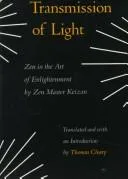
Keizan Jokin's Denkōroku, or 'Record of the Transmission of the Lamp,' was compiled in Japan around 1300 CE. It details the lives and enlightenment experiences of prominent Zen masters, primarily from China. The text aims to illustrate the direct, personal transmission of spiritual insight from teacher to student across generations, a core tenet of Zen practice. It functions not just as history but as a guide for understanding this lineage.
This work is particularly useful for students of Zen Buddhism who want to understand the historical development of its schools and the practical aspects of its teachings. Scholars of religion and philosophy in East Asia will find the biographical accounts and philosophical discussions valuable. Practitioners interested in the master-disciple relationship and the historical manifestation of spiritual awakening will also find meaning here.
Denkōroku belongs to the Zen Buddhist tradition, specifically the Sōtō school, which Keizan helped to firmly establish. The text emphasizes the concept of 'transmission,' symbolized by the lamp or light, representing the unbroken lineage of awakened minds. It highlights the direct, experiential nature of enlightenment, often conveyed through koans and master-disciple interactions rather than solely through written doctrine. This focus on personal realization and lineage continuity is central to Zen's mystical and contemplative practices.
💡 Why Read This Book?
• Gain insight into the concept of spiritual transmission (densho) as elucidated through the biographies of numerous Zen masters, understanding how insight is passed down through generations. • Explore the practical methods and unique teachings of key figures like Keizan Jokin and his predecessors, learning about their approaches to awakening. • Understand the historical establishment of the Sōtō school in Japan during the Kamakura period, appreciating the context in which this foundational text emerged.
⭐ Reader Reviews
Honest opinions from readers who have explored this book.
❓ Frequently Asked Questions
When was Denkōroku compiled by Zen Master Keizan Jokin?
Denkōroku was compiled by Zen Master Keizan Jokin around the year 1300 CE, during the Kamakura period in Japan.
What is the primary purpose of the Denkōroku?
Its primary purpose is to document the lineage of Zen Buddhist masters, illustrating the direct transmission of enlightenment and teachings from teacher to disciple.
Which school of Zen Buddhism is most closely associated with Keizan Jokin and Denkōroku?
Keizan Jokin is a pivotal figure in the Sōtō school of Zen Buddhism, and Denkōroku is considered a foundational text for this lineage.
What kind of content can be found in Denkōroku?
The book contains discourses, biographical accounts of Zen masters, and dialogues, all aimed at illustrating the nature of spiritual awakening and its transmission.
Does Denkōroku contain original teachings by Keizan Jokin?
While Keizan compiled and organized the work, it primarily presents teachings and life stories of earlier masters, serving as a record of their transmission.
What does the title 'Denkōroku' mean?
The title 'Denkōroku' translates to 'Record of the Transmission of the Lamp' or 'The Transmission of the Light,' signifying the passing of spiritual insight.
🔮 Key Themes & Symbolism
The Lamp of Transmission
Central to Denkōroku is the metaphor of the 'lamp' or 'light,' symbolizing the direct, unadulterated transmission of spiritual insight from Buddha to the present day. Keizan meticulously traces this lineage through biographical accounts of numerous Zen masters, illustrating that awakening is not merely an intellectual pursuit but a lived experience passed from one awakened mind to another. This concept underscores the importance of the master-disciple relationship in Zen practice, positioning it as the vehicle for this sacred inheritance.
Embodiment of Enlightenment
Rather than abstract philosophical discourse, Denkōroku emphasizes the embodied nature of enlightenment. Through the lives of its featured masters, the text demonstrates how awakened wisdom manifests in action, speech, and even seemingly ordinary moments. Keizan presents these figures not as distant saints but as individuals who grappled with the path, highlighting their struggles, breakthroughs, and the practical, often unconventional, methods they employed to guide others towards their own inherent Buddha-nature.
Lineage and Legitimacy
Compiled during a period of sectarian development in Japanese Buddhism, Denkōroku served an important role in establishing and validating the Sōtō Zen lineage. By presenting a clear and extensive genealogical tree of masters, Keizan asserted the historical continuity and legitimacy of his school's teachings. The text functions as a spiritual 'family tree,' connecting contemporary practitioners to the earliest awakened beings and reinforcing the integrity of the Sōtō tradition's spiritual inheritance.
The Nature of Awakening
The discourses and biographies within Denkōroku collectively illuminate the complex nature of Zen awakening. While direct transmission is key, the text also portrays awakening as a process that can involve intense practice, unexpected insights, and the overcoming of deep-seated illusions. It showcases the variety of experiences and expressions of enlightenment, suggesting that while the ultimate realization is singular, the paths and manifestations can be diverse, often defying conventional expectations.
💬 Memorable Quotes
Direct passages from the work, attributed to the author.
“The lamp of the Buddha's dharma has been transmitted from master to disciple, mind to mind.”
— This statement expresses the core theme of transmission (densho), highlighting that the essence of Buddhist awakening is not found in scriptures alone but in the direct, experiential transfer of insight from an enlightened teacher.
“Master Sekitō Kisen practiced diligently for thirty years, seeking the Way.”
— This brief biographical note emphasizes the profound commitment and sustained effort often required in the Zen path, illustrating that realization frequently follows long periods of dedicated practice and perseverance.
“When the mind is pure, all phenomena appear as they are.”
— This interpretation suggests that clarity of perception is directly linked to the state of one's mind; a purified consciousness allows for an unclouded view of reality, free from delusion and distortion.
“The true transmission is beyond words and letters.”
— This highlights the non-conceptual nature of Zen enlightenment. While texts like Denkōroku are valuable, the ultimate realization transcends linguistic expression and intellectual understanding.
“Master Nan-ch'uan asked, 'What is the meaning of Bodhidharma coming from the West?' The monk replied, 'The cypress tree in the courtyard.'”
— This classic koan exchange illustrates Zen's use of paradoxical or seemingly nonsensical responses to break through conventional, dualistic thinking and point towards direct experience.
🌙 Esoteric Significance
Tradition
Denkōroku is deeply rooted in the Mahayana Buddhist tradition, specifically within the Chan (Zen) lineage that originated in China and later flourished in Japan. It represents the esoteric transmission of meditative insight and awakened mind (Buddha-nature) that is passed directly from master to disciple, often considered beyond the scope of purely intellectual or scriptural understanding. While not aligning with Western esoteric systems like Hermeticism or Kabbalah, its emphasis on direct experiential knowledge and lineage transmission shares common ground with the core principles of many esoteric paths.
Symbolism
The central symbol in Denkōroku is the 'lamp' or 'light,' representing the transmission of enlightenment – the awakened mind passed from teacher to student. This 'light' is not a physical illumination but the direct realization of Buddha-nature. Another significant motif is the unbroken lineage itself, depicted as a chain connecting the historical Buddha to contemporary masters, signifying the continuity of spiritual authority and practice. The biographies often use symbolic actions or dialogues to convey profound truths, such as a master's gesture or a seemingly simple response to a question.
Modern Relevance
Contemporary Zen practitioners and teachers continue to draw heavily on Denkōroku for understanding lineage and practice. Its emphasis on direct transmission informs modern meditation retreats and master-disciple relationships within Sōtō and other Zen schools. Scholars of religion and East Asian studies utilize the text for historical research into Buddhism's development. Furthermore, its exploration of direct experience and the nature of consciousness appeals to modern interest in mindfulness and contemplative practices, finding echoes in secular mindfulness movements and psychological approaches to well-being.
👥 Who Should Read This Book
• Students of Zen Buddhism: Those seeking a comprehensive historical and practical understanding of the Sōtō lineage and the concept of dharma transmission. • Comparative Religion Scholars: Researchers interested in the development of East Asian Buddhism, monastic lineages, and the transmission of spiritual authority. • Dedicated Meditators: Individuals aiming to deepen their practice by studying the lives and teachings of past masters who embodied the Zen path.
📜 Historical Context
Compiled by Zen Master Keizan Jokin around 1300 CE, Denkōroku emerged during Japan's Kamakura period (1185–1333), a time of significant social and political upheaval that also saw the flourishing of distinct Buddhist schools. Keizan, a key figure in solidifying the Sōtō school's foundation, created this extensive record to trace the lineage of Zen masters, emphasizing the unbroken transmission of the dharma. Its compilation served to bolster the Sōtō lineage's authority and doctrinal integrity, particularly in relation to other emergent Zen traditions like the Rinzai school. The text's structure, presenting biographies and key teachings, mirrored earlier Chinese Zen lineage texts, adapting them for a Japanese audience. Its creation was part of a broader movement to establish distinct national Buddhist traditions, asserting their historical roots and spiritual legitimacy amidst competing philosophies and practices.
📔 Journal Prompts
The Lamp of Transmission: Reflect on the concept of spiritual lineage as presented through the masters in Denkōroku.
Master Sekitō Kisen's diligent practice: Consider the role of sustained effort in your own spiritual or personal development.
The embodiment of awakened mind: How do the actions of Zen masters in Denkōroku illustrate their realization?
The meaning of Bodhidharma's coming from the West: Explore the nature of direct experience versus intellectual understanding.
The pure mind and perception: How might cultivating mental clarity alter your experience of the world?
🗂️ Glossary
Dharma Transmission (Densho)
The formal passing of Buddhist teachings and spiritual authority from a master to a disciple, often considered a direct mind-to-mind transfer of awakened insight, symbolized by the 'transmission of the lamp'.
Buddha-nature (Busshō)
The inherent potential for enlightenment present in all sentient beings. Zen practice aims to realize this innate quality, which is often considered to be beyond conceptualization.
Zen Master
An individual recognized within the Zen tradition as having achieved a high level of spiritual realization and qualified to guide others on the path.
Sōtō School
One of the major schools of Zen Buddhism, particularly prominent in Japan, emphasizing seated meditation (zazen) as the primary practice for realizing enlightenment.
Kamakura Period
A period in Japanese history (1185–1333) marked by the rise of the samurai class and significant developments in Japanese Buddhism, including the establishment of new Zen schools.
Koan
A paradoxical anecdote or riddle used in Zen Buddhism to provoke doubt and test a student's progress in Zen practice, intended to disrupt rational thought.
Lineage
The historical succession of masters and disciples in a spiritual tradition, tracing the line of transmission from the founder or key figures.
🔮 Readers Also Liked
Browse all →








More Free Occult Philosophy Books
View all →