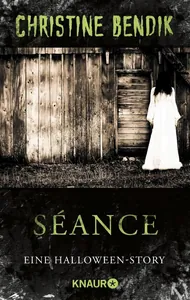
Das offizielle Original Krimidinner® Rätselabenteuer: Tödliche Séance
 78
78

Das offizielle Original Krimidinner® Rätselabenteuer: Tödliche Séance
Tom Grimm's "Tödliche Séance" offers a structured approach to the popular murder mystery dinner party format. The game's strength lies in its clear presentation of roles and clues, facilitating an accessible experience for newcomers to the genre. The scenario, centered around a séance, provides a potentially atmospheric backdrop. However, the reliance on pre-written scripts can sometimes limit organic player interaction, and the puzzle mechanics, while functional, may feel somewhat predictable to seasoned mystery game enthusiasts. A particular moment involving a supposedly cursed artifact offers a glimpse of deeper thematic potential, though it remains largely a plot device. Ultimately, it serves its purpose as an organized group activity, providing a solid framework for an evening of simulated detective work.
📝 Description
78
Published in 2020, Das offizielle Original Krimidinner® Rätselabenteuer: Tödliche Séance is an interactive murder mystery game, not a narrative.
This game challenges groups to solve a fictional murder during a staged séance. Participants take on assigned roles, examining clues and character testimonies to identify the culprit. The game includes staged dialogues, hidden evidence, and puzzles designed for cooperative play. It is suited for friends, families, or colleagues looking for an engaging activity that promotes communication and critical thinking. Players who enjoy mysteries, role-playing, and structured problem-solving will find it enjoyable. It offers a way to host a murder mystery event with minimal preparation.
The game's core mechanics center on collaborative deduction and role-playing. Participants work through a fabricated crime, analyzing character motivations and alibis. The presentation of evidence, often physical or written, is key. Red herrings are used to misdirect players, with the ultimate objective being the group's collective identification of the murderer. The 'séance' aspect suggests a supernatural or spiritualist theme influencing the mystery.
While primarily a game, "Tödliche Séance" touches on esoteric themes through its séance setting. Séances, historically, were attempts to communicate with spirits or explore altered states of consciousness, often associated with spiritualism and occult practices of the late 19th and early 20th centuries. The inclusion of such a setting within a murder mystery framework suggests an exploration of the uncanny, the unseen, and perhaps the darker psychological elements that can accompany attempts to bridge the veil between the living and the dead, albeit in a playful, fictional context.
💡 Why Read This Book?
• Engage with the "Tödliche Séance" scenario, learning to identify plot devices like red herrings and alibis, enhancing your critical thinking skills for real-world problem-solving. • Experience the collaborative deduction process inherent in murder mystery games, fostering teamwork and communication as you and your group work to solve the crime presented in the 2020 publication. • Explore the specific thematic element of a "séance" within the game's narrative, understanding how such motifs can be used to build atmosphere and misdirection in interactive storytelling.
⭐ Reader Reviews
Honest opinions from readers who have explored this book.
❓ Frequently Asked Questions
What is the primary objective of Das offizielle Original Krimidinner® Rätselabenteuer: Tödliche Séance?
The primary objective is for players to collaboratively solve a fictional murder mystery by uncovering clues, interrogating suspects (portrayed by themselves or fellow players), and deducing the identity of the killer within the game's scenario.
How many players are typically recommended for Tödliche Séance?
While specific numbers vary by edition, these types of Krimidinner games are generally designed for groups of 6-10 players to ensure sufficient roles and interaction, though some can accommodate slightly more or fewer participants.
Does the game require a host or moderator?
Often, a host or moderator is beneficial, especially for the first-time players, to guide the game, distribute materials, and manage the flow of the evening, though the game is designed to be playable with clear instructions for self-direction.
What kind of materials are included in the game box?
The game typically includes character booklets for each player, clue cards, evidence documents, a murder victim profile, and often a solution envelope. The 'Tödliche Séance' title suggests specific items related to a séance might be included.
Is prior knowledge of occult or spiritualism necessary to play Tödliche Séance?
No prior knowledge is necessary. The game provides all the thematic context and information required within its components. The 'séance' aspect serves as a narrative theme rather than a requirement for player expertise.
When was the book/game first published?
Das offizielle Original Krimidinner® Rätselabenteuer: Tödliche Séance was first published on September 22, 2020.
🔮 Key Themes & Symbolism
Collaborative Deduction
The game centers on the principle that collective reasoning is superior to individual analysis. Players must share information, compare notes, and challenge each other's assumptions to piece together the events leading to the murder. This theme emphasizes active listening and strategic communication, pushing participants beyond passive observation to become engaged investigators within the narrative framework provided by the 2020 publication.
Role-Playing Immersion
Each participant embodies a character with their own background, secrets, and potential motives. The game encourages players to step into these roles, influencing their interactions and the information they reveal (or conceal). The "Tödliche Séance" context implies characters might have connections to spiritualism or the occult, adding a layer of intrigue to their personas and interactions.
Thematic Atmosphere Building
The 'Tödliche Séance' title immediately establishes a specific atmosphere, likely involving elements of spiritualism, the paranormal, or dramatic revelations. The game's design aims to leverage this theme through dialogue prompts, clue content, and character backgrounds to create an immersive and suspenseful experience for the players gathered for the 2020 game.
Puzzle and Clue Management
Success hinges on the effective presentation and interpretation of game elements. Players must meticulously examine provided clues, decipher cryptic messages, and connect seemingly disparate pieces of information. The game's structure ensures that these puzzles are integral to progressing the investigation and ultimately identifying the culprit.
💬 Memorable Quotes
Direct passages from the work, attributed to the author.
“The medium's eyes fluttered open, but they weren't her own.”
— This suggests a possession or a significant shift in consciousness during the séance, hinting at the supernatural or a deliberate deception being enacted.
“He clutched the locket, its cold metal a stark contrast to his feverish grip.”
— This implies the locket is of great importance to the character, possibly a key piece of evidence or a symbol of a hidden past, creating intrigue around its significance.
“The message on the slate seemed to appear from nowhere.”
— This directly references the séance theme, suggesting paranormal activity or a cleverly staged illusion designed to mislead the investigators.
“Everyone at the table has a reason to wish him gone.”
— This statement expresses the core mystery, highlighting that multiple characters possess motive, thus complicating the deduction process for the players.
“The final whisper carried a name, lost in the wind.”
— This implies a dying declaration or a crucial piece of information delivered under duress, which may be difficult to recall or verify, serving as a final puzzle piece.
🌙 Esoteric Significance
Tradition
While not strictly adhering to a specific esoteric lineage like Hermeticism or Gnosticism, "Tödliche Séance" taps into the broader fascination with spiritualism and the occult that permeated certain counter-cultural and fringe movements, particularly in the late 19th and early 20th centuries. The game's theme of a séance plays into the historical practices of mediums and attempts to communicate with the spirit world, a practice explored by groups like the Theosophical Society, albeit from a more academic or philosophical standpoint.
Symbolism
The central symbol is the séance itself, representing a liminal space between the living and the dead, a threshold where secrets can be revealed or further obscured. Other potential symbols might include Ouija boards, tarot cards, or spectral apparitions, all employed to evoke an atmosphere of mystery and the uncanny. These symbols function within the game to heighten suspense and provide thematic context for the unfolding drama.
Modern Relevance
Contemporary interest in paranormal investigation shows, escape rooms, and immersive theatre demonstrates a continued public appetite for experiences that blend mystery with the supernatural. "Tödliche Séance" aligns with this trend by offering a contained, interactive format that allows participants to explore themes of death, the afterlife, and hidden truths in a playful, yet engaging manner, echoing modern explorations of the uncanny.
👥 Who Should Read This Book
• Aspiring mystery solvers seeking a structured introduction to the genre, learning to analyze clues and motives within a defined scenario. • Groups of friends or families looking for an interactive and thematic activity for a gathering, fostering communication and shared problem-solving. • Fans of fictional crime and occult themes who enjoy role-playing and engaging in a narrative that blends suspense with a touch of the supernatural.
📜 Historical Context
The murder mystery game genre, while seeing a resurgence with modern iterations like Tom Grimm's 2020 "Tödliche Séance," has a lineage traceable to early 20th-century parlor games and post-war entertainment. The rise of accessible, boxed-game formats in the late 1970s and 1980s, exemplified by companies producing themed party kits, laid the groundwork. These games often drew inspiration from popular culture, such as Agatha Christie's detective novels or films noir. While "Tödliche Séance" presents a contemporary take, its mechanics echo earlier forms where participants adopted roles and followed scripted clues. Competitors in the market at the time focused on diverse themes, from historical settings like Victorian England to fantastical realms, each vying to offer engaging group entertainment. Reception was generally positive for the format's accessibility, though critiques sometimes focused on the rigidity of pre-determined solutions versus emergent gameplay.
📔 Journal Prompts
The cryptic message found near the victim: what hidden meaning does it hold?
Reflect on the character assigned to you: what secret motive might they possess?
Analyze the role of the 'séance' in the unfolding events. Is it genuine or staged?
Consider the alibis presented: which one seems the most fragile?
If you were the detective, what additional clue would you seek?
🗂️ Glossary
Krimidinner
A German term for a murder mystery dinner event, where participants play characters and solve a fictional crime, often over the course of a meal.
Rätselabenteuer
German for 'puzzle adventure,' indicating that the game involves solving puzzles and uncovering a mystery.
Séance
A meeting where people attempt to make contact with the spirit world, especially through a medium. In this context, it's a central theme of the murder mystery.
Medium
A person who claims to act as an intermediary between the living and the spirit world. A potential character role or plot element in the game.
Deduction
The process of reasoning from general principles or evidence to reach a specific conclusion. Key skill required to solve the murder.
Red Herring
A clue or piece of information intended to be misleading or distracting, often used in mysteries to divert attention from the real culprit.
Alibi
Evidence or an argument stating that an accused person was elsewhere at the time an alleged crime took place. Crucial for suspect evaluation.