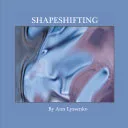
SHAPESHIFTING
 73
73

SHAPESHIFTING
Ann Lyssenko’s "Shapeshifting" offers a refreshingly direct approach to exploring animal consciousness through imaginative identification. Its strength lies in its grounded, sensory-focused methodology, eschewing complex theory for immediate experiential guidance. The photographic element, while evocative, sometimes feels secondary to the text's call for internal visualization. A particular passage inviting the reader to "move the images just a little" after deep observation is quite effective in demonstrating the subtle nature of this psychic work. However, the brevity of the work might leave some readers desiring more detailed explorations of the bear's symbolism or the mechanics of the "heart place." It’s a potent, albeit brief, invocation for those ready to engage their inner senses.
📝 Description
73
Ann Lyssenko's "Shapeshifting" (2012) uses a bear at a pond to guide readers into animal consciousness.
Published in December 2012, Ann Lyssenko's "Shapeshifting" is a visually rich guide to animal transformation through personal meditative practice. The book directs readers to use their senses and a central "heart place" to achieve imaginative shifts into animal awareness. A narrative of observing a bear at a pond acts as a focal point, encouraging a direct connection with the natural world and its latent magic.
This work is for individuals interested in animism, nature spirituality, and visualization. It suits those seeking a more physical approach to esoteric studies, especially practitioners who value direct sensory input and symbolic links to the animal kingdom. Readers drawn to the combination of photography and spiritual exploration will also find it engaging.
"Shapeshifting" appeared in 2012 amidst a resurgence of interest in animism and shamanic practices in Western esoteric circles. While this period drew on indigenous traditions, Lyssenko's method centers on an internal, sensory approach, avoiding cultural appropriation. It reflects a broader early 21st century trend toward reestablishing connections with nature against increasing technological detachment, presenting a personal and accessible path.
💡 Why Read This Book?
• You will learn a method for deep sensory engagement with the natural world, inspired by Lyssenko's 2012 publication, allowing for a more profound connection with animal consciousness. • You will practice a specific visualization technique, described in the original blurb as reaching into your "heart place" and subtly moving images, to foster empathetic transformation. • You will gain insight into the symbolic role of the bear, as presented in the book's narrative, to understand its representation of grounded presence and instinctual wisdom.
⭐ Reader Reviews
Honest opinions from readers who have explored this book.
❓ Frequently Asked Questions
What is the primary focus of Ann Lyssenko's 'Shapeshifting'?
The book focuses on imaginative and empathetic identification with animal consciousness, using sensory engagement and visualization techniques rather than literal physical transformation.
When was 'Shapeshifting' first published?
Ann Lyssenko's 'Shapeshifting' was first published on December 12, 2012.
What role does the bear play in the book?
The bear serves as a central figure, observed by the reader as a means to practice the techniques of sensory immersion and imaginative identification described in the text.
What is the 'heart place' mentioned in the book?
The "heart place" is presented as a psychic center within the individual, crucial for facilitating the imaginative and empathetic connection required for shapeshifting.
Is 'Shapeshifting' a guide to physical transformation?
No, the book emphasizes a psychological and spiritual process of transformation through imagination and sensory awareness, not physical alteration.
What kind of imagery does the book employ?
The book uses photographic images by Ann Lyssenko alongside text to guide the reader's visualization and sensory experience, focusing on natural settings and animal observation.
🔮 Key Themes & Symbolism
Sensory Identification
The core of Lyssenko's method lies in activating all senses to achieve a profound connection with another being. This isn't about intellectualizing but about feeling the environment as the animal might. The text prompts readers to use sight, sound, smell, and even the tactile sensations of the earth to bridge the gap between human and animal awareness, fostering empathy that transcends species boundaries.
Imaginative Transformation
Shapeshifting is presented as an internal act of profound imagination. By focusing on "heart place" and subtly altering mental imagery, practitioners can shift their subjective experience to align with that of an animal. This process highlights the power of the mind to transcend perceived limitations, suggesting that consciousness itself can inhabit different forms through focused intent and sensory recall.
The Bear as Archetype
The bear serves as a potent symbol within the narrative framework of the book. It represents a grounded, instinctual force of nature, embodying presence and a deep connection to the earth. Observing the bear at the pond invites contemplation on its way of being, offering a model for the reader to emulate in their own shapeshifting practice, focusing on stillness and awareness.
Nature as a Mirror
The natural world, particularly the pond setting, acts as a mirror for the inner landscape. The act of observing the coming of night reflects the cyclical nature of transformation and the subtle shifts that occur in both the external environment and the internal state. This theme underscores the interconnectedness of all things, suggesting that understanding nature is key to understanding oneself.
💬 Memorable Quotes
Direct passages from the work, attributed to the author.
“Imagine. Use all your senses. Reach deep into your heart place.”
— This opening instruction expresses the book's core methodology: a call to immersive sensory experience and internal emotional focus as the foundation for psychic work.
“Move the images just a little.”
— This suggests that the process of imaginative transformation is not about drastic change but subtle, nuanced adjustments to one's mental perceptions and visualizations.
“SHAPESHIFT.”
— A direct command that serves as the central thesis of the work, encouraging the reader to actively engage in the process of imaginative identification with other forms.
“Join Bear as he sits and observes the coming of the night at the pond.”
— This sets the scene and introduces the primary animal archetype, inviting the reader into a specific meditative scenario to practice the book's techniques.
“Text and photographic images by Ann Lyssenko”
— Highlights the dual nature of the work, emphasizing both the written guidance and the visual components as integral to the reader's experience.
🌙 Esoteric Significance
Tradition
While not explicitly tied to a single lineage, "Shapeshifting" speaks to animistic and shamanic traditions that recognize the spiritual essence within all beings. It shares principles with Hermeticism's emphasis on "as above, so below," applying it to the microcosm of the human psyche mirroring the macrocosm of nature. The work encourages an internal alchemy, transforming perception through focused will and imagination, akin to Western magical traditions that utilize visualization.
Symbolism
The bear is a primary symbol, representing strength, instinct, and a deep connection to the earth, often associated with hibernation and inner wisdom. The pond serves as a symbol of the subconscious or the watery depths of the psyche, a place where reflection and transformation occur. The "heart place" functions as a symbolic center of emotional and energetic resonance, crucial for bridging the gap between self and other.
Modern Relevance
Lyssenko's work finds relevance today in contemporary practices focusing on ecopsychology, nature connection, and embodied spirituality. Thinkers and practitioners exploring interspecies communication, deep ecology, and mindfulness-based stress reduction might draw parallels. The book’s direct, sensory approach aligns with modern desires for authentic, experiential spiritual paths, offering a foundational technique for those seeking to move beyond purely intellectual engagement with the esoteric.
👥 Who Should Read This Book
• Individuals interested in animistic and nature-based spiritual practices seeking a direct, sensory method for connecting with animal consciousness. • Creative visualization practitioners looking for new techniques to deepen empathy and expand their imaginative capacity beyond human forms. • Photographers and artists drawn to the intersection of visual media and esoteric exploration, seeking inspiration for their work.
📜 Historical Context
Published in December 2012, Ann Lyssenko's "Shapeshifting" arrived during a period where Western esoteric and spiritual communities were increasingly exploring animistic perspectives and somatic approaches to consciousness. This era saw a significant popularization of shamanic journeying, often drawing from indigenous practices, alongside a burgeoning interest in nature-based spirituality. Lyssenko's work offers a distinct, personal pathway, focusing on sensory immersion and visualization rather than ritualistic ceremony or cultural borrowing. It emerged in a landscape populated by authors like Sandra Ingerman, who also explored soul retrieval and shamanic healing, but Lyssenko’s approach is more contained and focused on direct imaginative identification. The book’s emphasis on personal experience and sensory detail positioned it as an accessible entry point for individuals seeking to deepen their connection with the natural world outside more structured or academic esoteric frameworks.
📔 Journal Prompts
The bear's observation of the coming of night.
Sensory details of the pond environment.
Reaching deep into your own "heart place".
Subtly moving the images of your chosen animal form.
The feeling of being grounded like the bear.
🗂️ Glossary
Shapeshifting
In the context of this book, shapeshifting refers to an imaginative and empathetic process of identifying with and experiencing the consciousness of another being, particularly an animal, through sensory engagement and visualization.
Heart Place
A psychic or energetic center within the individual, described as a locus for emotional connection and the facilitation of imaginative transformation or empathetic resonance with other beings.
Sensory Engagement
The active use of all five senses—sight, sound, smell, taste, and touch—to immerse oneself in an experience, crucial for the imaginative identification process outlined in the book.
Images
Mental pictures or visualizations that are consciously manipulated or altered as part of the shapeshifting technique to facilitate a shift in perception and consciousness.
Bear
A central symbolic figure in the book, representing instinctual wisdom, grounded presence, and a deep connection to the natural world, used as a focal point for the reader's practice.
Pond
The setting for the narrative, symbolizing a place of reflection, observation, and the subtle transitions of nature, mirroring the internal process of transformation.
Observation
The practice of careful and attentive watching, used as a primary tool for engaging with the animal subject (the bear) and its environment to foster deep understanding and connection.