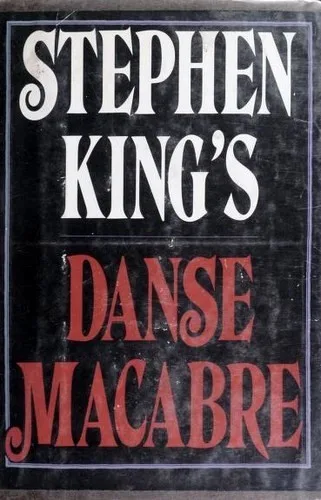
Danse Macabre

 75
75

Danse Macabre
Stephen King’s *Danse Macabre* offers a sprawling, if occasionally uneven, dissection of the genre that made him a household name. Its strength lies in King’s infectious enthusiasm and his ability to connect disparate works—from Poe to *Psycho*—with a critic’s insight and a fan’s fervor. He articulates the fundamental appeal of fear, breaking it down into digestible components like the 'Horrorometer' and the distinction between 'Terror' and 'Gruesome'. However, the book’s sheer breadth sometimes leads to a lack of depth on specific topics, and King’s personal anecdotes, while charming, occasionally overshadow the critical analysis. The section detailing the evolution of the werewolf mythos, for instance, feels more like a personal reflection than a rigorous examination. Nevertheless, King’s passionate defense and deconstruction of horror’s enduring power make *Danse Macabre* an essential, if imperfect, primer for understanding the art of fright. It’s a critic’s loving, if sometimes rambling, ode to the genre.
📝 Description
75
Stephen King published Danse Macabre in 1980, a survey of the horror genre's literature and film.
Stephen King's 1980 book, *Danse Macabre*, is a survey of the horror genre, not a novel. King examines the literature, film, and television that shaped fear across generations. He analyzes the psychology of fear and its lasting appeal in various media and time periods. The book serves as both a critical study and a personal reflection on the enduring power of the macabre.
This work is valuable for anyone interested in how horror functions. Readers of literary criticism, film studies, and popular culture will find much to consider. It is especially helpful for writers learning suspense and dread, and for horror fans wanting to understand their favorite works in a larger context. King traces horror's roots from Gothic literature and early cinema, offering an accessible analysis of its impact on American culture.
Published in 1980, *Danse Macabre* arrived during a revival of the horror genre. King's analysis connected this resurgence to earlier traditions, including Gothic literature and early cinema. The book offers a critical perspective on horror's place in American culture, distinguishing itself from simple retrospectives. It provides a structured approach to understanding the genre's evolution and impact.
💡 Why Read This Book?
• Gain an understanding of Stephen King's personal "Horrorometer" concept, a unique metric for gauging the intensity of fear in a story, allowing you to analyze your own reactions to horror narratives. • Explore the historical trajectory of horror from its literary roots in authors like H.P. Lovecraft to its cinematic expressions, providing a contextualized view of genre evolution. • Learn King's categorization of "Terror," "Horror," and "Gruesome" to dissect how different elements create distinct emotional responses, enhancing your critical appreciation of horror works.
⭐ Reader Reviews
Honest opinions from readers who have explored this book.
❓ Frequently Asked Questions
Is Stephen King's Danse Macabre a novel or a non-fiction analysis?
Danse Macabre is a non-fiction work published in 1980. It is Stephen King's extensive exploration and analysis of the horror genre across literature, film, and television, rather than a fictional narrative.
What are the main categories of horror King discusses?
King breaks down horror into three main categories: Terror, the suspenseful anticipation of dread; Horror, the shock of the unnatural or uncanny; and Gruesome, the visceral reaction to gore and physical violence.
When was Danse Macabre first published?
Danse Macabre was first published in 1980 by Everest House.
Does Danse Macabre cover modern horror films or books?
As it was published in 1980, Danse Macabre primarily covers horror up to that point. It discusses classics and works from the mid-20th century, providing a foundational understanding rather than an exhaustive overview of contemporary horror.
Who is the target audience for Danse Macabre?
The book is aimed at horror enthusiasts, aspiring writers, literary critics, and anyone interested in the history and psychology of fear in popular culture.
What is the 'Horrorometer' concept in Danse Macabre?
The 'Horrorometer' is King's informal term for measuring the intensity of a horror work's impact on the audience, considering factors like suspense, gore, and psychological dread.
🔮 Key Themes & Symbolism
The Anatomy of Fear
King dissects the fundamental elements that constitute fear in narrative. He explores how authors and filmmakers manipulate audience psychology through suspense, the uncanny, and visceral shock. This analysis goes beyond simple scares, examining the deliberate construction of dread and the specific triggers that elicit primal reactions. The work studies the 'why' behind our fascination with the terrifying, proposing that confronting fear in a controlled narrative environment can be cathartic.
Genre Evolution and Influence
The book traces the lineage of horror from early Gothic tales through mid-20th century pulps and cinema to contemporary (1980) manifestations. King highlights key figures and works that shaped the genre, demonstrating how tropes and themes have been adapted and reinterpreted over time. He examines the symbiotic relationship between literature and film, showing how advancements in one medium influenced the other, thereby creating a richer, more varied horror landscape.
The Writer's Toolkit
For aspiring authors, *Danse Macabre* serves as an informal deep study in crafting horror. King shares practical insights on pacing, character development, and the effective use of suspense and shock. He discusses the importance of setting, atmosphere, and believable threats, drawing examples from his own work and those of his idols. The book explains the creative process, offering tangible techniques for building tension and delivering impactful scares.
Personal and Cultural Resonance
King interweaves his personal experiences with horror—childhood fears, formative literary encounters, and professional insights—throughout the analysis. This blend makes the critique relatable and engaging. He argues that horror reflects collective anxieties and societal fears, acting as a cultural barometer. By examining the genre's enduring popularity, he suggests that horror fulfills a crucial psychological and cultural need for modern audiences.
💬 Memorable Quotes
Direct passages from the work, attributed to the author.
“The object of horror is to make us feel fear.”
— This fundamental statement underscores King's central thesis: that the core purpose of the horror genre is to elicit a specific emotional response—fear—from its audience, and that understanding this objective is key to analyzing horror works.
“The horror story is a genre that appeals to the oldest and darkest part of our brain.”
— This interpretation highlights the primal nature of horror, suggesting its appeal lies in tapping into ancient, instinctual fears rooted deep within the human psyche, predating rational thought.
“The story is the most important thing.”
— This emphasizes King's belief in narrative structure as the foundation of effective storytelling, even within the sensational confines of the horror genre. A strong story, he implies, is essential for engaging an audience.
💡 Key Ideas
Editorial paraphrase of the work's core concepts — not direct quotes.
There are three basic types of horror: the Horror, the Gruesome, and the Terror.
This quote introduces King's core analytical framework for categorizing the different ways horror manifests, distinguishing between the shock of the unnatural (Horror), the revulsion from gore (Gruesome), and the dread of anticipation (Terror).
We all have our personal horrorometer.
This paraphrased concept refers to King's idea that each individual possesses a unique sensitivity to different types of fear, influencing how they experience and react to horror content.
🌙 Esoteric Significance
Tradition
While *Danse Macabre* is not explicitly rooted in a single esoteric tradition, its deep dive into the psychological and symbolic underpinnings of fear touches upon themes relevant to Gnosticism and Hermeticism. The exploration of confronting primal fears and understanding the shadow self echoes Gnostic ideas of overcoming ignorance through gnosis. Similarly, King’s analytical approach to dissecting the mechanics of terror can be seen as a form of symbolic interpretation, akin to Hermetic methods of understanding hidden correspondences and universal principles within phenomena.
Symbolism
The book frequently engages with archetypal symbols prevalent in occult traditions. The werewolf, for instance, symbolizes the primal beast within humanity, the loss of control, and the duality of man's nature—a theme resonant in shamanic traditions and Jungian psychology. Ghosts and spectral entities represent unresolved trauma, the lingering past, or the fear of death itself, acting as potent symbols of mortality and the unknown. King's analysis of these figures goes beyond mere plot devices, exploring their deep psychological and cultural resonance.
Modern Relevance
Contemporary horror creators and theorists continue to draw from King's foundational analysis. His frameworks for understanding fear, such as the 'Horrorometer' and the distinctions between 'Terror,' 'Horror,' and 'Gruesome,' remain useful tools for deconstructing narratives. Thinkers in popular psychology and media studies often cite *Danse Macabre* when discussing the enduring appeal of fright and the way horror reflects societal anxieties. The book's influence is evident in modern critical essays and academic discussions that continue to explore the many-sided nature of the horror genre.
👥 Who Should Read This Book
• Aspiring horror writers seeking to understand the craft of fear and suspense from a master of the genre. • Film and literature students interested in a comprehensive historical and critical overview of horror's evolution across different media. • Readers fascinated by the psychology of fear and the cultural significance of horror, looking for an accessible yet insightful analysis.
📜 Historical Context
Published in 1980, Stephen King's *Danse Macabre* arrived at an important moment for the horror genre. The preceding decade had seen a significant rise in both literary and cinematic horror, with authors like H.P. Lovecraft gaining posthumous recognition and films like *The Exorcist* (1973) and *Halloween* (1978) achieving massive commercial success. King's work offered a comprehensive, accessible analysis that bridged the gap between academic criticism and fan appreciation. While critics like Robin Wood were publishing more theoretical analyses of horror in film, King's approach was distinctively personal and broadly engaging, drawing connections from classic Gothic literature to contemporary B-movies. He engaged directly with the cultural impact of horror, arguing for its significance beyond mere sensationalism, a stance that helped legitimize the genre for a wider audience amidst ongoing debates about its perceived social effects.
📔 Journal Prompts
The concept of the 'Horrorometer' and personal thresholds for fear.
Analysis of the 'Terror' versus 'Gruesome' dichotomy in a favorite horror work.
The enduring symbolism of the werewolf as depicted in literature and film.
Stephen King's personal journey with horror, from childhood to author.
How the 'A-Story' and 'B-Story' structure impacts the pacing of dread.
🗂️ Glossary
Horrorometer
Stephen King's informal concept for measuring the intensity and effectiveness of a horror work in frightening its audience, considering various elements like suspense, gore, and psychological impact.
Terror
In King's classification, this refers to the suspenseful anticipation and dread that precedes a frightening event, focusing on psychological tension and the unknown.
Horror (the uncanny)
King's term for the shock and revulsion elicited by the unnatural, the supernatural, or the uncanny – elements that defy rational explanation.
Gruesome
King's category for horror that relies on visceral shock, gore, and graphic depictions of violence or physical mutilation to elicit a reaction.
Gothic Literature
A literary genre characterized by elements of terror, mystery, and the supernatural, often set in desolate castles or ancient mansions, popular in the late 18th and 19th centuries.
B-Movie
Low-budget films, often produced independently, typically focusing on genre entertainment like horror or science fiction, sometimes characterized by sensationalism.
A-Story / B-Story
Narrative structures where the 'A-Story' is the main plotline, and the 'B-Story' is a secondary plot, often used in horror to build suspense or explore thematic elements.
🔮 Readers Also Liked
Browse all →






More by Stephen King
All books →

More Free Divination & Tarot Books
View all →