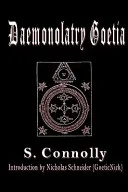
Daemonolatry Goetia
 81
81

Daemonolatry Goetia
S. Connolly's Daemonolatry Goetia offers a refreshingly direct and practical manual for those approaching the formidable corpus of the Lesser Key of Solomon from a specific theological and magical framework. Unlike many contemporary interpretations that either sensationalize or academicize the Goetia, Connolly grounds the practice in the established principles of Daemonolatry. The clear, step-by-step methodology for constructing the Circle of Art and Triangle of Manifestation is particularly commendable, demystifying processes that can appear arcane and intimidating. A notable strength is the inclusion of individual Enns and sigils for each of the 72 spirits, providing tangible keys for engagement. However, the text occasionally leans towards an assumed familiarity with Daemonolatrist dogma, which might leave newcomers to that specific path slightly adrift without supplementary reading. The section on the Four Kings, while informative, could benefit from further historical context beyond the grimoiric tradition. Despite this, Connolly provides a valuable and actionable resource for the dedicated student of Goetic magic.
📝 Description
81
S. Connolly's 2011 book details practical Goetic ritual for Daemonolatry.
This book provides a structured method for working with the 72 spirits of the Goetia, specifically within a Daemonolatry framework. It details the necessary preparations and understanding before engaging with these entities.
The text covers the construction of ritual spaces, including the Circle of Art and the Triangle of Manifestation, as well as the creation and use of spirit sigils and the Brass Vessel. Connolly outlines a step-by-step process for invocation, focusing on safety and effectiveness from a Daemonolatrist perspective. This includes correspondences, unique Enns, and sigils for each of the 72 demons, along with information on the hierarchy, such as the Four Kings.
Beyond the ritual mechanics, the book aims to cultivate a knowledgeable and respectful relationship with the Goetic spirits. It encourages personal connection through diligent study and practice, offering an alternative to sensationalized or purely academic presentations of the subject.
This work situates itself within the grimoire tradition, specifically focusing on the Goetia, a system of ceremonial magic concerned with invoking spirits. By adapting these practices for Daemonolatry, it connects a historical magical lineage to a modern polytheistic path. The book emphasizes the practical application of Goetic principles, distinguishing its approach from purely historical or theoretical studies. It aims to provide a functional framework for practitioners seeking to engage with these specific entities within their established religious or magical system.
💡 Why Read This Book?
• Learn a Daemonolatry-centric method for constructing the Circle of Art and Triangle of Manifestation, ensuring ritual safety and focus, as detailed in the early chapters. • Gain access to unique Enns and sigils for each of the 72 Goetic Spirits, facilitating a more personalized and direct form of invocation than found in generic grimoires. • Understand the roles and correspondences of the Four Kings and the 72 Goetic Spirits, moving beyond simple enumeration to a framework for respectful interaction, as explored in the later sections.
⭐ Reader Reviews
Honest opinions from readers who have explored this book.
❓ Frequently Asked Questions
What is Daemonolatry Goetia's approach to the 72 spirits?
It treats them as distinct entities within a Daemonolatry framework, focusing on respectful invocation and understanding rather than simple evocation for command. The book provides specific Enns, sigils, and correspondences for each.
Does Daemonolatry Goetia explain how to create a magic circle?
Yes, the book offers a step-by-step guide to the creation of the Circle of Art, emphasizing its role in protection and creating a sacred space for working with Goetic spirits.
What is the 'Brass Vessel' mentioned in the book?
The Brass Vessel is a ritual implement described in some Goetic traditions, often used to compel spirits. Connolly's work details its preparation and significance within the Daemonolatry context.
Is this book suitable for beginners in Goetia?
Yes, it is designed as a step-by-step guide, starting from preparation and covering essential elements like circles and triangles, making it accessible for those new to Goetic practices.
When was Daemonolatry Goetia first published?
The first edition of Daemonolatry Goetia by S. Connolly was published in February 2010, making it a relatively contemporary interpretation of older Goetic texts.
What are 'Enns' in the context of this book?
Enns are specific invocations or calls used to address and summon particular spirits. Daemonolatry Goetia provides unique Enns for each of the 72 Goetic spirits discussed.
🔮 Key Themes & Symbolism
Structured Goetic Practice
The work emphasizes a methodical, step-by-step approach to working with the 72 Goetic spirits. It prioritizes preparation, ritual space construction (Circle of Art, Triangle of Manifestation), and the proper use of tools like the Brass Vessel and sigils. This structured format aims to provide clarity and safety for practitioners, moving away from chaotic or purely theoretical engagement with these entities.
Daemonolatry Framework
Central to the book is its specific interpretation of Goetia through the lens of Daemonolatry. This perspective views the Goetic spirits not as malevolent demons to be controlled, but as distinct intelligences to be approached with respect and understanding. Connolly integrates Daemonolatrist principles into the ritual mechanics and the philosophical underpinnings of the practice.
Spiritual Correspondences and Invocation
Beyond procedural instruction, the book offers detailed correspondences, Enns (invocations), and sigils for each of the 72 Goetic spirits. This section provides practical keys for practitioners seeking to establish a connection. Special attention is given to the Four Kings, offering deeper insight into their roles within the Goetic hierarchy and their relationship to the other spirits.
Sigil Craft and Application
The creation and use of sigils are a recurring element. The book guides readers on how to craft sigils associated with specific Goetic spirits, explaining their function as visual keys or anchors for invocation. This practical aspect empowers the practitioner to create personalized tools for their magical work.
💬 Memorable Quotes
Direct passages from the work, attributed to the author.
“The creation of the circle is paramount for safety and focus.”
— This statement highlights the foundational importance of ritual boundaries in Goetic work, framing the Circle of Art as a necessary precursor to effective and secure spirit interaction.
“Each spirit has a unique vocal key, the Enn.”
— This emphasizes the specific vibrational or phonetic address required for invoking individual Goetic entities, suggesting that a personalized 'name' or chant is crucial for establishing contact.
“The Triangle of Art serves as the manifestation locus.”
— This points to the practical function of the Triangle of Art within the ritual space, identifying it as the designated area where the invoked spirit is intended to appear or manifest its presence.
“Sigils act as visual representations of a spirit's essence.”
— This explains the symbolic nature of sigils, positioning them as condensed visual symbols that encapsulate the identity and power of a specific Goetic entity.
“Preparation is the central to successful Goetic operations.”
— This underscores the necessity of thorough groundwork—both physical and mental—before engaging in spirit work, suggesting that diligent preparation is directly linked to the efficacy of the magical operation.
🌙 Esoteric Significance
Tradition
This work operates within the modern Daemonolatry tradition, a spiritual path that venerates and works with entities often labeled as 'demons' in Abrahamic religions. It draws heavily from the Western Esoteric tradition, particularly the grimoiric lineage exemplified by the *Lesser Key of Solomon*. However, it reinterprets the relationship with these entities, shifting from adversarial or purely utilitarian engagement to one of mutual respect and spiritual partnership.
Symbolism
Key symbols include the Circle of Art, representing divine protection and a consecrated space for ritual; the Triangle of Manifestation, a focal point for the spirit's appearance; and the individual sigils of the 72 Goetic spirits. These sigils function as unique keys, embodying the essence and power of each entity, facilitating recognition and connection during invocation.
Modern Relevance
Daemonolatry Goetia is relevant to contemporary practitioners of witchcraft, occultism, and specifically Daemonolatry. It provides a structured, accessible method for engaging with the Goetic pantheon that appeals to modern spiritual sensibilities seeking direct experience and personal gnosis, rather than relying solely on historical dogma.
👥 Who Should Read This Book
• Aspiring Daemonolators seeking a practical guide to working with the 72 Goetic spirits within their tradition's framework. • Students of Western Esotericism interested in comparative grimoire studies and the evolution of Goetic practice. • Occult practitioners looking for structured, step-by-step instructions on ritual preparation, including circle and triangle construction.
📜 Historical Context
Published in 2010, Daemonolatry Goetia emerged during a period of renewed interest in practical occultism and grimoire magic, particularly among online communities. This era saw a proliferation of self-published works and a re-examination of traditional texts through modern, often personalized, esoteric lenses. The Goetia itself, famously codified in the 17th-century grimoire *The Lesser Key of Solomon*, has a long and complex history, influencing figures from Elias Ashmole to Aleister Crowley. Connolly's work specifically positions itself against purely ceremonial or academically detached interpretations, offering a Daemonolatry perspective that acknowledges and respects the entities involved. This contrasts with earlier, more command-oriented approaches seen in texts like the original *Lemegeton* or later adaptations. The book contributes to a broader trend of reconstructing and practicing traditional magical systems within more contemporary theological frameworks, such as modern Satanism and Daemonolatry, which began gaining more defined structures in the late 20th century.
📔 Journal Prompts
The specific preparations for invoking a Goetic spirit, as detailed in the early chapters.
The function and construction of the Triangle of Manifestation.
The personal significance of a chosen Goetic spirit's sigil.
How the Enn for a specific spirit might alter one's perception.
The ethical considerations of working with the 72 Goetic Spirits.
🗂️ Glossary
Goetia
A branch of magic focused on the evocation or invocation of spirits, particularly the 72 demons listed in the *Ars Goetia*, the first book of the 17th-century grimoire *The Lesser Key of Solomon*.
Daemonolatry
A religious or spiritual practice centered on the veneration and worship of demons, viewed as deities or spiritual guides rather than malevolent entities.
Circle of Art
A consecrated magical circle used in ritual practice to provide protection and define a sacred space for working with spirits.
Triangle of Manifestation
A specific geometric figure, often drawn or inscribed, used as the designated area within the ritual space where an invoked spirit is expected to appear.
Brass Vessel
A ritual artifact mentioned in Goetic texts, historically used to compel spirits to appear and answer questions truthfully.
Enn
A unique invocation or chant used to call upon a specific spirit, functioning as a personal 'key' to establish contact.
Sigil
A symbol created to represent a specific magical intent or entity, used as a focus for power and invocation.