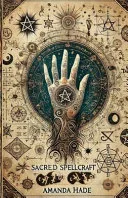
Sacred Spellcraft
 71
71

Sacred Spellcraft
Amanda Hade's *Sacred Spellcraft* offers a welcome antidote to the often-vague pronouncements found in much contemporary magical literature. The author’s insistence on the structural mechanics of spellcasting, particularly her exploration of how symbolic language functions as a form of applied metaphysics, is the book’s greatest strength. Hade’s examination of the 'hidden architecture' of spells, moving beyond mere ingredient lists or incantations, provides a much-needed analytical lens for serious practitioners. A notable limitation, however, is the book's dense prose, which at times can obscure the very clarity it seeks to impart. For instance, the chapter detailing the semiotics of ritual gestures, while theoretically sound, could benefit from more direct, actionable examples. Nevertheless, *Sacred Spellcraft* is a valuable contribution for those who approach magic with an academic or deeply analytical mindset.
📝 Description
71
Amanda Hade's 2025 book, Sacred Spellcraft, analyzes the principles behind effective spellcasting.
Sacred Spellcraft, by Amanda Hade, published in 2025, dissects the principles underlying effective spellcasting. The book moves beyond simple ritual descriptions to examine the structural elements that give magical workings power. Hade proposes magic is a system, not just actions, but applied symbolic language and directed consciousness.
This work is for practitioners of magic who want a deeper, more analytical understanding of their craft. It suits those who have finished introductory texts and seek to grasp the reasoning behind successful spell construction. Whether crafting personal spells or complex rituals, the book offers a way to improve efficacy and intention.
Hade introduces a systematic approach to spellcraft, emphasizing the deliberate construction of magical acts. Core concepts include the intentional manipulation of symbolic correspondences, the precise application of ritualistic structure, and the channeling of focused intent. The book suggests that understanding these elements allows practitioners to move from rote repetition to conscious creation, thereby amplifying the potency of their magical endeavors.
This book emerges in a contemporary esoteric scene that often favors experience over theory. While many authors focus on current occult trends, Hade's work revisits foundational principles that have guided magical practice for centuries. It draws parallels to early 20th-century occult revival movements that aimed to systematize magical knowledge, addressing a perceived gap in modern literature concerning the mechanics of spell creation.
💡 Why Read This Book?
• Gain a structured understanding of spell construction beyond mere incantations, learning how concepts like "symbolic correspondences" provide a tangible framework for magical efficacy, as explored in Chapter 3. • Develop a more potent and precise approach to your magical practice by analyzing the "hidden architecture" of rituals, enabling you to intentionally shape outcomes rather than relying on chance. • Understand the foundational principles of magic that have informed practitioners for centuries, moving beyond ephemeral trends to a more robust, analytical engagement with esoteric arts.
⭐ Reader Reviews
Honest opinions from readers who have explored this book.
❓ Frequently Asked Questions
What is the primary focus of Sacred Spellcraft?
Sacred Spellcraft focuses on the underlying structure, symbolic language, and intentional framework of spellcasting, moving beyond simple ritual steps to explain the mechanics that make magic effective.
Who is Amanda Hade?
Amanda Hade is the author of Sacred Spellcraft. The book was first published in 2025, indicating a contemporary perspective on esoteric practices.
Is Sacred Spellcraft suitable for beginners?
While beneficial for all levels, the book is particularly suited for practitioners who have moved beyond introductory concepts and seek a deeper, analytical understanding of spell construction and magical theory.
What historical influences does the book reference?
The book draws upon foundational principles of magic that have been developed over centuries, aligning with a historical search for systematization within esoteric knowledge, reminiscent of early 20th-century occult revival movements.
Does Sacred Spellcraft provide specific spells to cast?
The book's primary aim is to teach the principles of spell construction rather than providing a catalog of pre-written spells. It empowers readers to create their own effective magical workings.
What distinguishes Sacred Spellcraft from other magical texts?
Its emphasis on the 'hidden architecture' of magic, treating spellcraft as an intricate system built on structure, intent, and sacred symbolism, sets it apart from texts that focus solely on ritual execution.
🔮 Key Themes & Symbolism
The Architecture of Magic
This theme posits that magic is not arbitrary but possesses a definable structure. Hade explores how elements like ritual sequence, symbolic resonance, and focused intention form the 'hidden architecture' of effective spellcraft. Understanding this framework allows practitioners to construct spells with greater precision and predictable results, moving beyond mere adherence to tradition towards conscious creation of magical outcomes.
Symbolism as Applied Language
The book treats symbols not as passive representations but as active components within a magical working. Hade details how specific symbols, when correctly chosen and applied within a ritual context, function as a form of specialized language that communicates directly with underlying forces or consciousness. This approach emphasizes the power of precise symbolic selection and its role in shaping the energy and direction of a spell.
Intent as Directed Consciousness
Central to Hade's thesis is the concept of intent as a potent, directed force. The work elaborates on how clear, unwavering intent, amplified by symbolic and ritualistic elements, forms the driving engine of any magical act. It distinguishes between casual wishing and focused, sustained magical will, providing guidance on cultivating the mental discipline necessary for powerful spellcraft.
Ritual as Structural Framework
Rituals are presented not just as performances but as carefully constructed containers designed to hold and direct magical energy. Hade examines the specific functions of different ritual components—timing, location, gestures, words—and how their integrated application provides the necessary scaffolding for the spell's intent to manifest. This perspective encourages a meticulous approach to ritual design and execution.
💬 Memorable Quotes
Direct passages from the work, attributed to the author.
“Magic is an intricate system built upon structure, intent, and sacred symbolism.”
— This foundational statement highlights Hade's analytical approach, defining magic not as an amorphous force but as a structured discipline requiring deliberate application of specific elements for efficacy.
“Unlocking the Hidden Framework of Powerful Spells and Rituals.”
— This phrase from the blurb captures the book's core promise: to reveal the underlying mechanics and principles that govern successful spellcasting, empowering readers with knowledge of its inherent structure.
“The mechanics of spell construction.”
— This concept emphasizes Hade's focus on the 'how' and 'why' of spell creation, suggesting that magic operates according to discernible principles that can be learned, understood, and applied systematically.
“Effective magical workings.”
— This phrase underscores the practical, results-oriented nature of the book, aiming to equip readers with the knowledge and tools to achieve tangible outcomes through their magical practices.
“Beyond words, gestures, and ingredients.”
— This indicates that the book transcends a superficial understanding of magic, exploring the deeper, often unseen, elements of structure and consciousness that contribute to a spell's power.
🌙 Esoteric Significance
Tradition
While not strictly adhering to a single lineage, *Sacred Spellcraft* draws heavily from the Western Esoteric Tradition, particularly Hermeticism and ceremonial magic. It emphasizes the principle of 'As Above, So Below,' by focusing on how macrocosmic symbolic structures are mirrored and enacted within microcosm, i.e., the spellcaster and the ritual space. The work departs from purely philosophical explorations by offering a practical, mechanics-focused methodology for applying these principles.
Symbolism
The book likely explores symbols such as the pentagram, the circle, and specific geometric forms as fundamental tools for constructing magical reality. For instance, the circle is not just a boundary but a containment field for directed energy, while specific geometric ratios might be analyzed for their energetic properties and alignment with universal principles, reflecting Pythagorean and Hermetic numerological significance.
Modern Relevance
Contemporary practitioners, particularly those engaged in modern magical orders or independent study focusing on ritualcraft and energetic manipulation, find resonance with Hade's systematic approach. Thinkers and practitioners who emphasize intentionality and the psychological underpinnings of magic, such as proponents of Chaos Magic or modern ceremonialists, can integrate Hade's structural insights to refine their techniques and deepen their understanding of magical causality.
👥 Who Should Read This Book
• Beginning practitioners of magic seeking to understand the fundamental principles of spell construction beyond rote memorization of spells. • Intermediate practitioners aiming to refine their craft by analyzing the structural components of rituals and symbolic correspondences. • Advanced students of esoteric arts interested in a systematic, analytical approach to magic that bridges theory and practical application.
📜 Historical Context
Published in 2025, *Sacred Spellcraft* emerges in an era where esoteric knowledge is widely accessible, yet often lacks rigorous theoretical grounding. Amanda Hade’s work can be seen as a response to this trend, seeking to re-establish a more systematic and analytical approach to magic. This carries the efforts of early 20th-century occultists like Aleister Crowley and Dion Fortune, who, amidst the Theosophical and Spiritualist movements, strived to codify magical practices and philosophies into coherent systems. While Hade does not explicitly engage with contemporaries like Jason Miller or Gordon White, her emphasis on the structural mechanics of spellcraft implicitly critiques approaches that prioritize raw energy or esoteric lore without a clear operational framework. The book’s publication in 2025 places it within a contemporary landscape where digital dissemination of occult information is prevalent, yet the demand for foundational texts that explain the ‘why’ behind the practice remains strong.
📔 Journal Prompts
The 'hidden architecture' of a spell: how does structure influence outcome?
Symbolic correspondences: which symbols feel most potent in your current practice?
Intent as directed consciousness: reflect on a time your clear intent manifested a magical effect.
Ritual components: analyze the structural purpose of each element in a recent working.
The mechanics of spell construction: identify one principle you wish to explore further.
🗂️ Glossary
Sacred Spellcraft
The core concept of the book, referring to the art and science of constructing magical workings through the deliberate application of structure, symbolism, and focused intent.
Hidden Architecture
The underlying structural principles and mechanics that govern the efficacy of spells and rituals, often unseen but essential for powerful magical outcomes.
Symbolic Correspondences
The relationships between different elements (e.g., planets, colors, herbs) that share energetic or conceptual similarities, used to imbue magical workings with specific qualities and forces.
Applied Symbolism
The conscious and deliberate use of symbols within a ritual or spell to communicate with, influence, or direct specific energies or consciousness.
Ritual Structure
The organized sequence and arrangement of actions, words, and symbols within a ritual designed to create a focused container for magical energy and intent.
Directed Consciousness
The focused and intentional application of mental energy and awareness towards a specific goal, a key component in effective spellcraft.
Mechanics of Spell Construction
The operational principles and systematic processes involved in designing and executing a magical spell, emphasizing understanding over mere performance.