Concord in discourse

 61
61

Concord in discourse

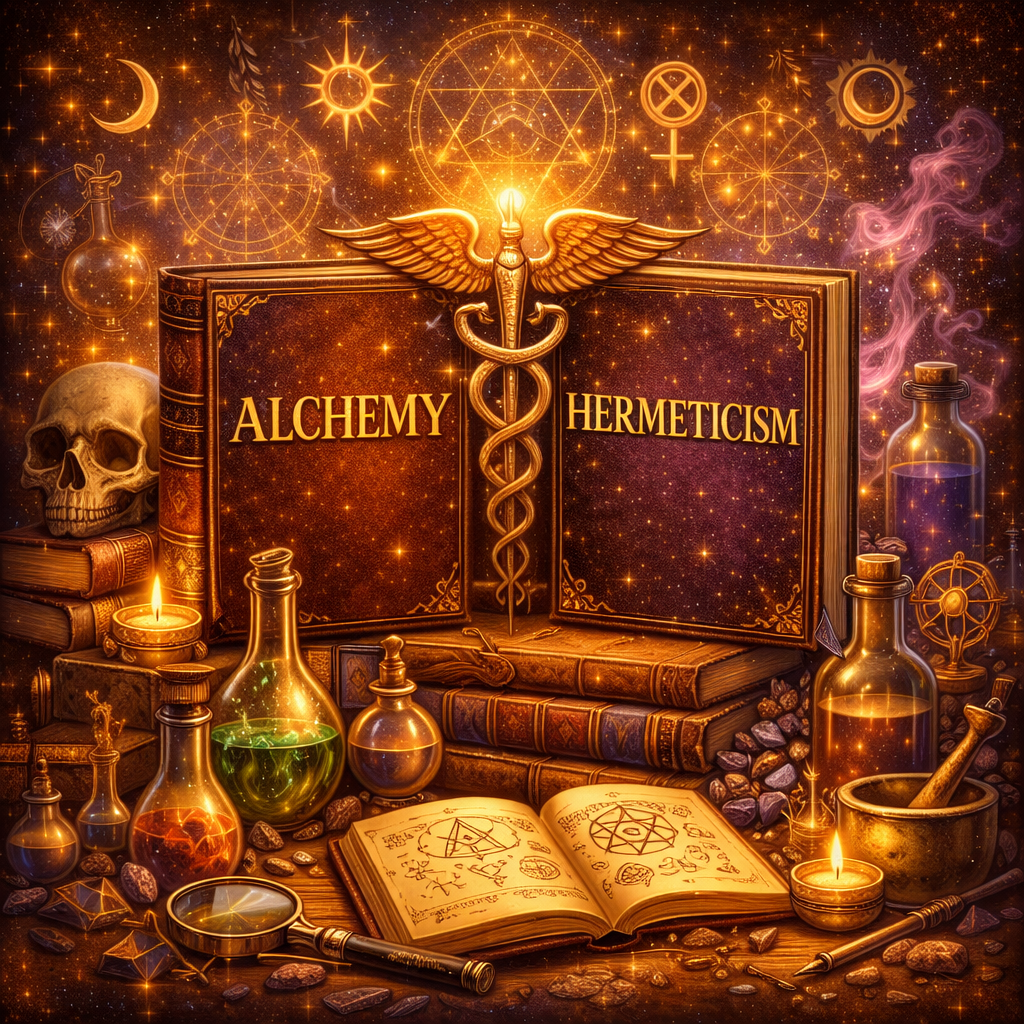

Review by Lorelei Sage (Contemplative Literature Editor) — Stephen Gersh's 'Concord in Discourse' is a beacon of esoteric insight, illuminating the profound connections between language and philosophy. Gersh's meticulous research and elegant prose make this book a must-read for anyone interested in the mystical dimensions of discourse. The book's strength lies in its ability to bridge ancient wisdom with modern understanding, making it accessible to both scholars and spiritual seekers. Gersh's exploration of neoplatonism and medieval philosophy provides a rich tapestry of symbols and philosophical significance, offering readers a deeper understanding of the hidden knowledge embedded in language.
📝 Description
61
Stephen Gersh's 'Concord in Discourse' examines the philosophical connections between language and spiritual truth.
Published in 2007, Stephen Gersh's 'Concord in Discourse' investigates the philosophical and symbolic dimensions of language. The book connects the spoken and written word to deeper truths, suggesting that understanding discourse can unlock profound insights. Gersh draws upon classical philosophy and esoteric traditions to illuminate how communication structures reality and consciousness.
The author's prose aims for clarity, guiding readers through complex ideas about semantics, metaphysics, and spiritual development. It is intended for those interested in ancient philosophy, neoplatonism, and the study of hidden knowledge. The work seeks to reveal the symbolic weight of language, positing a link between linguistic understanding, spiritual awakening, and intellectual satisfaction.
This work sits within the esoteric philosophical tradition that views language not merely as a tool for communication but as a fundamental force shaping reality and consciousness. It echoes Neoplatonic ideas, particularly those found in Plotinus, which posit a hierarchical structure of being accessible through contemplation and intellectual ascent. The book engages with the concept of a divine logos or underlying order that is reflected in human language, suggesting that a deeper understanding of linguistic structures can lead to a more direct apprehension of spiritual realities.
💡 Why Read This Book?
Read 'Concord in Discourse' to explore the mystical dimensions of language and philosophy. Ideal for seekers of hidden knowledge, scholars of ancient and medieval philosophy, and practitioners of neoplatonism, this book offers a profound journey into the esoteric significance of discourse. Discover the symbolic and philosophical depths of communication and enhance your understanding of the mystical underpinnings of language.
⭐ Reader Reviews
Honest opinions from readers who have explored this book.
❓ Frequently Asked Questions
What is the main focus of 'Concord in Discourse'?
The main focus is the esoteric significance of language and discourse, exploring how ancient and medieval philosophies reveal hidden knowledge through communication.
Who should read this book?
Scholars of ancient and medieval philosophy, neoplatonists, spiritual seekers, and those interested in the mystical dimensions of language.
What makes this book unique?
Gersh's ability to bridge ancient wisdom with modern understanding, making complex esoteric concepts accessible and relevant to contemporary readers.
Are there practical applications of the insights in this book?
Yes, practitioners of neoplatonism and those seeking spiritual enlightenment can apply the symbolic and philosophical insights to deepen their understanding of language and communication.
Is this book suitable for beginners?
While beginners can benefit from the introductory chapters, a basic understanding of ancient and medieval philosophy will enhance the reading experience.
🔮 Key Themes & Symbolism
The Mystical Language of Harmony
Gersh studies the esoteric significance of language, revealing how ancient philosophers used discourse to uncover hidden truths and achieve spiritual harmony. This theme explores the symbolic and philosophical depths of communication, offering readers a pathway to deeper understanding and enlightenment.
Neoplatonism and Medieval Philosophy
The book provides a comprehensive exploration of neoplatonism and medieval philosophy, highlighting their contributions to the mystical dimensions of discourse. Gersh's insights into these ancient traditions reveal the enduring relevance of their teachings in contemporary spiritual and intellectual pursuits.
Symbolism in Discourse
Gersh's work is rich with symbolic interpretations of language and communication. This theme examines the key symbols and their meanings, providing readers with a deeper appreciation of the esoteric significance embedded in everyday discourse.
💬 Memorable Quotes
Direct passages from the work, attributed to the author.
“The ancient philosophers knew that words hold the keys to spiritual enlightenment.”
— This insight emphasizes the mystical significance of language in ancient philosophies.
💡 Key Ideas
Editorial paraphrase of the work's core concepts — not direct quotes.
Language is the alchemy of the mind, transforming thoughts into golden truths.
This quote underscores the transformative power of language in revealing hidden knowledge.
In harmony lies the essence of all discourse, where words and meanings merge.
This line highlights the importance of harmony in achieving a deeper understanding of communication.
Neoplatonism teaches us that discourse is a journey into the soul.
This quote reflects the esoteric dimension of discourse as a path to spiritual and intellectual fulfillment.
Medieval philosophers saw language as a bridge between the divine and the human.
This line underscores the symbolic and philosophical significance of language in medieval thought.
🌙 Esoteric Significance
Tradition
This book belongs to the Hermetic tradition, which emphasizes the transformative power of language and the pursuit of hidden knowledge. Gersh's exploration of neoplatonism and medieval philosophy aligns with the Hermetic quest for spiritual enlightenment and intellectual fulfillment.
Symbolism
Key symbols include the alchemical process of transformation, the harmony of discourse, and the bridge between the divine and the human. These symbols represent the esoteric dimensions of language and communication, offering readers a deeper understanding of their mystical significance.
Modern Relevance
Today, practitioners of neoplatonism and spiritual seekers continue to draw on Gersh's insights to deepen their understanding of language and communication. The book's exploration of esoteric themes remains relevant in contemporary spiritual and intellectual pursuits.
👥 Who Should Read This Book
Beginners interested in the mystical dimensions of language will find the introductory chapters accessible and enlightening. Scholars of ancient and medieval philosophy will appreciate Gersh's meticulous research and scholarly insights. Spiritual seekers will benefit from the book's exploration of neoplatonism and its relevance to modern spiritual practices. Practitioners of Hermetic traditions will find valuable insights into the symbolic and philosophical significance of discourse.
📜 Historical Context
Written during a time of intellectual and spiritual renaissance, 'Concord in Discourse' reflects the era's fascination with ancient wisdom and esoteric knowledge. Gersh's work was important for its ability to bridge the gap between ancient philosophies and modern understanding, making complex ideas accessible to contemporary readers. The book's influence can be seen in the ongoing interest in neoplatonism, medieval philosophy, and the mystical dimensions of language.
📔 Journal Prompts
Reflect on a time when you experienced the transformative power of language. How did it reveal hidden truths?
Consider the role of harmony in your daily communications. How can you achieve deeper understanding through harmony?
Explore the symbols of ancient philosophies in your own life. How do they relate to your spiritual and intellectual pursuits?
Write about a neoplatonic concept that appeals to you. How does it apply to your understanding of language and communication?
Reflect on the bridge between the divine and the human in your spiritual practices. How does language facilitate this connection?
🗂️ Glossary
Neoplatonism
A philosophical tradition that emphasizes the mystical and spiritual dimensions of Plato's teachings, focusing on the pursuit of spiritual enlightenment through intellectual inquiry.
Hermeticism
An esoteric tradition that seeks to uncover hidden knowledge and transformative truths through the study of language, symbols, and ancient philosophies.
Discourse Analysis
The study of language use in social contexts, exploring the symbolic and philosophical significance of communication.
Alchemy
An ancient practice that seeks to transform base materials into gold, symbolizing the pursuit of spiritual and intellectual enlightenment.
Medieval Philosophy
The philosophical traditions of the Middle Ages, which often blended Christian theology with ancient Greek and Roman thought.
This book appears in 3 collections
🔮 Readers Also Liked
Browse all →








More by Stephen Gersh
All books →


From the “Neoplatonism” Collection
View all →






More Free Alchemy & Hermeticism Books
View all →