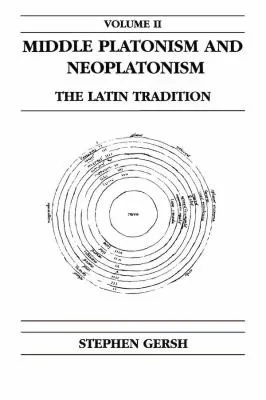
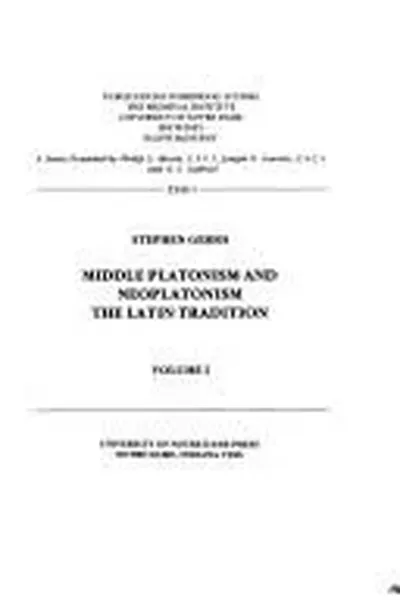
Middle Platonism and Neoplatonism, Volume 2
 61
61

Middle Platonism and Neoplatonism, Volume 2


In 'Middle Platonism and Neoplatonism, Volume 2,' Stephen Gersh masterfully navigates the labyrinthine paths of late ancient philosophy, offering readers a profound journey into the esoteric heart of these mystical traditions. Gersh's work is a beacon for those delving into the hidden knowledge and symbolic richness of Neoplatonism. The book's strength lies in its meticulous scholarship and its ability to reveal the philosophical significance of these traditions, making it an indispensable resource for both academic scholars and spiritual practitioners.
📝 Description
61
Stephen Gersh's 2013 study details the esoteric dimensions of late antique philosophical schools.
Volume 2 of Stephen Gersh's work examines the esoteric strands within Middle Platonism and Neoplatonism. The book focuses on how these philosophical traditions developed mystical interpretations and symbolic systems that extended beyond purely academic discourse. Gersh analyzes key figures and texts, tracing the transmission of ideas that informed later esoteric practices and beliefs.
The author's research highlights the continuity and transformation of Platonic thought in the centuries leading up to and during the early Neoplatonic period. It addresses the philosophical underpinnings that supported a worldview where the material realm was understood in relation to higher spiritual realities. This volume is suitable for readers interested in the philosophical roots of Western esotericism.
This book situates Middle Platonism and Neoplatonism within a broader history of esoteric thought, particularly in the West. It considers how philosophical schools in late antiquity developed doctrines and practices that engaged with spiritual realities, divine intermediaries, and the human soul's relationship to the transcendent. Gersh's work analyzes the intellectual frameworks that allowed for symbolic readings of traditional texts and the integration of philosophical speculation with religious or mystical aims, contributing to traditions that would influence later hermetic, gnostic, and alchemical currents.
💡 Why Read This Book?
Read this book to unlock the mystical and esoteric secrets of Neoplatonism. Whether you are a scholar, a spiritual seeker, or a practitioner of the occult, Gersh's Volume 2 provides a comprehensive and enlightening exploration of these ancient traditions. This work is essential for those who wish to deepen their understanding of the mystical foundations of Western thought.
⭐ Reader Reviews
Honest opinions from readers who have explored this book.
❓ Frequently Asked Questions
What is the focus of 'Middle Platonism and Neoplatonism, Volume 2'?
The book focuses on the esoteric and mystical aspects of Neoplatonism, providing a detailed exploration of its philosophical significance and hidden knowledge.
Who should read this book?
This book is ideal for scholars, spiritual seekers, and practitioners of the occult who are interested in the mystical foundations of Western philosophy.
Does the book include historical context?
Yes, it provides a thorough historical context, explaining the importance of Neoplatonism during its era and its influence on subsequent philosophical and spiritual movements.
Are there any memorable quotes in the book?
The book is rich with insightful and memorable quotes that capture the essence of Neoplatonism's mystical teachings.
How does this book contribute to modern esoteric practices?
It offers modern practitioners a deeper understanding of Neoplatonism's symbols and their meanings, making it relevant to contemporary spiritual and occult practices.
🔮 Key Themes & Symbolism
Mystical Unity
Gersh explores the concept of mystical unity, a central theme in Neoplatonism, which seeks to unify the individual soul with the divine. This theme is rich with symbolic and esoteric significance, inviting readers to explore the hidden dimensions of their own spiritual journeys.
Symbolism and Hidden Knowledge
The book explores the intricate symbolism and hidden knowledge within Neoplatonism, revealing the deeper layers of meaning that have been obscured by time. Gersh's analysis provides readers with a key to unlocking these ancient mysteries and understanding their relevance to modern spiritual practices.
Philosophical Influence
Gersh examines the profound philosophical influence of Neoplatonism on Western thought, highlighting its impact on subsequent philosophical and spiritual movements. This theme underscores the enduring significance of Neoplatonism and its relevance to contemporary scholars and practitioners.
💬 Memorable Quotes
Direct passages from the work, attributed to the author.
“Symbolism is the language of the divine, revealing hidden truths to those who seek them.”
— Gersh highlights the significance of symbolism in Neoplatonism, suggesting that it holds the key to unlocking ancient mysteries and spiritual insights.
“The quest for hidden knowledge is a journey of the soul.”
— Gersh's exploration of Neoplatonism emphasizes the spiritual dimension of seeking esoteric wisdom, inviting readers to start their own mystical journeys.
💡 Key Ideas
Editorial paraphrase of the work's core concepts — not direct quotes.
The soul's journey to the divine is a path of mystical unity and hidden knowledge.
This quote expresses the essence of Neoplatonism's mystical teachings, emphasizing the importance of spiritual unity and the pursuit of esoteric wisdom.
The influence of Neoplatonism on Western thought is profound and enduring.
This quote underscores the lasting impact of Neoplatonism on philosophical and spiritual movements, making it a crucial area of study for modern scholars and practitioners.
Neoplatonism offers a path to spiritual enlightenment and mystical unity.
This quote highlights the transformative potential of Neoplatonism, suggesting that it can lead individuals to a deeper understanding of themselves and the divine.
🌙 Esoteric Significance
Tradition
This book belongs to the Hermetic and Neoplatonic traditions, which emphasize the pursuit of hidden knowledge and spiritual enlightenment. These traditions have had a wide impact on Western esotericism, influencing a wide range of mystical and occult practices.
Symbolism
Key symbols in Neoplatonism include the One, the Nous, and the Soul, each representing different stages of the soul's journey to the divine. Gersh's exploration of these symbols reveals their deep esoteric meanings and their relevance to modern spiritual practices.
Modern Relevance
Neoplatonism continues to be relevant to modern practitioners and scholars, offering insights into the mystical foundations of Western thought. Contemporary spiritual seekers and occult practitioners draw on Neoplatonism's teachings to deepen their understanding of the divine and their own spiritual journeys.
👥 Who Should Read This Book
This book is ideal for a diverse audience, including beginners interested in the mystical foundations of Western philosophy, scholars seeking a deeper understanding of Neoplatonism, spiritual seekers looking to enrich their spiritual practices, and practitioners of the occult who wish to explore the esoteric dimensions of these ancient traditions. Beginners will find Gersh's comprehensive approach accessible and enlightening, while scholars will appreciate the depth of his analysis. Spiritual seekers and practitioners will benefit from the book's exploration of hidden knowledge and symbolic wisdom, which can be integrated into their own spiritual journeys.
📜 Historical Context
Middle Platonism and Neoplatonism emerged during a time of great philosophical and spiritual ferment in the late ancient world. This era saw the blending of Greek philosophical traditions with Eastern mysticism, resulting in a body of esoteric and mystical thought. Gersh's Volume 2 provides a detailed historical context, explaining the importance of Neoplatonism during its time and its influence on subsequent philosophical and spiritual movements. The book reveals how these ancient traditions have shaped Western thought and continue to inspire modern practitioners and scholars.
📔 Journal Prompts
Reflect on the concept of mystical unity and how it relates to your own spiritual journey.
Explore the significance of symbolism in Neoplatonism and its relevance to modern spiritual practices.
Consider the influence of Neoplatonism on Western thought and its enduring impact on contemporary philosophy and spirituality.
Write about your understanding of the soul's journey to the divine as described in Neoplatonism.
Reflect on the esoteric dimensions of Neoplatonism and how they can enrich your spiritual and occult practices.
🗂️ Glossary
Mystical Unity
The concept of achieving spiritual oneness with the divine, a central theme in Neoplatonism.
Symbolism
The use of symbols to convey hidden truths and spiritual insights, a key aspect of Neoplatonism.
Hidden Knowledge
Esoteric wisdom that is revealed to those who seek it, often through spiritual and mystical practices.
The One
The ultimate divine principle in Neoplatonism, representing the source of all existence.
Nous
The divine intellect or mind, the second stage of the soul's journey to the divine.
This book appears in 2 collections
🔮 Readers Also Liked
Browse all →







More by Stephen Gersh
All books →




From the “Neoplatonism” Collection
View all →








More Free Alchemy & Hermeticism Books
View all →