Composing magic
 71
71

Composing magic
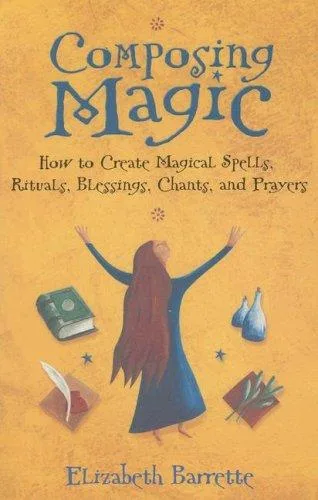
Elizabeth Barrette’s "Composing Magic" approaches the arcane arts with an almost alchemical precision, treating spellcraft as a discipline requiring deliberate construction rather than mere happenstance. The book’s strength lies in its systematic breakdown of magical operations, offering a framework for practitioners who wish to move beyond rote memorization of existing spells and rituals. Barrette’s insistence on analyzing the components of magic—symbols, energies, intentions—provides a refreshing analytical lens. The section on "Energetic Architecture" is particularly illuminating, offering a concrete method for visualizing and constructing the energetic framework of a spell. A limitation, however, is that the highly structured approach might feel somewhat arid to those who primarily engage with magic through ecstatic or intuitive means. The work's focus on composition, while its greatest asset, can also feel like a constraint, potentially overshadowing the spontaneous or numinous aspects of the magical experience. Ultimately, "Composing Magic" serves as an invaluable manual for the methodical magician, offering practical tools for deliberate magical creation.
📝 Description
71
### What It Is "Composing Magic" by Elizabeth Barrette, first published in 2007, offers a structured approach to magical practice, moving beyond intuitive or purely ceremonial methods. It presents magic as a skill to be learned and refined through deliberate composition, akin to composing music or writing code. The work emphasizes the intentional arrangement of elements, energies, and intentions to achieve specific outcomes. It details a system for creating effective spells, rituals, and magical workings, focusing on the underlying principles of energetic interaction and symbolic resonance.
### Who It's For This book is for practitioners who seek a more systematic and analytical framework for their magical work. It appeals to those who find existing magical paradigms too vague or who desire a method to construct their own unique magical systems. Individuals interested in the psychology of magic, the semiotics of ritual, and the practical application of esoteric theory will find its methodical approach valuable. It is particularly suited for those who have some foundational experience in magical practice and are looking to deepen their understanding and efficacy.
### Historical Context Published in 2007, "Composing Magic" emerged during a period of significant online discourse and diversification within modern Pagan and esoteric communities. Following the widespread accessibility of information facilitated by the internet, many practitioners began questioning established magical traditions and seeking personal frameworks. Barrette’s work can be seen in dialogue with the broader trend of individual magical research and system-building prevalent in the early 21st century, offering a methodological counterpoint to more instinctual or inherited magical approaches. It reflects a growing desire for a 'how-to' of magical construction.
### Key Concepts The core of "Composing Magic" revolves around the concept of "composition" as applied to magical acts. This involves breaking down magical operations into constituent parts, much like a composer arranges notes or a programmer writes algorithms. Key concepts include the deliberate selection and combination of symbols, energies, and intentions; the structuring of magical space and time; and the precise articulation of desired outcomes. The work explores how the arrangement and interaction of these components determine the effectiveness and nature of the magical effect, advocating for a conscious, deliberate creation process.
💡 Why Read This Book?
• Learn to deconstruct and reconstruct magical operations by understanding the "Energetic Architecture" Barrette outlines, allowing for bespoke spell creation rather than relying on pre-written rituals. • Gain practical methods for selecting and combining specific symbolic elements, moving beyond generic correspondences to a more personalized and effective symbolic language. • Develop a more analytical and intentional approach to magic, enhancing your ability to troubleshoot failed workings and refine your personal magical system based on defined principles.
⭐ Reader Reviews
Honest opinions from readers who have explored this book.
❓ Frequently Asked Questions
What is the core philosophy behind 'Composing Magic'?
The core philosophy is that magic is a skill that can be learned and refined through deliberate composition. It treats magical workings like constructed artifacts, emphasizing the intentional arrangement of elements, energies, and intentions for predictable outcomes.
Is 'Composing Magic' suitable for absolute beginners?
While it provides a framework, the book benefits from some prior exposure to magical concepts. Beginners might find the analytical approach challenging without foundational knowledge, but its systematic nature can offer a clear starting point for the dedicated.
What distinguishes Barrette's approach from traditional spellcasting?
Barrette's method emphasizes the conscious construction of magic, akin to composing music or writing code. It breaks down workings into components (symbols, energies, intent) and focuses on their deliberate arrangement, rather than solely relying on inherited formulas or intuitive flows.
Does the book provide specific spells or rituals?
It provides a methodology for creating spells and rituals rather than a catalog of pre-made ones. The focus is on teaching the reader *how* to compose their own effective magical operations.
What is 'Energetic Architecture' as discussed in the book?
'Energetic Architecture' refers to the structured visualization and construction of the energetic framework of a magical working. It involves deliberately shaping and directing energies as one would build a physical structure.
When was 'Composing Magic' first published?
The book 'Composing Magic' was first published in 2007, reflecting a period of increased focus on systematization within modern esoteric practices.
🔮 Key Themes & Symbolism
Intentional Composition
The central theme is treating magic as a compositional art. Barrette argues that effective magic arises from the deliberate arrangement of symbolic elements, energies, and focused intent, much like a composer crafts a symphony. This approach moves away from passive reception of magical forces towards active, conscious creation of magical effects. The book details how understanding these components and their interactions is crucial for crafting potent workings.
Energetic Architecture
This concept refers to the structured visualization and building of a magical working's energetic framework. Barrette provides methods for designing and constructing the energetic 'space' and 'form' of a spell or ritual. It involves understanding how different energies can be channeled, contained, and directed through symbolic means to achieve specific goals, treating the magical construct with the same care as a builder would a physical edifice.
Systematization of Practice
A core tenet is the systematization of magical practice. Barrette advocates for moving beyond intuition or tradition alone, encouraging practitioners to develop analytical frameworks for their work. This involves breaking down magical operations into logical steps and components, allowing for greater control, consistency, and the ability to troubleshoot and refine techniques effectively.
Symbolic Language in Magic
The book looks at the power and function of symbols within magical composition. It emphasizes the importance of selecting symbols that have resonance and specific meaning for the practitioner and the intended outcome. Understanding how symbols act as focal points and conduits for energy is presented as fundamental to composing effective magic, treating symbols not just as representations but as active components.
💬 Memorable Quotes
Direct passages from the work, attributed to the author.
“The structure of a working dictates its outcome.”
— This interpretation highlights Barrette's emphasis on the form and organization of magical acts. The precise arrangement of symbols, energies, and intent is presented as directly influencing the success and nature of the resulting magical effect.
“Consider the energetic architecture before the first stone is laid.”
— This interpretation emphasizes the importance of planning and designing the energetic framework of a magical operation before execution, analogous to an architect planning a building's structure.
💡 Key Ideas
Editorial paraphrase of the work's core concepts — not direct quotes.
Magic is the art of intentional composition.
This paraphrased concept expresses the book's foundational premise: that magical effectiveness stems from deliberate construction and arrangement, rather than passive or purely intuitive engagement with unseen forces.
Symbols are the building blocks of magical intent.
This paraphrased concept underscores the functional role of symbols in Barrette's system. They are not merely decorative but are fundamental components used to shape, direct, and manifest magical intent within a structured working.
Analyze the components to understand the whole.
This paraphrased concept reflects the book's analytical approach. By dissecting magical operations into their constituent parts, practitioners can gain a deeper understanding of how they function and how to improve them.
🌙 Esoteric Significance
Tradition
While not strictly adhering to a single historical lineage like Hermeticism or Kabbalah, "Composing Magic" draws upon principles common in Western Esotericism, particularly those emphasizing will, symbolism, and the manipulation of subtle energies. It reflects the systematic approach found in some ceremonial magic traditions and the practical, results-oriented focus of modern witchcraft, while offering a unique framework for personal system-building.
Symbolism
Key symbols in the book function as foundational elements for constructing magical operations. For instance, geometric shapes often serve as structural components in "Energetic Architecture," representing stability, containment, or direction. Abstract concepts like 'intent' and 'energy' are treated as symbolic forces to be consciously shaped and combined, akin to how alchemists used symbolic representations for physical and spiritual transformation.
Modern Relevance
The work's emphasis on analytical rigor and deliberate construction resonates strongly with contemporary practitioners seeking structured methods. Thinkers and groups focused on practical magic, system-building (like Chaos Magic adherents, though Barrette’s approach is more structured), and the psychology of magic often reference its principles for developing personalized and effective practices.
👥 Who Should Read This Book
• Aspiring magicians seeking a structured methodology for spellcraft and ritual design, moving beyond inherited traditions. • Experienced practitioners interested in analyzing and refining their magical techniques through a systematic, compositional lens. • Students of comparative religion and esoteric studies looking to understand modern approaches to magical theory and practice.
📜 Historical Context
Elizabeth Barrette's "Composing Magic," published in 2007, arrived during a burgeoning era of online esoteric discourse. The early 21st century saw a proliferation of independent magical practitioners and writers exploring diverse, often personalized, systems of practice. This period followed the foundational works of figures like Dion Fortune and Aleister Crowley but was increasingly characterized by a democratized approach to magic, facilitated by the internet. Barrette’s work can be seen as contributing to the trend of systematization and analytical rigor within modern witchcraft and ceremonial magic, offering a methodological counterpoint to more spiritually-focused or tradition-bound approaches. It engaged implicitly with the wider intellectual currents of self-directed spiritual development and the application of structured thinking to metaphysical subjects, distinguishing itself from more purely intuitive or ritualistic methods prevalent at the time.
📔 Journal Prompts
Analyze the "Energetic Architecture" of a past magical working: what were its foundational elements?
Compose a simple intent statement, then identify three core symbols to embody it.
Reflect on the difference between spontaneous magical expression and deliberate composition.
How can the principles of "Composing Magic" be applied to non-magical problem-solving?
Consider a personal symbol: what energies does it represent, and how could it be integrated into a working?
🗂️ Glossary
Composition
In the context of this book, the deliberate arrangement and combination of elements—symbols, energies, intent—to create a specific magical effect or working.
Energetic Architecture
The structured design and visualization of the energetic framework of a magical operation, akin to building a structure with focused intent and directed energies.
Symbolic Resonance
The inherent meaningful connection or vibrational quality that a symbol holds for an individual or within a specific magical context, influencing its effectiveness.
Intent Articulation
The precise and clear formulation of the desired outcome or purpose of a magical working, crucial for directing energy effectively.
Constituent Elements
The individual components (e.g., symbols, energies, actions, words) that are intentionally brought together to form a complete magical working.
Working
A general term for any specific act of magic, spell, ritual, or enchantment undertaken by a practitioner.
Systematization
The process of organizing magical practices into a coherent, logical framework with defined principles and methods for creation and analysis.
🔮 Readers Also Liked
Browse all →







More by Elizabeth Barrette
All books →
More Free Magic & Ritual Books
View all →