Ancient Egypt
 62
62

Ancient Egypt


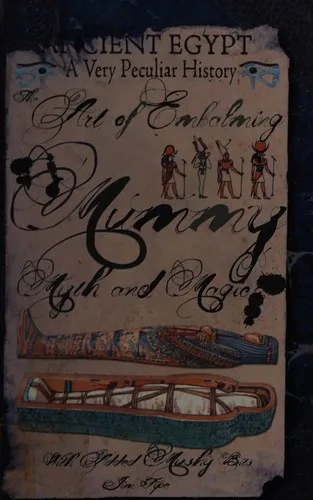
Jim Pipe's "Ancient Egypt" transcends mere historical chronicle, offering an incisive exploration into the arcane practices and profound spiritual philosophies that shaped one of history's most enigmatic civilizations. As Senior Critic for Occult Philosophy, I find Pipe's treatment of embalming and funerary rites particularly illuminating, revealing them not as morbid curiosities but as sophisticated magical operations designed to facilitate the soul's transition and ensure cosmic continuity. The author masterfully deciphers the complex symbolism embedded within these practices, providing invaluable insights for students of esoteric traditions. This work is an essential read for anyone seeking to understand the deeper currents of ancient Egyptian spirituality and its lasting influence on Western esotericism. Highly recommended for seekers and practitioners alike.
📝 Description
62
Jim Pipe's 2011 book examines the mystical beliefs underpinning ancient Egyptian civilization.
This book looks at the mystical and esoteric beliefs of ancient Egypt. It goes beyond the surface of tombs and pyramids to find a system of hidden knowledge. Every ritual, symbol, and practice served a spiritual purpose, connecting the earthly to the divine. The text explains how hieroglyphs and embalming were part of preparing for the soul's passage through the afterlife, the Duat.
Pipe focuses on the symbolism within burial customs. He shows how Egyptians aimed to protect the spirit, not just the body. This preservation was for rebirth and to maintain cosmic order. The book is more than a historical account; it invites readers to understand the ancient Egyptian mindset. It seeks to clarify their view of the cosmos and their pursuit of immortality.
For those interested in magic, life, and the afterlife, this volume opens a view into a world where these elements were connected. It reflects humanity's long interest in existence's mysteries and what comes after.
This work situates ancient Egyptian beliefs within a broader esoteric tradition that sees religion and magic as intertwined systems of understanding reality. It focuses on the idea that the physical world is a reflection of spiritual principles, and that through correct ritual and symbolic understanding, individuals can influence cosmic forces and achieve spiritual transformation or immortality. The book highlights how these ancient practices aimed to reconcile the material and spiritual planes, a common theme in esoteric thought.
💡 Why Read This Book?
Unearth the hidden spiritual architecture of Ancient Egypt. This book reveals the profound mystical intent behind embalming, mummification, and funerary ceremonies, unveiling a sophisticated system of magic and cosmic understanding. It is essential reading for seekers of ancient wisdom, students of esoteric traditions, and anyone fascinated by the enduring human quest for immortality and spiritual transcendence.
⭐ Reader Reviews
Honest opinions from readers who have explored this book.
❓ Frequently Asked Questions
What is the core esoteric theme of Ancient Egyptian burial practices?
The core esoteric theme is the meticulous preparation of the deceased for a successful transition to the afterlife, viewed as a continuation of existence and a journey towards divine union and cosmic balance, achieved through ritual and symbolic safeguarding of the soul's essence.
How did embalming serve a spiritual purpose?
Embalming was far more than preservation; it was a sacred magical operation designed to maintain the integrity of the physical vessel, believed to be essential for the soul's recognition and continuation in the afterlife, thereby facilitating the deceased's resurrection and eternal life.
What is the significance of Egyptian mummification for modern esoteric study?
Egyptian mummification offers profound insights into ancient concepts of consciousness, soul transference, and the energetic body, providing a tangible framework for understanding ritualistic immortality and the enduring human desire to transcend physical limitations, relevant to modern occult practices.
Are the rituals described in the book easily replicable?
While the book provides deep understanding, the complex, culturally specific rituals are not intended for direct replication. The focus is on understanding the underlying esoteric principles and philosophical intentions behind these ancient practices, rather than practical application.
Who is the ideal reader for this exploration of Ancient Egypt?
The ideal reader is a curious individual drawn to the mysteries of the ancient world, a student of comparative religion and esotericism, a spiritual seeker interested in the nature of life and death, or a practitioner looking to deepen their understanding of foundational mystical traditions.
🔮 Key Themes & Symbolism
The Sacred Art of Embalming
This section examines the profound spiritual and magical dimensions of Egyptian embalming. It explores the meticulous processes not merely as a means of preservation, but as a sacred rite designed to prepare the body as a vessel for the soul's continued existence. The intricate rituals, the selection of sacred oils and unguents, and the precise anatomical knowledge were all part of a grand cosmic design aimed at ensuring the deceased's successful passage and rebirth into the eternal realm, reflecting a deep understanding of the interplay between the physical and spiritual planes.
Symbolism of the Afterlife Journey
Unravel the rich symbolic language embedded within Egyptian funerary practices and beliefs about the afterlife. This theme examines how tombs, sarcophagi, funerary texts, and accompanying grave goods were not mere possessions but potent tools and guides for the soul's perilous journey through the Duat. Each symbol, from the weighing of the heart to the iconography of deities, represented crucial stages and challenges, illustrating a sophisticated cosmology and a profound philosophical exploration of judgment, transformation, and the ultimate attainment of eternal life.
Rituals of Cosmic Continuity
This theme illuminates the role of Egyptian rituals in maintaining cosmic order and ensuring the continuity of life and creation. Focus is placed on how funeral rites and ceremonies were designed to reintegrate the deceased into the cosmic cycle, appeasing the gods and preventing chaos. The elaborate ceremonies were believed to possess potent magical efficacy, bridging the gap between the mortal and divine realms, and reinforcing the Egyptian understanding of a universe governed by divine law and cyclical renewal.
💬 Memorable Quotes
Direct passages from the work, attributed to the author.
“Ritual is the bridge between worlds.”
— This statement underscores the magical and spiritual function of Egyptian ceremonies, positioning them as vital conduits for communication and interaction between the mortal realm and the divine or afterlife.
“The journey through the Duat is a sacred test.”
— This emphasizes the perilous yet purposeful nature of the afterlife, framing it as a series of trials and transformations that the soul must successfully navigate to achieve eternal peace.
“To know the gods is to understand eternity.”
— This suggests a direct correlation between comprehending the divine pantheon and achieving an understanding of the eternal nature of existence and the cosmos.
💡 Key Ideas
Editorial paraphrase of the work's core concepts — not direct quotes.
Death is not an end, but a transition.
This quote captures the core Egyptian belief in an eternal afterlife, viewing mortality as a temporary phase before a spiritual rebirth and continuation of existence.
The body is a vessel for the eternal soul.
Highlighting the importance of physical preservation in Egyptian esotericism, this quote emphasizes the belief that the physical form was crucial for the soul's recognition and continued presence in the afterlife.
🌙 Esoteric Significance
Tradition
Ancient Egyptian spirituality forms a foundational pillar of many Western esoteric traditions, including Hermeticism, Rosicrucianism, and Freemasonry. Its emphasis on divine kingship, cosmic order (Ma'at), intricate symbolism, and the journey of the soul after death provided a rich lexicon and conceptual framework for later mystical philosophies seeking to understand the nature of reality, consciousness, and the path to spiritual enlightenment.
Symbolism
The symbolism of Ancient Egypt is vast and deeply layered, with key elements including the Ankh (life), the Eye of Horus (protection and healing), the Scarab beetle (rebirth and transformation), and the pyramid (ascent and cosmic connection). These symbols were not merely decorative but served as potent conduits of spiritual energy and conceptual keys to understanding the universe and the human soul's place within it.
Modern Relevance
The enduring fascination with Ancient Egypt's mystical practices speaks to humanity's perennial search for meaning, immortality, and connection to the divine. Its sophisticated understanding of life cycles, death, and the soul's journey continues to resonate, offering timeless wisdom for contemporary spiritual seekers, psychologists exploring consciousness, and practitioners of various esoteric disciplines seeking to integrate ancient principles into modern understanding.
👥 Who Should Read This Book
This volume is a treasure for the curious mind, the earnest seeker of ancient wisdom, and the dedicated student of esoteric lore. Beginners will find a clear, yet profound, introduction to the spiritual underpinnings of a magnificent civilization. Scholars will appreciate the meticulous research and insightful analysis. Practitioners of mystical arts will discover a rich source of symbolism, ritualistic understanding, and philosophical depth that can inform their personal paths. Anyone yearning to comprehend the ancient human drive for immortality and spiritual transcendence will find profound resonance within these pages.
📜 Historical Context
Ancient Egypt flourished for over three millennia, leaving an indelible mark on human history and spiritual thought. Emerging around 3100 BCE, its civilization was deeply intertwined with the Nile River, shaping its agriculture, economy, and worldview. The Old Kingdom saw the construction of the iconic pyramids, testaments to their advanced engineering and profound beliefs about the afterlife. The Middle and New Kingdoms witnessed further development in art, literature, and religious practices, including the elaborate mortuary cults and the rise of powerful pharaohs. This era was characterized by a rich pantheon of gods and goddesses, complex cosmological myths, and a sophisticated understanding of astronomy and mathematics, all contributing to a civilization that sought not just earthly power but eternal spiritual continuity, profoundly influencing subsequent cultures and esoteric traditions.
📔 Journal Prompts
Reflect on the concept of 'Ma'at' – cosmic balance and truth. How does this principle manifest in your own life and the world around you?
Consider the Egyptian belief that the physical body is a vessel for the soul. What does this suggest about the relationship between the material and the spiritual in your own worldview?
Imagine you are preparing for your own journey to the afterlife as an ancient Egyptian. What rituals, symbols, or knowledge would be most important to you?
Explore the Egyptian relationship with death. How does their perspective differ from or align with modern Western views on mortality?
Contemplate the enduring power of symbols. Choose one Egyptian symbol from the book and meditate on its potential meanings and applications in contemporary life.
🗂️ Glossary
Duat
The ancient Egyptian underworld or area of the dead. It was conceived as a place through which the sun god Ra traveled at night and where the souls of the deceased were judged and prepared for their rebirth.
Ma'at
The ancient Egyptian concept of truth, balance, order, harmony, law, morality, and justice. It was personified as a goddess and was central to the Egyptian worldview, representing cosmic order.
Ankh
A cross-shaped hieroglyphic symbol representing life. It was often depicted being held by deities and pharaohs, symbolizing their power over life and death, and the continuation of existence.
Ba
One of the components of the soul in ancient Egyptian belief, often depicted as a human-headed bird. The Ba represented the personality, character, and spirit of an individual, able to move between the tomb and the world of the living.
Ka
Another component of the soul, often translated as 'life force' or 'spiritual double.' The Ka was believed to require sustenance and a place to dwell (the tomb), and was essential for the deceased's continued existence and resurrection.
This book appears in 3 collections
🔮 Readers Also Liked
Browse all →



From the “Ritual Magic” Collection
View all →







More Free Magic & Ritual Books
View all →