The way of the green witch

 80
80

The way of the green witch
Arin Murphy-Hiscock’s The Way of the Green Witch presents a grounded approach to nature-based magic that avoids much of the overly-embellished prose common in the genre. Its strength lies in its directness, offering actionable advice for cultivating a personal practice. For instance, the sections detailing correspondences between plants, seasons, and intentions are particularly well-organized and useful for beginners. However, the work occasionally feels a bit too generalized, perhaps aiming to cast a wide net that may leave more experienced practitioners wanting deeper dives into specific traditions or more complex magical theory. The advice, while sound, sometimes lacks the nuance that comes from extensive historical or comparative magical study. Despite this, the book serves as a solid, accessible entry point for those feeling the call of the green path.
📝 Description
80
Published in 2006, The Way of the Green Witch grounds spirituality in nature's cycles.
Arin Murphy-Hiscock's 2006 book, The Way of the Green Witch, offers a practical approach to earth-centered spirituality. It focuses on the natural world as a source of power and wisdom, guiding readers to connect with nature's cycles and energies. The book explains the principles of green witchcraft, advocating for a life lived in harmony with the environment.
This work is suitable for those new to witchcraft or seeking to deepen their connection with nature-based practices. It will appeal to readers interested in herbalism, folk magic, and seasonal traditions, especially those who desire a closer alignment with the earth. The approach is tangible and grounded, emphasizing personal experience and ecological consciousness.
The core concepts integrate nature into magical practice, covering the seasons, working with plant and animal spirits, and using natural elements for spells and rituals. The book also highlights the importance of intuition and a personal connection to the divine as it is expressed through the natural world.
The Way of the Green Witch fits within the resurgence of earth-based spiritualities and contemporary paganism that gained momentum in the late 20th and early 21st centuries. It follows in the tradition of authors who re-examined folk practices and nature worship, offering an alternative to more structured religious paths. The book emphasizes personal connection to the divine through the natural world and an ecological awareness that became central to many pagan movements.
💡 Why Read This Book?
• Learn to align your spiritual practice with the earth's rhythms, understanding how to use the cycles of the seasons, as detailed in the book's seasonal sections, to inform your magic. • Discover practical methods for connecting with nature spirits and plant allies, moving beyond abstract concepts to tangible interactions as described throughout the text. • Develop a personal witchcraft practice rooted in accessible, earth-based principles, gaining tools for creating your own rituals and spells inspired by the natural world presented.
⭐ Reader Reviews
Honest opinions from readers who have explored this book.
❓ Frequently Asked Questions
What is the primary focus of The Way of the Green Witch?
The book's primary focus is on earth-centered spirituality and witchcraft, emphasizing a deep connection with nature, its cycles, and its energies as the foundation for magical practice.
Is this book suitable for complete beginners in witchcraft?
Yes, The Way of the Green Witch is highly suitable for beginners due to its accessible language and practical, step-by-step guidance on establishing a nature-based practice.
Does the book discuss specific spells and rituals?
Yes, the book provides numerous examples of spells, rituals, and magical workings that are directly tied to natural elements, seasons, and correspondences.
What kind of connection to nature does the book advocate?
It advocates for a conscious, reciprocal relationship with nature, viewing the earth and its inhabitants as sources of wisdom, power, and spiritual guidance.
When was The Way of the Green Witch first published?
The Way of the Green Witch was first published in 2006, placing it within the contemporary resurgence of interest in earth-based spiritualities.
What are some key elements of green witchcraft discussed?
Key elements include working with herbs, understanding seasonal shifts, connecting with animal and plant spirits, and utilizing natural elements in magical practice.
🔮 Key Themes & Symbolism
Nature as Sacred Space
The book posits that the natural world is inherently sacred and a primary locus for spiritual experience. It encourages readers to see forests, fields, and even their own backyards as places of power and communion. This perspective shifts the focus from solely human-created sacred sites to the living earth itself, fostering a sense of reverence for all life and natural phenomena. It's about recognizing the divine immanent in the rustling leaves and flowing water.
Seasonal Magic
A central tenet is the understanding and utilization of the earth's annual cycle. Each season—spring, summer, autumn, winter—is presented not just as a time of year, but as a distinct energetic phase carrying unique opportunities for magical work. The book details how to attune one's practices to these shifts, from planting intentions in spring to introspection in winter, aligning personal energy with cosmic rhythms.
Herbalism and Plant Spirits
The text highlights the magical properties of plants and herbs, encouraging readers to build relationships with them. This goes beyond simple identification or use in remedies; it involves acknowledging the spirit or essence of each plant and learning to work with them consciously in spells and rituals. It emphasizes the importance of respectful harvesting and understanding the energetic contributions of flora.
Personal Practice Development
Murphy-Hiscock guides readers in creating their own unique witchcraft path, emphasizing intuition and personal connection over rigid dogma. The focus is on building a practice that feels authentic and sustainable, integrating elements of nature into daily life. This fosters a sense of empowerment and self-reliance in one's spiritual journey, moving away from prescribed systems.
💬 Memorable Quotes
Direct passages from the work, attributed to the author.
“The earth is our greatest teacher.”
— This statement expresses the book's core philosophy, suggesting that the natural world holds profound wisdom and guidance that can inform and shape our spiritual lives and magical practices.
“Magic is about connection, not control.”
— This highlights a key principle of green witchcraft: fostering harmonious relationships with nature and oneself, rather than attempting to dominate or manipulate external forces.
“Every plant has a spirit and a purpose.”
— This points to the animistic perspective within the book, encouraging respect for and awareness of the energetic essence and potential magical uses of the plant kingdom.
“Work with the seasons, not against them.”
— This emphasizes the importance of aligning one's magical endeavors with the natural flow of the year, leveraging the unique energies available during each seasonal phase.
“Your intuition is your most powerful tool.”
— This underscores the book's emphasis on personal experience and inner guidance, positioning intuition as the primary faculty for navigating spiritual and magical paths.
🌙 Esoteric Significance
Tradition
The Way of the Green Witch fits within the broad spectrum of modern pagan and earth-based spiritual traditions, often drawing implicitly from Wicca and folk magic. It departs from more strictly ceremonial or hierarchical esoteric systems by prioritizing a direct, intuitive relationship with nature. Its lineage is one of immanent divinity, where the sacred is found not in transcendent realms but within the living world itself, aligning with animistic and pantheistic currents.
Symbolism
Key symbols include the Wheel of the Year, representing the annual cycle of seasons and festivals, signifying life, death, and rebirth. Plants themselves, particularly herbs like rosemary for remembrance or lavender for peace, act as potent symbols of natural energies and their specific magical correspondences. The concept of the 'green path' itself symbolizes a life lived in harmony with the earth, embodying growth, healing, and ecological consciousness.
Modern Relevance
This work remains highly relevant today, particularly within the growing ecospiritual movement and among younger generations seeking authentic connections to nature amidst environmental concerns. It influences contemporary practitioners of green witchcraft, eco-feminist spirituality, and those engaged in permaculture and land-based healing practices. Thinkers and practitioners focused on rewilding spirituality and decolonizing spiritual practices often find its accessible, nature-focused approach a valuable starting point.
👥 Who Should Read This Book
• Aspiring witches and pagans seeking an accessible entry point into earth-centered practices, offering foundational knowledge without overwhelming complexity. • Individuals interested in herbalism and folk magic who wish to integrate these practices into a spiritual framework, learning about plant correspondences and natural energies. • Those feeling a strong pull towards nature and seeking tangible ways to deepen their connection with the earth and its cycles, moving beyond abstract environmentalism to active spiritual engagement.
📜 Historical Context
Published in 2006, The Way of the Green Witch emerged within the flourishing field of contemporary paganism and earth-based spiritualities that gained significant traction in the late 20th and early 21st centuries. This period saw a renewed interest in folk magic, Wicca, and Neo-Paganism, often seeking to reclaim or reinterpret pre-Christian European traditions and indigenous spiritual practices. Murphy-Hiscock's work can be seen as part of a broader movement that reacted against the perceived disconnection from nature in industrialized Western societies. While authors like Scott Cunningham had popularized Wicca and nature-based spirituality in preceding decades, the early 2000s saw a diversification of these paths. Murphy-Hiscock's approach, emphasizing accessibility and personal connection to the earth, resonated with individuals looking for practical, non-dogmatic spiritual frameworks. The work did not emerge in a vacuum but contributed to a growing body of literature offering accessible pathways into witchcraft and earth reverence, often in contrast to more rigidly structured or academically-focused esoteric studies.
📔 Journal Prompts
Reflect on the symbolism of the Wheel of the Year in your personal journey.
Consider the energetic contribution of a specific plant you encountered this week.
Document your attempts to align personal intentions with seasonal shifts.
Explore the concept of 'connection, not control' in your interactions with nature.
Identify three ways to deepen your intuitive connection to the earth's rhythms.
🗂️ Glossary
Green Witchcraft
A path of witchcraft that emphasizes a deep connection with the natural world, utilizing plants, animals, seasons, and earth energies as the foundation for magical practice.
Wheel of the Year
The cycle of eight seasonal festivals celebrated in many pagan traditions, marking the solstices, equinoxes, and the cross-quarter days between them.
Correspondences
The symbolic associations between different elements, such as plants, colors, planets, and times, used in magical workings to enhance focus and intent.
Immanence
The philosophical or theological concept that divinity resides within the physical world, as opposed to being transcendent or existing solely outside of it.
Plant Spirit
The energetic essence or consciousness believed to inhabit a plant, which can be communed with for wisdom, healing, or magical assistance.
Animism
The belief that natural objects, phenomena, and the universe itself possess an intrinsic life, consciousness, or spirit.
Intent
The focused will or purpose behind a magical action, crucial for directing energy and achieving a desired outcome in spellcraft.
🔮 Readers Also Liked
Browse all →







More by Arin Murphy-Hiscock
All books →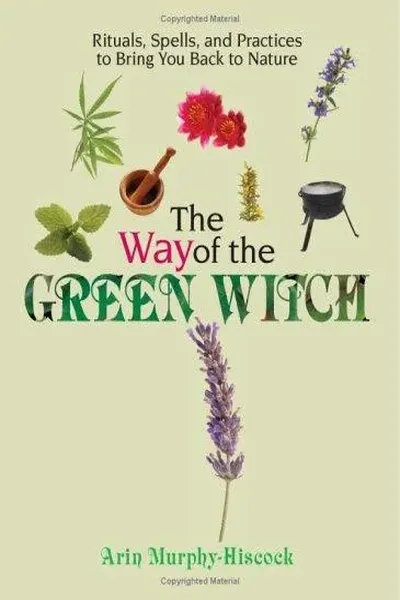


More Free Magic & Ritual Books
View all →