Compendium maleficarum

 80
80

Compendium maleficarum
Francesco Maria Guazzo's *Compendium Maleficarum* presents a chillingly systematic overview of 17th-century European demonological thought. Its strength lies in its exhaustive cataloging of beliefs surrounding witchcraft, demon pacts, and the infernal hierarchy. Guazzo, a monk, approached the subject with the rigor of a theologian, aiming to dissect and understand the perceived mechanisms of diabolical influence. However, the text’s historical distance from its original publication means it must be approached as a primary source documenting historical belief, not as a guide to occult practice. A notable section details the alleged rituals of the witches' sabbath, offering a stark glimpse into the collective imagination of the era. While valuable for its historical documentation, the work lacks critical analysis of the societal factors driving witch persecution. The *Compendium Maleficarum* stands as a significant, if disturbing, record of a specific historical moment's obsessions.
📝 Description
80
Francesco Maria Guazzo's *Compendium Maleficarum* was compiled in the early 17th century, detailing witchcraft and demonology.
Francesco Maria Guazzo's *Compendium Maleficarum*, originally compiled in the early 17th century and published in a modern edition in 2018, is a historical and theological examination of witchcraft. It does not function as a guide for practitioners but instead analyzes the perceived demonic influence prevalent in its time. The text systematically covers alleged pacts between individuals and demons, the nature of witches' sabbaths, and various forms of maleficium, or harmful magic, as understood by ecclesiastical and legal authorities of the early modern period.
This work is intended for scholars focused on demonology, religious history, and early modern European studies. It will also interest those studying the history of occultism and the cultural anxieties surrounding magic and heresy during the Renaissance and Baroque eras. Readers seeking primary source material on historical beliefs about witchcraft, rather than contemporary interpretations or occult practices, will find this text useful for understanding the intellectual and legal frameworks that informed witch trials and demonological discourse.
Emerging from the intellectual climate of early modern Europe, Guazzo's *Compendium Maleficarum* reflects a tradition of demonological discourse that sought to categorize and combat perceived supernatural threats. It draws upon earlier works like the *Malleus Maleficarum*, consolidating existing theological and legal doctrines concerning witchcraft. As a product of its time, the text exemplifies the systematic approach taken by religious and legal authorities to understand and address anxieties surrounding diabolical influence and heresy, contributing to the discourse that underpinned witch hunts.
💡 Why Read This Book?
• Gain a detailed historical understanding of early modern demonological frameworks, including the concept of the *pactum cum diabolo*, as systematically laid out by Guazzo. • Explore the historical context of European witch trials by examining the specific accusations and beliefs detailed in the *Compendium Maleficarum* from the early 17th century. • Understand the theological arguments and classifications of demons that informed societal views on witchcraft, as presented in Guazzo's meticulous cataloging of infernal forces.
⭐ Reader Reviews
Honest opinions from readers who have explored this book.
❓ Frequently Asked Questions
Is Compendium Maleficarum a practical guide for performing magic?
No, Francesco Maria Guazzo's *Compendium Maleficarum* is a historical and theological treatise. It documents and analyzes beliefs about witchcraft and demonology from the early 17th century, rather than providing instructions for magical practices.
What is the historical significance of Compendium Maleficarum?
Published originally in the early 17th century, the *Compendium Maleficarum* is significant as a comprehensive codification of demonological beliefs prevalent during the peak of European witch trials. It consolidated existing knowledge for legal and religious authorities.
Who was Francesco Maria Guazzo?
Francesco Maria Guazzo was an Italian Benedictine monk who compiled the *Compendium Maleficarum*. His work aimed to systematically present the theological and legal understanding of witchcraft and demonology in his era.
What does 'maleficium' mean in the context of the book?
'Maleficium' is a Latin term referring to harmful magic or witchcraft. In Guazzo's *Compendium Maleficarum*, it denotes the malevolent acts that witches were accused of performing, such as causing illness, death, or crop failure.
Does the book describe the witches' sabbath?
Yes, the *Compendium Maleficarum* dedicates significant attention to describing the alleged rituals and activities of the witches' sabbath, portraying it as a diabolical assembly where witches worshipped Satan.
Is this book based on the Malleus Maleficarum?
While not a direct re-publication, Guazzo's *Compendium Maleficarum* draws heavily upon and synthesizes information from earlier demonological texts, including the influential *Malleus Maleficarum* (1487), reflecting a continuity in witch-hunting literature.
🔮 Key Themes & Symbolism
The Infernal Pact
The *Compendium Maleficarum* extensively details the concept of the *pactum cum diabolo*, or pact with the Devil. Guazzo presents this as the foundational agreement through which individuals allegedly gain the power to practice witchcraft. The text explores the supposed conditions, ceremonies, and consequences of such infernal contracts, portraying them as the ultimate betrayal of divine law and the gateway to demonic allegiance and sorcery.
Witches' Sabbath (Sabbatum)
A central theme is the depiction of the *sabbatum*, the nocturnal gathering of witches. Guazzo provides graphic descriptions of these alleged assemblies, characterizing them as blasphemous rituals where witches renounced Christianity, paid homage to Satan, engaged in demonic sexual practices, and planned acts of maleficium. This concept reflects the deep-seated fears and anxieties surrounding organized, clandestine diabolical activity in early modern Europe.
Classification of Demons
Guazzo meticulously categorizes the various ranks and functions of demons within the infernal hierarchy. Drawing on established demonological traditions, the *Compendium Maleficarum* outlines different orders of fallen angels and their specific roles in tempting humanity, spreading heresy, and directly influencing the physical world through acts of maleficium. This systematic approach aimed to provide a framework for understanding the perceived spiritual warfare.
Forms of Maleficium
The text enumerates a wide array of alleged harmful magical acts, collectively termed *maleficium*. Guazzo details how witches were believed to inflict disease, cause death, blight crops, incite storms, and commit various other forms of physical and psychological torment through diabolical assistance. This aspect of the book highlights the practical fears associated with witchcraft in everyday life.
💬 Memorable Quotes
Direct passages from the work, attributed to the author.
“Demons are organized in a hierarchy, much like angels.”
— Guazzo posits a structured infernal realm, mirroring divine order with fallen beings assigned specific roles and ranks, which aids in understanding their perceived influence on the world.
“The witches' sabbath involves blasphemous rites and demonic worship.”
— This highlights the central narrative of the sabbath as a perversion of sacred ritual, focused on adoration of Satan and the renunciation of God.
“Maleficium encompasses all harmful acts attributed to witches.”
— This defines the practical application of witchcraft as described by Guazzo, detailing the specific ways witches were believed to inflict suffering and misfortune.
“Witches are often recruited through seduction and demonic promises.”
— Guazzo describes the process by which individuals are allegedly drawn into witchcraft, emphasizing the role of temptation and the allure of forbidden power offered by demons.
💡 Key Ideas
Editorial paraphrase of the work's core concepts — not direct quotes.
The pact with the Devil is the foundation of witchcraft.
This summarizes Guazzo's core argument that all witchcraft stems from a formal or informal agreement with demonic forces, signifying a complete surrender of the soul in exchange for supernatural abilities.
🌙 Esoteric Significance
Tradition
While Guazzo's work is primarily a historical and theological treatise, it engages with the historical underpinnings of demonology that later influenced esoteric traditions. It documents beliefs that, in fragmented forms, would be reinterpreted or incorporated into later occult systems. It represents a peak of orthodox Christian demonological thought, from which many esoteric practitioners would later diverge or critically engage, seeking alternative cosmologies.
Symbolism
The text is rich with symbolism inherent to Christian demonology. The figure of the Devil, often depicted as a horned, goat-like entity or a shadowy beast, symbolizes primal chaos and rebellion against divine order. The witches' sabbath, with its inversion of Christian rites and cannibalistic imagery, symbolizes the ultimate corruption and perversion of sacred communion. The concept of the infernal pact itself symbolizes a corrupted contract, a perversion of divine covenant, signifying the soul's damnation.
Modern Relevance
Contemporary occultists and scholars of Western esotericism engage with Guazzo's *Compendium Maleficarum* not as a manual, but as a critical historical document. It provides essential context for understanding the development of Western magical traditions by informative the orthodox beliefs they often reacted against or reinterpreted. Modern practitioners studying historical demonology or the psychological underpinnings of magic find value in its detailed descriptions of perceived demonic influence and pacts.
👥 Who Should Read This Book
• Scholars of early modern European history and religious studies seeking primary source material on demonological thought and witch trials. • Students of comparative religion interested in the historical intersection of theology, folklore, and perceived supernatural phenomena. • Occult historians and researchers who need to understand the orthodox Christian worldview against which many esoteric traditions emerged.
📜 Historical Context
Francesco Maria Guazzo's *Compendium Maleficarum* emerged in the early 17th century, a period still deeply entrenched in the witch-hunt phenomenon that had intensified across Europe since the late 15th century. The intellectual climate was dominated by theological anxieties and a growing body of demonological literature. Guazzo's work synthesized and systematized this knowledge, building upon precedents like the *Malleus Maleficarum* (1487). It served as a reference for inquisitors and secular judges grappling with heresy and witchcraft. Contemporary figures like Nicholas Rémy, whose *Daemonolatreia* (1595) also detailed witchcraft, operated within similar legal and intellectual frameworks. Guazzo's text contributed to the established discourse by providing a structured exposition of diabolical pacts, sabbaths, and maleficium, reinforcing the legal and theological justifications for prosecution.
📔 Journal Prompts
The concept of the *pactum cum diabolo* as presented by Guazzo.
The detailed descriptions of the witches' sabbath rituals.
Guazzo's classification of demons and their perceived roles.
The various forms of *maleficium* attributed to witches.
The societal anxieties reflected in the *Compendium Maleficarum* regarding witchcraft.
🗂️ Glossary
Compendium Maleficarum
A title meaning 'Compendium of Witches/Witchcraft'. It refers to Francesco Maria Guazzo's early 17th-century work cataloging beliefs and theories about witchcraft and demonology.
Pactum cum Diabolo
Latin for 'pact with the Devil'. In demonological texts like Guazzo's, it signifies a formal agreement where an individual allegedly exchanges their soul for demonic powers or knowledge.
Sabbatum
Refers to the witches' sabbath, a nocturnal assembly described in demonological literature where witches supposedly gathered to worship the Devil, practice forbidden rites, and receive demonic instruction.
Maleficium
Latin for 'harmful magic' or 'witchcraft'. It denotes the malevolent acts witches were accused of performing, such as causing illness, death, or natural disasters.
Demonology
The study of demons or beliefs about demons. In the context of Guazzo's work, it refers to the theological and legal discourse surrounding the nature, hierarchy, and influence of demonic beings.
Inquisitor
An official in a religious organization (like the Roman Catholic Church) tasked with investigating and combating heresy. Inquisitors played a significant role in the trials of alleged witches.
Diabolical
Relating to the Devil or demons; characterized by wickedness or evil. In Guazzo's text, it describes the nature of pacts, sabbaths, and the influence of infernal forces.
🔮 Readers Also Liked
Browse all →









More by Francesco Maria Guazzo
All books →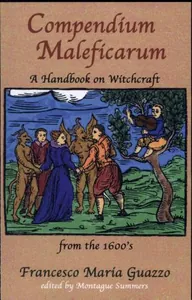

More Free Occult Philosophy Books
View all →