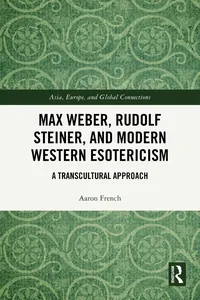
Clinical Acupuncture A to Z
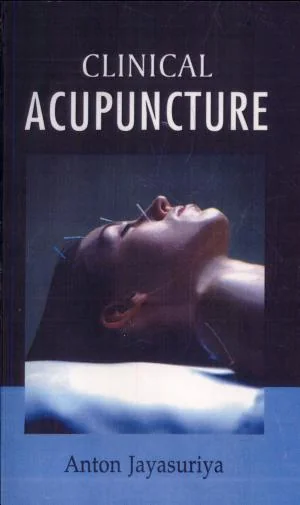
 74
74

Clinical Acupuncture A to Z
Anton Jayasuriya’s *Clinical Acupuncture A to Z* offers a commendable attempt to codify a vast and often esoteric field into a practical, referenceable volume. Its primary strength lies in its exhaustive cataloging of points and conditions, presented with a clarity that aids quick lookup. The section detailing specific indications for points, for instance, provides a clear benefit for practitioners in session. However, the work sometimes feels more like a detailed index than a flowing narrative, which can make deeper conceptual understanding a secondary pursuit. While it presents a wealth of information, the clinical examples, though present, could benefit from more nuanced discussion of differential diagnosis and treatment adjustments beyond the A-to-Z framework. Nevertheless, for its intended purpose as a clinical resource, it is a valuable, if dense, addition to the practitioner's library.
📝 Description
74
Anton Jayasuriya's Clinical Acupuncture A to Z was first published in 2002.
This reference work, published in 2002 by Anton Jayasuriya, organizes practical acupuncture information for practitioners and students. It moves beyond theory to detail diagnostic and therapeutic strategies for specific conditions. The book systematically lists acupuncture points, techniques, and ailments, providing a structured method for treatment planning. Its detailed explanations of acupuncture components make it a functional guide for integrating this practice into contemporary healthcare.
The volume is aimed at licensed acupuncturists, medical students studying complementary therapies, and researchers. It will also interest those with a serious engagement with Traditional Chinese Medicine (TCM) who seek to understand its application to pathological conditions, not just general wellness. Readers who prefer an encyclopedic format will appreciate the detailed indexing and cross-referencing for efficient information retrieval.
Published in the early 2000s, a period of increasing academic interest in Traditional Chinese Medicine in the West, Jayasuriya's work addressed a need for structured, clinically oriented information. It contributes to the broader esoteric tradition of TCM by codifying its diagnostic and therapeutic methods, aiming to bridge the gap between traditional knowledge and modern medical frameworks. This systematic approach supports the integration of acupuncture as a standardized practice.
💡 Why Read This Book?
• Gain a structured understanding of specific acupuncture point indications and contraindications, as detailed in the A-to-Z format, enabling more precise treatment selection. • Learn about various needling techniques and adjunct therapies beyond simple insertion, as described throughout the book's diagnostic and therapeutic sections. • Understand the clinical application of Traditional Chinese Medicine principles for specific conditions, moving beyond theory to practical patient management as presented in the book's systematic approach.
⭐ Reader Reviews
Honest opinions from readers who have explored this book.
❓ Frequently Asked Questions
What is the primary focus of Clinical Acupuncture A to Z?
The book's primary focus is on the practical, clinical application of acupuncture, serving as a comprehensive reference for practitioners. It systematically details acupuncture points, techniques, and therapeutic strategies for a wide range of conditions, aiming to bridge traditional knowledge with modern clinical practice.
Who is the intended audience for Anton Jayasuriya's book?
The intended audience includes licensed acupuncturists, medical students, and practitioners of Traditional Chinese Medicine seeking a detailed, clinically oriented resource. It is also suitable for researchers and individuals interested in the practical implementation of acupuncture within healthcare.
When was Clinical Acupuncture A to Z first published?
Clinical Acupuncture A to Z was first published in 2002. This places its creation during a period of increasing academic and clinical interest in Traditional Chinese Medicine in Western countries.
Does the book explain the theoretical underpinnings of acupuncture?
While the book is clinically focused, it does touch upon theoretical underpinnings by connecting diagnostic patterns to treatment protocols. However, its primary emphasis is on the practical application and systematic listing of points and techniques rather than deep theoretical exploration.
What kind of information can I find about specific acupuncture points?
For each acupuncture point, the book typically provides its location, indications for use, contraindications, and often specific needling techniques or adjunctive therapies associated with it, presented in a structured, encyclopedic manner.
Is this book suitable for beginners in acupuncture?
While comprehensive, the book's detailed and reference-style format might be more suited for those with some foundational knowledge. Beginners may find it beneficial when used alongside more introductory texts or under the guidance of an instructor.
🔮 Key Themes & Symbolism
Point Localization and Application
A central theme is the precise identification and clinical utility of acupuncture points. The book meticulously details the anatomical landmarks for locating each point and outlines its primary indications for treating various conditions. This focus on exactitude is crucial for effective therapeutic outcomes, moving beyond generalized knowledge to specific, actionable information for practitioners. It underscores the principle that accurate point selection is paramount in the practice of acupuncture.
Diagnostic Pattern Differentiation
The work emphasizes the importance of differentiating diagnostic patterns within the framework of Traditional Chinese Medicine. It links specific symptom clusters and patient presentations to underlying imbalances, which then guide the selection of appropriate acupuncture points and techniques. This systematic approach to diagnosis is presented as essential for tailoring treatments, ensuring that therapy addresses the root cause of illness rather than just superficial symptoms.
Therapeutic Techniques and Adjuncts
Beyond simple needling, the book explores a range of therapeutic modalities used in conjunction with acupuncture. This includes detailed explanations of moxibustion, cupping, and electro-acupuncture, among others. The integration of these adjunct therapies highlights a holistic approach to treatment, aiming to enhance the efficacy of acupuncture and address a broader spectrum of patient needs. The systematic presentation ensures practitioners can select the most suitable combination of techniques.
Clinical Case Management
A significant aspect of the book is its guidance on managing clinical cases. It presents structured protocols for common diseases and disorders, offering practitioners a clear roadmap for treatment. This includes considerations for initial consultations, ongoing treatment strategies, and potential adjustments based on patient response. The emphasis is on practical, evidence-informed application of acupuncture knowledge in real-world healthcare settings.
💬 Memorable Quotes
Direct passages from the work, attributed to the author.
“Accurate point selection is fundamental to successful acupuncture treatment.”
— This emphasizes the core principle that the efficacy of acupuncture hinges directly on the practitioner's ability to identify and utilize the correct points for a given condition and diagnosis.
“Understanding diagnostic patterns guides therapeutic strategy.”
— This highlights the crucial link between diagnosing the underlying imbalance in Traditional Chinese Medicine and formulating an effective acupuncture treatment plan.
“Adjunct therapies enhance the primary acupuncture treatment.”
— This suggests that modalities like moxibustion or cupping are not merely supplementary but integral tools that can amplify the healing effects of acupuncture itself.
“Clinical application requires systematic reference and precise technique.”
— This underscores the book's purpose: to provide practitioners with a structured, detailed resource for applying acupuncture knowledge accurately and effectively in patient care.
“The A to Z format facilitates quick clinical recall.”
— This points to the organizational structure of the book, designed to make information on points and conditions rapidly accessible to busy practitioners.
🌙 Esoteric Significance
Tradition
While rooted in the empirical and practical tradition of Traditional Chinese Medicine (TCM), *Clinical Acupuncture A to Z* engages with the esoteric by presenting TCM’s energetic principles as a tangible system for healing. TCM, particularly its meridian theory and Qi dynamics, shares conceptual parallels with broader esoteric philosophies concerning vital life force and energetic pathways. The book's function as a detailed map of these pathways and their therapeutic manipulation aligns it with esoteric traditions that seek to understand and influence subtle energies for well-being.
Symbolism
The acupuncture points themselves can be seen as symbolic loci within the body's energetic map. For instance, the concept of the 'Sea of Blood' (Xue Hai) point is symbolic of its profound influence over blood disorders and circulation, representing more than just a physical location. Similarly, the idea of 'Opening Points' (e.g., LI4 for the face) symbolizes the unlocking of energetic blockages in specific regions or channels, acting as symbolic keys to restore flow and health.
Modern Relevance
This work remains relevant for contemporary practitioners of acupuncture and TCM who seek a structured reference. It informs modern research into acupuncture's efficacy by providing a standardized lexicon of points and indications. Furthermore, its systematic approach influences how TCM is taught and integrated into complementary and alternative medicine (CAM) curricula globally, bridging traditional knowledge with the demands of modern healthcare systems and evidence-based practice.
👥 Who Should Read This Book
• Acupuncture students and practitioners seeking a detailed, systematic reference for point location, indications, and contraindications, enabling precise clinical application. • Healthcare professionals interested in integrating acupuncture into their practice who require a structured guide to its core principles and common therapeutic uses. • Researchers investigating the efficacy and mechanisms of acupuncture who need a comprehensive overview of established clinical protocols and point selection criteria.
📜 Historical Context
The publication of *Clinical Acupuncture A to Z* in 2002 occurred during a significant phase of acupuncture's integration into Western medicine. The preceding decades had seen a gradual shift from skepticism to scientific inquiry, fueled by figures like researcher Bruce Pomeranz who explored acupuncture's physiological mechanisms. Jayasuriya's work emerged as a practical, systematic guide, contributing to the standardization of information needed by practitioners and educators. This period saw the rise of academic acupuncture programs and increased research funding, contrasting with earlier eras where TCM was often viewed with suspicion or dismissed as pseudoscientific. The book’s approach, focusing on clinical utility and detailed enumeration, mirrored the growing demand for evidence-based and accessible TCM resources, differentiating it from more philosophical or historical texts on the subject.
📔 Journal Prompts
The concept of 'Qi stagnation' and its clinical manifestations.
Specific indications for the acupuncture point Stomach 36 (Zusanli).
The role of moxibustion as an adjunct therapy.
Differentiating diagnostic patterns for headache according to TCM.
The practical application of meridian theory in point selection.
🗂️ Glossary
Qi
The fundamental vital life force or energy in Traditional Chinese Medicine, believed to flow through meridians and maintain health. Its balance, flow, and quality are central to TCM diagnostics and therapeutics.
Meridians
The network of channels or pathways through which Qi and Blood circulate in the body, connecting acupuncture points and internal organs. They form the basis for acupuncture point selection and treatment strategies.
Acupuncture Points (Acupoints)
Specific locations on the body, typically along meridians, where Qi can be influenced through needling, pressure, or heat. Each point has specific indications and therapeutic effects.
Moxibustion
A traditional Chinese medicine technique that involves burning dried mugwort (Artemisia vulgaris) near the skin or on acupuncture needles to warm and invigorate Qi and Blood flow, often used for cold conditions.
Diagnostic Patterns
In TCM, the classification of a patient's illness based on identifying the underlying imbalance of Qi, Blood, Yin, Yang, or the Zang-Fu organs, guiding the therapeutic approach.
Needling Techniques
The various methods used to insert and manipulate acupuncture needles, including different angles, depths, and manipulation styles (e.g., lifting and thrusting) to achieve specific therapeutic effects.
Contraindications
Specific conditions or circumstances under which a particular acupuncture point or technique should not be used due to potential harm or adverse effects.
This book appears in 1 collection
🔮 Readers Also Liked
Browse all →









From the “Acupuncture” Collection
View all →






More Free Occult Philosophy Books
View all →