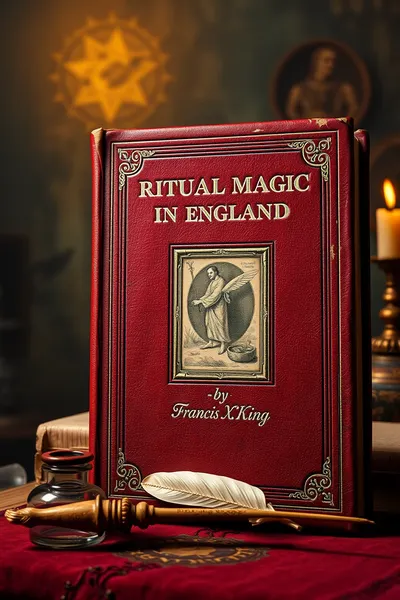
City of Lost Souls The Mortal Instruments Book 5

 83
83

City of Lost Souls The Mortal Instruments Book 5
Cassandra Clare's City of Lost Souls demonstrates a consistent ability to weave intricate plot threads, even as the series matures. The exploration of Sebastian Morgenstern's descent into darkness, particularly his motivations stemming from his father Valentine's manipulations, offers a chilling character study. However, the sheer volume of subplots and romantic entanglements, while engaging for some, occasionally bogs down the pacing. A particular strength lies in the depiction of the Shadow World’s political machinations, exemplified by the tension surrounding the Council’s decisions regarding the growing demonic threat. The constant push and pull between Clary and Jace, while central to the series, sometimes feels repetitive, hindering the emotional momentum. Still, the book delivers on its promise of escalating conflict and character stakes. It serves as a crucial, if sometimes dense, chapter in the ongoing saga.
📝 Description
83
City of Lost Souls, published in 2012, pits Clary Fray against the lingering threat of Valentine Morgenstern's legacy.
This is the fifth book in Cassandra Clare's The Mortal Instruments series, continuing the story of Shadowhunters and their fight against demons and internal conflicts. The year 2012 saw the release of this volume, raising the stakes for Clary Fray and her friends as they deal with the fallout from past events and the shadow of Valentine Morgenstern's influence. The story is set in a world where Nephilim protect humans from supernatural beings, working from secret bases in major cities.
This book is aimed at young adult readers following The Mortal Instruments saga. It will appeal to those who like urban fantasy with a significant romance element, detailed world building, and character growth during intense conflicts. Readers who enjoy series like Twilight or The Hunger Games, and appreciate complicated relationships and morally complex characters, will find this familiar.
Released in 2012, City of Lost Souls arrived during a popular period for young adult dystopian and paranormal romance. The Mortal Instruments series, which began in 2007, had already gained a large audience. Clare's writing contributed to the growing urban fantasy genre, blending mythical elements with modern settings and often examining themes of identity, belonging, and the weight of fate. Authors like Veronica Roth and Suzanne Collins were also prominent in the YA fiction scene at this time.
The Mortal Instruments series, and City of Lost Souls within it, engages with occult and supernatural themes common in urban fantasy. It presents a hidden world of angels and demons, Nephilim warriors, and magical artifacts operating alongside our own reality. The narrative explores the consequences of wielding power, the struggle between good and evil, and the personal burdens associated with inherited legacies and chosen paths. These elements tap into broader occult traditions that posit unseen forces influencing human affairs and the spiritual nature of conflict.
💡 Why Read This Book?
• Gain insight into the complex relationship dynamics between Clary Fray and Jace Wayland, specifically examining their struggles with the bond forged by Lilith in City of Ashes. • Understand the machinations of Sebastian Morgenstern and his attempts to corrupt the Shadow World, a narrative arc that builds upon events from the preceding books. • Explore the consequences of wielding forbidden power, as characters like Clary grapple with their abilities and the temptations presented by darker forces.
⭐ Reader Reviews
Honest opinions from readers who have explored this book.
❓ Frequently Asked Questions
What year was City of Lost Souls by Cassandra Clare first published?
City of Lost Souls, the fifth book in The Mortal Instruments series, was first published in 2012. It continued the narrative established in earlier installments, published from 2007 onwards.
Who are the main protagonists in City of Lost Souls?
The primary protagonists are Clary Fray and Jace Wayland, whose relationship and intertwined destinies are central to the plot. Other key characters include Simon Lewis, Isabelle Lightwood, and Alec Lightwood.
What is the primary conflict in The Mortal Instruments series, as continued in City of Lost Souls?
The overarching conflict involves Shadowhunters, half-angelic warriors, protecting the human world from demons and other supernatural threats. In City of Lost Souls, this escalates with a major threat posed by Sebastian Morgenstern.
Does City of Lost Souls connect to other Cassandra Clare series?
Yes, City of Lost Souls, like other books in The Mortal Instruments, features characters and plot points that connect to Cassandra Clare's other series, such as The Infernal Devices and The Dark Artifices.
What esoteric or supernatural elements are prominent in City of Lost Souls?
The book features Shadowhunters, demons, warlocks, vampires, and werewolves, drawing from established mythology and occult lore. Concepts like runes, angelic blood, and demonic possession are integral to the plot.
Where does the story City of Lost Souls primarily take place?
While the series often features New York City, City of Lost Souls involves travel to various locations within the Shadow World, including Idris, the Shadowhunter homeland, and other realms affected by demonic influence.
🔮 Key Themes & Symbolism
The Weight of Legacy
Clare consistently explores how characters are shaped by their parents' actions and the expectations placed upon them. In City of Lost Souls, Sebastian Morgenstern is deeply influenced by his father Valentine's cruel experiments and ideology, leading him down a path of destruction. Clary, conversely, strives to forge her own identity separate from her family's tumultuous history, grappling with the power inherited from her angelic lineage. This theme underscores the struggle between predetermined fate and individual choice within the Nephilim society.
Corrupting Influence of Power
The narrative examines how power, particularly when derived from demonic sources or wielded without moral restraint, can corrupt even well-intentioned individuals. Sebastian's pursuit of power and dominance is a central driving force, showcasing a complete disregard for the consequences to others. Clary, on the other hand, must constantly work through the temptation and danger associated with her own burgeoning abilities, learning to control them and resist their darker potential, a struggle that began with Lilith's influence.
Boundaries of Love and Loyalty
City of Lost Souls studies the complexities of relationships under extreme duress. The bond between Clary and Jace is tested not only by external threats but also by their own internal struggles and the influence of demonic forces. Loyalty is examined through the lens of family, friendship, and romantic love, forcing characters to make difficult choices that often have far-reaching implications for the Shadow World. The series frequently questions what lines individuals will cross for those they care about.
Redemption and Second Chances
While Sebastian's path seems irredeemable, the book allows for explorations of redemption for other characters. The series frequently presents opportunities for characters to atone for past mistakes, though the cost is often high. The concept of whether true redemption is possible for those who have committed grave sins is a recurring question, particularly as characters confront the aftermath of Valentine's actions and the pervasive evil.
💬 Memorable Quotes
Direct passages from the work, attributed to the author.
“Sebastian Morgenstern’s entire existence was a monument to his father’s cruelty.”
— This interpretation highlights the wide impact of Valentine Morgenstern's actions on his son, Sebastian. It suggests that Sebastian's malevolent nature and destructive actions are not inherent but rather a direct consequence of the abuse and manipulation he endured from his father.
“He was a being of pure darkness, a creature forged in the fires of his father’s hate.”
— This interpretation frames Sebastian Morgenstern as a personification of evil, attributing his nature to the destructive influence of his father, Valentine. It suggests his creation and motivations are rooted in malice and a desire for chaos, fueled by inherited animosity.
“The Clave’s rigid laws often failed to account for the shades of gray in human (and Nephilim) hearts.”
— This statement critiques the governing body of the Shadow World, the Clave, for its inflexible approach to justice. It suggests their black-and-white view of morality overlooks the complexities of individual motivations and circumstances, leading to potentially unjust decisions.
“Simon Lewis found himself adrift between the worlds of mundanes and vampires.”
— This interpretation reflects Simon's transitional state in the narrative. Having become a vampire, he is no longer fully human but also not entirely integrated into the vampire community, highlighting his unique and often isolating position.
💡 Key Ideas
Editorial paraphrase of the work's core concepts — not direct quotes.
The bond between Clary and Jace was more than just love; it was a shared destiny.
This paraphrased concept emphasizes the supernatural and fated nature of Clary and Jace's connection. It implies their relationship transcends ordinary romantic feelings, suggesting a deeper, perhaps divinely ordained, link that influences their actions and the broader narrative.
🌙 Esoteric Significance
Tradition
The Mortal Instruments series, including City of Lost Souls, draws heavily from Western esoteric traditions, particularly Christian angelology and demonology, blended with elements of Kabbalah and Gnosticism. The concept of Nephilim as half-angelic beings tasked with fighting demonic forces aligns with Judeo-Christian lore, while the intricate hierarchies and the struggle between light and dark echo Gnostic dualism. The series departs from strict adherence by situating these conflicts within a modern urban setting and focusing on adolescent relationships, making the esoteric accessible to a younger audience.
Symbolism
Runes are a central symbolic element, representing ancient angelic script that imbues objects or individuals with magical properties, akin to sigils or talismans in ceremonial magic. The Seraph Blade, a weapon wielded by Shadowhunters, symbolizes divine authority and the power to banish demonic entities. The concept of the Mortal Instruments themselves—the Mortal Sword, Cup, and Mirror—function as powerful artifacts, reminiscent of alchemical or magical relics used to control or reveal hidden truths about the world and its inhabitants.
Modern Relevance
Contemporary young adult fiction continues to engage with the archetypal battles between good and evil presented in Clare's work. Thinkers and practitioners exploring modern witchcraft and neo-paganism often find resonance in the series' reimagining of angelic and demonic hierarchies. The series' success also paved the way for more diverse explorations of supernatural themes in YA, influencing subsequent authors who aim to blend mythic structures with relatable contemporary issues and character arcs, making esoteric concepts more mainstream.
👥 Who Should Read This Book
• Young Adult Urban Fantasy enthusiasts seeking intricate world-building and complex character relationships, particularly those who enjoyed the earlier books in The Mortal Instruments series. • Readers interested in exploring themes of destiny versus free will and the corrupting nature of power within a supernatural context, with a focus on the 2012 publication era. • Fans of character-driven narratives that feature romance, action, and a detailed mythology grounded in angelic and demonic lore.
📜 Historical Context
Cassandra Clare’s City of Lost Souls, released in 2012, landed amidst a flourishing young adult urban fantasy market. The series itself, beginning in 2007, had already carved out a significant niche, building upon the earlier success of paranormal romance like Stephenie Meyer's Twilight. The early 2010s were characterized by a proliferation of stories featuring supernatural beings integrated into contemporary settings, often with a focus on romance and adolescent angst. Clare’s work competed with a wave of similar narratives, including those by authors like Richelle Mead and Becca Fitzpatrick, all exploring the intersection of the mundane and the magical. While not facing direct censorship, the genre itself was sometimes debated for its thematic content and target audience. The success of The Mortal Instruments contributed to the perception of YA fantasy as a commercially viable and culturally significant literary category, influencing publishing trends and reader expectations for intricate world-building and character-driven plots.
📔 Journal Prompts
Sebastian Morgenstern's inherited darkness and Valentine's influence.
The burden of angelic heritage for Clary Fray.
Jace Wayland's internal conflicts and the 'demon blood' concept.
Simon Lewis's adaptation to his new vampiric existence.
The Clave's governance and its impact on Shadowhunter society.
🗂️ Glossary
Shadowhunter
A warrior of half-angelic, half-human blood, tasked with protecting the human world from demons and other supernatural entities. They are also known as Nephilim.
Nephilim
The proper term for Shadowhunters, referring to their lineage descended from angels. This term carries significant weight within their culture and history.
The Clave
The governing body of the Shadowhunters, responsible for creating and enforcing laws that regulate their society and their interactions with the mundane world.
Idris
The hidden homeland of the Shadowhunters, a separate realm accessible only to them, serving as their spiritual and political center.
Runes
Ancient angelic symbols tattooed onto Shadowhunters' skin, which grant them magical abilities when activated by angelic blood, such as healing or invisibility.
Mundane
A term used by Shadowhunters and other supernatural beings to refer to ordinary human beings who are unaware of the existence of demons and the Shadow World.
Downworlders
A collective term for supernatural beings who are not Shadowhunters, including vampires, werewolves, warlocks, and faeries.
🔮 Readers Also Liked
Browse all →







More by Cassandra Clare
All books →
More Free Occult Philosophy Books
View all →