Ritual magic in England: 1887 to the present day
 72
72

Ritual magic in England: 1887 to the present day
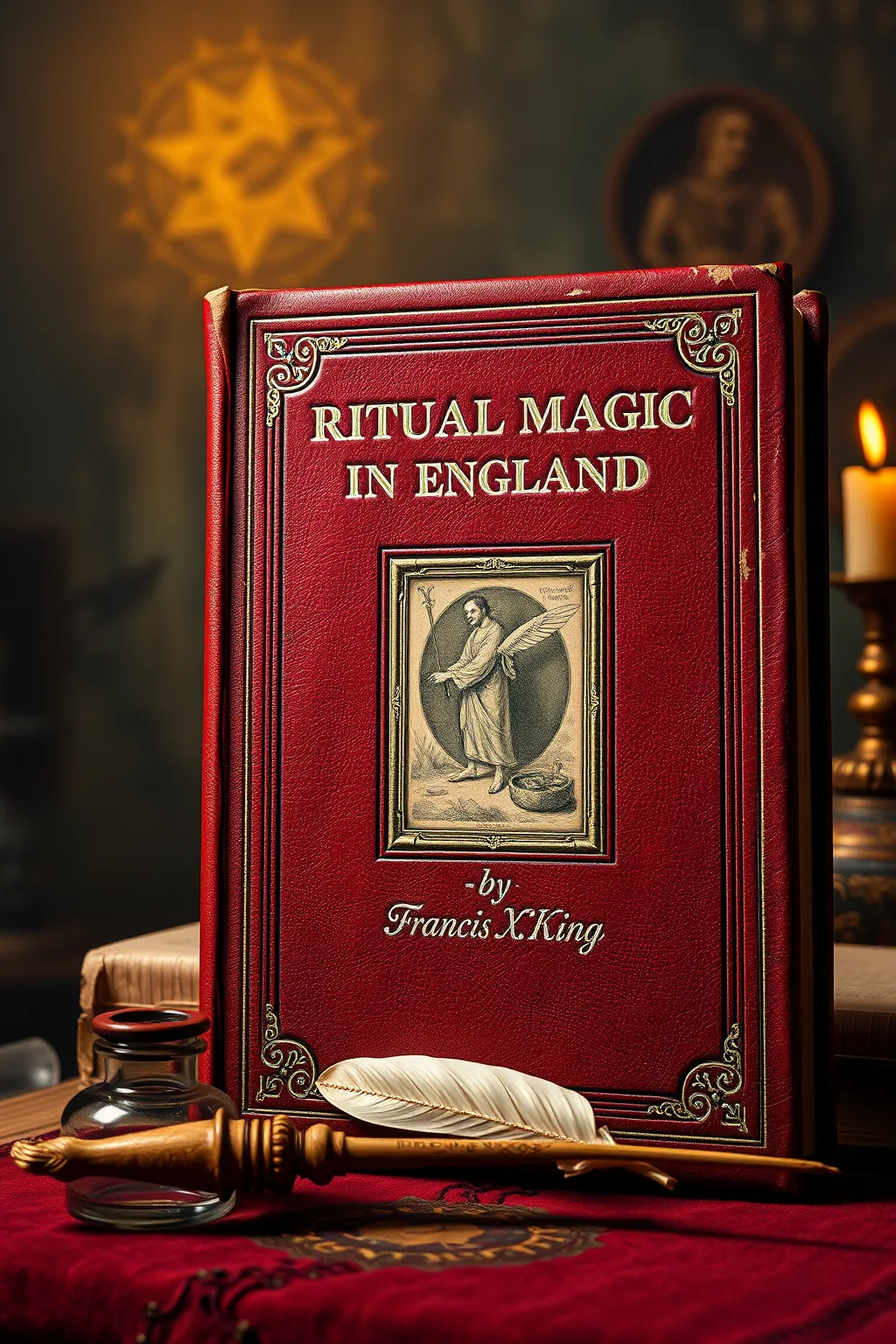
Francis X. King's survey of English ritual magic offers a meticulously researched account, particularly strong in its early chapters detailing the foundational groups of the late 19th and early 20th centuries. The book excels at mapping the organizational structures and key figures, such as those associated with the Hermetic Order of the Golden Dawn. However, the narrative occasionally feels constrained by its chronological approach, sometimes sacrificing deeper analysis of specific magical theories for a broader historical sweep. A notable strength is King's ability to connect disparate threads of magical practice, illustrating how influences from figures like Aleister Crowley filtered through various subsequent movements. The limitation lies in its sometimes dry presentation, which might deter readers seeking a more experiential or theoretical exploration of magic itself. Nonetheless, it remains an indispensable reference for understanding the historical trajectory of British occultism.
📝 Description
72
Francis X. King's 1987 volume maps ritual magic's English trajectory from 1887 to its present.
This book traces the lineage of ritual magic in England, beginning with its resurgence in the late Victorian era and continuing to contemporary times. It details the beliefs and practices of various magical societies and individual practitioners, showing how these groups shaped occult traditions. The work offers a historical overview, noting the changes in magical thought and action over a century.
King situates his study within the occult revival of the late 19th century, a time when groups like the Hermetic Order of the Golden Dawn formed. This period saw a renewed interest in Kabbalah, Rosicrucianism, and ceremonial magic, often mixed with Theosophical concepts. The book follows how these early influences spread through different groups and people, affecting later generations of British occultists.
The text looks at how magical teachings and practices were passed down through orders and individuals. It covers the way older magical systems were changed for modern use and how new ritual forms appeared. The impact of important figures and key texts on English ritual magic is also a main subject.
King's book is situated in the history of Western esotericism, specifically the British occult revival. This period, starting in the late 19th century, saw a significant reawakening of interest in magical and mystical traditions. It connects to movements like Theosophy and the reinterpretation of older systems such as Kabbalah and Rosicrucianism. The book examines how these diverse streams of esoteric thought converged and evolved into distinct magical practices and organizations within England.
💡 Why Read This Book?
• Gain a structured understanding of the foundational organizations like the Hermetic Order of the Golden Dawn and their impact on subsequent magical practice, offering a clear historical pathway. • Learn about the development of ritualistic practices from their re-emergence in the late Victorian era, providing context for modern ceremonial magic. • Discover the influence of key figures and movements within British occultism from 1887 onwards, offering specific historical examples of magical transmission.
⭐ Reader Reviews
Honest opinions from readers who have explored this book.
❓ Frequently Asked Questions
What is the primary focus of Francis X. King's "Ritual magic in England: 1887 to the present day"?
The book focuses on the historical development and evolution of ritual magic practices and organizations in England, starting from the late Victorian occult revival in 1887 through to contemporary times.
Which major magical order is discussed in relation to the period covered by the book?
The Hermetic Order of the Golden Dawn, founded in 1888, is a central organization discussed, as its influence was foundational to much of the subsequent ritual magic in England.
Does the book cover different schools or branches of magic?
Yes, the work explores various lineages and independent practitioners, tracing how different magical traditions and adaptations emerged and evolved within the English context.
What time frame does "Ritual magic in England: 1887 to the present day" cover?
The book spans from 1887, marking the beginning of a significant occult revival, up to the point of its original publication and beyond, covering nearly a century of developments.
Who would benefit most from reading this book?
Students of Western esotericism, occult history, and comparative religion interested in the specific British context of magical development will find this book highly informative.
What kind of information can one expect about the practitioners of ritual magic?
Readers can expect details on the beliefs, practices, and lineage of various magical societies and individual practitioners who shaped the landscape of ritual magic in England.
🔮 Key Themes & Symbolism
Victorian Occult Revival
This theme examines the fertile ground of late 19th-century England, where spiritualism, Theosophy, and a renewed interest in Hermeticism converged. It details how this intellectual climate provided the impetus for the formation of influential magical orders like the Hermetic Order of the Golden Dawn in 1888, which sought to systematize and revive ancient magical traditions for a modern audience. The work explores the societal factors and intellectual currents that fostered this surge in esoteric exploration.
Lineage and Transmission
A central focus is the concept of magical lineage and how practices and knowledge were transmitted through successive generations of practitioners and organizations. The book traces the 'succession' of magical authority and teaching, from the foundational orders to their offshoots and independent practitioners. It highlights the importance placed on direct transmission, initiation, and the preservation of specific ritual forms across different groups.
Adaptation of Esoteric Systems
This theme explores how older, often esoteric, magical systems were adapted and reinterpreted to fit the evolving cultural and intellectual range of the 20th century. King illustrates how practitioners engaged with concepts from Kabbalah, Hermeticism, and other traditions, modifying them to suit contemporary understanding and practice. The work showcases the dynamic nature of magic as a living tradition capable of transformation.
Key Figures and Orders
The book identifies and discusses central individuals and magical societies that shaped the trajectory of ritual magic in England. It examines the roles of influential figures who led, taught, or significantly contributed to the development of magical theory and practice. Examining these key players and their organizational frameworks is crucial to understanding the historical progression of the subject.
💬 Memorable Quotes
Direct passages from the work, attributed to the author.
“The Hermetic Order of the Golden Dawn's founding in 1888 marked a significant turning point.”
— This statement highlights the central nature of the Golden Dawn's establishment, signifying a formal and organized resurgence of ceremonial magic in England after a period of relative dormancy or fragmentation.
“The work details the evolution from Victorian occultism to modern magical movements.”
— This interpretation emphasizes the book's chronological scope, illustrating its function as a historical bridge connecting the esoteric fervor of the late 19th century with the diverse magical practices that followed throughout the 20th century.
“Francis X. King traces the transmission of magical knowledge through various groups.”
— This points to the book's focus on the continuity and dissemination of esoteric teachings, examining how specific doctrines, rituals, and initiatory structures were passed from one generation or organization to another.
“The text examines the influence of figures like Aleister Crowley on subsequent practitioners.”
— This highlights the book's engagement with the impact of prominent occult figures, specifically mentioning Crowley, and how their ideas and actions shaped the direction of ritual magic for those who came after them.
“Ritual magic in England saw significant organizational development from 1887 onwards.”
— This emphasizes the historical trend documented in the book: the increasing formalization and structuring of magical practice into distinct orders and societies beginning in the late Victorian era.
🌙 Esoteric Significance
Tradition
This work is deeply rooted in the Western Esoteric Tradition, particularly its Hermetic and ceremonial magic branches. It traces a lineage that, while acknowledging diverse influences, primarily focuses on the post-1887 revival in Britain. King's approach fits within the historical scholarship of Western esotericism, examining the development and transmission of specific magical systems and organizational structures that became prominent in the late 19th and 20th centuries.
Symbolism
The book implicitly engages with the symbolism inherent in ritual magic, such as the structured correspondences found in Kabbalistic systems or the archetypal figures employed in ceremonial invocations. While not a symbolic lexicon itself, it discusses the symbolic language and conceptual frameworks that practitioners utilized, such as the grades within orders or the archetypal influences invoked during rituals.
Modern Relevance
Contemporary practitioners and scholars of Western esotericism, particularly those interested in the historical development of ceremonial magic in the Anglophone world, continue to reference King's work. It provides essential historical background for understanding the roots of modern magical orders and independent magical traditions that draw upon the legacies explored in the book.
👥 Who Should Read This Book
• Students of Western Esotericism: Individuals seeking a historical overview of how ceremonial magic evolved in Britain from the late Victorian era onwards. • Occult Historians: Researchers interested in the organizational structures, key figures, and lineage transmission within British magical societies from 1887 to the present. • Comparative Religion Scholars: Those exploring the development of modern religious and spiritual movements, particularly those with roots in magical and occult traditions.
📜 Historical Context
Published in 1970, Francis X. King's work emerged during a period of renewed academic and popular interest in the occult, following the counter-cultural shifts of the 1960s. It directly addresses the legacy of the late Victorian occult revival, a movement that saw the establishment of significant organizations like the Hermetic Order of the Golden Dawn in 1888. This era was characterized by a blending of Hermeticism, Kabbalah, Rosicrucianism, and Theosophy. King's book contextualizes these developments within the broader intellectual currents of the time, acknowledging contemporaries and predecessors who explored similar themes. The reception of such works in the mid-20th century often occurred alongside the burgeoning interest in figures like Aleister Crowley, whose influence is implicitly or explicitly present in the lineage King traces. The work implicitly engages with the academic study of Western esotericism, a field that was beginning to gain more serious scholarly attention.
📔 Journal Prompts
The organizational structure of the Hermetic Order of the Golden Dawn in 1888.
The concept of magical lineage and transmission.
The influence of specific figures on ritual magic.
The adaptation of older esoteric systems.
The evolution of ritual practices in England post-1887.
🗂️ Glossary
Hermeticism
A religious, philosophical, and esoteric tradition based on writings attributed to Hermes Trismegistus. It emphasizes divine knowledge, the interconnectedness of all things, and the potential for human spiritual ascent.
Kabbalah
A system of Jewish mysticism that explores the divine nature and the creation of the universe through symbolic interpretations of scripture and mystical concepts, often represented by the Tree of Life.
Rosicrucianism
A philosophical and mystical tradition founded in the early 17th century, associated with secret societies and esoteric knowledge, often linked to alchemy, Hermeticism, and Christian mysticism.
Theosophy
A spiritual movement founded in the late 19th century that sought to explore the hidden truths behind all religions and sciences, emphasizing universal brotherhood and the study of comparative religion and occultism.
Ceremonial Magic
A form of magic that uses rituals, invocations, and symbolic actions, often within structured organizational frameworks, to achieve specific spiritual or practical aims.
Occult Revival
A period, particularly in the late 19th and early 20th centuries, marked by a resurgence of interest in esoteric, mystical, and magical traditions across Western societies.
Lineage
In esoteric contexts, refers to the unbroken chain of transmission of teachings, initiations, and authority from a historical source or master to subsequent practitioners or groups.
🔮 Readers Also Liked
Browse all →









More by Francis X. King
All books →

More Free Occult Philosophy Books
View all →