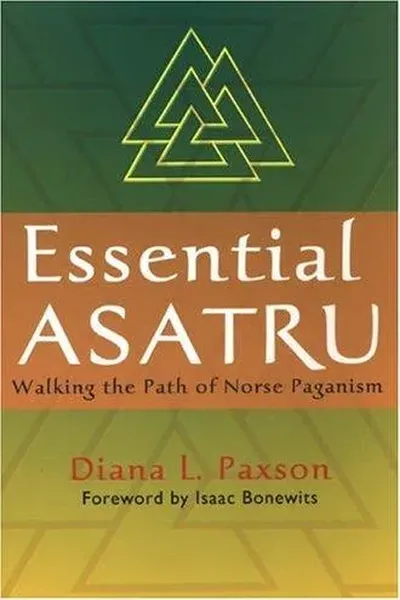
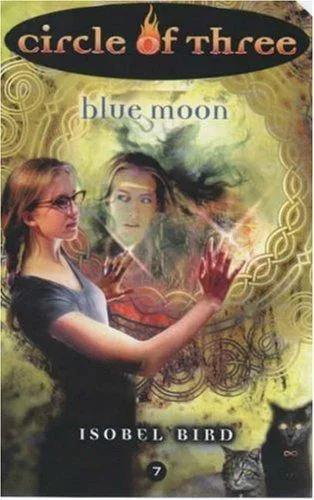
Circle of Three
 81
81

Circle of Three
Michael Thomas Ford's Circle of Three presents a familiar premise—three young women discovering a shared magical destiny—but grounds it with a refreshing, contemporary sensibility. The strength of the novel lies in its honest portrayal of the characters' struggles to integrate their burgeoning powers with mundane concerns like jobs, relationships, and self-doubt. The initial chapters, detailing their hesitant exploration of magic and the awkwardness of their new connection, are particularly effective. However, the pacing occasionally falters, particularly in the middle sections, where the plot feels somewhat stretched to accommodate character development. A standout moment involves the characters grappling with the unintended consequences of a minor charm meant to resolve a personal conflict, illustrating the often-unforeseen ripple effects of magical intervention. While it doesn't reinvent the genre, Circle of Three offers a thoughtful exploration of power and friendship. It's a solid, if not revolutionary, addition to the modern witch fiction landscape.
📝 Description
81
Published in 2001, Circle of Three examines the intersection of witchcraft, relationships, and modern challenges.
Michael Thomas Ford's Circle of Three follows three young women who discover a shared magical heritage. The narrative tracks their efforts to balance ordinary lives with the extraordinary powers they begin to control. The book is for readers interested in contemporary fantasy that integrates magic into everyday settings, rather than a separate world. It appeals to an audience seeking relatable characters who manage complex emotions alongside supernatural events. The story focuses on the dynamics of female friendship and the responsibilities that accompany newfound abilities. It avoids overt mythological structures, offering a modern perspective on magical traditions.
Circle of Three arrived during a period of increased public interest in witchcraft and paganism in the early 2000s. This novel offered a contemporary fictional take on magical traditions, distinct from earlier fantasy works. It reflects evolving societal views on spirituality and female empowerment, integrating magic into relatable, modern settings. The book touches upon concepts of inherited power and the ethical weight of supernatural capabilities.
💡 Why Read This Book?
• You will learn about the delicate balance required to integrate nascent magical abilities with everyday responsibilities, as depicted through the characters' attempts to manage their mundane lives alongside their supernatural discoveries in Circle of Three. • You will experience the complexities of building trust and shared power within a coven, exemplified by the evolving dynamics between the three protagonists as they learn to rely on each other's strengths. • You will gain insight into the concept of inherited magical legacies and the personal repercussions of wielding power, as the novel explores the weight of ancestral magic and its impact on individual choices.
⭐ Reader Reviews
Honest opinions from readers who have explored this book.
❓ Frequently Asked Questions
What is the central theme of Michael Thomas Ford's Circle of Three?
The central theme of Circle of Three is the exploration of inherited witchcraft, female friendship, and the challenges of balancing magical abilities with ordinary life, set in a contemporary context.
Who are the main characters in Circle of Three?
The main characters are three young women who discover they share a magical heritage. Their individual personalities and their collective journey form the core of the narrative.
When was Michael Thomas Ford's Circle of Three first published?
Circle of Three was first published in 2001, placing it within a period of growing popular interest in contemporary witchcraft narratives.
Does Circle of Three involve complex magical systems?
The novel focuses more on the personal and emotional aspects of magic and friendship rather than intricate magical systems. It highlights intuitive and inherited abilities.
What kind of setting does Circle of Three take place in?
The book is set in a contemporary, everyday environment, contrasting the mundane world with the characters' emerging supernatural lives and connections.
What is the relationship between the three protagonists?
The three protagonists are bound by a shared magical lineage and form a coven. Their relationship evolves from strangers to a supportive, powerful unit navigating their shared destiny.
🔮 Key Themes & Symbolism
Inherited Witchcraft
The novel posits that magical abilities can be passed down through generations, forming a significant part of the protagonists' identities. This inherited witchcraft is not presented as a learned skill but as an intrinsic part of their being, which they must learn to understand and control. The book explores the feeling of destiny intertwined with lineage, suggesting that certain individuals are born with a connection to the magical world. This theme is central to their discovery of each other and their shared purpose, moving beyond individual eccentricity to a collective, ancestral calling.
Female Friendship and Coven Dynamics
Circle of Three places a strong emphasis on the power and evolution of female bonds. The three protagonists, initially strangers, form a coven, highlighting the idea that collective strength and mutual support are crucial for wielding magic effectively. The narrative examines the complexities of trust, shared secrets, and the unique understanding that develops between individuals facing similar extraordinary circumstances. Their journey illustrates how friendship can become a formidable force, enabling them to navigate challenges they could not face alone.
Magic in the Mundane
A key aspect of the book is its grounding of magic within contemporary, everyday life. The characters are not living in a fantasy realm but are students, young adults, or professionals dealing with ordinary problems. Their magical abilities manifest and are practiced within this familiar setting, leading to relatable conflicts and situations. This approach suggests that magic is not separate from life but an integrated part of it, requiring practical application and careful consideration of its impact on daily routines and personal relationships.
Responsibility and Consequences
Wielding magical power comes with significant responsibility, a concept central to the protagonists' development. As they learn to harness their abilities, they also confront the unintended consequences of their actions, even when their intentions are good. The novel explores the ethical considerations of using magic, the potential for harm, and the importance of wisdom and restraint. This theme underscores the idea that power is not merely a gift but a burden that requires maturity and careful judgment to manage effectively.
💬 Memorable Quotes
Direct passages from the work, attributed to the author.
“The connection between them wasn't just a shared ability, but an ancient thread pulled taut.”
— This interpretation highlights the idea that the protagonists' magical link is not superficial but deeply rooted in their ancestry, suggesting a profound, almost fated connection that transcends their individual experiences.
“They discovered their magic not in dusty tomes, but in the quiet moments between heartbeats.”
— This suggests that the magic in the book is intuitive and organic, arising from within the characters and their lived experiences rather than through formal study or ancient rituals.
“Every spell cast was a pebble dropped into the pond of their lives, and the ripples reached further than they could see.”
— This conveys the theme of consequences, illustrating how even small magical acts can have far-reaching and unforeseen effects on the characters' personal lives and the world around them.
“To be a witch was to carry the weight of ages, but also the promise of a future they could shape.”
— This captures the dual nature of their inherited power: the burden of historical legacy and the agency to influence their own destiny and potentially the future through their actions.
“Their shared power wasn't about dominance, but about finding the missing pieces in each other.”
— This interpretation emphasizes the collaborative and complementary nature of their magical bond, suggesting that their strength comes from mutual support and filling each other's gaps.
🌙 Esoteric Significance
Tradition
Circle of Three aligns with contemporary Western esoteric traditions that focus on personal empowerment and immanent divinity, particularly those influenced by modern Wicca and feminist spirituality. It departs from older, more hierarchical or ritual-intensive traditions by emphasizing intuitive magic and the strength found in communal bonds between women. The novel reflects a modern interpretation where witchcraft is less about adherence to strict dogma and more about personal connection to nature, self, and others, fitting within a lineage of neo-pagan and nature-based spiritualities that gained prominence in the late 20th century.
Symbolism
The number 'three' itself is a potent symbol, representing triads of goddesses, the maiden-mother-crone archetype, and the unity of mind, body, and spirit. The novel likely employs this through the central trio of witches, signifying their completeness as a unit. Other potential symbols could include natural elements (earth, air, fire, water) representing fundamental forces they learn to harness, or specific objects that become imbued with magical significance through their use, acting as focal points for their inherited abilities.
Modern Relevance
This work speaks to contemporary neo-pagan communities and individuals exploring witchcraft as a personal spiritual path rather than a dogmatic religion. Its focus on the intersection of magic and daily life appeals to modern practitioners seeking to integrate their spiritual beliefs into secular environments. The emphasis on coven dynamics and shared power also reflects ongoing discussions within esoteric circles about community building and collective spiritual work in an increasingly individualized world. Thinkers and practitioners interested in the evolution of witchcraft narratives will find it a relevant touchstone.
👥 Who Should Read This Book
• Young adults and adults interested in contemporary fantasy that explores witchcraft, focusing on relatable characters and interpersonal relationships. • Readers seeking stories where magic is integrated into everyday life, offering a grounded perspective on supernatural abilities and their impact on personal choices. • Those curious about the dynamics of female friendship and the concept of a modern coven, as the novel emphasizes the power and support found in shared magical journeys.
📜 Historical Context
Published in 2001, Michael Thomas Ford's Circle of Three emerged during a period where contemporary witchcraft narratives were gaining traction in popular fiction, following trends set by authors like Anne Rice and the burgeoning Wiccan revival. The early 2000s saw a surge in media exploring paganism and magic, often with a focus on female empowerment and individual spiritual paths. Unlike earlier, more overtly theological or historical occult works, Ford's novel situated magic within the everyday lives of young adults, reflecting a societal shift towards integrating spirituality into modern existence. This approach distinguished it from more traditional fantasy or historical occult fiction, offering a relatable entry point for readers. The book arrived as a contemporary counterpoint to the burgeoning interest in real-world pagan practices and Neopaganism, which were becoming more visible in Western culture.
📔 Journal Prompts
Reflect on the concept of inherited witchcraft and its implications for personal identity.
Consider the challenges and strengths of forming a coven with peers based on shared magical discovery.
Analyze the ethical considerations of using magic for personal gain versus communal benefit.
Explore the symbolism of the number three as it relates to the protagonists' collective journey.
Examine how the mundane setting influences the expression and practice of magic in the novel.
🗂️ Glossary
Coven
A group of witches, typically numbering three or more, who gather to practice magic and share spiritual experiences. In Circle of Three, the formation of a coven is central to the protagonists' journey.
Inherited Magic
The concept that magical abilities are passed down through familial lineage. This suggests a genetic or ancestral connection to the magical world, rather than magic being solely learned.
Immanent Divinity
The belief that the divine or sacred is present within all things and beings, rather than existing solely in an external, transcendent realm. This influences modern witchcraft's focus on nature and the self.
Witchcraft
In the context of the novel, witchcraft refers to a form of magic practiced by individuals, often women, who possess an innate connection to supernatural forces and the natural world. It emphasizes personal power and intuition.
Esoteric
Relating to or accessible only by a relatively small number of people with a specialized knowledge or interest. In literature, it refers to subjects dealing with mystical, spiritual, or occult themes.
Contemporary Fantasy
A subgenre of fantasy that is set in the present-day world, often incorporating magical elements into otherwise realistic settings and narratives.
Neo-paganism
A modern religious movement that draws on the traditions of ancient pagan religions. Modern witchcraft is often considered a part of this broader spiritual category.
🔮 Readers Also Liked
Browse all →






More by Michael Thomas Ford
All books →


More Free Witchcraft & Paganism Books
View all →



![A Witch of the Hills, v. 2 [of 2]](/img/thumb/a-witch-of-the-hills-v-2-of-2-warden-florence.webp)