Chilling Ancient Curses
 81
81

Chilling Ancient Curses
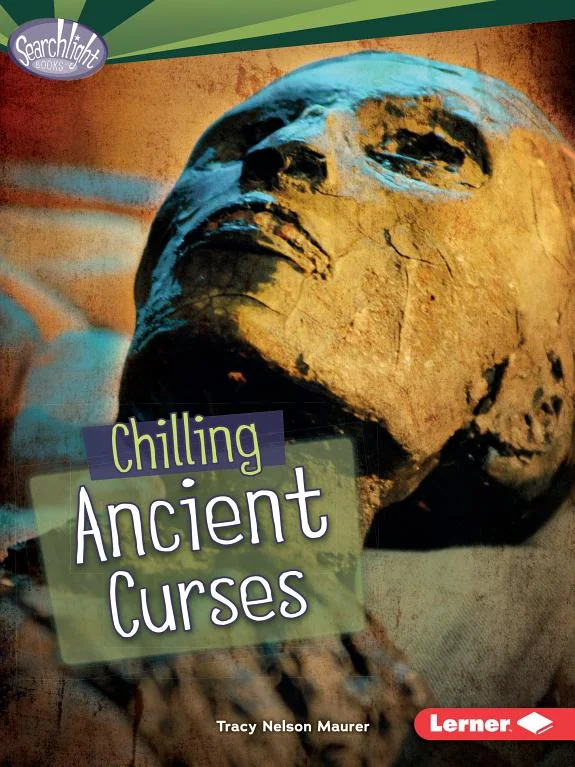
Tracy Nelson Maurer’s "Chilling Ancient Curses" takes on a subject ripe for sensationalism but largely treats it with a balanced, investigative tone. The book's strength lies in its accessible presentation of complex historical anecdotes, such as the alleged misfortunes befalling owners of the Hope Diamond. Maurer effectively grounds these tales in historical context, showing how narratives of curses often serve cultural or psychological needs rather than reflecting literal supernatural events. A limitation, however, is the book's primary audience; while informative, it stops short of the deeper esoteric analysis some readers might seek, focusing more on historical accounts and folklore. The examination of the Tutankhamun tomb curse, for instance, details the public's eager adoption of the 'curse' narrative following the 1922 discovery, highlighting media amplification over any genuine supernatural force. Ultimately, "Chilling Ancient Curses" offers an engaging, if introductory, survey of curse lore.
📝 Description
81
Tracy Nelson Maurer's 2018 book examines curse phenomena, from ancient Egypt to modern folklore.
Published in 2018, "Chilling Ancient Curses" by Tracy Nelson Maurer investigates the history and cultural impact of curses. The book presents case studies of alleged curses tied to well-known objects and individuals, assessing their credibility and the psychological and sociological reasons behind belief in them. Maurer covers curse narratives across different time periods and cultures, including ancient legends and contemporary folklore.
The work is aimed at young adults and general readers interested in history, folklore, and the psychology of belief. It will appeal to those curious about paranormal topics, historical enigmas, and the stories surrounding objects deemed 'cursed.' Readers looking for a factual yet accessible look at supernatural claims, without delving into complex occult theories, will find this book engaging. It touches upon historical periods from ancient Egypt's funerary practices to European aristocracy's interest in jewels and bad luck.
While not a manual of occult practice, "Chilling Ancient Curses" engages with the popular fascination for supernatural phenomena that often borders on the esoteric. It examines how fears and beliefs about curses, rooted in ancient traditions and superstitions, persist in modern consciousness. The book explores the power of narrative and suggestion in shaping perceptions of misfortune, a concept relevant to understanding the cultural underpinnings of many esoteric beliefs.
💡 Why Read This Book?
• Understand the cultural impact of the Tutankhamun tomb curse, exploring how media sensationalism amplified fears of supernatural retribution following the 1922 discovery. • Analyze the persistent folklore surrounding the Hope Diamond, learning how its alleged curse narrative has shaped public perception and historical accounts of its owners. • Examine the psychological underpinnings of curse beliefs, recognizing how human tendencies toward attributing misfortune to external forces contribute to their enduring power.
⭐ Reader Reviews
Honest opinions from readers who have explored this book.
❓ Frequently Asked Questions
Does "Chilling Ancient Curses" provide evidence for the existence of actual curses?
The book primarily explores the historical accounts and cultural beliefs surrounding curses. While it presents numerous alleged curse stories, it focuses on the narrative and psychological aspects rather than offering definitive proof of supernatural curses.
What historical curses are discussed in Tracy Nelson Maurer's book?
The book covers several famous alleged curses, including the 'mummy's curse' associated with King Tut's tomb and the notorious curse said to affect owners of the Hope Diamond.
Is "Chilling Ancient Curses" suitable for young adults?
Yes, the book is written in an accessible style and covers topics that are often of interest to young adult readers, making it suitable for that audience.
What is the main theme of "Chilling Ancient Curses"?
The main theme is the exploration of curse narratives throughout history, examining their origins, cultural impact, and the psychological reasons behind belief in them.
When was "Chilling Ancient Curses" first published?
The book was first published in 2018 by Tracy Nelson Maurer.
Does the book discuss how to break a curse?
While the book examines the making and breaking of curses throughout history, its focus is more on understanding the phenomena rather than providing practical methods for curse-breaking.
🔮 Key Themes & Symbolism
The Mummy's Curse
The work investigates the enduring legend of the 'mummy's curse' purportedly protecting ancient Egyptian tombs, most famously that of Tutankhamun. It examines how this narrative gained traction in the early 20th century, fueled by media sensationalism following the 1922 discovery of the tomb by Howard Carter. The book explores the psychological appeal of such curses, offering a lens through which to view the public's fascination with ancient mysteries and the perceived dangers of disturbing the dead.
Jewelry and Misfortune
A significant portion of the book focuses on cursed objects, particularly famous gemstones like the Hope Diamond. The narrative details the historical accounts of misfortune allegedly befalling its owners, tracing its provenance through centuries of European royalty and collectors. This theme highlights how specific artifacts can become focal points for stories of ill-fortune, often reflecting societal anxieties about wealth, power, and their potential consequences.
Belief and Psychology
Beyond specific tales, the book looks at the psychological and sociological reasons behind the persistence of curse beliefs. It explores concepts like confirmation bias, where individuals tend to notice and remember events that align with their belief in a curse, while ignoring contradictory evidence. The work implicitly discusses how folklore and collective storytelling contribute to the cultural acceptance and transmission of curse narratives across generations.
Historical Narrative Construction
"Chilling Ancient Curses" implicitly examines how historical narratives are constructed and perpetuated. By presenting documented accounts and folklore side-by-side, the book encourages readers to critically assess the origins of such stories. It prompts consideration of whether curses are real supernatural phenomena or simply elaborate tales woven from coincidence, fear, and the human desire for explanation.
💬 Memorable Quotes
Direct passages from the work, attributed to the author.
“The deadly mummy's curse that protects King Tut's tomb.”
— This phrase expresses the popular narrative surrounding Tutankhamun's tomb, suggesting a supernatural force safeguarding the pharaoh's eternal rest, a concept widely sensationalized in the early 20th century.
“The cursed Hope Diamond, said to bring ruin to whoever owns it.”
— This highlights a specific, infamous example of a cursed object, illustrating how historical artifacts can acquire legendary associations with misfortune and disaster.
“Read on to learn more about the making and breaking of spooky curses throughout history.”
— This indicates the book's scope, promising an exploration of how curse narratives are created, perpetuated, and sometimes challenged or disproven over time.
“Uncover whether there's any real-life proof that curses exist.”
— This frames the book's investigative approach, suggesting it will critically examine the evidence for curses, encouraging readers to question their veracity.
“You'll have so much fun it's scary!”
— This reflects the book's intended tone: an engaging and entertaining exploration of a 'spooky' subject matter, aimed at making the learning process enjoyable.
🌙 Esoteric Significance
Tradition
While "Chilling Ancient Curses" is not an esoteric text in itself, it engages with themes that resonate within broader occult and metaphysical traditions. It touches upon the concept of energetic imprints and the power of focused intent, ideas found in various esoteric schools. The book's exploration of cursed objects and places can be seen as a secularized examination of relics and sacred sites, hinting at the potential for objects to retain or transmit potent energies, a concept explored in Hermeticism and folk magic.
Symbolism
The book frequently references the symbolism of ancient Egyptian artifacts, particularly concerning death and the afterlife, such as sarcophagi and hieroglyphs, which in esoteric traditions often represent transformation and the journey of the soul. Gemstones like the Hope Diamond carry symbolic weight, representing not just material wealth but also power, status, and the potential for corruption or allure that can lead to downfall, a common motif in alchemical and Gnostic narratives of material entanglement.
Modern Relevance
Contemporary interest in curses, often fueled by popular media and online communities discussing paranormal phenomena, finds a historical anchor in Maurer's work. Thinkers and practitioners exploring modern folklore, urban legends, and the psychology of belief systems can use this book as a reference point. It provides a foundation for understanding how ancient beliefs and superstitions continue to influence contemporary thought, particularly in discussions surrounding luck, misfortune, and the lingering power of historical narratives.
👥 Who Should Read This Book
• Young adult readers interested in history and mysteries: They will find an engaging introduction to famous historical enigmas and the folklore surrounding them. • General readers curious about the psychology of belief: This audience can explore why people believe in curses and how these stories persist across generations. • Aspiring folklorists and cultural historians: The book offers accessible case studies of legend formation and the cultural impact of superstitious beliefs.
📜 Historical Context
Published in 2018, Tracy Nelson Maurer's "Chilling Ancient Curses" entered a cultural landscape where paranormal and historical mysteries continue to hold popular appeal. The book's subject matter taps into a long tradition of folklore and sensationalized accounts, tracing back to the late 19th and early 20th centuries when archaeological discoveries like that of Tutankhamun's tomb in 1922 sparked widespread public fascination with ancient Egypt and its supposed curses. This period also saw the rise of spiritualism and occult studies, creating an environment where supernatural explanations for misfortune were readily considered. While Maurer's work is aimed at a younger audience and a general readership, it implicitly engages with the broader historical discourse on superstition versus rational explanation, a debate that has occupied thinkers from Enlightenment figures to contemporary skeptics. The book stands as a modern retelling of these enduring legends, contextualized by a media environment that readily disseminates such stories.
📔 Journal Prompts
The narrative surrounding the Hope Diamond's curse.
Belief in the mummy's curse and its historical context.
The psychological factors that contribute to curse beliefs.
How historical events are mythologized into curse narratives.
The role of media in perpetuating spooky legends.
🗂️ Glossary
Mummy's Curse
A popular legend, particularly associated with the tomb of Tutankhamun, suggesting that anyone disturbing the tomb or its occupant would suffer misfortune or death.
Hope Diamond
A large, deep-blue diamond with a fabled history of misfortune, said to bring ruin to its owners. Its alleged curse has been a subject of fascination for centuries.
Folklore
The traditional beliefs, customs, and stories of a community, passed through the generations by word of mouth. Curse narratives are a common element of folklore.
Confirmation Bias
The tendency to search for, interpret, favor, and recall information in a way that confirms or supports one's prior beliefs or values.
Archaeological Discovery
The uncovering and study of ancient artifacts and sites. Discoveries, like that of Tutankhamun's tomb in 1922, often fuel public interest in associated legends.
Superstition
Excessively credulous belief in and reverence for the supernatural; belief or practice resulting from ignorance, fear of the unknown, or trust in magic or chance.
Provenance
The history of ownership of a valued object or work of art or literature.
This book appears in 1 collection
🔮 Readers Also Liked
Browse all →








From the “Incantations” Collection
View all →




More Free Occult Philosophy Books
View all →