Children of Fallen Gods

 75
75

Children of Fallen Gods
Carissa Broadbent's Children of Fallen Gods offers a compelling, if occasionally uneven, exploration of divine parentage and its earthly repercussions. The premise—mortals born from celestial beings who have themselves fallen from grace—is immediately intriguing. Broadbent excels in depicting the internal struggles of her characters, particularly the protagonist grappling with a dual nature. The world-building, while ambitious, sometimes feels dense; the mechanics of the 'Fallen Gods' and their influence are complex, requiring sustained reader attention. A standout passage involves the description of the 'Starfall Reckoning,' a cyclical event that underscores the precarious balance of power and memory within the narrative. While the pacing occasionally falters in the mid-section, the novel’s strength lies in its bold reimagining of theological archetypes and its focus on the personal cost of cosmic legacy. It presents a unique perspective on divine power, one steeped in consequence rather than omnipotence. Ultimately, Children of Fallen Gods is a notable contribution to speculative fiction that thoughtfully interrogates the nature of divinity and humanity.
📝 Description
75
Children of Fallen Gods, published in 2025, examines divine lineage and celestial intervention.
Carissa Broadbent's 2025 novel, Children of Fallen Gods, centers on the complex relationships between mortals and powerful divine beings. The story investigates how these connections influence individual destinies and the very fabric of society. It presents a fictional take on mythopoetic ideas, using ancient archetypes to shed light on their modern forms.
The narrative appeals to readers of speculative fiction who appreciate interwoven elements of mythology and theology. It is particularly suited for those drawn to stories that confront difficult moral quandaries stemming from interactions with supernatural or divine forces. Readers who enjoy a blend of grand scope and personal conflict, especially concerning inherited power and the weight of responsibility, will find this work engaging.
The novel engages with perennial questions about creation, fate, and the nature of divinity. It echoes concerns found in ancient cosmogonies and theological debates, exploring the concept of 'Fallen Gods' and the implications of their decline or separation from their original state. The idea of 'Celestial Inheritance' further details how divine attributes and burdens are passed to mortal offspring, situating the work within traditions that ponder the divine human connection.
💡 Why Read This Book?
• Gain a unique perspective on divine-human relationships, exploring the specific concept of 'Fallen Gods' and their mortal progeny as depicted in the book's narrative framework. • Understand the societal and personal ramifications of celestial inheritance, learning how the book illustrates the burdens and powers passed down from divine ancestors. • Engage with a fresh take on ancient mythopoetic themes, examining how Carissa Broadbent's 2025 publication reinterprets archetypal stories of creation and destiny.
⭐ Reader Reviews
Honest opinions from readers who have explored this book.
❓ Frequently Asked Questions
What is the central premise of Children of Fallen Gods?
The book centers on mortals who are the offspring of divine beings known as 'Fallen Gods.' It explores their lives, struggles, and the consequences of their celestial heritage in a world shaped by these divine connections.
When was Children of Fallen Gods first published?
Children of Fallen Gods was first published in 2025.
What are the 'Fallen Gods' in this context?
In Children of Fallen Gods, 'Fallen Gods' refers to divine entities who have somehow diminished or become separated from their original power or status, impacting their mortal descendants.
Does the book involve magic or supernatural elements?
Yes, the narrative inherently involves supernatural elements due to the divine parentage of the characters and the exploration of celestial powers and their influence.
Who is the author of Children of Fallen Gods?
The author of Children of Fallen Gods is Carissa Broadbent.
What kind of themes does Children of Fallen Gods explore?
The book explores themes of destiny, inheritance, the nature of divinity, societal structures influenced by divine beings, and the personal consequences of having a celestial lineage.
🔮 Key Themes & Symbolism
Divine Lineage and Inheritance
The core of Children of Fallen Gods revolves around the concept of descent from celestial beings, specifically 'Fallen Gods.' This theme investigates not just the biological or magical inheritance of power, but also the psychological and societal burdens that accompany such a lineage. The narrative examines how the legacy of divine parents, particularly those who have fallen from grace, shapes the identity and destiny of their mortal offspring, creating unique challenges and responsibilities. It questions the nature of inherited destiny versus free will when one's very being is tied to cosmic powers.
The Nature of Fallen Divinity
This work presents a nuanced view of divinity, moving beyond monolithic portrayals. The 'Fallen Gods' are not depicted as omnipotent or immutable; their 'fallen' status suggests a state of decline, loss, or perhaps transformation. This allows for an exploration of theological concepts such as divine imperfection, the consequences of celestial actions, and the possibility of redemption or further descent. The book probes what it means for a god to be diminished and how such states impact the cosmos and those connected to them.
Societal Structures and Celestial Influence
Children of Fallen Gods examines the broader implications of divine-mortal interaction on societal organization. The existence of individuals with divine heritage, and the presence of 'Fallen Gods' themselves, necessitates unique social, political, and religious structures. The book explores how societies might adapt to or be governed by beings who bridge the mortal and divine realms, including potential conflicts, hierarchies, and belief systems that arise from this intermingling. It considers the impact on human agency when celestial powers are a tangible force.
Consequences of Cosmic Power
A central tenet of the book is that power, especially cosmic or divine power, comes with significant consequences. The 'fallen' status of the gods implies a history of actions or events that led to their diminished state. Their offspring inherit not only potential abilities but also the repercussions of past celestial deeds. This theme underscores a sense of cosmic accountability, where actions, whether divine or mortal, ripple through generations and across planes of existence.
💬 Memorable Quotes
Direct passages from the work, attributed to the author.
“The stars remember what the gods forget.”
— This phrase suggests a cosmic memory that persists even when divine beings lose touch with their own history or nature. It implies that celestial events and their consequences are recorded in the fabric of the universe, serving as a constant reminder of divine actions.
“To be born of a god is to carry their shadow as well as their light.”
— This highlights the dual nature of inheriting divine traits. It's not solely about power or prestige, but also about grappling with the flaws, mistakes, or darker aspects of one's divine parentage, creating internal conflict.
“Mortality is the price paid for choices the gods could not bear.”
— This concept posits that human existence, or at least certain aspects of it, might be a consequence of divine decisions or burdens too great for the gods themselves. It frames mortality as a form of cosmic exchange or consequence.
“Their fall was not an end, but a transformation etched in starlight.”
— This interpretation of the 'Fallen Gods' suggests their diminished state is not a simple failure, but a profound change. The imagery of 'starlight' implies that their transformation, however painful, is a fundamental cosmic event with lasting significance.
“The elements of celestial war shape the dust we walk upon.”
— This emphasizes the enduring impact of ancient divine conflicts on the present mortal world. It suggests that the very ground of existence is marked by the history of cosmic struggles, influencing contemporary life.
🌙 Esoteric Significance
Tradition
While *Children of Fallen Gods* is a work of speculative fiction, its themes touch upon concepts resonant within esoteric traditions, particularly those concerned with cosmology and divine emanations. It engages with ideas akin to Gnosticism, which posits a hierarchical divine realm with potentially flawed or lesser creator figures (the Demiurge), and how these emanations interact with the material world. The narrative departs from strict adherence to any single tradition, instead synthesizing archetypal notions of divinity and inheritance into a unique fictional cosmology.
Symbolism
Key symbols likely include celestial bodies (stars, constellations) representing divine influence, fate, and distant powers. The concept of 'shadow' and 'light' inherent in divine parentage would symbolize the dualistic nature of inherited traits—both the potential for greatness and the burden of ancestral flaws. Furthermore, 'starlight' might symbolize the enduring essence or memory of the gods, even in their fallen state, serving as a source of power or a marker of destiny.
Modern Relevance
Contemporary esoteric thought, particularly within circles exploring comparative mythology and archetypal psychology (influenced by figures like Carl Jung), finds relevance in works that deconstruct traditional divine figures. *Children of Fallen Gods* provides a fictional framework for exploring concepts like the 'shadow self' projected onto divine entities and the psychological impact of perceived 'fallen' states of authority or tradition. It appeals to modern inquiries into the nature of power, legacy, and the human condition when confronted with the imperfect.
👥 Who Should Read This Book
• Readers interested in comparative mythology and theological speculation who seek narratives that critically examine divine archetypes beyond simple glorification. • Fans of speculative fiction that incorporates complex world-building and explores the intricate consequences of power, lineage, and cosmic events. • Individuals drawn to stories about identity, destiny, and the struggle to reconcile inherited legacies with personal agency, particularly within a mythic framework.
📜 Historical Context
Carissa Broadbent's *Children of Fallen Gods*, published in 2025, enters a literary landscape marked by a robust interest in mythopoeic fiction and theological speculation, a trend amplified in the early 21st century. Authors like Madeline Miller and Stephen Fry have notably revisited classical myths, demonstrating a public appetite for reimagined divine narratives. Broadbent's work taps into this vein, but distinguishes itself by focusing on a specific concept: the consequences of divine lineage from entities who are no longer at their zenith. This differs from contemporary retellings that often glorify or deify their ancient figures. The narrative's exploration of 'Fallen Gods' and their imperfect, inherited power echoes Gnostic ideas about a flawed creator deity, presenting a counterpoint to more orthodox theological frameworks. While the exact reception or critical discourse surrounding its 2025 publication is nascent, it can be situated within a broader intellectual current that challenges traditional notions of divine perfection and explores the messy intersection of the sacred and the profane.
📔 Journal Prompts
The Starfall Reckoning's historical significance.
The concept of Celestial Inheritance as depicted in the text.
The symbolic meaning of a 'Fallen God' in your personal mythology.
Character motivations stemming from divine parentage.
Societal structures influenced by celestial beings.
🗂️ Glossary
Fallen Gods
Divine or celestial beings who have experienced a decline in power, status, or purity. Their state implies a history of actions or cosmic events that led to their diminished condition.
Celestial Inheritance
The transmission of traits, powers, burdens, or destinies from divine or celestial parents to their mortal offspring. It encompasses both potential abilities and ancestral consequences.
Starfall Reckoning
A significant, likely cyclical, event within the book's narrative that marks a period of reckoning or intense consequence related to the actions or existence of the Fallen Gods.
Divine Parentage
The condition of having at least one parent who is a divine or celestial being, leading to offspring who bridge the mortal and supernatural realms.
Cosmic Accountability
The principle that actions, particularly those of powerful beings like gods, have far-reaching consequences that affect the universe and its inhabitants across time.
Mythopoetic
Relating to the creation or interpretation of myths. In this context, it refers to the narrative's construction of its own mythic framework and exploration of archetypal themes.
Archetypes
In mythology and psychology, primordial images or universal patterns of thought and behavior inherited from the collective unconscious. The book reimagines traditional divine archetypes.
🔮 Readers Also Liked
Browse all →







More by Carissa Broadbent
All books →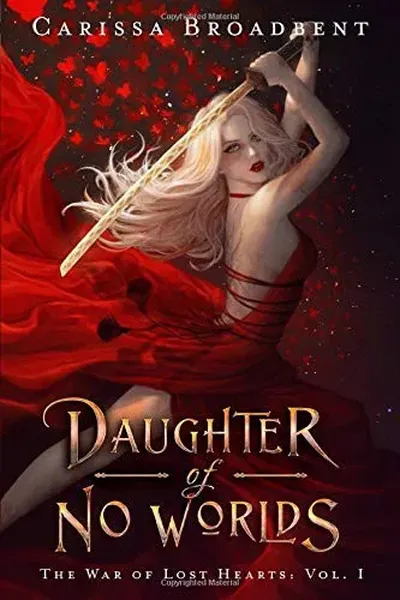





More Free Magic & Ritual Books
View all →