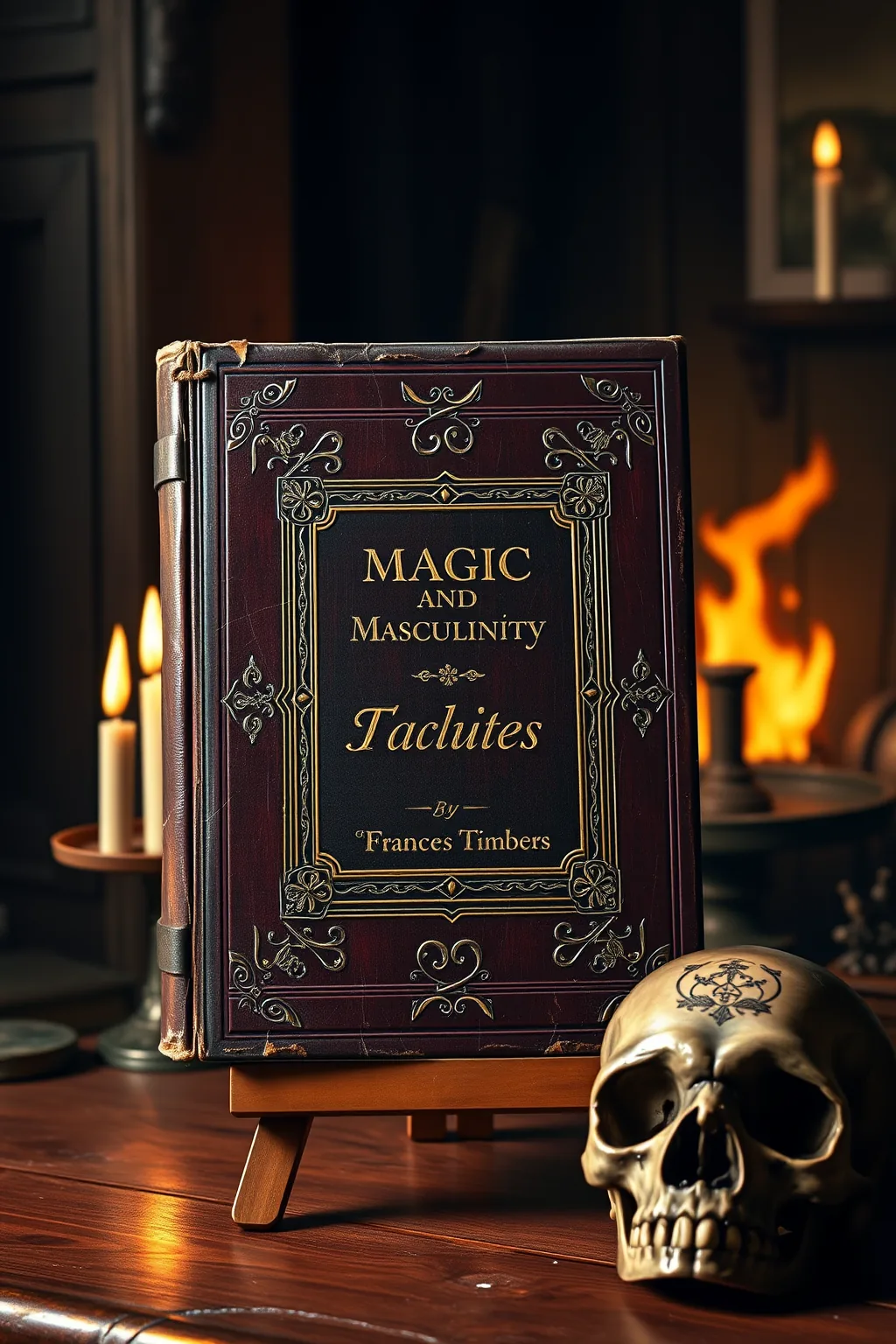
Magic and Masculinity
 80
80

Magic and Masculinity
Frances Timbers' "Magic and Masculinity" offers a compelling academic lens on a subject rarely addressed with such directness. The work's strength lies in its rigorous deconstruction of how esoteric systems have historically provided, and continue to provide, a symbolic language for articulating and negotiating male identity. Timbers' analysis of the "magical man" archetype, drawing from disparate traditions, is particularly insightful. However, the book occasionally falters by assuming a deep familiarity with occult lore, which might alienate readers less versed in the subject. A notable passage discusses the influence of early 20th-century occult revival figures on the conceptualization of masculine power. Overall, it's a valuable, albeit specialized, contribution to the study of gender and the occult.
📝 Description
80
Frances Timbers' 2020 book, Magic and Masculinity, examines how esoteric practices shape male identity.
Frances Timbers' Magic and Masculinity, published in 2020, analyzes the relationship between esoteric traditions and the formation of male identity. The book moves beyond viewing magic as merely a historical artifact or a set of techniques. Instead, it investigates magic's function as a framework for personal growth and for understanding the societal pressures men face. Timbers situates magical thinking within broader philosophical and psychological discussions of the self.
This work is aimed at scholars of esotericism, cultural historians, and those studying gender. Readers should have some familiarity with occult traditions. The book will interest those curious about how symbolic systems and rituals have historically defined manhood and continue to do so. It is an analytical text, not a practical guide to magic.
Magic and Masculinity emerged during a period of renewed academic and popular interest in esoteric subjects in the early 21st century. This era saw increased scrutiny of gender roles, making Timbers' work relevant to both occult studies and critical gender theory. The book situates itself within a growing discourse on the social construction of masculinity and the fluidity of gender, a context where fields like the history of magic gained academic traction. It examines how contemporary esoteric circles reinterpret magical practices.
💡 Why Read This Book?
• Understand how historical magical traditions provided frameworks for male identity construction, as detailed in the examination of early 20th-century occult revival figures. • Gain insight into the symbolic language of masculinity within esoteric practices, moving beyond superficial interpretations of ritual and archetype. • Explore the academic discourse surrounding gender and esotericism, offering a critical perspective distinct from popular occult literature.
⭐ Reader Reviews
Honest opinions from readers who have explored this book.
❓ Frequently Asked Questions
What is the primary focus of Frances Timbers' Magic and Masculinity?
The book primarily focuses on how magical traditions and esoteric practices have historically shaped, and continue to influence, the concept and performance of masculinity, particularly in the early 21st century.
Is Magic and Masculinity a practical guide to magic?
No, it is an academic and analytical text. It examines the philosophical and cultural aspects of magic in relation to masculinity, rather than providing instructions for magical practice.
What historical period does the book cover regarding masculinity and magic?
While exploring historical underpinnings, the book places significant emphasis on the early 21st century, a period of renewed interest in esoteric subjects and evolving gender discourse.
Who would benefit most from reading Magic and Masculinity?
Scholars of esotericism, cultural historians, gender studies researchers, and those interested in the intersection of occultism and identity formation will find this work particularly relevant.
Does the book discuss specific magical traditions?
Yes, the work draws upon and analyzes concepts from various esoteric traditions to illustrate its points about masculinity and magical thought.
What is the publication year of Magic and Masculinity?
Magic and Masculinity by Frances Timbers was first published in 2020.
🔮 Key Themes & Symbolism
Archetypal Masculinity in Esotericism
This theme investigates how figures and narratives within occult traditions, such as the magician or the initiate, have served as symbolic templates for understanding masculinity. Timbers examines how these archetypes offer pathways for men to conceptualize power, agency, and self-transformation. The work explores the psychological resonance of these figures, proposing that their symbolic weight extends beyond mere historical context into modern esoteric practice and identity construction.
The Social Construction of Male Identity
Magic and Masculinity critically assesses how societal expectations and norms surrounding manhood are reflected and, at times, challenged by esoteric belief systems. The book analyzes how magical frameworks can either reinforce or subvert conventional notions of gender roles. It considers the historical evolution of these concepts, particularly within the early 21st century, where discussions around gender fluidity gained prominence.
Ritual and Self-Transformation
The role of ritual within esoteric practices is explored as a mechanism for personal change and the embodiment of particular masculine ideals. Timbers looks at how the structured nature of magical rites can provide a space for men to explore different facets of their identity. This includes examining the psychological impact of engaging with symbolic actions and the potential for ritual to facilitate a deeper understanding of self.
Esotericism and Contemporary Discourse
This theme positions Magic and Masculinity within the broader academic and cultural conversations of the early 2020s. It highlights how esoteric thought, often relegated to the fringes, offers valuable perspectives on enduring human concerns like identity, power, and self-definition. The book argues for the relevance of studying occult traditions not just as historical curiosities, but as active contributors to ongoing philosophical debates.
💬 Memorable Quotes
Direct passages from the work, attributed to the author.
“The archetype of the magician provides a model for self-mastery.”
— This interpretation suggests that the symbolic figure of the magician, prevalent in many occult systems, serves as an aspirational figure representing control over oneself and one's environment, offering a framework for masculine development.
“The early 21st century saw a confluence of esoteric revival and critical gender studies.”
— This statement frames the book's context, indicating that its publication in 2020 occurred during a period where both interest in occult subjects and academic examination of gender roles were significantly active and intersecting.
“Masculinity is not a fixed biological state but a culturally and symbolically constructed identity.”
— This interpretation underscores the book's theoretical stance, emphasizing that the concept of masculinity is fluid and shaped by social influences and symbolic systems, including those found within esoteric traditions.
💡 Key Ideas
Editorial paraphrase of the work's core concepts — not direct quotes.
Magical systems offer a symbolic language for articulating power and agency.
This paraphrased concept highlights how esoteric traditions provide a lexicon and set of metaphors through which concepts of personal strength, control, and influence can be expressed and understood, particularly in relation to male identity.
Ritualistic practice can facilitate the exploration of non-normative identities.
This paraphrased concept points to the potential for structured magical practices to create a safe space for individuals, particularly men, to experiment with and express aspects of their identity that may fall outside conventional societal expectations.
🌙 Esoteric Significance
Tradition
The work sits within the academic study of Western Esotericism, particularly focusing on its intersection with social and gender theory. It departs from traditional occult scholarship by applying critical gender analysis to magical practices, rather than solely focusing on historical lineages or ritual efficacy. It engages with the broader Hermetic, Gnostic, and alchemical symbolic landscapes as sources for understanding masculine archetypes.
Symbolism
Key symbols explored include the archetype of the Magician, representing agency and self-mastery, and the concept of the 'inner prince' or 'king' often found in initiatory structures, signifying potential and developed authority. The process of alchemical transformation is also frequently referenced as a metaphor for personal growth and the forging of a potent masculine identity.
Modern Relevance
Contemporary thinkers in fields like men's psychology and the study of modern paganism and occultism draw on Timbers' analysis. The work is relevant to discussions about reclaiming agency, understanding archetypal influences in personal development, and critically examining the role of symbolism in shaping identity in a rapidly changing social landscape.
👥 Who Should Read This Book
• Academic researchers in gender studies and the history of esotericism seeking to understand the symbolic construction of masculinity within occult traditions. • Individuals interested in the philosophical underpinnings of magical systems and their application to identity formation, beyond practical occultism. • Cultural historians analyzing the evolution of gender roles and societal expectations in the early 21st century through the lens of esoteric thought.
📜 Historical Context
Frances Timbers' "Magic and Masculinity" arrived in 2020, a period marked by a burgeoning academic interest in the history of magic and a concurrent, robust discourse on gender studies. The early 21st century saw esoteric subjects move from the periphery into more mainstream academic discussions, often analyzed through the lenses of cultural history and anthropology. This era also featured a significant societal re-evaluation of traditional masculinity. Timbers' work engaged with these currents, offering a specific lens on how magical systems provided symbolic frameworks for male identity. It emerged in contrast to purely historical or practical occult texts, positioning itself within critical theory. While specific reception events like bans or major awards for this particular work are not widely documented, its publication contributed to the growing body of scholarship that examined identity construction through esoteric frameworks, a field increasingly populated by scholars like Joseph P. Laycock and Tanya Luhrmann, who were actively engaging with similar themes.
📔 Journal Prompts
The symbolic role of the Magician archetype in constructing male identity.
Reflect on how esoteric traditions might offer alternative models of masculinity.
Analyze the relationship between ritual practice and personal transformation for men.
Consider the societal expectations of masculinity examined in the early 21st century.
Explore the concept of 'magical masculinity' as a symbolic construct.
🗂️ Glossary
Esotericism
Systems of thought and practice, often characterized by initiation and secrecy, that focus on inner, spiritual development and hidden knowledge, as distinct from exoteric or public religions.
Archetype
A universal, archaic symbol or motif that derives its meaning from the myths of a culture or from the collective unconscious, often appearing in dreams, myths, and literature.
Initiation
A ritual or process through which an individual is formally admitted into a group, society, or religious order, often involving symbolic death and rebirth or the reception of sacred knowledge.
Symbolic Construction
The process by which identity, meaning, or social roles are formed and understood through the use of symbols, narratives, and cultural representations.
Occult Revival
Periods in history, particularly the late 19th and early 20th centuries, marked by a surge of interest in and practice of magical, spiritualist, and esoteric traditions.
Gender Studies
An interdisciplinary academic field devoted to the study of gender identity and gender expression, and the social and cultural constructions of gender.
Hermeticism
A religious, philosophical, and esoteric tradition based on writings attributed to Hermes Trismegistus, emphasizing principles like 'as above, so below' and the interconnectedness of all things.
🔮 Readers Also Liked
Browse all →






More by Frances Timbers
All books →
More Free Magic & Ritual Books
View all →