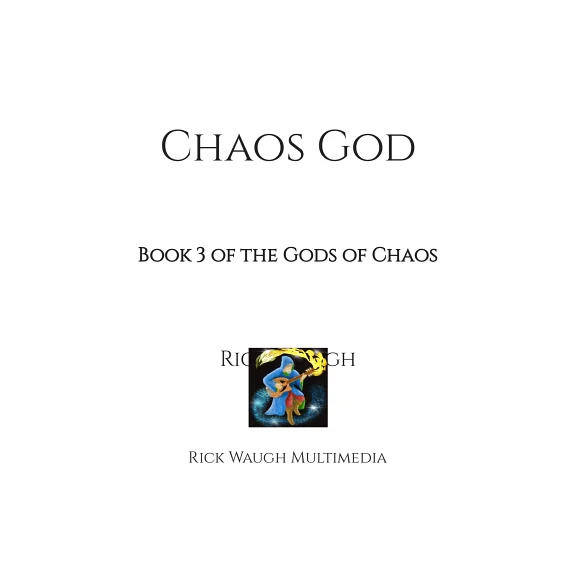
Chaos God
 82
82

Chaos God
Rick Waugh’s Chaos God presents a refreshingly pragmatic view of fantasy archetypes, beginning not with a grand prophecy but a missing villain. The narrative’s strength lies in the dynamic between Cantor and Robin, whose partnership feels earned rather than preordained. Their life as thieving minstrels offers a grounded counterpoint to the magical elements. A particularly striking passage involves Robin’s internal conflict as her dragonish tendencies surface, a visceral portrayal of identity wrestling with control. However, the plot’s momentum occasionally falters under the weight of its own intricate world-building, leaving some character motivations feeling slightly underdeveloped in the initial chapters. Despite this, Chaos God succeeds in its ambition to explore the chaotic interplay between destiny and personal choice.
📝 Description
82
Rick Waugh's 2025 novel, Chaos God, begins with minstrels turned thieves tasked with finding a kidnapped Dark Lord.
Chaos God follows Cantor and Robin, a pair of minstrels who resort to thievery to survive. Their unusual quest to locate a kidnapped Dark Lord subverts common fantasy narratives. The story examines reluctant heroism and the moral compromises characters make to survive in a world filled with magic and arcane powers.
This book appeals to readers who like character-focused fantasy that questions genre norms. It is especially suited for those interested in how characters develop when facing new abilities or duties, such as Robin's fight with her dragon shifter instincts. The plot moves beyond simple good versus evil, showing the complicated lives of those living on society's edges.
Waugh's 2025 publication arrives at a time when authors often rework established fantasy ideas. The novel reflects a postmodern style that challenges reader expectations. It engages with fantasy literature's shift from grand quests to closer character studies, influenced by earlier literary critiques and advances.
Published in 2025, Chaos God positions itself within a tradition of fantasy that questions inherited mythologies and archetypes. The narrative's focus on a kidnapped Dark Lord, rather than a heroic protagonist, suggests a subversion of traditional cosmic order narratives. Robin's dragon shifter nature represents a primal, chaotic force that conflicts with her adopted identity, touching on themes of innate power versus self-determination common in occult and magical literature. The story examines the complexities of good and evil, moving away from dualistic frameworks towards a more fluid understanding of spiritual and moral forces.
💡 Why Read This Book?
• Gain insight into the complexities of identity through Robin’s struggle with her dragon shifter nature, a core theme explored in the novel’s exploration of innate versus chosen self. • Understand the subversion of traditional fantasy roles by examining the plot catalyst of the Dark Lord’s kidnapping, a scenario that challenges established heroic narratives. • Appreciate the nuanced portrayal of relationships tested by circumstance, as seen in the developing bond between Cantor and Robin, which is central to the story's progression.
⭐ Reader Reviews
Honest opinions from readers who have explored this book.
❓ Frequently Asked Questions
What is the primary genre of Chaos God by Rick Waugh?
Chaos God is primarily a fantasy novel, but it incorporates elements of adventure and character study, subverting typical genre expectations with its narrative focus.
Who are the main protagonists in Chaos God?
The main protagonists are Cantor and Robin, a duo who work as minstrels and engage in thievery, facing unique challenges due to their developing relationship and Robin's emerging dragon shifter abilities.
What is the central mystery that drives the plot?
The central mystery revolves around the kidnapping of the Dark Lord and the reasons why Cantor and Robin are compelled to find him, setting the narrative's core conflict in motion.
When was Chaos God first published?
Chaos God was first published on January 25, 2025.
Does Chaos God feature magical elements or creatures?
Yes, the book features magical elements, notably Robin's nature as a dragon shifter, which introduces significant internal and external conflicts for her character.
What kind of tone does the book adopt?
The book adopts a tone that is both pragmatic and exploratory, delving into character psychology and challenging fantasy conventions rather than relying on straightforward heroic narratives.
🔮 Key Themes & Symbolism
Primal Identity vs. Control
Robin's struggle with her dragon shifter instincts is a central theme, exploring the tension between inherent, primal nature and the desire for control and self-definition. This internal conflict manifests as her 'dragonish tendencies creeping to the fore,' suggesting a powerful, untamed force within her that challenges her chosen path as a minstrel and thief. The narrative uses this to examine how individuals cope with aspects of themselves that are difficult to integrate or understand, particularly when these aspects are potent and potentially destructive.
Subversion of Archetypes
The novel actively plays with and subverts traditional fantasy roles. Instead of a noble hero, readers are presented with Cantor and Robin, minstrels and occasional thieves. The kidnapping of the Dark Lord, rather than a clear evil to be vanquished, becomes a problem to be solved, prompting unusual alliances and motivations. This approach challenges the reader's expectations of the genre, suggesting that power and villainy are not always clearly defined and that protagonists can emerge from unexpected circumstances.
Reluctant Heroism and Choice
Chaos God examines the concept of heroism through characters who are thrust into extraordinary circumstances without necessarily seeking them out. Cantor and Robin's involvement in finding the Dark Lord is not driven by altruism alone but by a complex interplay of circumstance and personal stakes. The narrative questions the nature of choice when faced with compelling external forces, exploring how individuals make decisions and adapt to roles they did not anticipate, particularly when their feelings and loyalties are tested.
Developing Relationships Under Pressure
The burgeoning relationship between Cantor and Robin forms a crucial undercurrent to the plot. Their connection, ignited by 'feelings that exploded between them in a searing kiss,' is tested by their precarious lifestyle and the dangerous quest they undertake. The book explores how shared experiences, especially those involving risk and vulnerability, can forge or strain bonds between individuals. This focus on interpersonal dynamics adds a layer of emotional depth to the fantastical elements.
💬 Memorable Quotes
Direct passages from the work, attributed to the author.
“Robin’s still not sure about being a thief, or a dragon shifter — her dragonish tendencies are creeping to the fore.”
— This statement captures Robin's internal conflict. It highlights her uncertainty about her chosen path and her innate nature, suggesting a battle between her conscious decisions and her primal, perhaps uncontrollable, dragon instincts.
“Cantor wants only one thing, to embrace the feelings that exploded between them in a searing kiss in the aftermath of”
— This excerpt points to the developing romantic tension between Cantor and Robin. It emphasizes Cantor's desire to acknowledge and act upon the intense emotions that have surfaced, suggesting a significant turning point in their relationship amidst chaos.
“Who kidnapped the Dark Lord? And why should Cantor and Robin go find him?”
— This question sets up the central mystery of the book. It immediately presents an unusual premise, reversing typical fantasy narratives and establishing the immediate stakes and the unconventional nature of the protagonists' involvement.
“Cantor and Robin have…sort of…settled into their life together, working as minstrels, and occasionally stealing expensive items from the undeserving.”
— This phrase defines the protagonists' current, somewhat precarious, lifestyle. It paints a picture of their unconventional partnership, blending artistic performance with illicit activities, suggesting a life lived on the edge of societal norms.
“However, things aren’t smooth or simple.”
— This short sentence effectively signals that the protagonists' lives, despite any perceived settling, are fraught with complications. It prepares the reader for ensuing challenges and the intricate plot developments to come.
🌙 Esoteric Significance
Tradition
While the blurb for Chaos God doesn't explicitly align it with a specific esoteric tradition like Hermeticism or Gnosticism, its themes of internal conflict and shifting identity, particularly Robin's dragon shifter nature, resonate with certain occult concepts. The idea of confronting and integrating one's shadow self or primal energies is a recurring motif in various mystical paths, including some branches of Western esotericism. The narrative's departure from clear-cut morality might also suggest an engagement with concepts that question dualistic thinking, a hallmark of some Gnostic and Neo-Platonic philosophies.
Symbolism
Robin’s dragon shifter nature serves as a potent symbol of untamed power, primal instinct, and the potential for both destruction and immense strength. The dragon, across many mythologies, represents elemental forces, ancient wisdom, and sometimes chaos itself. Cantor's desire to 'embrace the feelings that exploded between them' can symbolize the acknowledgment and integration of passionate, perhaps volatile, energies within a relationship, moving beyond mere companionship to a deeper, more intense connection. The kidnapping of the Dark Lord could symbolize the disruption of established order, forcing a confrontation with hidden or suppressed aspects of power.
Modern Relevance
Contemporary fantasy literature and occult discourse often explore themes of identity, self-mastery, and the integration of perceived 'dark' aspects of the self. Thinkers and practitioners interested in Jungian psychology, particularly concepts like the shadow, will find resonance in Robin's internal struggles. Furthermore, the novel's questioning of archetypal roles and its focus on character-driven narratives align with modern trends in speculative fiction that prioritize psychological depth and thematic exploration over traditional plot structures, making it relevant for readers engaging with contemporary narrative theory and practice.
👥 Who Should Read This Book
• Readers interested in character-driven fantasy narratives that subvert traditional archetypes, particularly those who enjoy exploring complex internal conflicts and morally ambiguous situations. • Individuals fascinated by themes of identity and transformation, especially those drawn to explorations of innate power clashing with conscious choice, as exemplified by Robin's dragon shifter journey. • Fans of unconventional quest narratives that begin with peculiar circumstances, such as the kidnapping of a Dark Lord, and focus on the development of relationships under duress.
📜 Historical Context
Published in 2025, Rick Waugh's Chaos God arrives in a literary landscape increasingly defined by the deconstruction and reinterpretation of established genres. The late 20th and early 21st centuries saw a surge in meta-fictional approaches and a critical examination of fantasy tropes, a trend Waugh’s work actively engages with. Unlike the more straightforward epic fantasies that dominated earlier decades, such as those inspired by Tolkien's foundational works, Chaos God appears to focus on the nuanced psychological states of its characters and the moral ambiguities of their actions. The narrative’s structure, which begins with a central figure's disappearance rather than a call to adventure, reflects a move towards more character-centric storytelling. This approach aligns with contemporary literary critiques that value depth and complexity over simple narrative arcs, positioning the book within a modern dialogue about what fantasy can and should explore.
📔 Journal Prompts
Robin's dragonish tendencies: Explore the tension between primal instinct and chosen life.
The kidnapping of the Dark Lord: Reflect on the subversion of typical fantasy plot drivers.
Cantor's desire to embrace feelings: Analyze the role of intense emotional connection in difficult circumstances.
Life as minstrels and thieves: Consider the moral complexities of survival on the fringes.
The concept of 'settling into life': Examine the illusion of stability in dynamic relationships.
🗂️ Glossary
Dragon Shifter
An individual possessing the innate ability to transform into, or exhibit traits of, a dragon. This often implies a connection to primal power and inherent conflict between their human and draconic aspects.
Minstrel
A medieval or Renaissance musician, singer, or poet, often associated with traveling and performing for entertainment. In this context, it suggests a profession that requires performance skills and potentially a nomadic lifestyle.
Dark Lord
A common antagonist figure in fantasy literature, typically representing ultimate evil or a significant oppressive force. The premise of this book involves the unusual situation of such a figure being kidnapped.
Dragonish Tendencies
Behaviors, urges, or characteristics associated with a dragon, which are manifesting in a character (Robin) who is a dragon shifter. This implies a struggle to control or understand these powerful, innate impulses.
Searing Kiss
A metaphor for an intensely passionate and emotionally charged kiss. It signifies a moment of profound connection or revelation between characters, often occurring during or after a high-stakes event.
Undeserving
In the context of stealing, this term implies that the targets of Cantor and Robin's thievery are morally culpable or ostentatiously wealthy, providing a justification (however thin) for their illicit actions.
Feelings
Refers to the emotional states and burgeoning romantic or deep personal connection developing between Cantor and Robin, which are becoming increasingly significant and difficult to ignore.
This book appears in 1 collection
🔮 Readers Also Liked
Browse all →








From the “Chaos Magic” Collection
View all →







More Free Magic & Ritual Books
View all →