Acupuncture
 75
75

Acupuncture
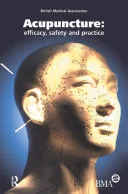
The British Medical Association's "Acupuncture" offers a sober, evidence-based assessment rather than a celebration of the practice. It highlights the crucial tension between patient demand for alternatives and the medical establishment's need for rigorous validation. A notable strength is its examination of training standards, a vital but often overlooked aspect of CAM. The book points to the early 2020s as a period where such scrutiny became paramount, particularly concerning patient safety. However, its detailed focus on the 'how' and 'why' of regulation sometimes overshadows the 'what' of acupuncture itself, leaving those purely seeking an understanding of its energetic principles wanting. The work's meticulousness in dissecting GP attitudes towards acupuncture is particularly insightful. Ultimately, it serves as a critical, if somewhat dry, evaluation of a practice caught between tradition and modern scientific expectation.
📝 Description
75
Published after 2020, this BMA book questions acupuncture's scientific basis and practitioner standards.
This British Medical Association publication scrutinizes acupuncture, examining its scientific validity and the competence of its practitioners. The book acknowledges a rise in patient interest in complementary and alternative medicine (CAM), often driven by concerns over conventional drug side-effects. It addresses patients looking for alternatives to standard medical care and healthcare professionals, such as GPs, who need to understand acupuncture's place in patient treatment. The quality of education and training for acupuncture specialists is a central concern.
The work considers acupuncture's ancient origins against the backdrop of recent scrutiny of CAM for scientific evidence. It discusses safety measures and the formalization of specialist training. This contrasts with the mid-20th century, when acupuncture first drew attention in the West, often met with mixed reactions. The core of the inquiry focuses on scientific effectiveness, patient safety, and practitioner skill. The text looks at incorporating acupuncture into mainstream medicine, noting the stance of established bodies like the BMA, and investigates regulation, educational standards, and the evidence supporting therapeutic claims.
While acupuncture's roots are ancient and embedded in traditional Chinese medicine, this book approaches it from a modern, evidence-based perspective. It steps away from purely traditional interpretations to evaluate the practice against contemporary scientific and medical standards. The text engages with how a Western medical institution views a practice long considered esoteric, focusing on its integration into conventional healthcare systems rather than its philosophical underpinnings.
💡 Why Read This Book?
• Learn about the scientific validation sought for acupuncture, as detailed in the book's discussion of efficacy post-2020, offering a critical perspective beyond anecdotal evidence. • Understand the rigorous training and competency standards examined by the British Medical Association, providing insight into practitioner quality assurance specific to this text. • Discover the attitudes of General Practitioners towards acupuncture, as investigated in the book, offering a unique view on CAM integration from the perspective of orthodox medicine.
⭐ Reader Reviews
Honest opinions from readers who have explored this book.
❓ Frequently Asked Questions
What is the primary focus of the British Medical Association's "Acupuncture"?
The book primarily investigates the scientific basis and efficacy of acupuncture, alongside the quality of training and competence standards among its practitioners, especially in the context of rising patient interest in CAM.
When was "Acupuncture" by the British Medical Association first published?
The book "Acupuncture" by the British Medical Association was first published on September 23, 2020.
Does this book discuss the safety of acupuncture?
Yes, the book explicitly discusses important issues of safety concerning acupuncture practices and the education of its specialists.
What are the concerns driving patient interest in acupuncture discussed in the book?
Patients are increasingly asking about alternatives like acupuncture due to fears of side-effects from conventional drug therapies, a trend the book addresses.
Does the book explore the views of conventional doctors on acupuncture?
Yes, the work investigates General Practitioners' attitudes towards acupuncture and the extent to which they engage with or understand the practice.
What is the book's stance on the quality of acupuncture training?
A significant focus of the book is the quality of training and the standards of competence expected from acupuncture practitioners.
🔮 Key Themes & Symbolism
Scientific Efficacy Scrutiny
This work critically examines the scientific basis and demonstrable efficacy of acupuncture, moving beyond traditional claims to assess its effectiveness through empirical evidence. It addresses the contemporary demand for validated CAM treatments, particularly in light of concerns surrounding orthodox medicine's side effects. The book investigates how acupuncture's therapeutic value is perceived and measured in the early 2020s, contrasting anecdotal reports with the need for robust clinical data.
Practitioner Competence & Training
A core theme is the rigorous evaluation of training standards and competence among acupuncture practitioners. The British Medical Association's investigation studies the educational pathways and qualifications required for specialists, aiming to assure patients and the medical community of safe and effective practice. This focus reflects a broader trend towards professionalizing alternative therapies and ensuring accountability in their application.
Patient Demand for Alternatives
The book recognizes the significant and growing patient interest in complementary and alternative medicine (CAM) as viable options to conventional treatments. It highlights patient concerns regarding the side-effects of potent traditional drug therapies as a primary driver for seeking modalities like acupuncture. This theme explores the dynamic between patient autonomy and the medical establishment's response to alternative care.
Integration into Orthodox Medicine
This theme explores the complex relationship between acupuncture and established medical practices. It investigates the attitudes of General Practitioners (GPs) towards acupuncture and the extent to which it is considered or integrated within mainstream healthcare systems. The work addresses the challenges and opportunities in bridging the gap between traditional healing practices and evidence-based Western medicine.
💬 Memorable Quotes
Direct passages from the work, attributed to the author.
“Patients are increasingly asking about CAM alternatives to orthodox medical practices...”
— This highlights an important shift in patient healthcare seeking behavior, driven by a desire for less invasive or side-effect-laden treatments compared to potent pharmaceuticals available in the early 2020s.
“...as they fear the side-effects of ever more potent traditional drug therapy.”
— This statement underscores the specific anxieties patients experience with modern medicine, positioning acupuncture and other CAM as potential refuges from pharmaceutical risks.
“The book discusses the important issues of safety and the education and training of acupuncture specialists.”
— This points to the critical focus on regulatory and quality control aspects of acupuncture, emphasizing that patient well-being is contingent on well-trained and competent practitioners.
“In addition the book investigates GP's attitudes to acupuncture...”
— This indicates a specific methodological approach to understanding acupuncture's place in healthcare, by examining the perspective of conventional medical practitioners.
“...and the extent t [of GP engagement/understanding].”
— This incomplete but suggestive phrase implies the book measures the degree to which GPs are informed about, accept, or utilize acupuncture within their practice.
🌙 Esoteric Significance
Tradition
While acupuncture's origins are deeply rooted in Traditional Chinese Medicine (TCM), which possesses its own complex philosophical and energetic frameworks, this BMA publication approaches it from a Western scientific and medical perspective. It does not engage with the esoteric lineages of TCM directly but rather assesses its practices against empirical standards. Its significance lies in how it bridges or attempts to bridge these disparate worlds: the ancient energetic system of TCM and the evidence-based methodology of modern Western medicine.
Symbolism
The core symbolism in acupuncture lies in its energetic map of the body, particularly the concept of Qi (vital energy) flowing through meridians. Needles are inserted at specific points (acupoints) to regulate this flow, addressing imbalances represented by symptoms. The book likely examines the physiological correlates or lack thereof for these energetic concepts, deconstructing the symbolic language of Qi and meridians into testable hypotheses within a scientific paradigm.
Modern Relevance
Contemporary thinkers and practices often draw on acupuncture's integration into Western healthcare. This includes fields like integrative medicine, pain management clinics, and patient advocacy groups seeking evidence-based CAM options. Modern research continues to explore acupuncture's neurological and physiological effects, attempting to reconcile TCM's energetic models with Western neurobiology and immunology, a dialogue this BMA work contributes to through its critical lens.
👥 Who Should Read This Book
["• Healthcare professionals (doctors, nurses) seeking a critical, evidence-based overview of acupuncture's efficacy and safety to inform patient consultations.", '• Patients curious about acupuncture as a CAM alternative, who want to understand the scientific perspective and regulatory landscape beyond anecdotal claims.', '• Researchers and policymakers evaluating complementary and alternative medicine, needing insight into the standards and scientific scrutiny applied to practices like acupuncture.']
📜 Historical Context
Published in 2020, the British Medical Association's "Acupuncture" emerges during a period of intense scrutiny for complementary and alternative medicine (CAM). The mid-20th century saw acupuncture's initial, often sensationalized, introduction to the West, sparking debates that continue today. Unlike the uncritical acceptance or outright dismissal of earlier eras, this work appears in a climate demanding evidence-based validation. It reflects a growing professionalization within CAM, pushing for standardized training and demonstrable efficacy, a stark contrast to the more artisanal or traditional approaches prevalent before the 1980s. Key contemporaries in this critical evaluation of CAM include researchers publishing in journals like the *Skeptical Inquirer* and bodies like the UK's National Institute for Health and Care Excellence (NICE), which often issue cautious guidelines on CAM. The BMA's publication signifies a formal institutional engagement with the topic, aiming to provide a balanced perspective amidst public interest and medical skepticism.
📔 Journal Prompts
Acupuncture's scientific basis versus patient fears regarding drug side-effects: what are the primary tensions?
The quality of training and competence standards for acupuncture specialists: how are they assessed?
GP attitudes towards acupuncture: what factors influence their perception of this CAM modality?
Efficacy of acupuncture: what specific evidence does the British Medical Association's work examine?
The role of safety in the discussion of acupuncture's integration into orthodox medicine.
🗂️ Glossary
CAM
Stands for Complementary and Alternative Medicine. It refers to health treatments used alongside conventional medicine (complementary) or instead of conventional medicine (alternative).
Efficacy
The ability of an intervention (like acupuncture) to produce a desired or intended result under ideal or controlled circumstances, typically assessed through scientific studies.
Orthodox Medical Practices
Refers to conventional, mainstream Western medicine, which is typically based on scientific evidence, clinical trials, and established medical training.
Traditional Drug Therapy
The use of pharmaceutical medications developed and prescribed within the framework of conventional Western medicine.
Practitioner Competence
The ability of a healthcare provider to perform their duties safely and effectively, based on their knowledge, skills, and professional behavior.
General Practitioners (GPs)
Doctors who provide primary care services in the community, acting as the first point of contact for patients within the healthcare system.
Side-effects
Unintended or adverse reactions that can occur from taking medication or undergoing medical treatments.