Chakras
 82
82

Chakras
Patricia Mercier's "Chakras" tackles a subject often shrouded in mystical jargon, attempting to render the energetic anatomy of the body accessible. The book's strength lies in its clear, illustrated presentation of the seven major chakras and numerous minor ones, alongside the pathways that link them. Mercier wisely includes practical advice and guided imagery, a particularly effective element for beginners grappling with the abstract nature of energy work. However, the original 2000 publication sometimes betrays its era, with certain descriptive passages feeling slightly dated in their approach to Eastern philosophy for a Western audience. The FIT review's observation about the "Huh" factor rings true; some concepts require a leap of faith or a willingness to suspend disbelief. Despite this, the book offers tangible techniques for self-awareness and potential energetic recalibration. "Chakras" serves as a serviceable introduction, particularly for those new to the topic seeking a structured approach.
📝 Description
82
Patricia Mercier's "Chakras", published in 2000, details seven major and twenty-one minor energy centers.
Patricia Mercier's "Chakras" from 2000 details the seven major and twenty-one minor energy centers, along with their connecting pathways. The book functions as a guide for understanding and revitalizing these internal systems. Mercier aims to make ancient chakra concepts accessible to a modern audience, combining practical techniques with theoretical background. The work is suitable for both experienced practitioners and newcomers to esoteric studies. Mercier's presentation allows readers, regardless of their background, to understand and apply Eastern spiritual and medicinal theories. It is particularly helpful for those managing stress, seeking self-awareness, or addressing energetic imbalances, with advice that touches upon physical health and mental clarity.
The book draws from ancient Indian traditions, including Tantra and Yoga, with roots extending over 1500 years. Mercier connects chakra theory to mind-body medicine and spiritual development, distinguishing it from purely materialistic or Western biomedical views. It acts as a link between ancient yogic sciences and contemporary wellness practices.
Chakra theory originates from ancient Indian traditions, particularly Tantra and Yoga, with historical roots exceeding 1500 years. Mercier's book engages with these philosophies, translating them for contemporary Western readers. It places chakra concepts within the broader fields of mind-body medicine and spiritual development, contrasting them with materialistic or purely biomedical perspectives. The work bridges ancient yogic sciences and modern wellness approaches.
💡 Why Read This Book?
• Learn to identify and understand the specific functions of the seven major chakras, such as the Root chakra (Muladhara) and Crown chakra (Sahasrara), and their direct impact on your physical and emotional state, moving beyond generic wellness advice. • Acquire practical guided imagery techniques and affirmations directly from Mercier's instruction, offering concrete tools for self-healing and energetic balancing that you can implement immediately. • Gain an appreciation for the historical roots of chakra theory, understanding its place within ancient Indian traditions and how it differs from contemporary Western medical models, providing a unique intellectual framework.
⭐ Reader Reviews
Honest opinions from readers who have explored this book.
❓ Frequently Asked Questions
What are the seven major chakras discussed in Patricia Mercier's book?
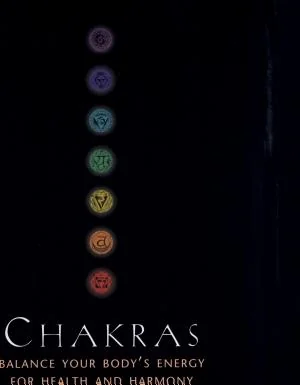
Patricia Mercier's "Chakras" details the seven primary energy centers: Muladhara (Root), Svadhisthana (Sacral), Manipura (Solar Plexus), Anahata (Heart), Vishuddha (Throat), Ajna (Third Eye), and Sahasrara (Crown). Each is linked to specific physical and emotional functions.
Can someone with no prior knowledge of Eastern philosophy understand this book?
Yes, the book is designed for accessibility. As noted in a FIT review, it translates complex Eastern theories into understandable concepts for Western readers, offering practical health advice and imagery techniques.
What kind of exercises does "Chakras" by Patricia Mercier offer?
The book provides invigorating guided imagery techniques and affirmations aimed at revitalizing the chakras. It also explains the connecting pathways and how to bring them into balance.
When was Patricia Mercier's "Chakras" first published?
Patricia Mercier's "Chakras" was first published in the year 2000, making it a contemporary guide to ancient energetic concepts.
Does the book cover minor chakras in addition to the major ones?
Yes, "Chakras" provides instruction not only on the seven major chakras but also on twenty-one minor ones and the pathways that connect them, offering a more complete energetic map.
What is the primary goal of working with chakras as described in the book?
The primary goal is to revitalize the seven major chakras and connecting pathways, leading to improved physical health, emotional balance, and spiritual awareness, as outlined by Mercier.
🔮 Key Themes & Symbolism
Energetic Anatomy
Mercier's work presents the body as an energetic system, detailing the seven primary chakras (e.g., Manipura, the Solar Plexus) and their associated physical and emotional correlates. It maps out not just these major centers but also twenty-one minor ones and the crucial connecting pathways (nadis), offering a comprehensive blueprint for understanding one's internal energetic landscape. This detailed mapping is essential for identifying imbalances and areas requiring revitalization.
Harmonization Techniques
A significant focus is placed on practical methods for restoring balance to the chakra system. The book offers invigorating guided imagery exercises and affirmations specifically designed to clear blockages and stimulate the energy flow through centers like Vishuddha (Throat). These techniques empower readers to actively participate in their own energetic well-being, moving beyond passive understanding to direct application.
Bridging Traditions
Mercier's "Chakras" serves as a conduit, translating ancient Indian philosophical and medicinal concepts for a contemporary Western audience. It acknowledges the potential skepticism towards Eastern spiritual theories within a secular context (as noted in a FIT review) while providing tangible health advice and spiritual inspiration. This approach bridges the gap between esoteric traditions and modern wellness practices.
Personal Revitalization
The overarching theme is personal growth and revitalization through energetic awareness. By understanding and working with the chakra system, readers are encouraged to achieve greater self-awareness, emotional stability, and a sense of wholeness. The book posits that revitalizing these subtle energy centers can lead to profound improvements in overall quality of life.
💬 Memorable Quotes
Direct passages from the work, attributed to the author.
“illustrated guide provides instruction and inspiration for revitalizing seven major chakras, 21 minor ones, and connecting pathways.”
— This core statement from the original blurb highlights the book's dual purpose: to educate readers on the structure of the energetic body and to motivate them to actively engage in healing and balancing these subtle energy systems.
“For anyone raised in the nonmystical United States, these Eastern medicinal/spiritual theories may be a bit hard to swallow...”
— This observation from FIT acknowledges a potential cultural barrier for Western readers approaching Eastern concepts like chakras, suggesting Mercier's work aims to make these ideas more palatable and understandable.
“Mercier has written a great book...”
— A direct endorsement from the FIT review, this simple statement underscores the positive reception and perceived quality of Mercier's contribution to the subject of chakras.
“For cynics and believers alike.”
— This phrase suggests the book's content and approach are designed to appeal to a wide audience, including those who may be naturally skeptical but open to exploring alternative wellness and spiritual concepts.
💡 Key Ideas
Editorial paraphrase of the work's core concepts — not direct quotes.
...yet the book is still chock-ful of good health advice, invigorating guided imagery techniques and statements that make you stop and say 'Huh.'
This quote from FIT emphasizes the practical value of the book, pointing to actionable health tips and mental exercises that, while perhaps surprising, prompt genuine reflection and engagement with the material.
🌙 Esoteric Significance
Tradition
Mercier's work is rooted in the yogic and Tantric traditions of India, which conceptualize the body as containing subtle energy centers (chakras) and channels (nadis). While these traditions are ancient, Mercier's approach is to synthesize and present them for a contemporary, often Western, audience. It departs from highly technical or purely devotional interpretations found in some classical texts, aiming for a more universally applicable and practical guide to energetic self-awareness and healing.
Symbolism
The book prominently features the symbolism of colors associated with each of the seven major chakras: red for Muladhara (Root), orange for Svadhisthana (Sacral), yellow for Manipura (Solar Plexus), green for Anahata (Heart), blue for Vishuddha (Throat), indigo for Ajna (Third Eye), and violet for Sahasrara (Crown). These colors are not merely aesthetic but represent specific energetic frequencies and qualities believed to influence physical, emotional, and spiritual states.
Modern Relevance
Contemporary wellness practices, yoga studios, and mindfulness movements frequently incorporate chakra concepts, often drawing from simplified interpretations like those found in Mercier's book. Thinkers and practitioners in fields ranging from energy healing and somatic psychology to comparative religion continue to engage with chakra theory as a framework for understanding consciousness and well-being, often blending it with other psychological or spiritual modalities.
👥 Who Should Read This Book
• Individuals exploring mind-body connections for the first time: Those curious about how their thoughts and emotions might manifest physically, seeking practical tools beyond conventional wellness. • Practitioners of yoga or meditation seeking deeper understanding: Readers who have encountered chakra concepts in their practice but desire a more structured explanation of the seven major chakras and their functions. • Skeptics open to alternative perspectives: Anyone interested in Eastern philosophies or energetic healing who appreciates a clear, instructional approach that bridges the gap between esoteric theories and tangible health advice.
📜 Historical Context
Published in 2000, Patricia Mercier's "Chakras" emerged during a period of burgeoning interest in holistic health and New Age spirituality in the West. The late 20th and early 21st centuries saw a surge in popular books and practices derived from Eastern traditions, often adapted for Western consumption. This era was marked by a growing critique of purely materialistic medical models, leading many to explore complementary and alternative medicine (CAM). Mercier's work fits within this intellectual current, drawing on ancient Indian yogic and Tantric philosophies—systems over 1500 years old—and presenting them in an accessible format. While authors like Deepak Chopra were popularizing Ayurvedic principles, Mercier focused specifically on the energetic anatomy of the chakras. The book's reception, as indicated by the FIT review, highlights the ongoing challenge of integrating these deeply spiritual concepts into a predominantly secular and scientifically-oriented culture, acknowledging the "Huh" factor for many readers.
📔 Journal Prompts
Reflect on the energetic qualities of the Manipura (Solar Plexus) chakra and any perceived imbalances in your daily life.
Map the symbolic colors of the seven major chakras and consider how they might relate to your current emotional state.
Consider the concept of revitalizing connecting pathways as presented in Mercier's guide.
How might the 'Huh' factor, as mentioned in the FIT review, relate to your own initial reception of chakra theories?
Identify one guided imagery technique from the book you wish to explore further for personal balance.
🗂️ Glossary
Chakra
From the Sanskrit word for 'wheel,' chakras are conceptualized as energy centers within the subtle body. Mercier focuses on the seven major chakras, each associated with specific physiological functions, emotions, and spiritual qualities.
Muladhara
The Root chakra, typically located at the base of the spine. It is associated with grounding, security, and physical vitality. Mercier likely discusses its role in foundational well-being.
Sahasrara
The Crown chakra, situated at the top of the head. It represents spiritual connection, consciousness, and enlightenment. Mercier's work would explore its function in higher awareness.
Nadis
In yogic traditions, nadis are channels through which vital energy (prana) flows. Mercier discusses these connecting pathways, emphasizing their importance in maintaining the overall energetic balance of the body.
Guided Imagery
A mental technique that involves focusing on a specific mental image or scenario to promote relaxation, healing, or personal growth. Mercier employs this as a key tool for chakra revitalization.
Minor Chakras
Beyond the seven major centers, the body is understood to possess numerous smaller energy points. Mercier's book details twenty-one of these minor chakras, suggesting a more intricate energetic map than commonly presented.
FIT Review
A positive review of the book mentioned in the original blurb, published by FIT (likely a publication related to fitness or wellness), which offered commentary on the book's accessibility and content.
This book appears in 1 collection
🔮 Readers Also Liked
Browse all →








From the “Chakras” Collection
View all →






More Free Occult Philosophy Books
View all →