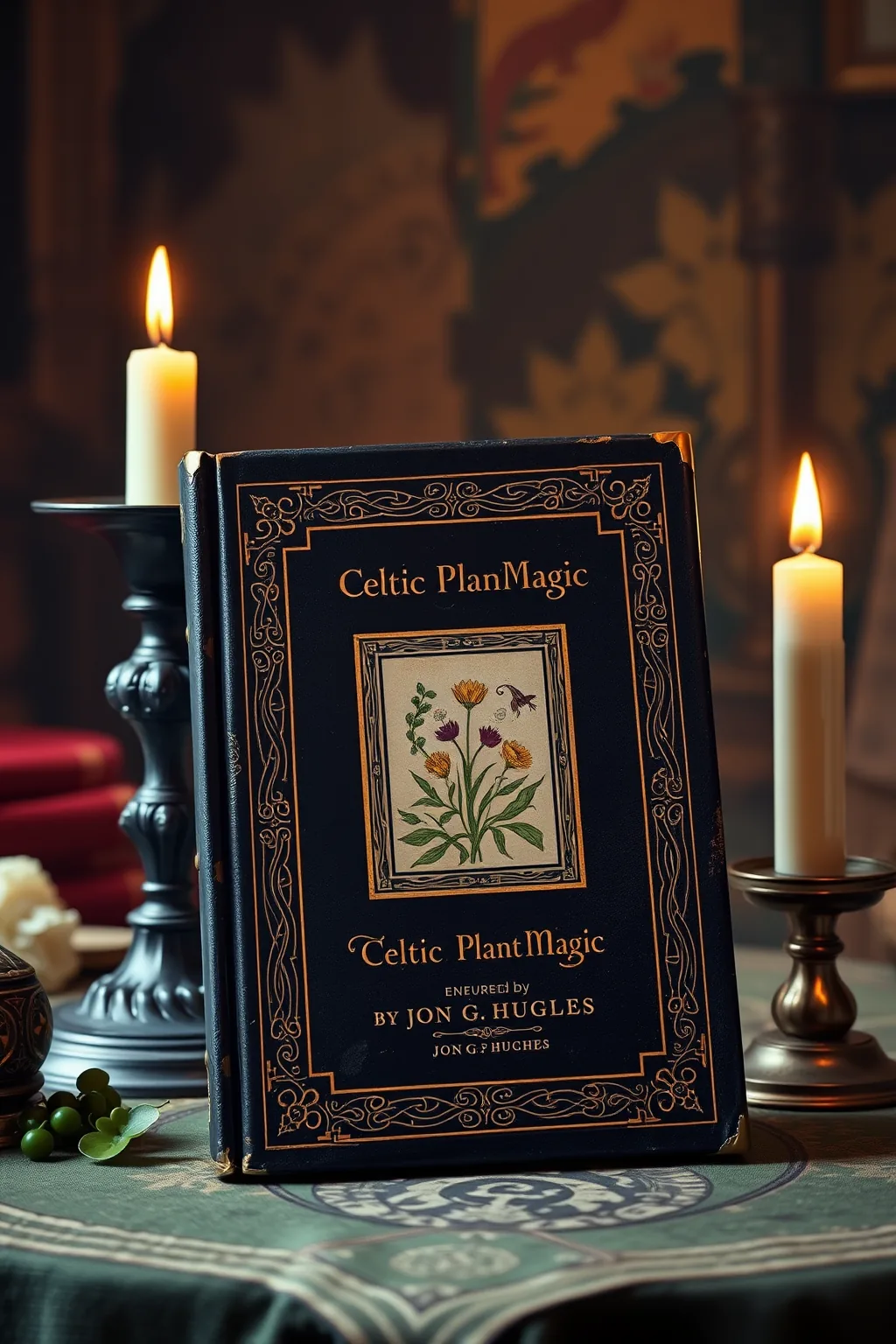
Celtic Plant Magic
 73
73

Celtic Plant Magic
Jon G. Hughes's "Celtic Plant Magic" presents a compelling argument for the inherent spirituality of the plant kingdom, particularly as understood through a Celtic lens. The book's strength lies in its detailed exploration of specific plants, moving beyond generic associations to offer nuanced magical applications rooted in folklore and historical context. Hughes's discussion of the "whispering woods" and their associated spirits, for instance, provides a vivid illustration of this animistic perspective. However, the work occasionally feels less like a critical academic study and more like a practitioner's personal grimoire, which might leave some readers desiring more rigorous sourcing or comparative analysis of different Celtic traditions. A key concept that stands out is the idea of plants as active participants in magical workings, not passive tools. Ultimately, "Celtic Plant Magic" serves as a valuable compendium for those seeking to engage with the plant world on a deeper, more magical level.
📝 Description
73
Published in 2003, Celtic Plant Magic examines the spiritual significance of flora in the Celtic worldview.
Jon G. Hughes's "Celtic Plant Magic" moves beyond simple herbalism to investigate the connections ancient Celts had with the natural world. The book views plants not just as resources, but as living entities possessing potent energies. It offers practical advice for incorporating plant essences and rituals into spiritual practices, aiming to cultivate a more connected and effective magical approach. The text grounds its discussion in the historical and mythological background of Celtic societies, referencing their farming methods, sacred groves, and the druidic respect for plant life. It notes the impact of pre-Christian beliefs that saw spirits and deities in particular trees and herbs, forming a perspective where nature was inherently sacred and alive.
Hughes discusses concepts like plant allies, sympathetic magic using botanical matches, and the application of specific herbs in divination and healing. The work highlights the energetic qualities of plants, suggesting that understanding these subtle forces leads to more potent magical work. It presents a unified perspective on plant magic, linking physical characteristics with spiritual and energetic aspects.
This work sits within the Western esoteric tradition, specifically focusing on folk magic and nature-based spiritualities. It draws from reconstructed Celtic beliefs and practices, emphasizing a worldview where the natural world is imbued with spirit and agency. The book connects these ideas to concepts found in modern paganism and witchcraft, such as correspondences, plant essences, and energetic signatures. It grounds these esoteric ideas in historical context, referencing druidic lore and pre-Christian animistic beliefs.
💡 Why Read This Book?
• Gain practical knowledge of specific Celtic plant correspondences and their magical uses, such as the symbolic significance of Rowan trees in warding rituals, as detailed in the text. • Develop a deeper animistic understanding of the plant kingdom, viewing flora as conscious allies rather than mere ingredients, inspired by Hughes's exploration of plant spirits. • Explore the historical and folkloric underpinnings of plant magic within Celtic traditions, connecting modern practices to ancient beliefs as presented in the book's contextual sections.
⭐ Reader Reviews
Honest opinions from readers who have explored this book.
❓ Frequently Asked Questions
What is the primary focus of Celtic Plant Magic by Jon G. Hughes?
The book centers on the magical and spiritual significance of plants within Celtic traditions, exploring their use in folk magic, divination, and healing, moving beyond simple herbalism to a deeper animistic understanding.
When was Celtic Plant Magic first published?
Jon G. Hughes's "Celtic Plant Magic" was first published in 2003, making it a relatively modern exploration of ancient practices.
Who would benefit most from reading Celtic Plant Magic?
Practitioners of folk magic, modern druids, hedgewitches, and anyone interested in earth-based spirituality and deepening their connection with the natural world through Celtic lore will find this book valuable.
Does the book offer practical spells or rituals?
Yes, the book provides guidance on incorporating plant essences and rituals into spiritual practices, focusing on understanding and working with the energetic properties of plants.
What is the historical context for Celtic Plant Magic?
The book draws upon the agricultural practices, sacred groves, and druidic reverence for plants characteristic of ancient Celtic cultures, highlighting their pre-Christian animistic beliefs.
What distinguishes this book from standard herbalism guides?
It emphasizes the spiritual and sentient nature of plants, exploring concepts like plant allies and sympathetic magic, rather than focusing solely on medicinal or culinary uses.
🔮 Key Themes & Symbolism
Animism and Plant Sentience
Hughes posits a deeply animistic worldview where plants are not inert objects but sentient beings possessing distinct energies and spirits. This perspective challenges the modern disconnect from nature, encouraging readers to perceive trees, herbs, and flowers as active participants in the magical landscape. The work suggests that true plant magic involves establishing a reciprocal relationship with these botanical entities, acknowledging their wisdom and power. This approach is crucial for understanding the core tenets of Celtic spiritual traditions, which often imbued natural elements with divine or semi-divine consciousness.
Folk Magic and Ritual Application
The book details practical applications of plant magic rooted in Celtic folklore and historical practices. It moves beyond theoretical concepts to offer guidance on using specific plants for protection, healing, divination, and spiritual connection. Readers are encouraged to engage with rituals that honor the seasonal cycles and the specific properties of herbs and trees. This theme emphasizes the tangible ways in which ancient Celts integrated plant power into their daily lives and sacred ceremonies, providing a framework for modern practitioners to adapt these techniques.
The Druidic Connection to Flora
A significant focus is placed on the role of plants within Druidic practices and beliefs. Hughes explores how Druids likely viewed trees and plants as sacred conduits of energy and wisdom, integral to their role as spiritual leaders and keepers of knowledge. The text examines the symbolic significance attributed to various plants within Druidic lore, such as the protective qualities of Rowan or the wisdom associated with Oak. This theme highlights the profound reverence and understanding that characterized the relationship between Druids and the plant kingdom.
Sympathetic Magic and Energetic Signatures
Hughes explores the principles of sympathetic magic as applied to plants, explaining how the perceived properties or appearances of a plant can be used to influence corresponding energies or outcomes. This includes understanding the unique energetic signatures of each plant – its 'vibration' or essence – and how to attune to it for magical purposes. The book illustrates how these energetic connections were historically leveraged in spells and healing practices, offering a framework for readers to perceive and work with the subtle forces inherent in the botanical world.
💬 Memorable Quotes
Direct passages from the work, attributed to the author.
“Plants are not passive recipients of our will, but active partners in the magical current.”
— This statement captures the book's animistic approach, emphasizing that magical work with plants requires respect and reciprocity, viewing them as conscious entities rather than mere tools.
“The Oak's strength is not just in its wood, but in the ancient wisdom it embodies.”
— This highlights the symbolic and spiritual depth attributed to specific plants within Celtic traditions, suggesting that their power extends beyond the physical to encompass ancestral knowledge and energy.
“Understanding the subtle language of herbs is key to unlocking their potent magic.”
— This interpretation focuses on the importance of attunement and perception in plant magic, suggesting that effective practice involves sensing and interpreting the energetic signatures and communications of flora.
“The sacred groves were libraries of living energy, consulted by the wise.”
— This evocative phrase points to the historical reverence for natural spaces and the plants within them as sources of profound knowledge and spiritual power, central to Druidic and Celtic practices.
“Every leaf holds a whisper of the earth's ancient song.”
— This metaphorical quote emphasizes the inherent magic and interconnectedness of all plant life with the deep history and natural cycles of the planet.
🌙 Esoteric Significance
Tradition
This work aligns with the broader tradition of Western Esotericism, specifically within the nature-based and indigenous European spiritual revival movements. It draws heavily from Neo-Paganism, Modern Druidry, and folk magic practices that emphasize animism and the sacredness of the natural world. While not strictly Hermetic or Kabbalistic, it shares a common thread of seeking hidden knowledge and power through correspondences and symbolic understanding, applied here to the plant kingdom as understood through a Celtic cultural lens.
Symbolism
Key symbols include the sacred trees like Oak (representing strength, wisdom, and connection to the divine) and Rowan (associated with protection, healing, and divination). The concept of the "sacred grove" itself symbolizes a place of communion with nature spirits and a repository of ancient wisdom. Plants are viewed not just as flora but as living symbols of earth energies, cycles of life and death, and potent magical forces waiting to be understood and respectfully engaged with.
Modern Relevance
Contemporary thinkers and practitioners in fields like ecological spirituality, ecopsychology, and sustainable living find resonance in Hughes's emphasis on the sentient nature of plants and reciprocal relationships with the environment. Modern Druidry orders and various Pagan traditions continue to draw upon the principles outlined in the book for their rituals and understanding of the land. It informs contemporary hedgewitchery and folk herbalism that seeks to integrate spiritual and energetic properties alongside the physical.
👥 Who Should Read This Book
• Aspiring practitioners of folk magic and hedgewitchery seeking to ground their craft in tangible, nature-based practices derived from ancient European traditions. • Students of comparative religion and mythology interested in exploring animistic belief systems and the specific role of flora in Celtic spiritual landscapes. • Modern Druids and Pagans looking to deepen their connection with the natural world and integrate plant allies into their spiritual path and ritual work.
📜 Historical Context
Published in 2003, Jon G. Hughes's "Celtic Plant Magic" emerged during a period of resurgence in interest in indigenous European spiritualities and earth-based practices. The early 21st century saw a growing counter-movement against purely materialistic views, with many seeking connections to pre-Christian European traditions. Within this landscape, the book offered a specific lens on Celtic animism and herbalism, differentiating itself from the more generalized New Age approaches to nature magic prevalent at the time. While the academic study of Celtic cultures had been ongoing for centuries, Hughes's work focused on the practical, magical applications derived from these roots, potentially engaging with practitioners who found more traditional scholarly texts too abstract. Its reception likely resonated with followers of modern Druidry and contemporary pagan movements, who were actively reconstructing and revitalizing ancient belief systems.
📔 Journal Prompts
The energetic signature of the Rowan tree and its protective qualities.
Personal experiences with plants perceived as allies or messengers.
Reflecting on the animistic worldview presented in Celtic Plant Magic.
How the concept of sacred groves informs contemporary understandings of nature.
The use of specific herbs in historical Celtic divination practices.
🗂️ Glossary
Animism
The belief that natural objects, phenomena, and the universe itself possess a soul or spirit, including plants, animals, rocks, and natural forces.
Plant Allies
In magical and spiritual contexts, plants that are believed to form a supportive relationship with a practitioner, offering their energies and assistance in workings.
Sympathetic Magic
A type of magic based on the principle that like produces like, or that a circle of contact remains after separation; the offender suffers in the likeness of the punishment.
Energetic Signature
The unique vibrational frequency or essence of a plant, person, or object, believed to influence its properties and interactions.
Sacred Grove
A natural area, typically a small wood or forest, considered by ancient peoples, particularly the Celts, to be holy and dedicated to deities or spirits.
Druidry
A modern spiritual or religious movement drawing inspiration from the ancient Druids, often emphasizing reverence for nature, wisdom, and the earth.
Hedgewitch
A practitioner of folk magic, often solitary, who works closely with nature spirits, herbs, and the liminal spaces between worlds.
🔮 Readers Also Liked
Browse all →








More by Jon G. Hughes
All books →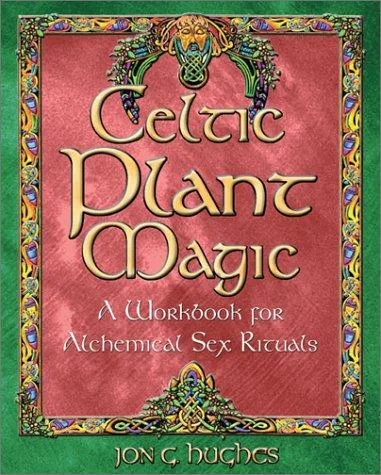

More Free Magic & Ritual Books
View all →