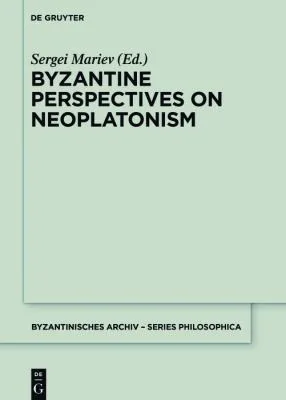
Byzantine Perspectives on Neoplatonism
 61
61

Byzantine Perspectives on Neoplatonism


Review by Lorelei Sage (Contemplative Literature Editor) — Byzantine Perspectives on Neoplatonism by Sergei Mariev is a masterful exposition of the esoteric interplay between Byzantine intellectuals and Neoplatonic philosophy. Mariev's deep dive into the early Byzantine period reveals how these thinkers, steeped in Neoplatonic texts, grappled with the tensions between Christian doctrine and pagan wisdom. The book is a treasure trove for those seeking to understand the mystical underpinnings of Byzantine thought. Mariev's strengths lie in his ability to weave historical context with esoteric insights, making this work indispensable for scholars and spiritual seekers alike.
📝 Description
61
Sergei Mariev's 2021 work examines Byzantine thinkers' engagement with Neoplatonism.
Byzantine Perspectives on Neoplatonism by Sergei Mariev analyzes the reception of Neoplatonic philosophy within the Byzantine Empire. Mariev shows how Byzantine intellectuals, who had direct access to Neoplatonic writings, integrated these ideas with Christian theology. The book details how concepts from figures like Plotinus and Proclus were reinterpreted and adapted to fit a Christian worldview.
This study focuses on the period when Byzantine scholars engaged with the philosophical heritage of late antiquity. It highlights the ways in which Neoplatonic thought, far from being simply rejected, became a tool for theological and philosophical reflection. Mariev's work illuminates the intellectual currents that shaped Byzantine thought, demonstrating a complex relationship between pagan philosophy and Christian doctrine.
This book fits within the study of esoteric traditions by examining how philosophical systems, often considered 'occult' or 'mystical' in their original contexts, were preserved and transformed by later cultures. Neoplatonism itself has a long history of esoteric interpretation, influencing Gnosticism, Hermeticism, and later Renaissance occultism. Mariev's work specifically addresses how Byzantine scholars, operating within a sophisticated intellectual milieu, continued this tradition of philosophical engagement, often imbuing classical ideas with new theological or symbolic meanings.
💡 Why Read This Book?
Read Byzantine Perspectives on Neoplatonism to uncover the hidden knowledge that shaped Byzantine intellectualism. Ideal for seekers of esoteric wisdom, scholars of philosophy, and practitioners of mystical traditions, this book offers a unique perspective on the interplay between Christian doctrines and Neoplatonic thought. Discover the philosophical significance of Neoplatonism's enduring influence and delve into the mystical atmosphere of the Byzantine era.
⭐ Reader Reviews
Honest opinions from readers who have explored this book.
❓ Frequently Asked Questions
What is the main focus of Byzantine Perspectives on Neoplatonism?
The book explores how Byzantine intellectuals engaged with Neoplatonic philosophy, shaping Christian doctrines and maintaining a rival worldview.
Who is the intended audience for this book?
Scholars of philosophy, spiritual seekers, and those interested in esoteric traditions will find this book particularly enlightening.
How does the book discuss the relationship between Platonism and Christianity?
The book delves into the complex and often conflicting relationship between Platonism and Christian thought during the Byzantine era.
What makes this book unique in the field of Neoplatonic studies?
Mariev's work stands out for its deep historical context and esoteric insights, providing a fresh perspective on the influence of Neoplatonism.
Is this book suitable for beginners in philosophy?
While accessible, the book is best suited for those with some background in philosophy and esoteric studies.
🔮 Key Themes & Symbolism
Esoteric Wisdom
Uncover the hidden knowledge and symbolic depth that Byzantine intellectuals gleaned from Neoplatonic texts, revealing the mystical underpinnings of their thought.
Philosophical Significance
Understand the enduring influence of Neoplatonism on Christian doctrines and the complex relationship between these two worldviews.
Historical Context
Study the Byzantine era, where the mystical and the rational intertwined, shaping the intellectual field of the time.
💬 Memorable Quotes
Direct passages from the work, attributed to the author.
“The quest for hidden truths becomes a clear source of intellectual enlightenment.”
— Mariev highlights the enduring search for esoteric knowledge in Byzantine thought.
“Byzantine intellectuals navigated the intricate web of Christian doctrines and pagan wisdom.”
— This reveals the duality of Byzantine thought, balancing faith and rational inquiry.
“The influence of Neoplatonism on Christian thought is a journey through the arcane.”
— Mariev's work illuminates the mysterious and wide impact of Neoplatonic ideas on Christian theology.
💡 Key Ideas
Editorial paraphrase of the work's core concepts — not direct quotes.
The boundaries between faith and reason blur in the mystical atmosphere of the Byzantine era.
This quote underscores the complex interplay between Christian doctrines and Neoplatonic philosophy.
Neoplatonism's enduring influence shapes the philosophical field of the Byzantine era.
This quote emphasizes the lasting significance of Neoplatonic philosophy in Byzantine intellectualism.
🌙 Esoteric Significance
Tradition
Byzantine Perspectives on Neoplatonism belongs to the Hermetic tradition, which seeks to uncover hidden knowledge and esoteric wisdom through the study of ancient texts and symbolism.
Symbolism
Key symbols in the book include the interplay between Christian doctrines and Neoplatonic ideas, representing the mystical underpinnings of Byzantine thought. The symbolism of the arcane and the quest for hidden truths are central to the book's esoteric significance.
Modern Relevance
This book matters today as it provides insights into the enduring influence of Neoplatonic philosophy on modern spiritual practices and esoteric traditions. Modern practitioners of Hermeticism and Gnosticism find valuable lessons in the book's exploration of hidden knowledge and symbolic depth.
👥 Who Should Read This Book
Beginners in esoteric studies may find the book challenging but rewarding, as it offers a unique perspective on the mystical underpinnings of Byzantine thought. Scholars of philosophy will appreciate the deep historical context and esoteric insights. Spiritual seekers and practitioners of mystical traditions will find the book enlightening, as it reveals the hidden knowledge and symbolic depth that shaped the Byzantine era.
📜 Historical Context
The Byzantine era, spanning from the 4th to the 15th century, was a time of profound intellectual and spiritual ferment. During this period, Byzantine scholars had direct access to Neoplatonic texts, which significantly influenced the development of Christian doctrines. The early Byzantine period saw Platonism as both a contributor to and a rival of Christian thought, creating a complex intellectual landscape. This book was important when written as it shed light on the esoteric dimensions of Byzantine intellectualism, revealing how hidden knowledge and symbolic depth shaped the era's philosophical discourse.
📔 Journal Prompts
How does the interplay between Christian doctrines and Neoplatonic philosophy influence your understanding of esoteric traditions?
Reflect on the significance of hidden knowledge and symbolic depth in Byzantine intellectualism.
Consider the modern relevance of Neoplatonic philosophy in your spiritual practices.
What insights can you gain from the complex relationship between faith and reason in the Byzantine era?
How does the quest for hidden truths shape your intellectual and spiritual journey?
🗂️ Glossary
Neoplatonism
A philosophical system that builds upon the ideas of Plato, emphasizing the mystical and esoteric aspects of reality.
Hermeticism
An esoteric tradition that seeks to uncover hidden knowledge through the study of ancient texts and symbolism.
Esoteric
Relating to knowledge that is intended for a small, select group of people with special initiation or training.
Symbolism
The use of symbols to represent ideas or qualities, often in a mystical or esoteric context.
Byzantine
Relating to the Byzantine Empire or its culture, characterized by a complex interplay of Christian and pagan influences.
This book appears in 5 collections
🔮 Readers Also Liked
Browse all →









More by Sergei Mariev
All books →

From the “Neoplatonism” Collection
View all →








More Free Alchemy & Hermeticism Books
View all →