Breaking Dawn

 73
73

Breaking Dawn
Stephenie Meyer’s "Breaking Dawn" concludes the saga with a narrative heavily weighted by the consequences of Bella’s transformation. The novel’s strength lies in its detailed exploration of Bella’s new existence as a vampire, particularly her struggle with thirst and her heightened senses. Meyer renders these internal shifts with a focus that feels earned after three preceding books. However, the pacing falters significantly during the middle section, becoming somewhat bogged down in exposition regarding vampire politics and lineage, which, while necessary for the plot’s resolution, detracts from the urgency of the central conflicts. A particularly striking passage involves Bella’s first hunt, vividly depicting the primal instincts she must now control. Ultimately, the book delivers the promised conclusion for its devoted readership, though its narrative structure occasionally hinders the emotional impact.
📝 Description
73
Stephenie Meyer's 2019 novel Breaking Dawn concludes the Twilight Saga with Bella Swan's transformation.
Breaking Dawn continues the story of Bella Swan and Edward Cullen, focusing on Bella's transformation into a vampire. The narrative details the challenges her new family faces, particularly after the birth of their daughter, Renesmee, who is both human and vampire. The book examines themes of love, sacrifice, and the effort to shield loved ones from threats. Characters confront internal struggles as they adapt to new identities and supernatural existence.
The novel is best suited for readers already familiar with the Twilight Saga. Those who enjoy supernatural romance, especially stories involving forbidden love, immortality, and the intricacies of vampire mythology, will find it appealing. The book also attracts readers who appreciate character development, focusing on emotional growth and relationship dynamics. It explores the repercussions of decisions made under extraordinary circumstances.
While not strictly esoteric, Breaking Dawn taps into popular modern interpretations of vampire lore, a tradition that has long fascinated occult subcultures. The book presents vampires not merely as monsters but as beings with complex emotional lives, capable of love and sacrifice, reflecting a broader cultural trend in paranormal romance. This reimagining of the vampire figure, focusing on themes of eternal life, forbidden relationships, and the blurring lines between human and supernatural, echoes certain occult interests in transcending mortal limitations and exploring alternative forms of existence.
💡 Why Read This Book?
• Gain insight into the complex lore of vampire transformation as Bella Swan navigates her new existence following her change, a key event in the 2019 publication. • Understand the unique concept of hybrid beings through the character of Renesmee, exploring the convergence of human and vampire traits as depicted in the novel. • Witness the extreme measures characters undertake for family protection, a central theme amplified by the impending conflict with the Volturi, as detailed throughout the book.
⭐ Reader Reviews
Honest opinions from readers who have explored this book.
❓ Frequently Asked Questions
When was 'Breaking Dawn' by Stephenie Meyer first published?
Stephenie Meyer's 'Breaking Dawn' was first published in 2008, concluding the original Twilight Saga.
What is the main conflict in 'Breaking Dawn'?
The main conflict revolves around the birth of Bella and Edward's daughter, Renesmee, and the ensuing threat from the Volturi, who perceive her as an immortal child, an illegal creation.
How does Bella change in 'Breaking Dawn'?
In 'Breaking Dawn,' Bella Swan is transformed into a vampire by Edward Cullen after giving birth to their daughter, Renesmee.
Who are the Volturi and what is their role in 'Breaking Dawn'?
The Volturi are the ancient, powerful vampire coven ruling from Volterra, Italy. In 'Breaking Dawn,' they serve as the primary antagonists, threatening Bella and her family over Renesmee's existence.
What is Renesmee's significance in the story?
Renesmee is significant as the half-human, half-vampire daughter of Bella and Edward. Her unique nature challenges vampire laws and becomes the focal point of the conflict with the Volturi.
Does 'Breaking Dawn' have any connections to other literary works or movements?
While primarily a conclusion to the Twilight Saga, 'Breaking Dawn' participated in the broader paranormal romance boom of the late 2000s, a trend influenced by earlier Gothic and Romantic literature's fascination with the supernatural.
🔮 Key Themes & Symbolism
Immortality and Transformation
The novel deeply examines the state of immortality through Bella Swan's vampiric transformation. This is not merely a change in physical state but a fundamental shift in existence, perception, and instinct. Meyer explores the challenges of adapting to eternal life, the loss of humanity, and the acquisition of new powers and vulnerabilities. The narrative questions whether true selfhood persists after such a radical metamorphosis, contrasting Bella's initial human desires with her vampiric nature and her struggle to control primal urges, particularly thirst, a core tenet of vampire fiction.
Maternal Protection and Sacrifice
A significant theme is the fierce maternal instinct and the sacrifices it compels. Bella's journey culminates in her transformation, largely motivated by her desire to protect her unborn child, Renesmee. The subsequent threat posed by the Volturi forces Bella, Edward, and their allies to defend Renesmee at any cost. This theme elevates the narrative beyond a simple supernatural romance, focusing on the primal drive to safeguard one's offspring against overwhelming odds and the profound personal costs involved in such a defense.
Hybridity and Bridging Worlds
The existence of Renesmee, a unique hybrid of human and vampire, serves as a central thematic element. She represents the possibility of reconciling seemingly irreconcilable differences and bridging the gap between two distinct species. Her rapid development and unique abilities challenge the established laws and perceptions of the vampire world, particularly those of the Volturi. Renesmee symbolizes hope and the potential for new forms of existence that defy traditional boundaries, making her both a source of conflict and a clear source of possibility.
Family and Belonging
"Breaking Dawn" emphasizes the formation and defense of an unconventional family unit. Bella and Edward's union, their child, and the extended network of vampires and humans who rally to their cause highlight the importance of chosen family and loyalty. The novel explores the lengths to which individuals will go to protect their loved ones and maintain their sense of belonging, even in the face of external judgment and threat. This theme underscores the power of connection and solidarity in navigating a dangerous supernatural world.
💬 Memorable Quotes
Direct passages from the work, attributed to the author.
“I never wanted to be a vampire. I wanted to be Edward's wife, his mother, his family. But that was impossible.”
— This statement captures Bella's initial reluctance towards immortality, emphasizing her human desires for a conventional life and family, which are ultimately unattainable without embracing her vampiric future.
“Renesmee was not an immortal child. She was a miracle.”
— This declaration asserts Renesmee's unique and positive nature, directly challenging the Volturi's condemnation and positioning her as a symbol of hope and a defiance of rigid supernatural laws.
“I realized that I was a creature of instinct. My instincts were to hunt, to kill, to feed.”
— This internal reflection from Bella illustrates the raw, primal nature of her vampiric existence and the intense struggle she faces in suppressing these newfound, dangerous impulses.
💡 Key Ideas
Editorial paraphrase of the work's core concepts — not direct quotes.
My new life was supposed to be a gift. But it felt more like a curse.
Reflecting Bella's post-transformation struggles, this quote highlights the internal conflict between the perceived benefits of vampirism and the profound loss and difficulty she experiences in adapting to her new existence.
We are the only ones who can protect her.
Spoken by Edward, this line underscores the deep sense of parental responsibility and the isolation of Bella and Edward's situation, framing their fight against the Volturi as a necessary, solitary stand.
🌙 Esoteric Significance
Tradition
While "Breaking Dawn" is not explicitly an esoteric text, it engages with themes common in Western esoteric traditions, particularly those concerning transformation and the nature of being. The protagonist's metamorphosis into a vampire echoes Gnostic ideas of spiritual rebirth and the shedding of the material self, albeit in a more literal, physical sense. The concept of achieving a higher, albeit dangerous, form of existence through a radical change mirrors alchemical processes of transmutation. The novel’s focus on blood and eternal life also touches upon ancient vampiric myths and their symbolic representation of life force and forbidden knowledge, elements often explored in occult studies.
Symbolism
The apple, a recurring symbol in the Twilight Saga, notably on the "Breaking Dawn" cover, evokes themes of forbidden knowledge, temptation, and the fall from innocence, reminiscent of the biblical Garden of Eden. This symbolizes Bella's transition into a new, potentially perilous state of being. Blood itself functions as a potent symbol, representing life, vitality, and the primal urges that Bella must confront. It is both the source of her new power and the object of her greatest struggle. The concept of the 'immortal child,' while forbidden in the book's lore, symbolizes the transgression of natural boundaries and the dangerous allure of defying fundamental laws of existence.
Modern Relevance
Contemporary discussions around hybridity, identity formation, and the ethics of existence find resonance within "Breaking Dawn." The novel's exploration of the challenges faced by beings who exist between two worlds—human and supernatural—speaks to modern anxieties about belonging and societal integration. Furthermore, the intense focus on familial bonds and protection in the face of external threats can be seen as relevant to contemporary societal concerns about safety and community. The book's massive cultural footprint means its themes continue to be referenced and debated in popular culture, influencing subsequent narratives that explore supernatural romance and identity.
👥 Who Should Read This Book
• Established fans of the Twilight Saga seeking the narrative conclusion to Bella Swan's story, particularly those interested in her vampiric transformation and new family dynamics. • Readers of paranormal romance who enjoy explorations of supernatural beings, forbidden love, and dramatic conflict within established lore. • Individuals interested in narratives centered on themes of maternal protection, sacrifice, and the formation of unconventional family units against external opposition.
📜 Historical Context
Published in 2008, "Breaking Dawn" arrived as the concluding volume of Stephenie Meyer's Twilight Saga, a series that profoundly reshaped the range of young adult literature and paranormal romance. The early 21st century saw a burgeoning interest in vampire narratives, a trend significantly amplified by the success of "Twilight." Meyer's work tapped into this cultural moment, offering a blend of supernatural elements and intense romantic relationships that resonated with a massive global audience. The series’ popularity sparked widespread discussion, both laudatory and critical, about its literary merit and its impact on popular culture. Unlike earlier Gothic literature's often darker portrayals of vampires, Meyer’s vampires, particularly Edward Cullen, were often presented as morally upright and self-controlled. The sheer scale of the fandom and the commercial success of the books and subsequent films, released starting in 2008, cemented the series’ place in contemporary cultural history, influencing subsequent works in the genre and demonstrating the potent commercial power of carefully crafted fanbases.
📔 Journal Prompts
Bella's vampiric transformation and her struggle with thirst.
The unique nature and implications of Renesmee's hybrid existence.
The Volturi's rigid laws and their perceived threat to the Cullen family.
Edward's perspective on Bella's transition and their shared future.
The concept of family loyalty as demonstrated by the gathered witnesses.
🗂️ Glossary
Vampire
A mythical being, traditionally imagined as a reanimated corpse that drains the blood of the living to sustain itself. In Meyer's work, vampires possess enhanced physical abilities, accelerated healing, and unique mental gifts.
Volturi
The ancient and powerful vampire coven based in Volterra, Italy, which serves as the de facto royal family and law enforcement of the vampire world.
Renesmee
The half-human, half-vampire daughter of Bella Swan and Edward Cullen, whose unique nature and rapid growth pose a challenge to vampire laws.
Immortal Child
A child who has been turned into a vampire. These beings are forbidden by the Volturi due to their uncontrollable nature and potential threat to vampire secrecy.
Shapeshifter
A type of supernatural being, distinct from vampires, who can transform into animals, typically wolves. Jacob Black is a prominent shapeshifter in the series.
Gift
A unique supernatural ability possessed by many vampires, such as telepathy, precognition, or the ability to project thoughts. Bella's gift is mental shielding.
Quileute Tribe
The indigenous tribe to which Jacob Black belongs. Certain members of the tribe are genetically predisposed to becoming shapeshifters to protect humans from vampires.
🔮 Readers Also Liked
Browse all →









More by Stephenie Meyer
All books →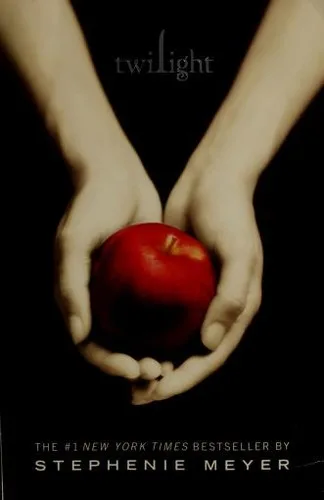





More Free Occult Philosophy Books
View all →